Skincare for Dry Weather India FAQ: Your Questions Answered


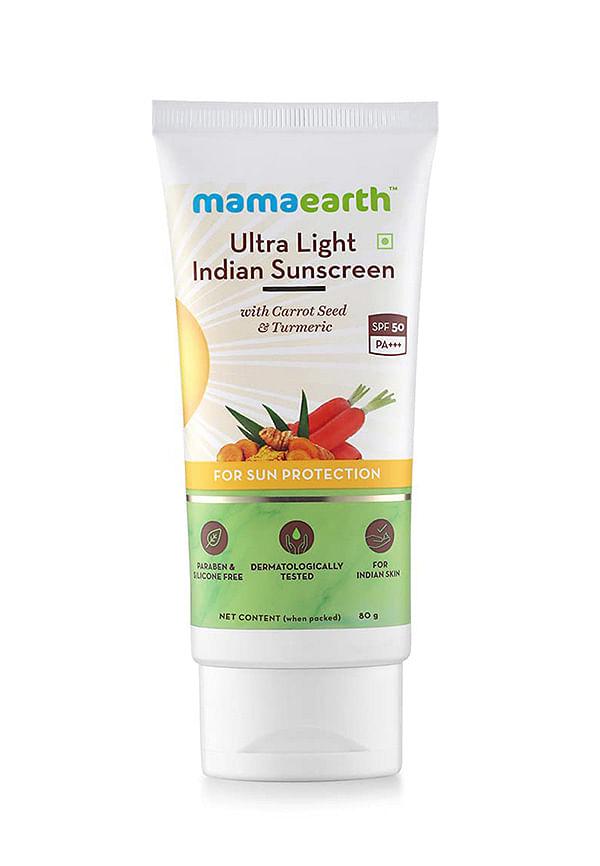
Ultra Light indian Sunscreen
Your skin feels tight after washing your face, and that familiar winter itch has started creeping in. Sound familiar? You're not alone. Millions across India face the challenge of keeping skin hydrated when the weather turns dry. Whether it's the harsh North Indian winters or the unexpected dry spells in coastal cities, our skin bears the brunt of environmental changes. The good news? With the right knowledge and products, you can maintain healthy, comfortable skin all year round.
India's diverse climate creates unique challenges for skincare for dry weather. From the bone-dry winters of Delhi to the air-conditioned environments of Mumbai offices, our skin constantly adapts to changing moisture levels. When humidity drops, your skin's natural moisture barrier weakens, leading to that familiar tight, flaky feeling.
The science is straightforward: dry air pulls moisture from your skin faster than it can replenish itself. This process, called trans-epidermal water loss, accelerates in low-humidity environments. Add pollution, indoor heating, and hot showers to the mix, and you've got a perfect storm for skin dehydration.
Different regions face distinct challenges. North Indian cities experience dramatic seasonal shifts, with winter humidity dropping to 20-30%. Meanwhile, South Indian cities might seem humid overall, but air conditioning and seasonal variations still impact skin moisture. Recognising these patterns helps you adjust your dry skin care India routine accordingly.
Your skin sends clear signals when it's struggling with dryness. Look for tightness after cleansing, visible flaking, increased sensitivity, or that uncomfortable itchy feeling. Fine lines might appear more pronounced, and your usual products might suddenly feel insufficient. These are your skin's way of asking for more moisture support.
Building an effective skincare routine for dry skin doesn't require a complete overhaul of your current regimen. Instead, focus on strategic adjustments that support your skin's moisture barrier whilst addressing India's specific environmental challenges.
Your morning routine should prioritise protection and hydration. Start with a gentle, cream-based cleanser that won't strip natural oils. Follow with a hydrating serum containing hyaluronic acid or glycerin - these humectants draw moisture from the environment into your skin. Apply your moisturiser whilst skin is still slightly damp to lock in hydration, then finish with broad-spectrum SPF.
Choose cleansers with ingredients like ceramides or niacinamide that support barrier function. Your serum should focus on immediate hydration - look for formulas combining multiple molecular weights of hyaluronic acid. For moisturiser, cream formulations work better than lotions in dry weather, providing the occlusive layer your skin needs.
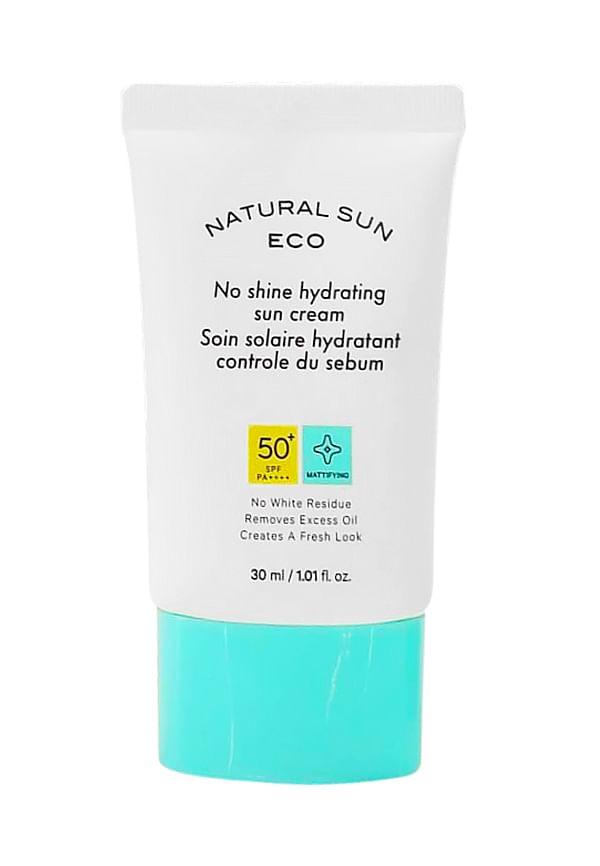
NaturalSun Eco No Shine Hydrating Sun Cream
Good Product, Soothing Texture
 5
5“its a good product and the texture is very soothing”
Evenings are for repair and intensive hydration. Double cleanse if you wear makeup or sunscreen, using an oil-based cleanser first. This method removes impurities without over-drying. Apply treatment serums with ingredients like peptides or retinol (if your skin tolerates it), then seal everything with a richer night moisturiser.
Understanding key ingredients helps you make informed choices about hydrating skincare India products. Hyaluronic acid is your first line of defence - it can hold up to 1000 times its weight in water. Glycerin works similarly, drawing moisture from the environment whilst being gentle enough for sensitive skin.
For barrier repair, ceramides are essential. These lipids naturally occur in healthy skin and help prevent moisture loss. Niacinamide supports ceramide production whilst reducing inflammation - perfect for skin stressed by environmental changes. Squalane mimics your skin's natural oils, providing lightweight yet effective moisture.
Traditional natural skincare for dry skin ingredients have stood the test of time for good reason. Aloe vera provides immediate soothing relief whilst delivering hydration. Shea butter offers rich moisture without clogging pores. Jojoba oil closely mimics skin's natural sebum, making it ideal for dry skin types.
Finding the best moisturizer for dry skin India depends on your specific needs and skin type. Lightweight gel-creams work well for combination-dry skin, providing hydration without heaviness. For severely dry skin, look for rich creams containing multiple moisturising ingredients.
Texture matters in Indian weather. During humid months, you might prefer lighter formulations that absorb quickly. In dry winter months, richer creams provide the intensive moisture your skin craves. The key is having options and adjusting based on seasonal needs.
Day moisturisers should absorb quickly and work well under makeup and sunscreen. Look for formulas with SPF built-in for convenience, though a separate sunscreen often provides better protection. Night moisturisers can be richer, focusing on repair and intensive hydration whilst you sleep.
Effective skincare tips for dry weather extend beyond what you apply to your skin. Environmental factors play a huge role in skin hydration. Consider using a humidifier in your bedroom, especially during winter months when indoor heating reduces air moisture.

Ayurvedic Daily Hydration Day Cream with Broad Spectrum Natural SPF 25, UVA/UVB Sun Protector, Natural Day Cream for Pigmentation, Silky Soft & Brigh
Water temperature matters more than you might think. Hot showers feel wonderful but strip natural oils from your skin. Opt for lukewarm water and limit shower time to 5-10 minutes. Pat skin dry rather than rubbing, leaving some moisture for your products to seal in.
Hydration starts from within. Aim for 8-10 glasses of water daily, more if you're active or live in a particularly dry climate. Include water-rich foods like cucumbers, watermelon, and leafy greens in your diet. Omega-3 fatty acids from sources like walnuts and flaxseeds support skin barrier function.
Many people unknowingly worsen dry skin through common mistakes. Over-cleansing is a major culprit - washing your face more than twice daily strips natural oils. Similarly, using harsh scrubs or alcohol-based toners can damage your moisture barrier.
Timing matters when applying products. Don't wait until your skin is completely dry after cleansing to apply moisturiser. Those few minutes of dampness help lock in hydration. Also, don't skip sunscreen in winter - UV rays reflect off surfaces and can still damage skin.
Apply products in thin layers rather than thick globs. This ensures better absorption and prevents pilling. Wait a few minutes between product applications, especially when using multiple serums. This gives each product time to absorb properly.
Apply moisturiser twice daily - morning and evening - on slightly damp skin. In extremely dry conditions, you might need a midday touch-up, especially on exposed areas like your face and hands. Listen to your skin and adjust frequency based on how it feels.
It's best to adjust your routine seasonally. Use lighter formulations during monsoons when humidity is high, and switch to richer creams during winter months. Your skin's needs change with the weather, so your products should too.

India Body Wash
Dry skin lacks oil production and is a skin type, whilst dehydrated skin lacks water and is a temporary condition. You can have oily but dehydrated skin, especially in Indian weather with air conditioning and pollution. Both need hydration, but dry skin also needs oil-based ingredients.
Not necessarily. Focus on ingredient quality and formulation rather than price. Many affordable brands offer effective solutions with proven ingredients like hyaluronic acid and ceramides. Read ingredient lists and choose products based on your skin's specific needs.
Initial hydration improvements appear within 24-48 hours of consistent use. However, complete skin barrier repair takes 4-6 weeks. Be patient and consistent with your routine. If you don't see improvement after 6 weeks, consider consulting a dermatologist.
Face oils can be beneficial for dry skin, especially in harsh weather. Apply them after your serum but before moisturiser, or mix a few drops into your moisturiser. Choose lightweight oils like jojoba or squalane that absorb well and don't clog pores.
Yes, many natural ingredients complement modern skincare. Aloe vera gel makes an excellent hydrating serum, whilst coconut oil can work as an overnight treatment for very dry skin. Introduce one new ingredient at a time to monitor your skin's response.
Your skin should feel comfortable and hydrated throughout the day without tightness or flaking. Makeup should apply smoothly, and fine lines should appear less pronounced. If you're still experiencing dryness after 2-3 weeks of consistent use, you might need a richer formula.
Managing dry skin care India doesn't have to be complicated. Focus on gentle cleansing, consistent hydration, and protection from environmental stressors. Remember that your skin's needs change with seasons, age, and lifestyle factors, so be prepared to adjust your routine accordingly.
The key to success lies in consistency and patience. Your skin barrier didn't become compromised overnight, and it won't repair itself immediately either. Give your new routine at least 4-6 weeks to show results, and don't be afraid to make small adjustments based on how your skin responds.
Building an effective routine becomes easier when you can explore different products without committing to full sizes immediately. Smytten's curated selection includes trusted brands with proven hydrating skincare formulations, and with over 28 million users discovering products through trial sizes, you're in good company. If you're curious about a brand but not ready to commit to a full-size product, exploring minis first lets you find what truly works for your skin before investing in the complete routine.
