Skin Whitening Tips for Men FAQ: Your Questions Answered


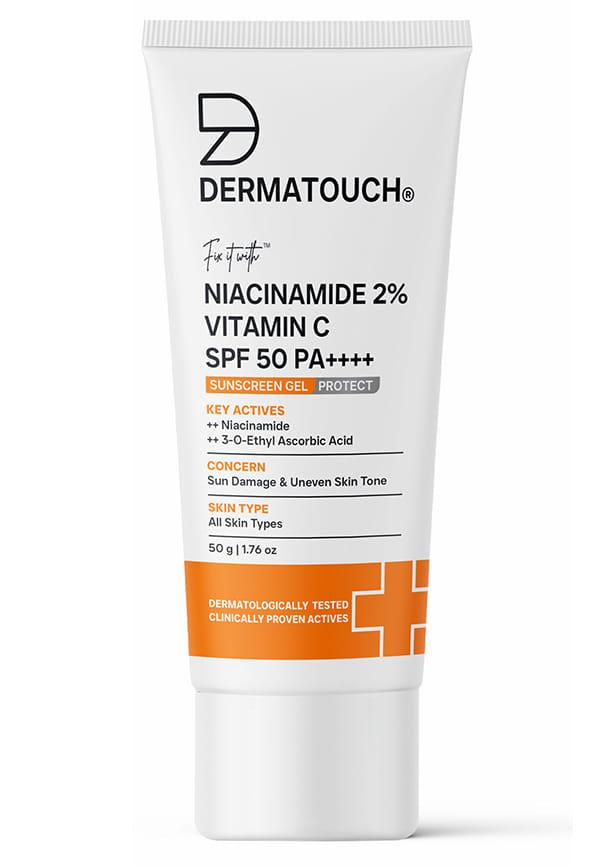
Niacinamide 2% Vitamin C Sunscreen for glowing skin, SPF 50+ PA ++++
You've probably noticed it in the mirror – that uneven skin tone, those stubborn dark spots, or just the feeling that your complexion could look brighter and more even. Men's skin brightening isn't about changing who you are; it's about addressing real skin concerns like hyperpigmentation, acne scarring, and sun damage that many men face. Whether it's post-shave irritation leaving dark marks or years of sun exposure catching up with you, wanting clearer, more even-toned skin is completely normal. The good news? There are safe, effective ways to achieve the results you're looking for.
Before diving into solutions, it helps to understand why men's skin often appears darker or more uneven than women's. It's not just in your head – there are real biological and lifestyle factors at play.
Testosterone plays a significant role in skin pigmentation. Higher testosterone levels in men can stimulate melanin production, leading to naturally darker skin tones. This hormone also makes men's skin about 25% thicker than women's, which can make pigmentation issues more pronounced and harder to treat.
Men also tend to have larger pores and produce more sebum, which can trap dirt and pollutants that contribute to a dull, uneven appearance. Additionally, many men spend more time outdoors for work or sports without proper sun protection, leading to increased UV damage and melanin production over time.
Sun damage is the biggest culprit behind uneven skin tone. Years of UV exposure without adequate protection leads to dark spots, freckles, and overall skin darkening. Post-inflammatory hyperpigmentation from acne is another major concern – those dark marks that linger long after a spot has healed.
Daily shaving can also contribute to skin darkening through repeated irritation and micro-cuts that heal with excess pigmentation. Add in lifestyle factors like smoking, poor diet, and inadequate sleep, and you've got a recipe for dull, uneven skin that could benefit from targeted brightening treatments.
The foundation of any successful skin lightening approach is a consistent daily routine. Think of it as maintenance for your face – just like you wouldn't skip brushing your teeth, your skin needs daily care to look its best.
Start with a gentle cleanser that removes overnight buildup without stripping your skin. Look for ingredients like salicylic acid or glycolic acid in your face wash – these help with gentle exfoliation and can gradually improve skin tone.
Next, apply a vitamin C serum. This powerhouse ingredient not only protects against environmental damage but also inhibits melanin production, helping to fade existing dark spots while preventing new ones. Follow with a lightweight moisturiser to keep your skin barrier healthy.
The most crucial step? SPF 30+ sunscreen every single day, even when it's cloudy. This isn't negotiable if you're serious about skin brightening. UV exposure will undo all your hard work, so make sunscreen your best friend.
Evenings are when your skin does its repair work, so this is the perfect time for targeted treatments. Start with a thorough cleanse to remove the day's buildup of sweat, pollution, and sunscreen.
Two to three times a week, use a gentle exfoliant containing AHAs or BHAs. These chemical exfoliants remove dead skin cells that can make your complexion look dull while encouraging cell turnover for brighter, more even skin.
On non-exfoliating nights, apply a brightening serum with ingredients like niacinamide or kojic acid. These work overnight to fade dark spots and even out your skin tone. Always finish with a good moisturiser to support your skin barrier.
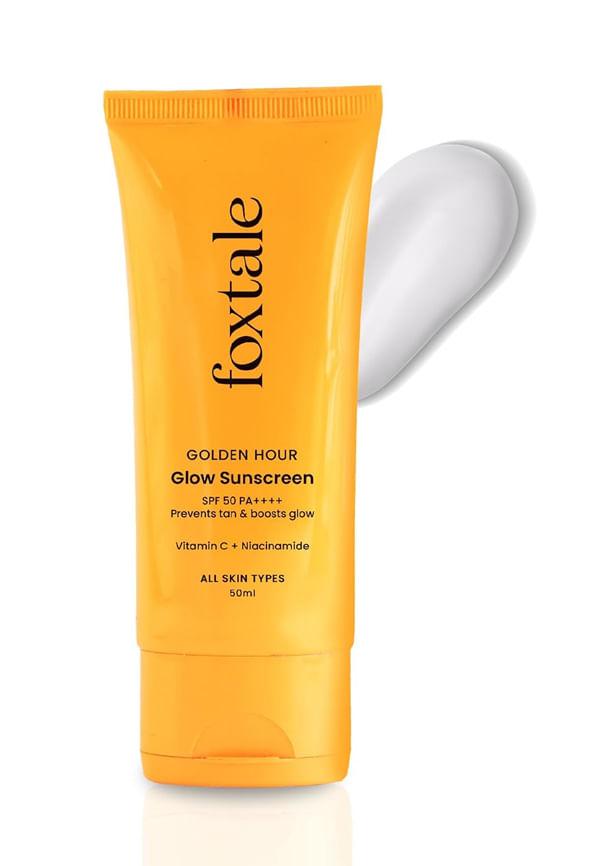
Glow Sunscreen SPF 50 PA++++ Lightweight with Vitamin C and Niacinamide
Once or twice a week, treat your skin to something special. A brightening face mask can give you that extra boost, while a deeper exfoliation treatment can help speed up results. Just remember – more isn't always better. Overdoing treatments can irritate your skin and actually make pigmentation worse.
Not all brightening ingredients are created equal. Some work faster, others are gentler, and a few should be avoided altogether. Here's what actually works for men's complexion improvement.
Vitamin C is your first line of defence. It's an antioxidant that protects against free radical damage while inhibiting the enzyme that produces melanin. Look for stable forms like magnesium ascorbyl phosphate or sodium ascorbyl phosphate if you have sensitive skin.
Niacinamide is particularly brilliant for men because it tackles multiple concerns at once. It reduces dark spots, controls oil production, and minimises pores – perfect for men dealing with both pigmentation and oily skin issues.
Kojic acid is a natural skin lightening ingredient derived from fungi. It's gentler than some alternatives but still effective at inhibiting melanin production. Licorice extract is another natural option that's particularly good for sensitive skin, offering gentle brightening without irritation.
A good brightening face wash for men should cleanse without over-drying. Look for formulas with gentle acids or brightening botanicals. For targeted treatment, serums with concentrated active ingredients work best on specific dark spots.
Don't overlook moisturisers with brightening properties. These work gradually but consistently, and since you'll use them daily, they can make a real difference over time. Some even combine SPF with brightening ingredients for daytime convenience.
Stay away from products containing hydroquinone in high concentrations or mercury – these can cause serious skin damage and health issues. Avoid anything promising "instant" results or containing harsh bleaching agents that can thin your skin or cause permanent damage.
Sometimes the best solutions are sitting in your kitchen. These natural skin whitening methods won't work overnight, but they're gentle, affordable, and surprisingly effective when used consistently.
A simple yogurt and honey mask can work wonders. Yogurt contains lactic acid, which gently exfoliates and brightens, while honey has antibacterial properties and helps maintain moisture. Mix equal parts and leave on for 15 minutes twice a week.
Potato juice might sound odd, but it contains vitamin C and mild bleaching properties. Grate a potato, extract the juice, and apply it to dark spots with a cotton pad. Leave for 10 minutes before rinsing.
Turmeric mixed with milk or yogurt creates a powerful anti-inflammatory mask that can help fade dark spots over time. Just be careful – turmeric can temporarily stain your skin yellow, so test on a small area first.
Hydration is absolutely crucial for bright, healthy skin. Aim for at least 8 glasses of water daily, and you'll notice your complexion looking more radiant within a week. Quality sleep is equally important – your skin repairs itself overnight, so those 7-8 hours aren't negotiable.
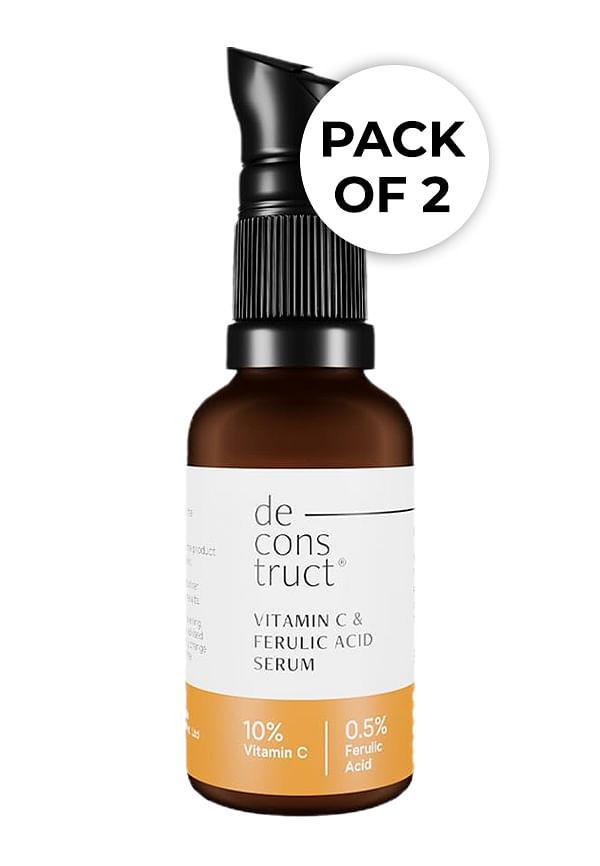
Vitamin C & Ferulic Acid Serum
Your diet plays a huge role too. Foods rich in antioxidants like berries, leafy greens, and nuts help fight the free radicals that cause skin damage. Reduce sugar and processed foods, which can contribute to inflammation and dull skin.
If home treatments aren't giving you the results you want, it might be time to consider professional options. These treatments can provide more dramatic results, but they require proper consultation and aftercare.
Chemical peels designed for men can address deeper pigmentation issues that topical products can't reach. A dermatologist can recommend the right strength and type for your skin concerns and tone.
Laser treatments can target specific dark spots with precision, breaking up excess melanin so your body can naturally eliminate it. These treatments require downtime and strict sun protection but can provide excellent results for stubborn pigmentation.
The best results often come from combining professional treatments with a solid at-home routine. Your dermatologist might recommend a series of peels followed by specific home-care products to maintain and enhance results.
Seasonal adjustments are important too – you might need stronger treatments in winter when sun exposure is lower, and gentler maintenance routines in summer when your skin is more sensitive.
Your daily habits have a massive impact on your skin's appearance. Small changes can lead to significant improvements in your complexion over time.
While sunscreen is essential, it's not your only defence against UV damage. Wearing a hat with a brim can protect your face, especially if you work outdoors. Choose clothing with tight weaves or UPF ratings for additional protection.
Time your outdoor activities wisely. UV rays are strongest between 10 AM and 4 PM, so if possible, schedule outdoor work or exercise for early morning or late afternoon.
Regular exercise improves circulation, bringing oxygen and nutrients to your skin cells while helping remove waste products. Just remember to cleanse properly after sweating to prevent pore blockages.
If you smoke, quitting is one of the best things you can do for your skin. Smoking reduces blood flow to the skin and depletes vitamin C, both of which contribute to dull, uneven skin tone.
While dramatic changes take time, you can see improvements in a week by focusing on hydration, gentle exfoliation, and consistent sunscreen use. Drink plenty of water, use a vitamin C serum daily, exfoliate twice during the week, and never skip SPF. Your skin will look brighter and more even, though deeper pigmentation issues need longer treatment.
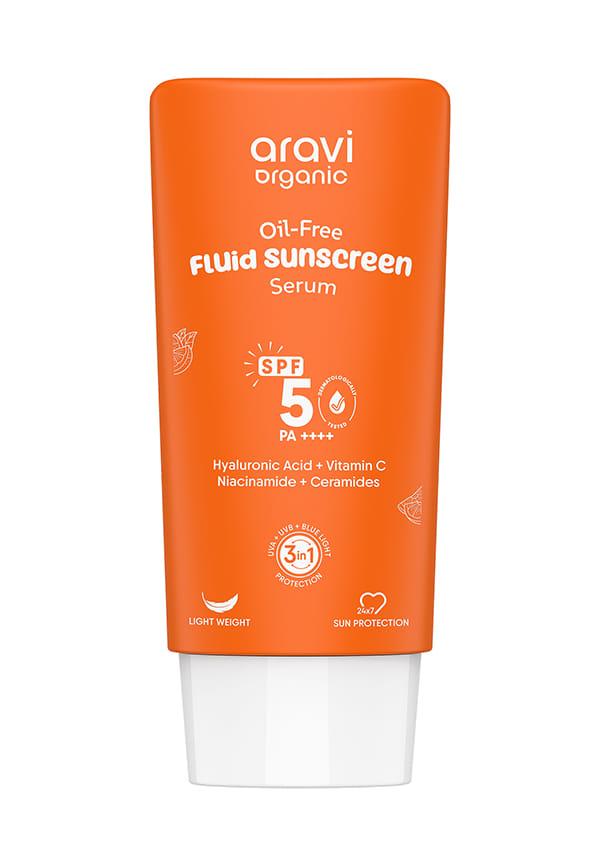
Oil-Free Fluid Sunscreen Serum SPF 50++++ with Hyaluronic Acid, Vitamin C, Niacinamide
True permanent skin whitening isn't possible or safe, as your natural skin tone is determined by genetics. However, you can achieve lasting improvement in skin evenness and brightness by addressing sun damage, dark spots, and maintaining a good skincare routine. The key is managing expectations and focusing on healthy, even-toned skin rather than dramatic colour changes.
Consistent use of vitamin C serum in the morning and niacinamide or kojic acid at night can show results in 4-6 weeks. For faster results, consider professional treatments like chemical peels or laser therapy, but these require dermatologist consultation. Always use SPF 30+ daily, as sun exposure will worsen dark spots.
Most gentle brightening ingredients like vitamin C, niacinamide, and kojic acid are safe for daily use when used as directed. However, stronger ingredients like glycolic acid should be used 2-3 times weekly. Always patch test new products and avoid anything containing hydroquinone in high concentrations or mercury. If you experience irritation, reduce frequency or consult a dermatologist.
Natural ingredients like vitamin C from citrus, kojic acid from rice, and licorice extract can be effective but work more slowly. Commercial products often contain these same ingredients in concentrated, stabilised forms for faster results. You can combine both approaches – use gentle natural treatments as maintenance and targeted commercial products for specific concerns.
Absolutely. Skin is skin, and effective ingredients work the same regardless of gender. However, men's skin is typically thicker and oilier, so you might prefer lighter formulations or slightly stronger concentrations. Many brands now offer men's versions of popular products, but there's nothing wrong with using products marketed to women if they work for your skin.
Learning what not to do is just as important as knowing the right steps. These common mistakes can slow your progress or even make pigmentation worse.
Over-exfoliation is probably the biggest mistake men make when trying to brighten their skin. More isn't better – using acids daily or combining multiple exfoliating products can damage your skin barrier and actually increase pigmentation.
Skipping sunscreen is another major error. You can use the best brightening products in the world, but if you're not protecting your skin from UV damage, you're essentially taking one step forward and two steps back.
Your genetic skin tone sets certain limits on how much brightening is possible or healthy. Focus on achieving your skin's healthiest, most even version rather than trying to dramatically change your natural colour.
Avoid products promising instant results or dramatic whitening. These often contain harsh chemicals that can damage your skin long-term. Real improvement takes 6-12 weeks of consistent care, and that's completely normal.
Achieving brighter, more even-toned skin is absolutely possible for men, but it requires patience, consistency, and the right approach. Focus on gentle, proven ingredients like vitamin C, niacinamide, and proper sun protection rather than harsh quick fixes. Remember that healthy skin is the goal – not dramatic colour changes that go against your natural tone.
The journey to better skin is personal, and what works for your friend might not work for you. Start with a simple routine, introduce new products gradually, and don't be afraid to consult a dermatologist if you have specific concerns or aren't seeing results after a few months.
At Smytten, you'll find curated selections from trusted brands that specialise in men's skincare and brightening treatments. With over 28 million users discovering products through trial sizes, you can explore different formulations and find what works best for your skin before committing to full-size purchases. Whether you're looking for your first vitamin C serum or want to try a new brightening face wash, having the option to test products first takes the guesswork out of building your ideal routine.
