Skin Pores in Monsoon FAQ: Common Questions Answered

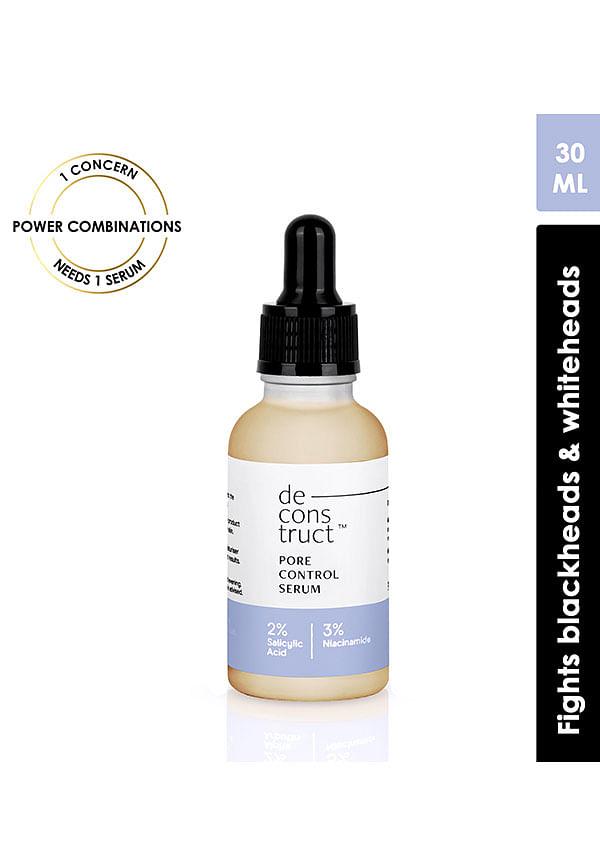
Pore Control Serum Salicylic Acid + Niacinamide Anti Acne Face Serum
Minimizes Small Pores
 4
4“It helps in minimising pores but not effective on too large pores”
Good Product, Love It
5“good product.....love it......”
Loved Product & Fast Delivery
5“loved the product n delivery was too fast”
Monsoon brings relief from scorching heat, but it also brings a host of skin concerns that can leave you feeling frustrated. If you've noticed your pores looking more prominent, your skin feeling greasier, or breakouts appearing seemingly overnight, you're not alone. The combination of high humidity, increased sweating, and fluctuating temperatures creates the perfect storm for enlarged pores and congested skin. Understanding why your skin behaves differently during the rainy season is the first step towards managing these concerns effectively. Whether you're dealing with clogged pores, excess oil production, or that persistent shine that won't budge, this comprehensive guide addresses the most common questions about skin pores in monsoon. From understanding the science behind humidity's effect on your skin to practical solutions you can implement today, we've got you covered. Many people turn to trial-sized products during this season to test what works best for their changing skin needs, and platforms like Smytten make it easier to experiment with different formulations without committing to full-size products that might not suit the weather.
TL;DR
Monsoon humidity increases sebum production, making pores appear larger and more prone to clogging
Sweat, pollution, and fluctuating temperatures between AC and outdoor humidity worsen pore congestion
Double cleansing, lightweight moisturisers, and ingredients like salicylic acid and niacinamide help manage monsoon pore concerns
Regular gentle exfoliation and clay masks can prevent buildup without over-stripping the skin
Professional treatments and consistent skincare routines yield better long-term results than quick fixes
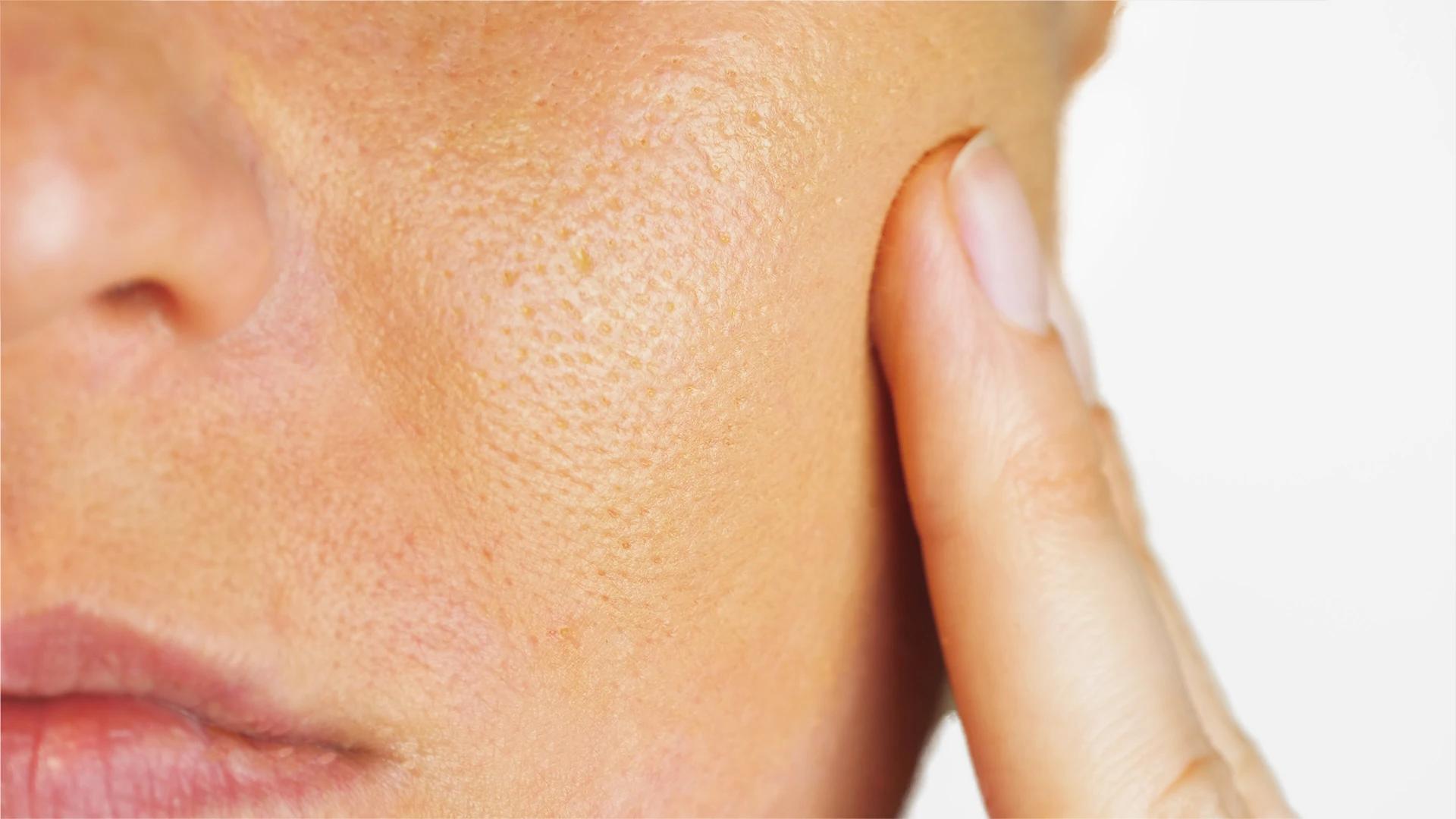
The relationship between humidity and skin pores is more complex than you might think. When humidity levels rise above 60%, your skin's natural moisture barrier responds by producing more sebum to protect itself from environmental stressors. This increased oil production doesn't just make your skin look shinier—it also causes your pores to work overtime, making them appear more prominent and prone to blockages.
High humidity affects your skin's ability to regulate temperature through natural evaporation. When sweat can't evaporate efficiently, it mixes with sebum, dead skin cells, and environmental pollutants, creating a cocktail that settles into your pores. The constant moisture in the air also softens the walls of your pores, making them appear larger and more noticeable than during drier months.
Several factors contribute to the appearance of enlarged pores during monsoon. Understanding these causes helps you address the root problem rather than just treating the symptoms.
Excessive sebum production tops the list of culprits. Your sebaceous glands go into overdrive when humidity levels spike, producing more oil than your skin can naturally manage. This excess oil stretches your pores, making them appear larger and more visible.
Sweat and dirt accumulation creates another layer of complexity. Unlike dry heat where sweat evaporates quickly, monsoon humidity keeps moisture on your skin longer. This prolonged contact allows dirt, pollution, and dead skin cells to mix with sweat and oil, forming a paste-like substance that can stretch and clog pores.
Temperature fluctuations between air-conditioned spaces and humid outdoor air cause your skin to constantly adjust its oil production. This yo-yo effect can disrupt your skin's natural balance, leading to inconsistent pore appearance throughout the day.
Clogged pores and acne during monsoon aren't just about increased oil production—they're about creating the perfect environment for bacterial growth. The combination of excess sebum, trapped moisture, and warm temperatures creates an ideal breeding ground for acne-causing bacteria.
When dead skin cells don't shed properly due to the humid environment, they accumulate on your skin's surface. These cells mix with sebum and sweat, forming plugs that block your pores. Once blocked, the lack of oxygen in these pores allows anaerobic bacteria to flourish, leading to inflammation and acne.
Heavy makeup and sunscreen formulations can exacerbate pore clogging during monsoon. When these products mix with sweat and humidity, they can create a barrier that prevents your skin from breathing properly, trapping oil and bacteria beneath the surface.
Poor air circulation during rainy days means pollutants and allergens stay suspended in the air longer. These particles can settle on your skin and mix with the already increased oil production, creating additional blockages in your pores.
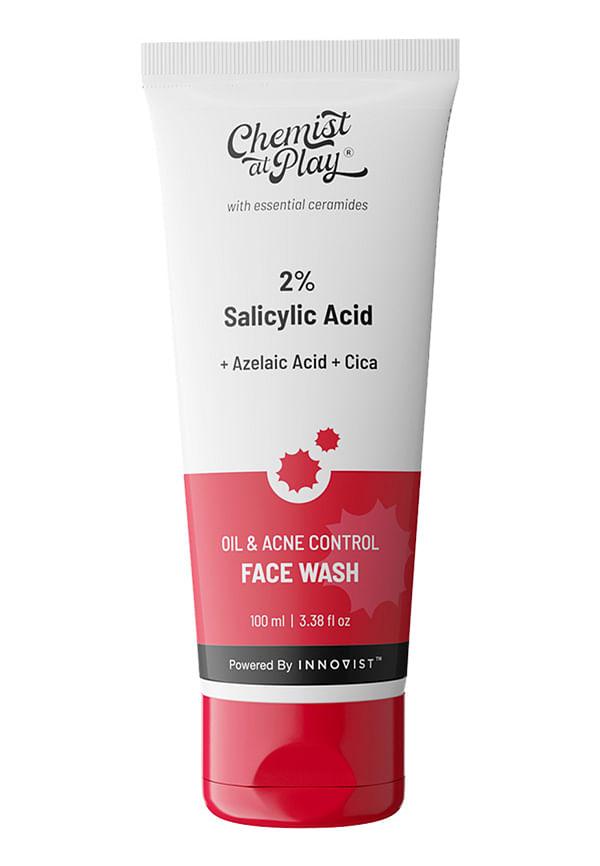
Oil & Acne Control Face Wash | 2% Salicylic acid | Niacinamide
Good for Oily Skin
5“Best for oily skin , remove oil all from face”
Salicylic acid good for face
5“Salicylic acid is best for face.”
Salicylic acid good for face
5“Salicylic acid is best for face.”
Managing pores during monsoon requires a strategic approach that addresses increased oil production without over-stripping your skin. The key is finding the right balance between thorough cleansing and maintaining your skin's natural protective barrier.
Your morning routine should focus on gentle cleansing and lightweight protection. Start with a mild, pH-balanced cleanser that removes overnight oil buildup without disrupting your skin's natural balance. Follow with a lightweight, non-comedogenic moisturiser that won't add to the humidity your skin is already dealing with.
Gentle cleanser with salicylic acid or tea tree oil
Alcohol-free toner to balance pH levels
Lightweight moisturiser with hyaluronic acid
Broad-spectrum SPF that's non-comedogenic
Evening routines during monsoon should emphasise deep cleansing and pore-refining treatments. Double cleansing becomes particularly important—use an oil-based cleanser first to dissolve makeup and sunscreen, followed by a water-based cleanser to remove remaining impurities.
Oil cleanser for makeup and sunscreen removal
Foaming cleanser with niacinamide for pore refinement
Treatment serum with retinol or AHA (alternate nights)
Night moisturiser with ceramides for barrier repair
Minimising the appearance of pores during monsoon requires consistent effort and the right techniques. While you can't actually shrink pores permanently, you can significantly reduce their appearance and prevent them from becoming more prominent.
Double cleansing remains the gold standard for thorough pore cleaning during humid weather. This method ensures that all traces of makeup, sunscreen, sweat, and environmental pollutants are removed without over-cleansing your skin.
Weekly steam treatments can help soften the contents of clogged pores, making them easier to clear. Add a few drops of tea tree oil to your steam water for additional antibacterial benefits. Follow steam treatments with a gentle clay mask to draw out impurities.
Finishing your cleansing routine with cold water helps temporarily tighten pores and reduce their appearance. This technique also helps calm inflammation and reduces the redness often associated with enlarged pores.
Chemical peels with glycolic or lactic acid
Microdermabrasion for surface texture improvement
Professional extractions for stubborn blackheads
LED light therapy for acne-prone skin
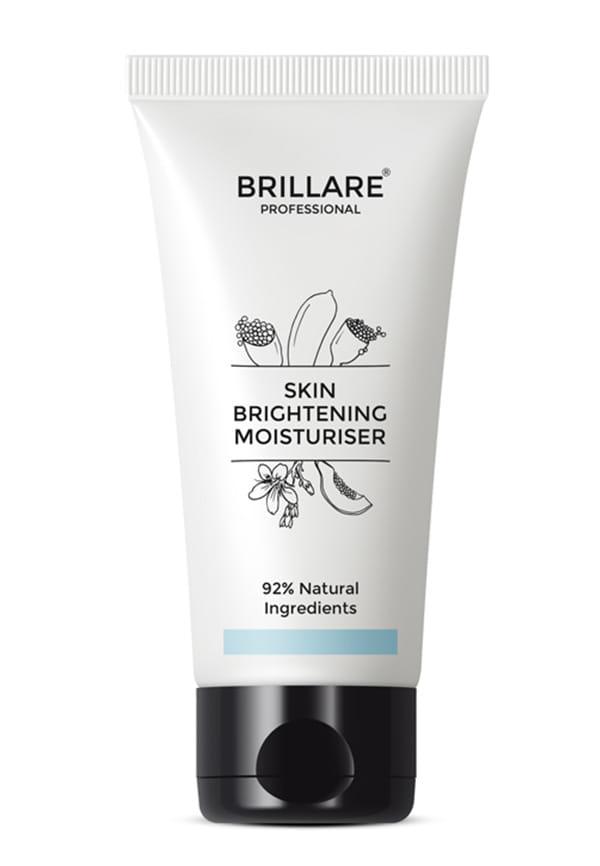
Skin Brightening Moisturiser For Reducing Pigmentation
Great product quality and feel
5“amazing quality , light on skin.”
Looks Old and Dull
5“after opening it is looking old.....dull...”
Highly Recommended Product
5“very good product everyone must try it.”
While enlarged pores often steal the spotlight during monsoon, several related skin concerns can compound the problem. Understanding these interconnected issues helps you develop a more comprehensive skincare approach.
Fungal infections become more common during humid weather, particularly in areas where skin folds create warm, moist environments. These infections can worsen existing pore congestion and create additional inflammation that makes pores appear even larger.
The constant moisture and temperature fluctuations can make your skin more reactive than usual. Products that worked perfectly during other seasons might suddenly cause irritation, making it challenging to maintain an effective pore-care routine.
Humidity-induced breakouts often leave behind post-inflammatory hyperpigmentation, creating uneven skin tone that makes pores appear more prominent. The combination of enlarged pores and dark spots can significantly affect your skin's overall appearance.
Achieving long-term pore health during monsoon requires looking beyond topical treatments to address underlying factors that contribute to pore problems. A holistic approach yields better, more sustainable results.
Dietary adjustments can significantly impact your skin's oil production. Reducing dairy and high-glycemic foods during monsoon may help control excess sebum production. Increasing your intake of omega-3 fatty acids and antioxidants supports your skin's natural barrier function.
Regular exercise with immediate post-workout cleansing
Adequate sleep for proper skin cell turnover
Stress management to prevent hormone-induced breakouts
Proper hydration to support skin barrier function
Consider consulting a dermatologist if your pore concerns persist despite consistent skincare efforts, or if you experience severe cystic acne, persistent inflammation, or signs of infection. Professional treatments can provide faster, more dramatic results than at-home care alone.
Pores don't physically enlarge, but they appear larger due to increased oil production and debris accumulation. The humid weather causes your sebaceous glands to produce more oil, which stretches the pore opening and makes it more visible.
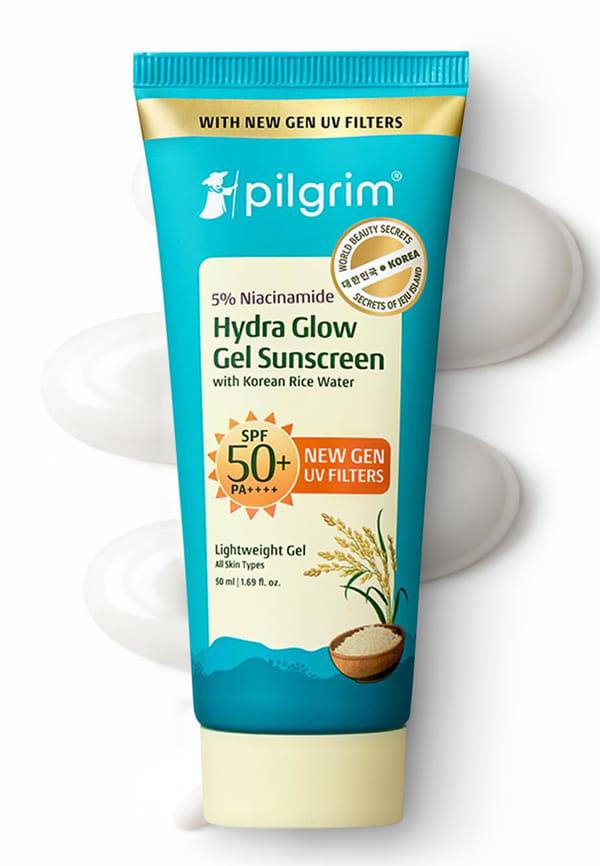
5% Niacinamide Oil-Free Super Light Gel Sunscreen SPF 50+ PA++++
Great Fragrance, No White Cast, Good Protection
5“awesome with very nice fragrance and no white cast and awesome for protection”
Sunscreen Review: No White Cast, Slight Fragrance
5“Nice sunscreen, no white cast but slight fragrance”
Lightweight & Brightening Sunscreen
4“light weight sunscreen and brighten skin”
While some products can work year-round, monsoon typically requires adjustments to your routine. You might need lighter moisturisers, more frequent cleansing, and additional oil-control products during humid months.
Expensive doesn't always mean better. Focus on products with proven ingredients like salicylic acid, niacinamide, and retinol. Many affordable options contain these same active ingredients. Platforms like Smytten allow you to trial premium products before investing in full sizes.
Twice daily cleansing is usually sufficient. Over-cleansing can strip your skin's natural oils, causing it to produce even more sebum. If you exercise or spend long hours outdoors, a gentle rinse with water can help remove sweat without over-cleansing.
The biggest mistake is over-cleansing or using harsh products to combat oiliness. This strips the skin's natural barrier, leading to increased oil production and irritation. Gentle, consistent care works better than aggressive treatments.
Yes, diet plays a significant role. High-glycemic foods and dairy can increase oil production, making pores appear larger. Foods rich in antioxidants and omega-3 fatty acids support skin health and may help control excess sebum.
When starting new treatments, especially those containing retinoids or acids, you might experience initial purging where existing blockages come to the surface. This typically lasts 4-6 weeks before improvement becomes visible.
You don't need to avoid makeup entirely, but choose non-comedogenic, lightweight formulations. Powder foundations often work better than liquid ones in humid weather. Always remove makeup thoroughly with double cleansing.
Managing skin pores during monsoon requires understanding the unique challenges that humid weather presents to your skin. The increased oil production, sweat accumulation, and environmental factors all contribute to more prominent pores, but with the right approach, you can minimise their appearance and prevent long-term damage.
Consistency in your skincare routine matters more than expensive products. Focus on gentle cleansing, appropriate moisturising, and targeted treatments with proven ingredients. Remember that pore size is largely genetic, but their appearance can be significantly improved with proper care.
Don't expect overnight results—skin improvement takes time, especially when dealing with seasonal changes. Be patient with your routine and make adjustments based on how your skin responds to the humid environment.
Navigating monsoon skincare doesn't have to be overwhelming when you have access to the right products and information. Smytten, India's largest product discovery and trial platform, makes it easier to find effective solutions for your specific pore concerns without the guesswork. With trial packs from over 2,400 trusted brands including Cetaphil, Dot & Key, and WishCare, you can experiment with different formulations to see what works best for your skin during humid weather. The platform's try-before-you-buy approach is particularly valuable during monsoon when your skin's needs might change, allowing you to test products like gentle cleansers, oil-control serums, and lightweight moisturisers before committing to full sizes. With 100% cashback on trial purchases and delivery across 90% pin code coverage, finding your perfect monsoon skincare routine has never been more accessible or affordable.
