Skin Flooding What Is It? Your Complete FAQ Answered

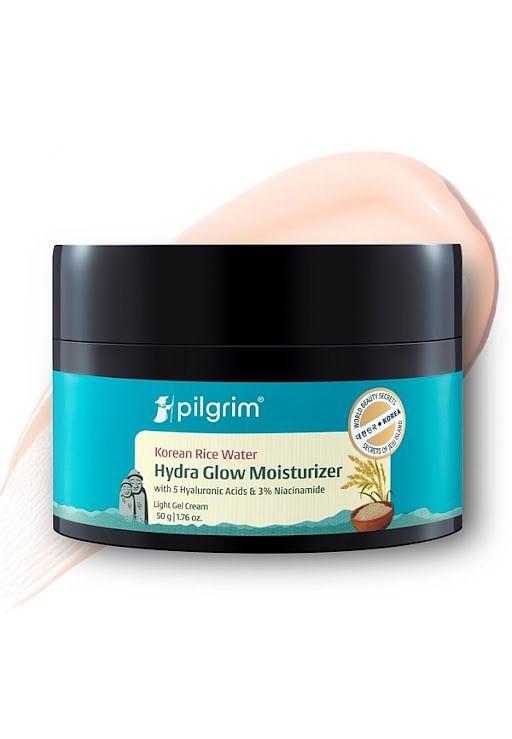
Korean Rice Water Hydra Glow Light Gel Moisturizer with 5x Hydration
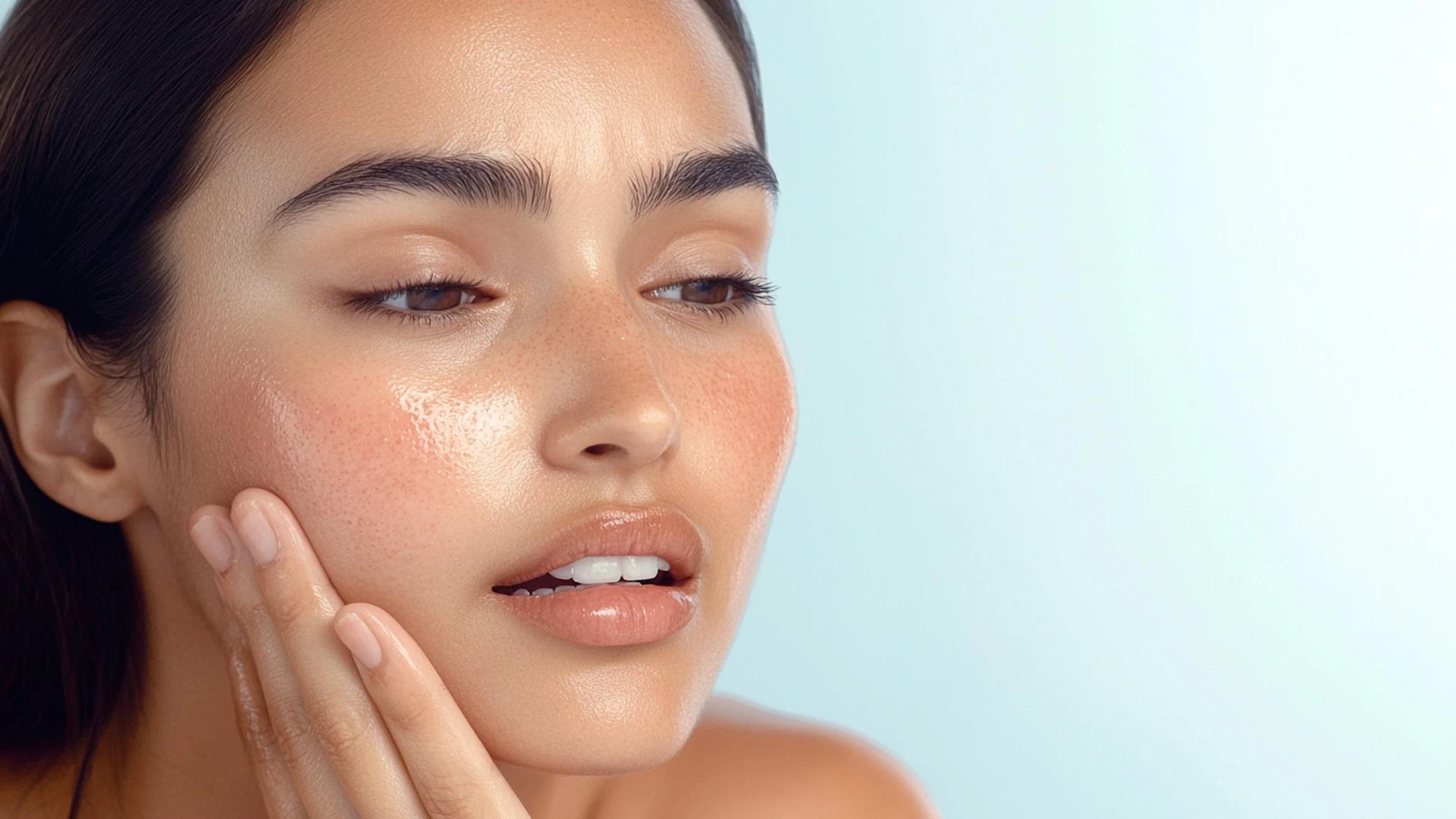
If you've been scrolling through skincare TikTok lately, you've probably stumbled across the term "skin flooding" and wondered what all the fuss is about. This Korean-inspired hydration technique has taken the beauty world by storm, promising to transform dry, dull skin into a plump, dewy canvas. But what exactly is skin flooding, and does it live up to the hype? Whether you're dealing with post-winter dryness, air conditioning-induced dehydration, or simply want to give your skin barrier the TLC it deserves, understanding this technique could be a game-changer for your routine. At Smytten, we've seen countless users discover their perfect hydrating products through trial packs, making it easier than ever to experiment with this trending technique without the commitment of full-size purchases. Let's dive deep into everything you need to know about skin flooding, from the science behind it to how you can tailor it for your specific skin type.
Skin flooding is a Korean-inspired hydration technique that involves layering multiple lightweight, water-based products to saturate the skin with moisture
The method works by applying products to damp skin in thin layers, allowing each to absorb before adding the next, then sealing with an occlusive
Benefits include improved skin barrier function, enhanced hydration levels, and a plumper, more radiant complexion
The technique can be adapted for all skin types, from dry to oily, with modifications in product choice and application frequency
Key ingredients include humectants like hyaluronic acid, emollients like ceramides, and occlusives for sealing moisture
Skin flooding is a hydration technique that originated from Korean skincare philosophy, focusing on saturating the skin with multiple layers of lightweight, water-based products. Unlike traditional moisturising where you apply one or two products, skin flooding involves creating a "flood" of hydration by layering several thin applications of serums, essences, and lightweight moisturisers.
The science behind skin flooding lies in the skin's natural moisture barrier function. When we layer hydrating products on damp skin, we're essentially mimicking the skin's natural moisture gradient, where water content is highest in the deeper layers and gradually decreases towards the surface. This technique helps restore the skin's natural moisture balance and strengthens the barrier function.
The term "flooding" perfectly describes what happens during this process. Think of your skin like a sponge – when it's slightly damp, it can absorb much more water than when it's completely dry. By applying products to damp skin and layering them gradually, you're allowing each layer to penetrate deeply before adding the next.
This method works because it takes advantage of the skin's natural absorption patterns. Each layer creates a reservoir of hydration that the subsequent layer can build upon, creating a cumulative effect that single-product application simply can't achieve.
Mastering the skin flooding technique requires understanding the proper sequence and timing. The key is to work from thinnest to thickest consistency, allowing each layer to absorb before applying the next.
Start with freshly cleansed, slightly damp skin – this is crucial for the technique to work effectively. Pat your face gently with a towel, leaving it about 70% dry.
Begin with a hydrating toner or essence, applying it with gentle patting motions. Wait 30-60 seconds for absorption, then apply your first serum – typically a hyaluronic acid serum works brilliantly here.
Continue layering with a second serum if desired, followed by a lightweight moisturiser. Each application should be thin and even, focusing on areas that tend to be drier. Finally, seal everything with a slightly heavier moisturiser or facial oil, depending on your skin type.
The success of skin flooding depends heavily on choosing the right ingredients. Humectants like hyaluronic acid, glycerin, and sodium PCA are your best friends – they draw moisture from the environment and deeper skin layers.
Emollients such as ceramides, squalane, and niacinamide help smooth the skin surface and support barrier function. Finally, occlusives like petrolatum, shea butter, or heavier oils create a protective seal to prevent water loss.
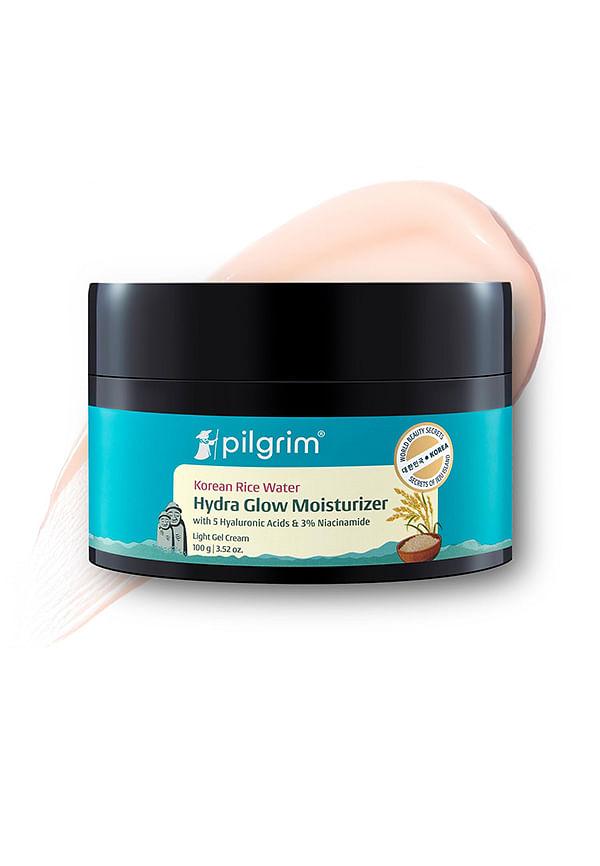
Korean Rice Water Hydra Glow Moisturizer
The benefits of skin flooding extend far beyond simple hydration. This technique can transform your skin's texture, appearance, and overall health when done consistently and correctly.
Immediately after skin flooding, you'll notice your skin feels plumper and looks more radiant. The multiple layers of hydration create an instant smoothing effect that can make fine lines appear less noticeable and give your complexion a healthy glow.
In the short term, skin flooding provides instant relief for tight, uncomfortable skin and creates an ideal base for makeup application. Your skin will feel softer and look more luminous within hours of treatment.
Long-term benefits include improved skin barrier function, reduced sensitivity, and better overall skin health. With consistent practice, many people notice their skin becomes more resilient to environmental stressors and requires less product to maintain optimal hydration levels.
This technique is particularly beneficial for those with dehydrated skin, regardless of skin type. If you're dealing with seasonal dryness, live in a low-humidity environment, or use active ingredients that can be drying, skin flooding can help restore balance.
People with sensitive skin often find this gentle, gradual approach to hydration less irritating than applying heavy creams directly to dry skin.
One of the brilliant aspects of skin flooding is its adaptability. The core technique remains the same, but product choices and frequency can be adjusted based on your specific skin needs.
Understanding your skin type is crucial for successful skin flooding. What works for dry skin might be too heavy for oily skin, whilst sensitive skin requires gentler formulations.
Dry skin types can embrace the full skin flooding experience with richer formulations and more frequent application. Start with a hydrating toner, layer two different serums, and finish with a heavier moisturiser or facial oil.
For very dry skin, you might benefit from skin flooding twice daily, particularly during harsh weather conditions or when using active ingredients like retinoids or AHAs.
Oily skin can absolutely benefit from skin flooding, but the approach needs modification. Focus on lightweight, non-comedogenic formulations and avoid heavy occlusives that might clog pores.
Gel-based serums and lightweight moisturisers work best for oily skin. You might also want to limit skin flooding to evening routines or areas of your face that tend to be drier, like around the eyes.
Combination skin benefits from a zonal approach – use lighter products on your T-zone and richer formulations on drier areas like cheeks and around the eyes.
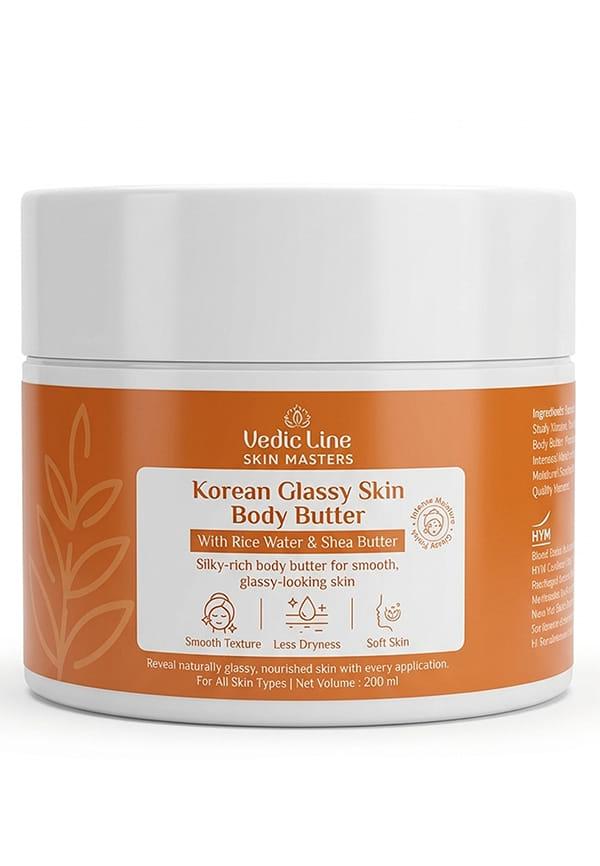
Korean Skin Glassy Body Butter
Sensitive skin requires gentle, fragrance-free formulations and a slower introduction to the technique. Start with just two layers and gradually build up as your skin adapts.
Whilst skin flooding might seem similar to traditional skincare layering, there are distinct differences in approach, timing, and product selection that set it apart.
Traditional layering typically involves applying products in a specific order based on their function – cleanser, treatment, moisturiser, SPF. Skin flooding, however, focuses specifically on hydration and involves multiple hydrating products applied in quick succession.
The main difference lies in the application technique and timing. Traditional layering often involves waiting longer between products and focuses on addressing multiple skin concerns. Skin flooding is purely about hydration saturation.
In traditional routines, you might use one serum and one moisturiser. With skin flooding, you're using multiple hydrating products to create layers of moisture that work synergistically.
The biggest mistake people make with skin flooding is using too much product at once. Each layer should be thin and fully absorbed before applying the next. Over-layering can lead to product pilling, clogged pores, or skin irritation.
Another common error is using the wrong product types. Avoid mixing oil-based and water-based products inappropriately, as this can prevent proper absorption and reduce effectiveness.
To truly master skin flooding, understanding the nuances and advanced techniques can help you achieve better results whilst avoiding common pitfalls.
Professional dermatologists often recommend starting slowly with this technique, particularly if you have reactive skin or are new to layering products.
Most skin experts suggest beginning with just two or three products and gradually building up your routine. This allows your skin to adapt and helps you identify which products work best for your specific needs.
It's also important to maintain your regular skincare routine alongside skin flooding. This technique should complement, not replace, your existing regimen of cleansing, active ingredients, and sun protection.
If you experience product pilling, you're likely applying too much product or not allowing enough time between layers. Reduce the amount of each product and extend the waiting time between applications.
For those experiencing breakouts, consider whether you're using comedogenic ingredients or applying products too heavily in acne-prone areas. Adjust your technique accordingly.
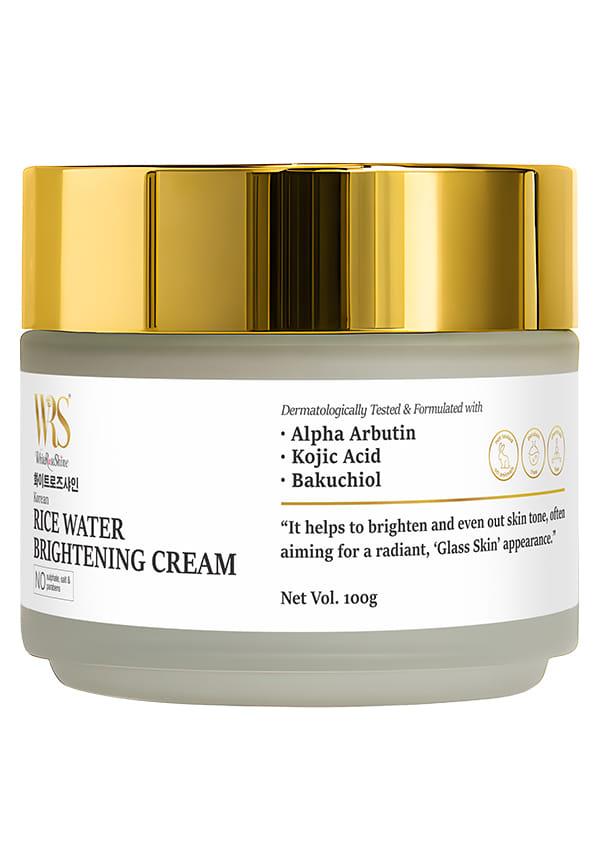
Korean Rice Water Brightening Cream
Skin flooding is generally safe for most skin types when done correctly. However, people with very oily or acne-prone skin should be cautious about over-hydrating, which can sometimes lead to clogged pores. Start slowly and monitor how your skin responds. If you experience increased breakouts or irritation, reduce the frequency or number of products used.
Korean skin flooding treatment is rooted in the Korean skincare philosophy of achieving "glass skin" – a complexion that's so well-hydrated and smooth it resembles glass. This approach emphasises prevention over correction and focuses on maintaining optimal skin hydration through multiple thin layers of hydrating products rather than one heavy application.
For basic skin flooding, you'll need a hydrating toner or essence, at least one hydrating serum (hyaluronic acid is ideal), and a moisturiser. More advanced routines might include multiple serums and a facial oil for sealing. The key is choosing products with complementary ingredients that layer well together.
Skin flooding can be beneficial for acne-prone skin when done correctly, as proper hydration can help balance oil production and support skin barrier function. However, it's crucial to use non-comedogenic products and avoid over-layering in areas prone to breakouts. Focus on lightweight, gel-based formulations and consider limiting the technique to less acne-prone areas of your face.
The frequency depends on your skin type and needs. Dry skin types might benefit from daily skin flooding, whilst oily skin types might prefer 2-3 times per week. Start with once or twice weekly and adjust based on how your skin responds. You can always increase frequency if your skin is tolerating the technique well.
Absolutely! Smytten's trial packs are perfect for experimenting with different hydrating products before committing to full sizes. You can try various serums, essences, and moisturisers from different brands to find the perfect combination for your skin flooding routine without the financial commitment of purchasing full-size products.
Skin flooding represents a thoughtful approach to hydration that can benefit virtually any skin type when adapted appropriately. The technique's success lies in understanding your skin's specific needs and choosing the right products and application frequency accordingly.
Remember that consistency is key with skin flooding. Like any skincare technique, results improve over time as your skin barrier strengthens and becomes more efficient at retaining moisture. Start slowly, listen to your skin, and adjust your approach as needed.
The beauty of skin flooding lies in its flexibility – you can customise everything from product selection to application frequency based on seasonal changes, skin concerns, and personal preferences. Whether you're dealing with winter dryness or simply want to achieve that coveted dewy glow, this technique offers a gentle yet effective path to better hydrated skin.
Discovering the perfect products for your skin flooding routine doesn't have to involve expensive trial and error. Smytten, India's largest product discovery and trial platform, offers an ideal solution for experimenting with different hydrating formulations. With trial packs from over 2,400 trusted brands including Cetaphil, Dot & Key, WishCare, and Love, Beauty & Planet, you can explore various serums, essences, and moisturisers to create your perfect skin flooding combination. The platform's try before you buy approach means you can test products risk-free – get up to 10 trial points for just ₹279, with 100% cashback on trials redeemable for future purchases. Whether you're looking for hyaluronic acid serums for dry skin or lightweight gel moisturisers for oily skin, Smytten's authentic brand-verified minis let you discover what works best for your skin flooding routine. With PAN-India delivery and 90% pin code coverage, building your ideal hydrating skincare arsenal has never been more accessible or affordable. After all, why settle for guessing when you can try it all and find exactly what your skin needs?
