Skin Flooding FAQ: Hydrating Dehydrated Indian Skin


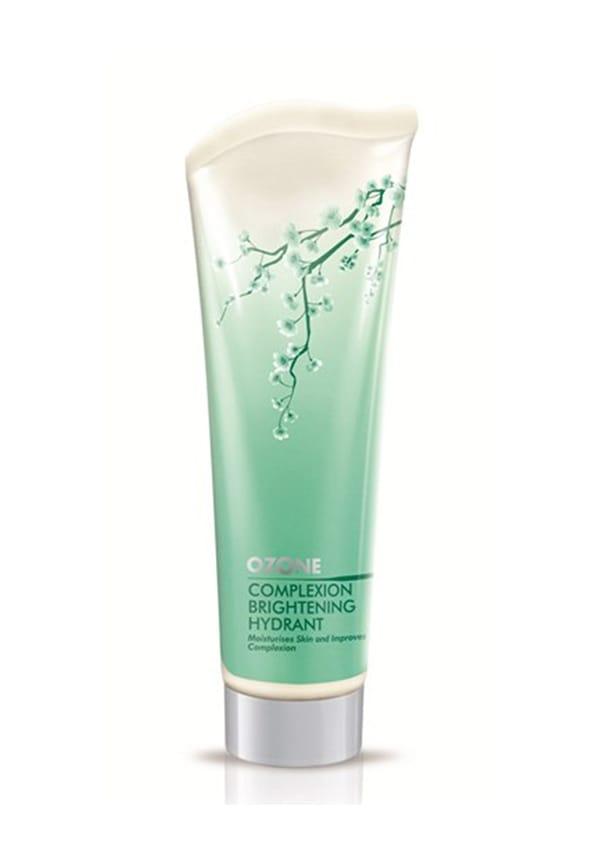
Complexion Brightening Hydrant
You've been drinking litres of water, slathering on moisturiser twice daily, yet your skin still feels tight and looks dull by afternoon. Sound familiar? If you're dealing with that frustrating combination of oily T-zone and flaky cheeks, or skin that drinks up products but never seems satisfied, you might be experiencing dehydration rather than simple dryness. Enter skin flooding — a hydration technique that's been quietly revolutionising skincare routines across India, especially for those battling our unique climate challenges.
Skin flooding is essentially the art of layering multiple lightweight, water-based products on slightly damp skin to create a moisture reservoir. Think of it as giving your skin a proper drink rather than just a quick sip. Unlike traditional moisturising where you apply one heavy cream and call it done, skin flooding involves building hydration in thin, absorbable layers.
The science behind this technique lies in how our skin barrier functions. When you apply products to damp skin, you're trapping that surface moisture whilst the layered hydrating ingredients work together to draw and hold water in your skin cells. Hyaluronic acid, for instance, can hold up to 1000 times its weight in water, but it needs moisture to grab onto. That's where the damp skin and multiple layers come into play.
What makes skin flooding different from your standard routine is the focus on water-based, lightweight formulations rather than heavy occlusives. You're essentially creating a moisture sandwich — water, hydrating serums, and then a light moisturiser to seal everything in. This approach works particularly well for dehydrated skin because it addresses the root issue: lack of water content in skin cells.
Living in India means your skin faces a unique set of challenges that can leave it chronically dehydrated. The combination of intense heat, high humidity during monsoons, and then sudden dry spells creates a constant state of confusion for your skin barrier. Add to this the pollution levels in most Indian cities, and you've got a recipe for compromised skin hydration.
Hard water is another major culprit that many don't consider. The high mineral content in water across most Indian cities can leave a film on your skin, making it harder for products to penetrate and for your natural moisture to stay put. Then there's the lifestyle factor — long hours in air-conditioned offices followed by commutes in dusty, polluted environments create a constant cycle of moisture loss.
It's worth understanding that dehydrated skin isn't the same as dry skin. Dry skin lacks oil production, whilst dehydrated skin lacks water content. You can have oily, dehydrated skin — something many Indians experience, especially during summer months. Your skin might produce excess oil to compensate for the lack of water, leading to that frustrating combination of shine and tightness.

Hyaluronic Acid Hydro Boosting Toner-Serum For Hydrating & Glowing Skin
Getting your skin flooding technique right starts with proper preparation. Begin with a gentle cleanser that won't strip your skin — think cream or gel cleansers rather than foaming ones that can leave your skin feeling tight. The key is to leave your skin slightly damp after cleansing, not bone dry.
Pat a hydrating toner or essence onto damp skin using your palms. Look for ingredients like glycerin, sodium hyaluronate, or niacinamide. This first layer should feel like you're giving your skin a drink of water, not applying a product.
Apply a hyaluronic acid serum whilst your skin is still damp from the toner. This is where the magic happens — the hyaluronic acid molecules grab onto the water from your previous layer and the environment, plumping up your skin cells. Use gentle patting motions rather than rubbing.
Finish with a lightweight, water-based moisturiser. For Indian climates, gel-based or water-cream formulations work beautifully. This final layer acts as a seal, preventing all that lovely hydration from evaporating into our often dry indoor environments.
The entire process should take about 5-10 minutes, allowing each layer to absorb before applying the next. Your skin should feel plump and bouncy, not sticky or heavy.
For those dealing with oily-dehydrated skin — a common concern in Indian climates — gel-based hydrating products work wonderfully. Look for water-light serums with hyaluronic acid and gel moisturisers that won't clog pores. Ingredients like niacinamide can help regulate oil production whilst providing hydration.
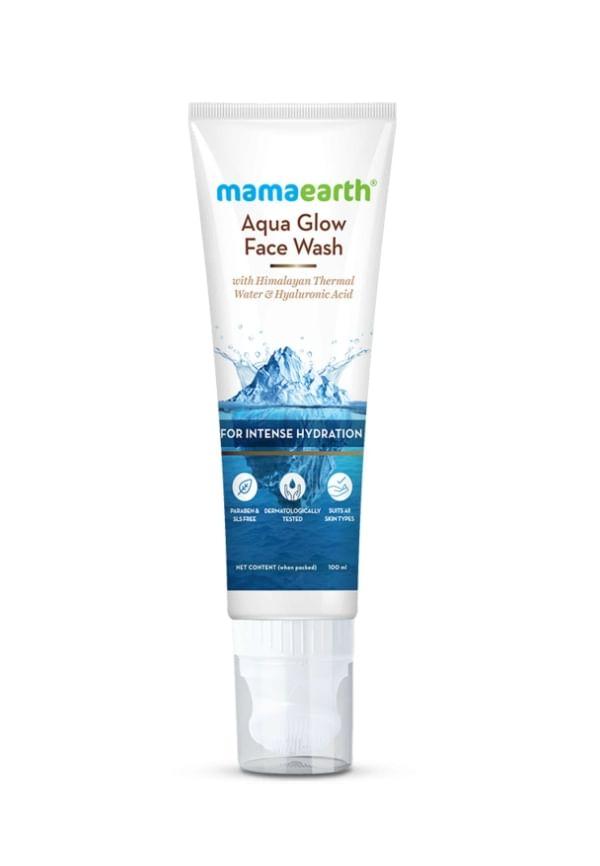
Aqua Glow Face Wash With Himalayan Thermal Water and Hyaluronic Acid
If you're dealing with dry-dehydrated skin, you'll want to incorporate products with ceramides and peptides alongside your hydrating layers. These help repair the skin barrier whilst the flooding technique addresses immediate hydration needs. Cream-based toners and slightly richer final moisturisers work well for this skin type.
For sensitive Indian skin, fragrance-free formulations are crucial. Many Indian brands now offer gentle hydrating products specifically formulated for our climate and skin concerns. Look for minimal ingredient lists with proven hydrators like glycerin, sodium hyaluronate, and allantoin.
Budget-friendly options are abundant in the Indian market. Many affordable brands offer excellent hydrating toners and serums that work perfectly for skin flooding. The technique isn't about expensive products — it's about proper layering and choosing the right textures for your skin type.
One of the biggest mistakes people make is over-layering products or using incompatible formulations. If you're using active ingredients like retinol or AHAs, introduce skin flooding gradually. Some actives can make your skin more sensitive, and flooding might initially feel overwhelming.
Product order matters enormously. Always go from thinnest to thickest consistency, and never apply a water-based product over an oil-based one — it simply won't penetrate. Also, don't rush between layers. Each product needs time to absorb properly, especially in humid Indian climates where products can sit on the surface longer.
Climate-specific adjustments are crucial for Indian skin. During monsoon season, you might need fewer layers as humidity levels are naturally higher. In winter or in air-conditioned environments, you might need an extra hydrating layer or a slightly more occlusive final moisturiser.
Skin flooding is excellent for dry skin, but it works differently than you might expect. Rather than just adding moisture on top, it helps your skin cells actually hold onto water more effectively. The layering technique ensures that hydration penetrates deeper rather than just sitting on the surface. For very dry skin, you might want to add a facial oil as your final layer to really lock in all that hydration, especially during Indian winters when the air becomes quite dry.
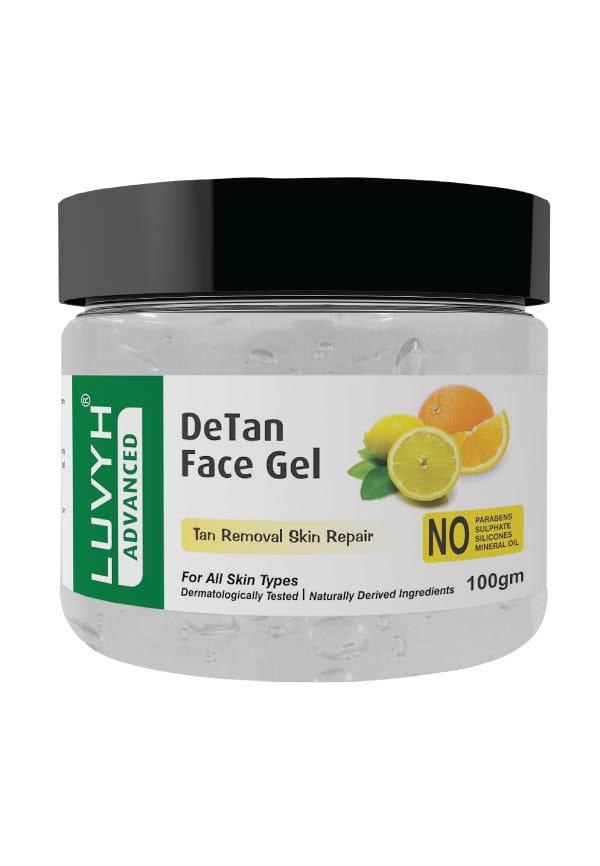
DeTan Face Massage Gel Skin Brightening Ubtan Face Gel For Glowing Skin
While skin flooding provides relatively quick results, true hydration repair takes time. You can speed up the process by drinking plenty of water, using a humidifier in air-conditioned rooms, and being consistent with your flooding routine. Natural ingredients like aloe vera gel can be incorporated into your flooding layers, and rose water makes an excellent hydrating toner. However, avoid the temptation to over-exfoliate dehydrated skin — it needs gentle care, not aggressive treatment.
Traditional Indian remedies like malai (milk cream), honey, and rose water have been used for centuries to address dry skin. These ingredients can actually be incorporated into modern skin flooding routines. Rose water works beautifully as a hydrating toner, whilst honey can be mixed into masks for intensive hydration. The key is understanding that traditional remedies often focused on oil-based hydration, whilst skin flooding addresses water-based hydration — both are valuable for different aspects of skin health.
Absolutely! Many people with oily skin actually have dehydrated skin underneath all that oil production. When your skin lacks water, it often overcompensates by producing more oil. Skin flooding with lightweight, gel-based products can help balance this cycle. The key is choosing the right textures — water-based serums and gel moisturisers rather than cream-based products. You might find that proper hydration actually reduces your skin's oil production over time.
Most people notice immediate plumping and a more dewy appearance after their first skin flooding session. However, for lasting improvements in skin hydration and barrier function, expect to see significant changes after 2-4 weeks of consistent practice. Indian skin, especially if it's been dealing with chronic dehydration from climate and lifestyle factors, might take a bit longer to fully repair its moisture barrier. Be patient and consistent — your skin will thank you for it.
Skin flooding isn't just another skincare trend — it's a practical solution for the unique hydration challenges that Indian skin faces daily. Whether you're dealing with the drying effects of air conditioning, the dehydrating impact of pollution, or simply trying to maintain healthy skin in our varied climate, this technique offers a gentle, effective approach to skin barrier repair and lasting hydration.
The beauty of skin flooding lies in its adaptability. You can customise your layers based on your skin's daily needs, the season, and your budget. What matters most is consistency and choosing products that work well together. Remember, the goal isn't to use the most expensive products — it's to create a routine that your skin can drink up and benefit from long-term.
For those curious about trying different hydrating products before committing to full sizes, platforms like Smytten offer an excellent way to test various serums, toners, and moisturisers from trusted brands. With access to mini versions of products from over 2,400 brands, you can experiment with different combinations to find your perfect skin flooding routine without the investment risk. It's a smart approach for building a personalised routine that truly works for your unique skin needs.
