Skin Cycling Routine Explained: Your FAQ Guide


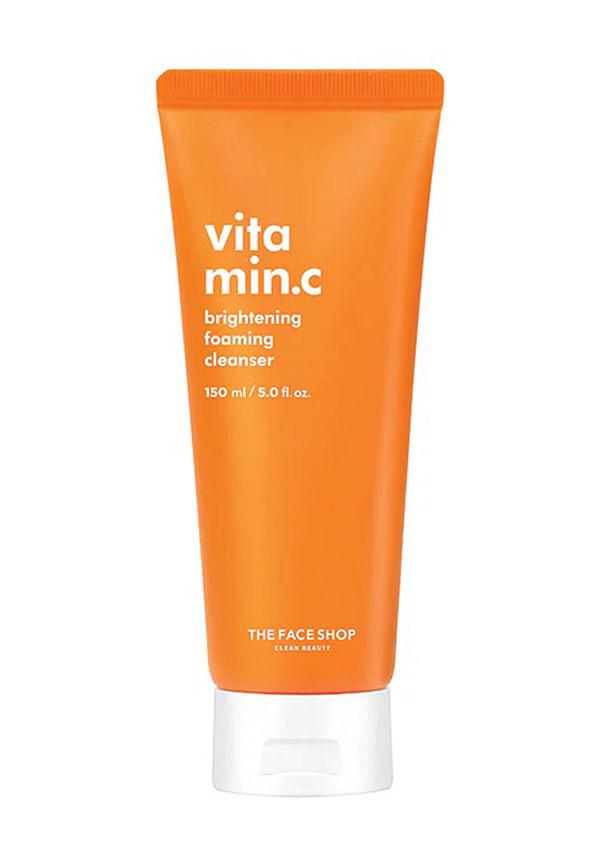
Vitamin C Brightening Foaming Face Wash With Niacinamide
If you've been scrolling through skincare TikTok lately, you've probably stumbled across the term "skin cycling" more times than you can count. This dermatologist-approved method has taken the skincare world by storm, promising better results with less irritation. But what exactly is skin cycling, and why are skincare enthusiasts raving about it? Unlike traditional routines where you pile on actives every night, skin cycling follows a strategic 4-night rotation that gives your skin time to breathe, recover, and actually benefit from those powerful ingredients you've been using. Whether you're dealing with post-summer breakouts, stubborn hyperpigmentation, or simply want to optimise your routine without the guesswork, understanding how skin cycling works could be the game-changer your skin has been waiting for. At Smytten, we've seen countless users discover their perfect skincare rhythm through trial packs, and skin cycling might just be the structured approach that finally makes sense of your routine.
Skin cycling is a 4-night rotation: exfoliation night, retinoid night, then two recovery nights
This method reduces irritation while maximising the benefits of active ingredients like retinol and AHAs
Recovery nights focus on hydration and barrier repair with gentle, nourishing products
Results typically show within 4-6 weeks, with improved skin texture and reduced sensitivity
The routine can be customised for different skin types and concerns
Skin cycling is a structured skincare approach developed by dermatologist Dr. Whitney Bowe that follows a specific 4-night rotation cycle. Unlike traditional routines where you might use multiple actives daily, skin cycling strategically spaces out powerful ingredients to prevent over-exfoliation and irritation.
The method works on a simple principle: alternate between using active ingredients and allowing your skin to recover. This approach recognises that your skin barrier needs time to repair itself between treatments with potent ingredients like retinoids and chemical exfoliants.
The beauty of skin cycling lies in its respect for your skin's natural healing process. When you bombard your skin with actives every night, you risk compromising your barrier function, leading to redness, peeling, and increased sensitivity.
Traditional skincare often encourages daily use of actives, which can overwhelm your skin. Skin cycling creates a structured framework that maximises efficacy while minimising irritation, making it particularly beneficial for those new to actives or with sensitive skin.
The skin cycling schedule follows a precise 4-night pattern that repeats weekly. Each night has a specific purpose, and consistency is key to seeing results.
Here's your complete guide to mastering the skin cycling routine:
Start your cycle with chemical exfoliation using AHAs like glycolic acid or BHAs like salicylic acid. After cleansing, apply your chosen exfoliant and follow with a gentle moisturiser. Skip any other actives this night.
This is when you introduce retinol or prescription retinoids. Apply to clean, dry skin and wait 20-30 minutes before moisturising. If you're new to retinoids, start with a lower concentration and gradually increase.
These two nights focus entirely on hydration and barrier repair. Use gentle, nourishing ingredients like niacinamide, hyaluronic acid, and ceramides. Think of these as your skin's healing period.
After night 4, you return to night 1 and repeat the cycle. Consistency is crucial – stick to the schedule for at least 4-6 weeks to see meaningful results.
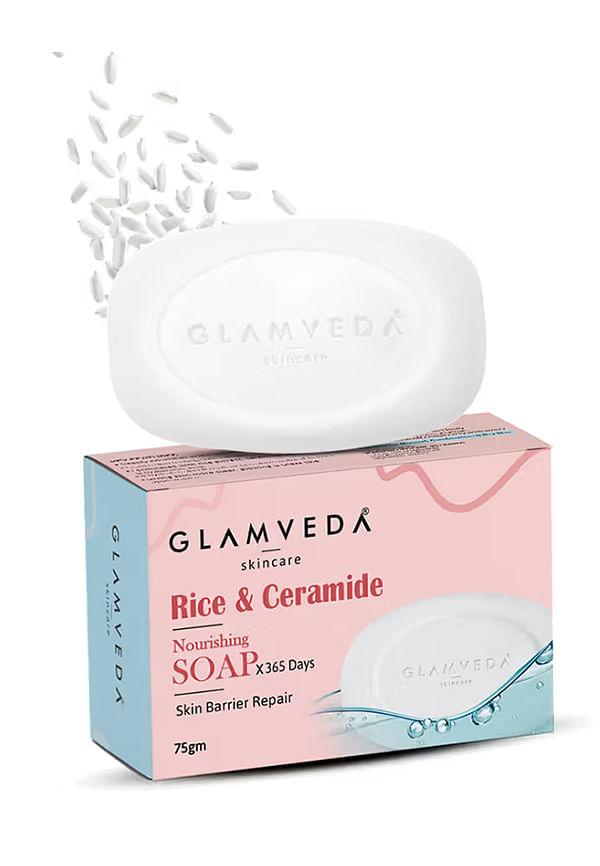
Rice & Ceramide Skin Brightening Soap with Hyaluronic acid
Building an effective skin cycling routine doesn't require a bathroom cabinet full of products. Focus on quality over quantity, choosing products that work well for your specific skin type and concerns.
Here's what you'll need for each phase of your cycle:
For oily or acne-prone skin, salicylic acid (BHA) penetrates pores and helps with congestion. Dry or mature skin benefits more from glycolic acid (AHA), which smooths texture and brightens. Start with 2% salicylic acid or 5% glycolic acid if you're a beginner.
Over-the-counter retinol is perfect for beginners, whilst those with experience might prefer prescription tretinoin. Start with 0.25% retinol and gradually increase concentration as your skin builds tolerance.
Focus on ceramide-rich moisturisers, niacinamide serums for pore refinement, and hyaluronic acid for hydration. These ingredients support barrier repair and prepare your skin for the next active night.
Never mix retinoids with exfoliating acids on the same night. Always apply products from thinnest to thickest consistency, and remember that less is often more when it comes to active ingredients.
The structured approach of skin cycling offers several advantages over traditional daily active use. Understanding these benefits helps explain why this method has gained such popularity among skincare enthusiasts and dermatologists alike.
Real talk – the benefits extend far beyond just preventing irritation, though that's certainly a major plus.
By incorporating recovery nights, you give your skin barrier time to repair itself between active treatments. This prevents the over-exfoliation that often leads to redness, peeling, and increased sensitivity.
When your skin isn't constantly irritated, it can better absorb and utilise active ingredients. The strategic spacing prevents ingredient conflicts and allows each product to work optimally.
No more wondering which products to use when – skin cycling eliminates decision fatigue by providing a clear schedule. This structure also tends to be more cost-effective as you're not layering multiple expensive actives nightly.
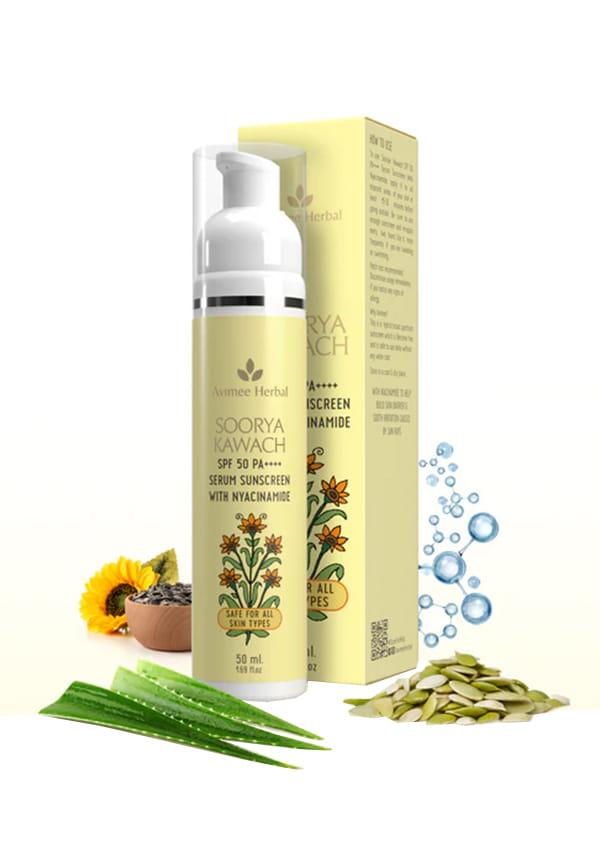
Soorya Kawach Sunscreen with Niacinamide
Most people notice improvements in skin texture and reduced sensitivity within 4-6 weeks. Long-term benefits include better tolerance to actives, improved skin barrier function, and more consistent results.
Whilst the basic 4-night framework remains consistent, you can adapt skin cycling to address your specific skin concerns and sensitivities. The key is understanding what modifications work best for your skin type.
Here's how to tailor the routine to your needs:
Focus on BHA exfoliants like salicylic acid for your exfoliation nights, as they penetrate pores more effectively. Choose oil-free, non-comedogenic products for recovery nights, and consider incorporating niacinamide to help regulate sebum production.
Start with gentler concentrations and consider extending your cycle to 5-7 days if needed. Use cream-based products rather than gels, and prioritise hydrating ingredients like hyaluronic acid and ceramides during recovery nights.
You might benefit from higher retinoid concentrations once your skin builds tolerance. Consider adding peptides or vitamin C to your morning routine to complement the anti-ageing effects of your evening cycle.
Apply different products to different areas of your face as needed. You might use BHA on your T-zone and AHA on drier areas, adjusting product application based on each zone's specific needs.
Even with the best intentions, it's easy to make mistakes when starting skin cycling. Understanding common pitfalls helps you avoid setbacks and achieve better results more quickly.
Here are the most frequent mistakes we see and how to avoid them:
Your skin may go through a purging phase, especially if you're new to retinoids. This temporary increase in breakouts is normal and typically resolves within 2-4 weeks. However, persistent irritation, burning, or worsening skin condition indicates you need to adjust your routine.
Signs of over-exfoliation include persistent redness, stinging when applying products, and increased sensitivity to sunlight. If you experience these symptoms, extend your recovery period or reduce the concentration of your actives.
Never combine retinoids with exfoliating acids on the same night. Also, be mindful of your morning routine – vitamin C can be used alongside skin cycling but should be applied in the morning, not during your evening cycle.
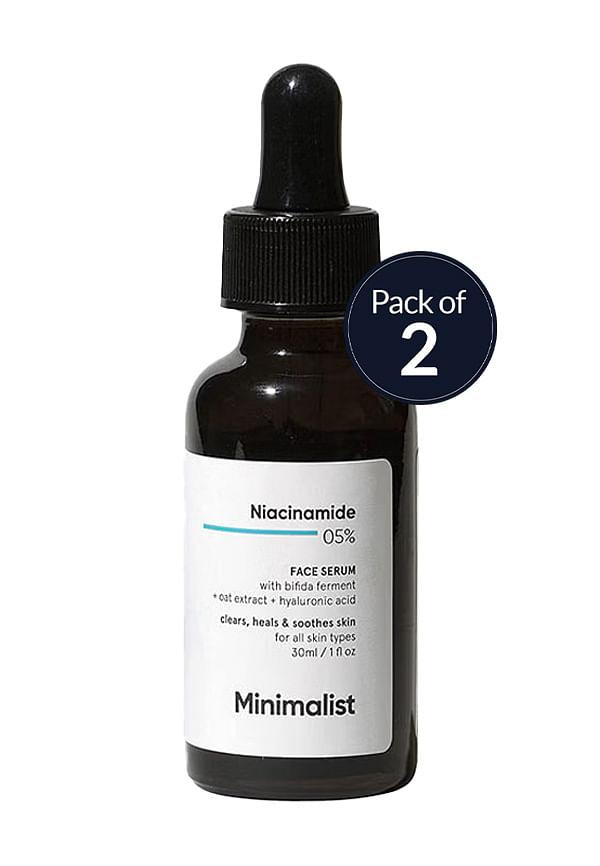
5% Niacinamide Face Serum For Glowing & Clear Skin With 1% Hyaluronic Acid
Recovery nights aren't optional – they're essential for barrier repair and preventing irritation. Skipping these nights often leads to compromised skin barrier function and reduced tolerance to actives over time.
The standard skin cycling routine follows a 4-night cycle: exfoliation night, retinoid night, and two recovery nights. However, sensitive skin types might benefit from extending this to 5-7 days, particularly when starting out. The key is maintaining the ratio of active nights to recovery nights.
Start with gentle concentrations: 2% salicylic acid or 5% glycolic acid for exfoliation night, 0.25% retinol for retinoid night, and focus on hydrating, barrier-supporting ingredients during recovery nights. Always introduce one new product at a time and patch test before full application.
Yes, but use vitamin C in your morning routine, not during your evening skin cycling schedule. Vitamin C pairs well with SPF during the day and won't interfere with your nighttime active ingredients when used separately.
Most people notice initial improvements in skin texture and reduced sensitivity within 4-6 weeks of consistent skin cycling. More significant changes in hyperpigmentation, fine lines, and overall skin quality typically become apparent after 8-12 weeks of regular use.
Absolutely. Sensitive skin types should start with lower concentrations, extend recovery periods to 3-4 nights instead of 2, and choose fragrance-free, gentle formulations. You can also try skin cycling every other week initially to build tolerance gradually.
If you miss a night, simply continue with the next scheduled step rather than trying to make up for lost time. Consistency matters more than perfection, and doubling up on actives can lead to irritation. When you're ready to try new products for your skin cycling routine, Smytten's trial packs let you test different formulations before committing to full sizes.
Skin cycling can be adapted for different age groups, but teenagers should focus on gentler formulations and may not need retinoids initially. Adults can use the full range of actives, whilst mature skin might benefit from higher concentrations once tolerance is established.
Skin cycling offers a structured, science-backed approach to using active ingredients that maximises benefits whilst minimising irritation. The 4-night rotation of exfoliation, retinoids, and recovery creates an optimal environment for skin improvement without overwhelming your barrier function.
Success with skin cycling comes down to consistency, patience, and choosing the right products for your skin type. Start with gentle concentrations, respect the recovery nights, and give your skin at least 4-6 weeks to show meaningful results. Remember that this method is about working with your skin's natural healing process, not against it.
The beauty of skin cycling lies in its adaptability – whether you're dealing with acne, hyperpigmentation, or signs of ageing, this framework can be customised to address your specific concerns whilst maintaining skin health.
Finding the right products for your skin cycling routine doesn't have to involve expensive trial and error. Smytten is India's largest product discovery and trial platform, connecting consumers with top lifestyle, beauty, wellness, and grooming brands through curated trial packs from over 2,400 trusted brands such as Cetaphil, Dot & Key, WishCare, and Bella Vita. With trial packs available for just ₹279 for up to 10 Trial Points, plus 100% cashback on these minis redeemable for future orders, you can explore different exfoliants, retinoids, and recovery products before committing to full sizes. This try before you buy approach is particularly valuable when building a skin cycling routine, as finding the right product concentrations and formulations for your skin type is crucial for success. With over 28 million users and authentic brand-verified minis delivered across 90% pincode coverage, Smytten helps you make smarter, more confident skincare choices. After all, why settle for 'maybe' when you can #TryItAll!
