Skin Brightening in India: Your Complete Guide

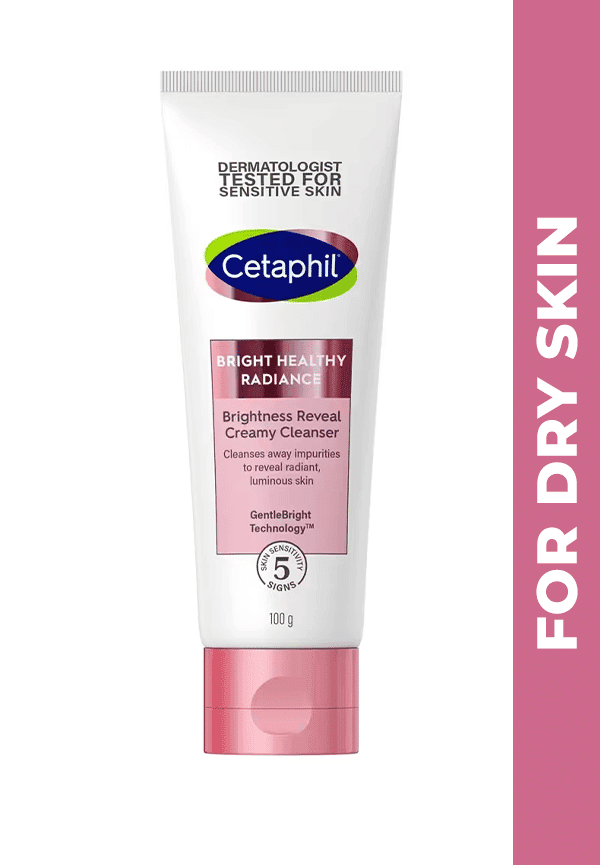
Bright Healthy Radiance Reveal Creamy Cleanser
Cetaphil does its job
 5
5“it's Cetaphil!! like always it does its job...”
Cetaphil does its job
5“it's Cetaphil!! like always it does its job...”
Good Product, Love It
5“it's a good cleanser i really love the product”
Let's be real—achieving that perfect glow isn't just about slapping on expensive creams and hoping for the best. In India, where we deal with intense sun, pollution, and humidity, getting radiant skin requires a proper game plan. Whether you're battling stubborn dark spots, uneven skin tone, or just want that natural luminosity, this guide covers everything from time-tested home remedies to modern skincare science. We'll explore what actually works for Indian skin, debunk some myths, and help you build a routine that fits your lifestyle and budget.
Here's something that might surprise you—skin brightening and skin whitening aren't the same thing, though many people use these terms interchangeably. Skin brightening focuses on evening out your skin tone, reducing dark spots, and bringing back your natural radiance. It's about working with your skin's natural colour, not against it. Skin whitening, on the other hand, aims to lighten your overall complexion by reducing melanin production. This approach can be harsh and potentially harmful, especially for Indian skin tones that naturally have more melanin for sun protection.
Indian skin typically has higher melanin content, which is actually a blessing—it provides natural UV protection. When you focus on brightening rather than whitening, you're enhancing your skin's natural beauty whilst addressing specific concerns like hyperpigmentation and dullness.
Melanin production increases when your skin is exposed to UV rays, inflammation, or hormonal changes. This is your skin's protective mechanism, but sometimes it goes into overdrive, creating those pesky dark spots and uneven patches.
Living in India comes with unique skincare challenges that our international counterparts might not fully understand. The combination of intense UV radiation, high humidity, and urban pollution creates a perfect storm for skin issues.
The Indian climate varies dramatically across regions, but most of us deal with high humidity and strong sun exposure. This combination can lead to: • Increased oil production and clogged pores • Faster melanin production causing dark spots • Dehydration despite the humid environment • Heat rash and inflammation
If you live in cities like Delhi, Mumbai, or Bangalore, you're probably familiar with the daily battle against pollution. These environmental aggressors cause: • Free radical damage leading to premature ageing • Clogged pores from particulate matter • Increased inflammation and sensitivity • Dull, tired-looking skin
Many Indian women experience melasma, especially during pregnancy or whilst using hormonal contraceptives. This creates symmetrical dark patches, typically on the forehead, cheeks, and upper lip area.
Your kitchen is basically a treasure trove of natural skin brighteners that have been used for generations. These skin brightening home remedies are gentle, affordable, and surprisingly effective when used consistently.
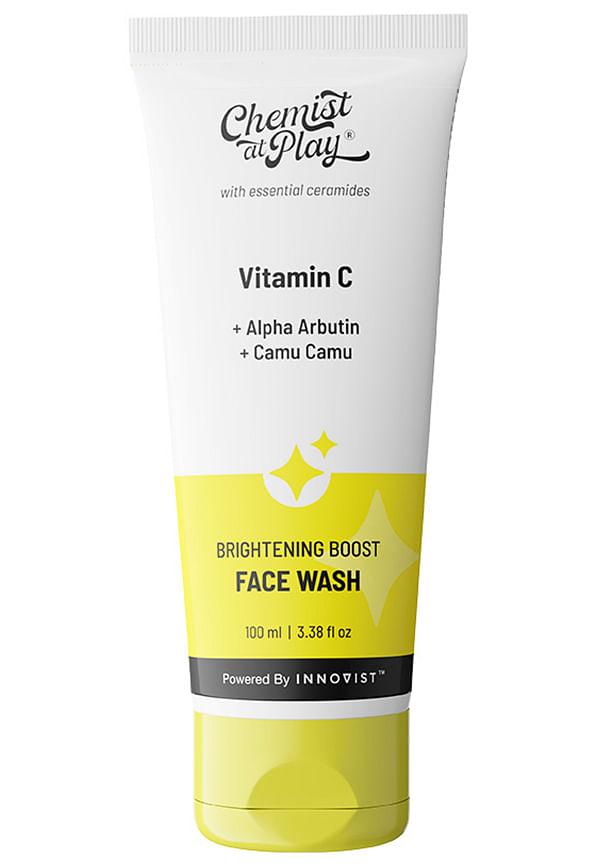
Brightening Boost Face Wash | Brightens & Gives Radiance
Early Positive Result
5“Just started using it and can already see the result.”
Early Positive Result
5“Just started using it and can already see the result.”
Brightening and Hydrating Face Wash
5“it's very brightening face wash it feels very soft and hydrated”
Turmeric isn't just for your dal—it's been a skincare superstar for centuries. Its anti-inflammatory and antioxidant properties make it perfect for brightening skin naturally. • Classic turmeric and milk pack: Mix a pinch of turmeric with raw milk to create a paste. Apply for 15 minutes before rinsing off. • Turmeric with honey and lemon: Combine equal parts turmeric, honey, and a few drops of lemon juice for a brightening mask.
Citrus fruits are packed with vitamin C, a proven skin brightener. However, use them carefully—they can make your skin photosensitive. • Lemon juice applications: Dilute fresh lemon juice with water and apply to dark spots. Always use at night and follow with sunscreen the next day. • Orange peel powder: Dry orange peels, grind them into powder, and mix with yoghurt for a gentle exfoliating mask.
Besan is brilliant for gentle exfoliation and oil control, making it perfect for Indian skin types. • Besan with yoghurt and turmeric: This classic combination cleanses, exfoliates, and brightens in one go. • Chickpea flour scrubs: Mix besan with rose water for a gentle daily cleanser that won't strip your skin.
Ayurvedic skin brightening approaches skincare holistically, considering your overall health and constitution. This ancient system offers some seriously effective solutions that modern science is finally catching up with.
These herbs have been used for centuries and are now backed by scientific research: • Manjistha: Known as the "blood purifier," it helps clear skin from within and reduces pigmentation. • Neem: Antibacterial and anti-inflammatory, perfect for acne-prone skin that's dealing with post-inflammatory hyperpigmentation. • Sandalwood: Cooling and soothing, it helps calm inflammation whilst providing a natural glow.
Ayurveda categorises skin into three types based on your dosha: • Vata skin: Tends to be dry and thin, needs nourishing treatments • Pitta skin: Often sensitive and prone to inflammation, benefits from cooling ingredients • Kapha skin: Usually oily and thick, responds well to detoxifying treatments
Ubtan is basically the original face mask. Here are some tried-and-tested combinations: • For dry skin: Besan, oats, milk powder, and rose water • For oily skin: Besan, neem powder, turmeric, and yoghurt • For sensitive skin: Oats, sandalwood powder, and milk
Creating a skincare routine for glowing skin doesn't have to be complicated or expensive. The key is consistency and choosing products that work well together.
Your morning routine should focus on protection and preparation for the day ahead: • Gentle cleansing: Use a mild cleanser that won't strip your skin's natural oils • Vitamin C serum: This antioxidant powerhouse protects against environmental damage whilst brightening skin • Moisturiser: Even oily skin needs hydration—choose a lightweight, non-comedogenic formula • Sunscreen: Non-negotiable! Use at least SPF 30, and reapply every 3-4 hours
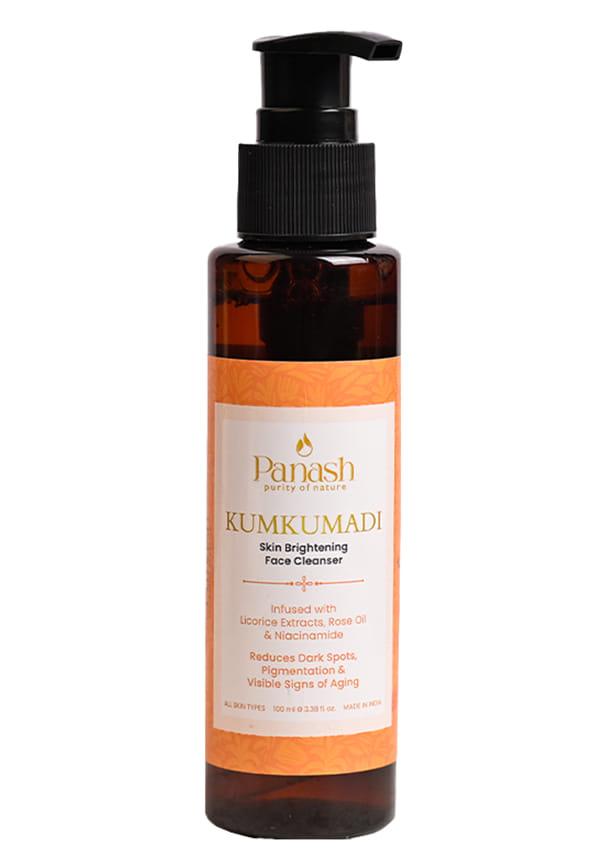
Kumkumadi Skin Brightening Face Cleanser
Night-time is when your skin repairs itself, so this is when you can use more active ingredients: • Double cleansing: Start with an oil cleanser to remove makeup and sunscreen, followed by a water-based cleanser • Exfoliation: Use a gentle chemical exfoliant 2-3 times weekly to remove dead skin cells • Treatment serums: This is when you can use ingredients like niacinamide, alpha arbutin, or retinoids • Night moisturiser: Choose something richer than your morning moisturiser to support overnight repair
Once or twice a week, give your skin some extra love: • Face masks targeting your specific concerns • Gentle physical exfoliation with a scrub • Professional treatments like facials or chemical peels (if needed)
Whilst home remedies are fantastic, sometimes you need the concentrated power of scientifically-proven ingredients. Here's what to look for in the best skin brightening products.
These ingredients have solid research backing their effectiveness: • Vitamin C: The gold standard for brightening. Look for L-ascorbic acid or stable derivatives like magnesium ascorbyl phosphate • Niacinamide: Also known as vitamin B3, it reduces hyperpigmentation and controls oil production • Alpha arbutin: A gentle alternative to hydroquinone that inhibits melanin production • Kojic acid: Derived from fungi, it's effective for treating dark spots and melasma
Different product types deliver ingredients in different ways: • Serums: Highly concentrated, fast-absorbing, perfect for targeted treatment • Creams: Provide hydration along with active ingredients, good for dry skin • Treatments: Spot treatments for specific areas of hyperpigmentation
Some ingredients don't play well together and can cause irritation: • Vitamin C with retinoids (use at different times) • Multiple acids at once (start slowly and build tolerance) • Benzoyl peroxide with retinoids (can be too drying) With so many options available, finding the right products can feel overwhelming. This is where platforms like Smytten come in handy—you can try mini versions of products from trusted brands before committing to full sizes, making it easier to find what works for your skin without the financial risk.
Skincare products are just one part of the equation. How to get glowing skin naturally involves looking at your overall lifestyle and making some simple but effective changes.
What you eat directly impacts your skin's health and appearance: • Antioxidant-rich foods: Include berries, green tea, turmeric, and leafy greens in your diet • Hydration: Aim for 8-10 glasses of water daily, more if you're active or live in a hot climate • Omega-3 fatty acids: Found in fish, walnuts, and flaxseeds, these help maintain skin barrier function • Limit sugar and processed foods: These can trigger inflammation and worsen skin conditions
Your skin literally repairs itself whilst you sleep, making quality rest crucial for skin health: • Aim for 7-8 hours of sleep nightly • Use a silk or satin pillowcase to reduce friction • Practice stress-reduction techniques like meditation or yoga • Consider a humidifier if you live in a dry climate
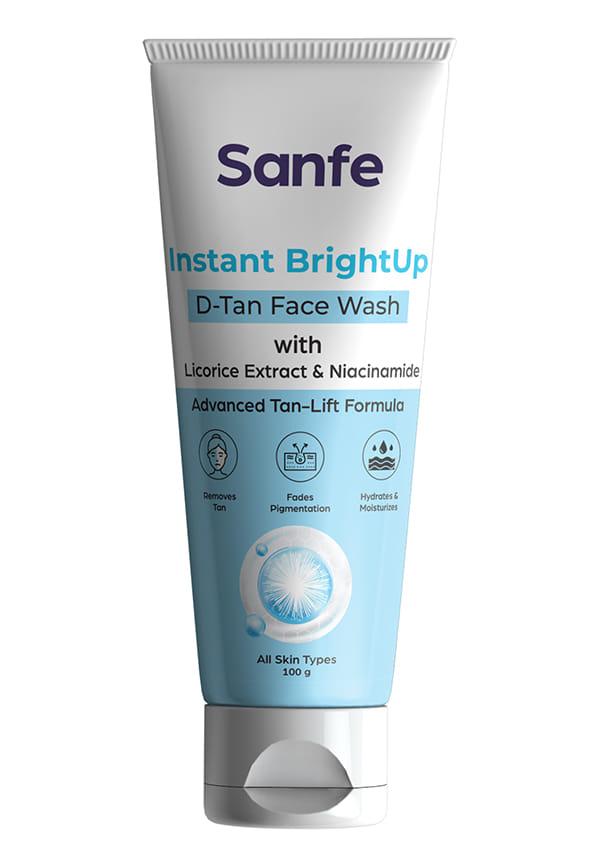
Instant BrightUp D-Tan Face Wash
Good Product, Fast Shipping
5“good protect very fast shipping”
Good Product, Fast Shipping
5“good protect very fast shipping”
Good Product, Fast Shipping
5“good protect very fast shipping”
Regular exercise improves blood circulation, delivering oxygen and nutrients to your skin cells. Just remember to: • Cleanse your face after sweating • Use a clean towel to pat your face dry • Shower promptly after working out to prevent clogged pores
Most people start seeing improvements in 4-6 weeks with consistent use of brightening products. However, deeper pigmentation issues like melasma may take 3-6 months to show significant improvement. Home remedies typically take longer than concentrated skincare products.
Yes, when done correctly. Focus on brightening rather than whitening, and always patch test new products. Avoid harsh ingredients like hydroquinone without dermatological supervision, especially if you have darker skin tones.
It's possible, but start slowly. Begin with one active ingredient and gradually introduce others. Some combinations work well together (like vitamin C and niacinamide), whilst others should be used at different times (like vitamin C in the morning and retinoids at night).
Brightening products specifically target pigmentation and uneven skin tone, whilst anti-ageing products focus on fine lines, wrinkles, and skin firmness. Many ingredients overlap—vitamin C, for example, is both brightening and anti-ageing.
Sunscreen is absolutely crucial when using any brightening treatment. Many brightening ingredients can make your skin more photosensitive. Use broad-spectrum SPF 30 or higher daily, and reapply every few hours when outdoors.
Not necessarily. Many home remedies are genuinely effective and have been used for generations. However, commercial products often contain concentrated, stabilised versions of active ingredients that may work faster. The best approach is often a combination of both.
Consult a dermatologist if you have severe melasma, sudden changes in pigmentation, or if over-the-counter treatments haven't worked after 3 months of consistent use. They can prescribe stronger treatments or rule out underlying conditions.
Achieving radiant, even-toned skin is definitely possible with the right approach and patience. Whether you prefer natural home remedies, modern skincare products, or a combination of both, consistency is key. Remember that skin brightening is a gradual process—there's no overnight miracle, but with dedication, you'll start seeing improvements. The beauty of having so many options is that you can find an approach that fits your budget, lifestyle, and skin type. From turmeric masks passed down through generations to cutting-edge vitamin C serums, there's something for everyone. Smytten makes this journey even easier by letting you try products from over 1,500 trusted brands through curated trial packs, so you can discover what works for your unique skin without the commitment of full-size purchases. With over 25 million users finding their perfect skincare matches, you're in good company on this journey to healthier, more radiant skin.
