Skin Barrier Repair Balm for Compromised Skin FAQ


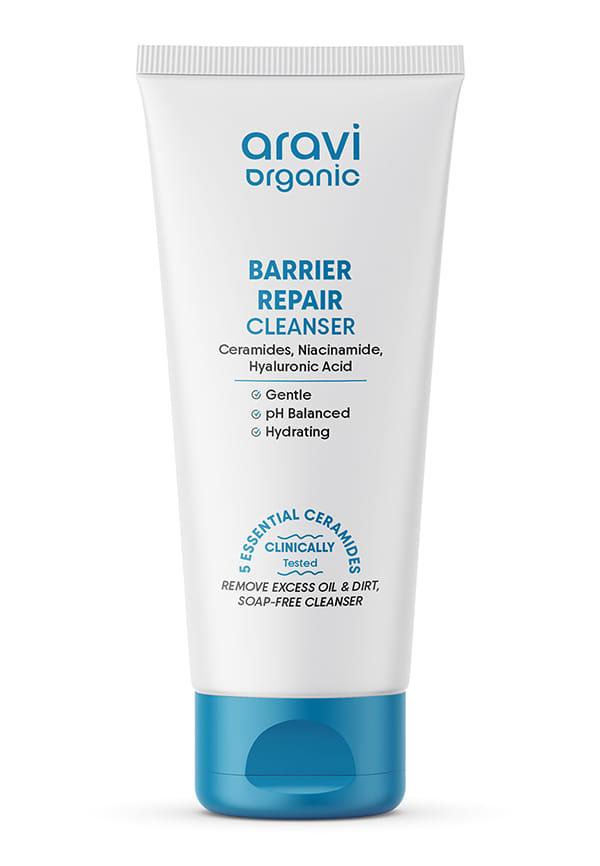
Hydrating Barrier Repair Face Wash - With Ceramide & Niacinamide
When your skin feels tight, looks red, and reacts to everything you put on it, you're likely dealing with a compromised skin barrier. Smytten's trial platform allows you to test barrier repair products before purchasing, helping you find the right solution for your skin's needs. This protective layer—your skin's first line of defence—can become damaged from over-exfoliation, harsh weather, or simply using the wrong products. The good news? A quality skin barrier repair balm for compromised skin can help restore your skin's natural protective function, bringing back that comfortable, healthy feeling you've been missing.
Whether you're dealing with eczema flare-ups, post-breakout sensitivity, or that raw feeling after trying too many actives, finding the right healing balm for damaged skin becomes essential. But with so many options promising barrier repair, how do you know what actually works? From understanding which ingredients to look for to knowing when you'll see results, we've gathered the most common questions about skin barrier repair balms to help you make informed choices for your skin's recovery journey.
TL;DR
A compromised skin barrier shows signs like persistent dryness, increased sensitivity, redness, and frequent reactions to products
Effective barrier repair balms contain ceramides, niacinamide, hyaluronic acid, and gentle occlusives to restore skin's protective function
Recovery typically takes 2-4 weeks with consistent use, though initial comfort improvements may appear within days
Choose formulations based on your specific skin type—lightweight for oily skin, richer textures for dry or eczema-prone skin
Avoid harsh actives, fragrances, and over-cleansing during the repair phase to prevent further damage
Your skin barrier is like a brick wall—lipids act as the mortar between skin cells (the bricks), keeping moisture in and irritants out. When this barrier becomes compromised, it can't perform its protective function properly, leaving your skin vulnerable and uncomfortable.
Recognising a damaged barrier is the first step towards healing. Here are the telltale signs:
Persistent dryness and flakiness that doesn't improve with regular moisturising
Increased sensitivity to products you've used before without issues
Redness and irritation that appears without obvious triggers
Rough, uneven texture that feels different from your normal skin
Frequent breakouts or reactions to new products
Stinging sensation when applying even gentle products
A quality barrier repair cream works through multiple mechanisms to restore your skin's protective function. The occlusive ingredients create a protective seal on the skin's surface, preventing further moisture loss whilst allowing the barrier to heal underneath. Meanwhile, humectant ingredients draw moisture from the environment into the skin, and emollient ingredients smooth and soften the skin's surface.
The most effective formulations also include barrier-building ingredients like ceramides and fatty acids that actually help rebuild the skin's natural lipid structure. This isn't just about temporary relief—it's about restoring your skin's ability to protect itself long-term.
Not all barrier repair products are created equal. The most effective healing balm for damaged skin contains specific ingredients that work together to restore your skin's protective function.
Ceramides are naturally occurring lipids that make up about 50% of your skin's barrier. When this barrier is compromised, ceramide levels drop significantly. Look for products containing multiple types of ceramides—particularly ceramide NP, AP, and EOP—as these work together to rebuild the lipid matrix.
The most effective concentrations range from 0.3% to 2%, though the specific ratio matters more than the total percentage. Products like the Dot & Key Blueberry Hydrate Barrier Repair Intense Moisturizer contain five different ceramides plus squalane, providing comprehensive barrier restoration for severely compromised skin.
Whilst ceramides form the foundation, other ingredients enhance the repair process:
Niacinamide: This versatile ingredient reduces inflammation whilst strengthening the barrier. It's particularly beneficial for sensitive skin balm formulations as it's well-tolerated even by reactive skin types.
Hyaluronic Acid: Provides deep hydration by holding up to 1000 times its weight in water, helping to plump and smooth compromised skin.
Glycerin: A powerful humectant that draws moisture into the skin and helps maintain hydration levels.
Panthenol (Pro-Vitamin B5): Offers soothing and healing benefits, particularly useful for irritated or inflamed skin.
Fatty Acids: Help restore the skin's natural lipid composition and improve barrier function.
When your barrier is damaged, certain ingredients can worsen the condition:
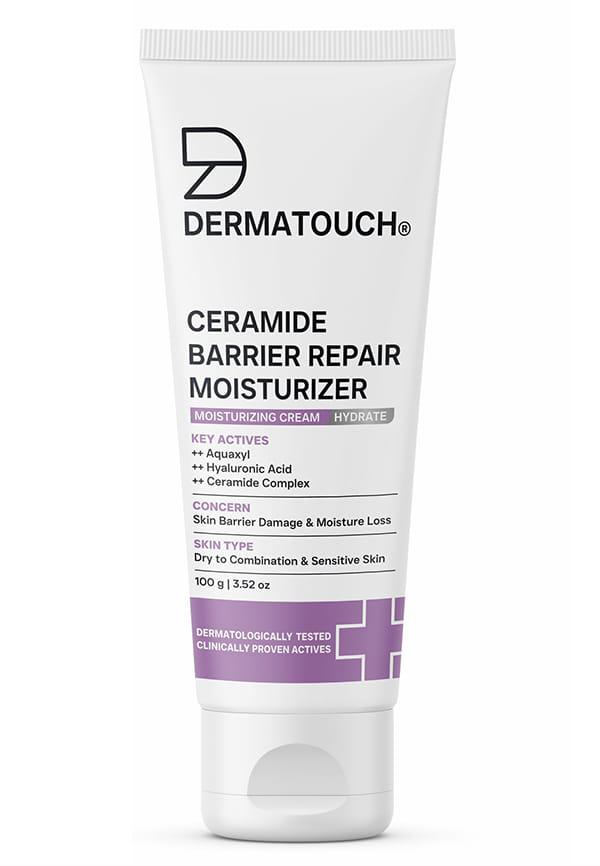
Ceramide Barrier Repair Moisturizer
Harsh actives like high-concentration AHAs, BHAs, or retinoids
Fragrances and essential oils that can trigger sensitivity reactions
Alcohol-based formulations that can further dry and irritate compromised skin
Physical scrubs or rough textures that can cause micro-tears
The best restorative skin balm for your needs depends on your specific skin type and the severity of barrier damage. Here's how to match your skin's requirements with the right formulation.
If your skin reacts to most products, opt for minimal ingredient formulations with proven gentle actives. The Minimalist Ceramides 0.3% Moisturizer with Madecassoside combines barrier repair with anti-inflammatory benefits, making it ideal for reactive skin types.
Always patch test new products on a small area before full application, and introduce new products gradually—start with every other day and increase frequency as your skin tolerates it.
Eczema balm formulations need to be particularly gentle yet effective. Look for products specifically designed for atopic skin, such as the Bioderma Atoderm Intensive Gel Creme, which provides anti-itch relief alongside barrier repair.
For eczema-prone skin, apply your barrier repair cream twice daily—once in the morning and once at night. During flare-ups, you may need to reapply throughout the day, particularly after washing your hands or face.
When dealing with severe dryness, you need a dry skin relief balm with heavy occlusive properties. The Cetaphil Moisturising Cream offers clinically proven barrier restoration and can be used on both face and body for comprehensive care.
For overnight treatment, apply a thicker layer of your chosen balm as the final step in your routine. This creates an occlusive seal that allows maximum healing whilst you sleep.
Healing a compromised barrier requires a systematic approach. This soothing balm for irritation protocol focuses on gentle care whilst supporting your skin's natural repair processes.
Follow this simple routine morning and evening for optimal results:
Gentle Cleansing: Use a pH-balanced, non-stripping cleanser. Avoid hot water and pat skin dry rather than rubbing.
Treatment Application: Apply your skin recovery balm to slightly damp skin for better absorption and hydration.
Moisture Sealing: If needed, layer a heavier occlusive over your treatment balm to lock in moisture.
Sun Protection: Always finish with broad-spectrum SPF during the day to prevent further barrier damage.
Understanding what to expect during the healing process helps you stay consistent with your routine:
Week 1-2: Initial healing phase—you should notice reduced stinging and improved comfort
Week 3-4: Strengthening and restoration—skin texture improves and sensitivity decreases
Beyond 4 weeks: Long-term maintenance—continue using barrier-supporting products to prevent future damage
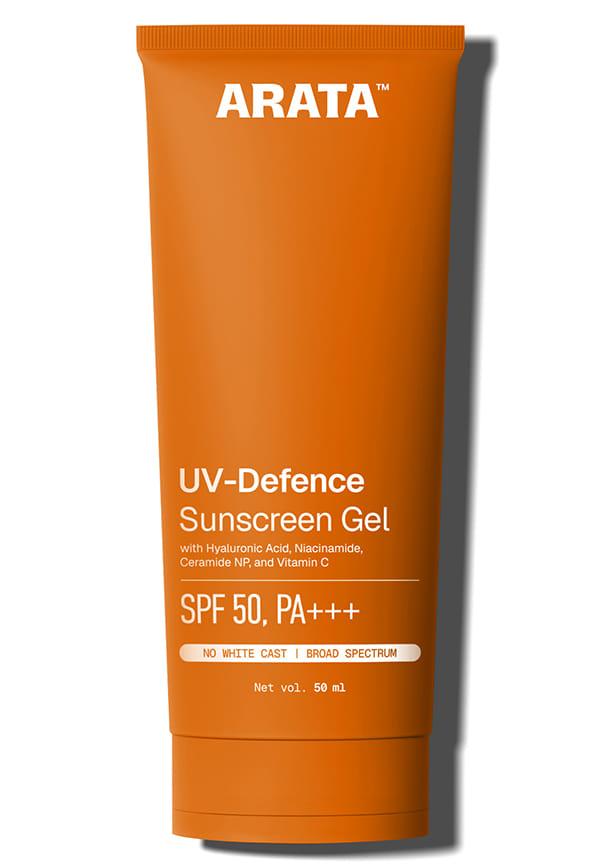
Sunscreen Gel with Niacinamide & Ceramide
Avoid these pitfalls that can extend your recovery time:
Over-cleansing: Washing your face more than twice daily can strip natural oils
Product overloading: Using too many products can overwhelm compromised skin
Inconsistent application: Skipping days disrupts the healing process
Ignoring environmental factors: Not protecting skin from harsh weather or air conditioning
Product | Best For Skin Type | Key Concern | Price Range | Key Ingredients |
|---|---|---|---|---|
Dot & Key Blueberry Hydrate Barrier Repair Intense Moisturizer | Dry, Very Dry, Sensitive | Severe barrier damage | ₹800-1200 | 5 Ceramides, Squalane, Hyaluronic Acid |
Minimalist Ceramides 0.3% Moisturizer with Madecassoside | Sensitive, Combination | Reactive skin | ₹400-600 | 5-type Ceramides, Madecassoside |
Cetaphil Moisturising Cream | Sensitive, Dry, Normal | Daily barrier maintenance | ₹600-900 | Glycerin, Dimethicone, Glyceryl Stearate |
Bioderma Atoderm Intensive Gel Creme | Very Dry, Atopic, Sensitive | Eczema and severe dryness | ₹1200-1500 | Lipigenium Complex, Zinc |
Plum Oat & 1% Ceramide Barrier Love Face Cream | Sensitive, Dry, All Types | Gentle barrier repair | ₹500-700 | 1% Ceramides (2:1:1 ratio), Oat Extract |
When choosing between professional-grade and accessible options, consider your specific needs and budget. Both categories offer effective solutions for compromised skin repair.
Professional formulations often contain higher concentrations of active ingredients and undergo extensive clinical testing. The Bioderma Sensibio Defensive Rich Active Soothing Cream represents French dermatology expertise, specifically designed for chronically sensitive skin with environmental protection technology.
These products typically cost between ₹1200-2000 but offer concentrated formulations that may require smaller amounts per application, potentially offering better value over time.
Budget-friendly options under ₹800 can be equally effective for many skin types. The Foxtale Nourishing Ceramide Moisturiser offers 72-hour hydration with ceramides and kokum butter at an accessible price point, making barrier repair affordable for regular use.
Drugstore options often focus on proven ingredients in effective concentrations, making them excellent choices for those new to barrier repair or maintaining healthy skin.
Regardless of price point, prioritise these factors:
Ingredient concentration and quality: Look for disclosed percentages of key actives
Packaging and stability: Airless pumps or tubes protect sensitive ingredients
Brand reputation and testing: Choose brands with dermatological backing
Skin type compatibility: Ensure the formulation suits your specific needs
Maximising the benefits of your barrier repair balm involves proper application techniques and understanding how to combine it with other skincare products safely.
The thin-to-thick rule applies when using multiple products. Apply your barrier repair serum first, followed by your restorative skin balm, and finish with an occlusive if needed. Wait 2-3 minutes between each layer to allow proper absorption.
For morning routines, apply your barrier repair product before SPF. In the evening, it can be your final step or followed by a heavier occlusive for overnight repair.
During the active repair phase, avoid combining barrier repair products with:
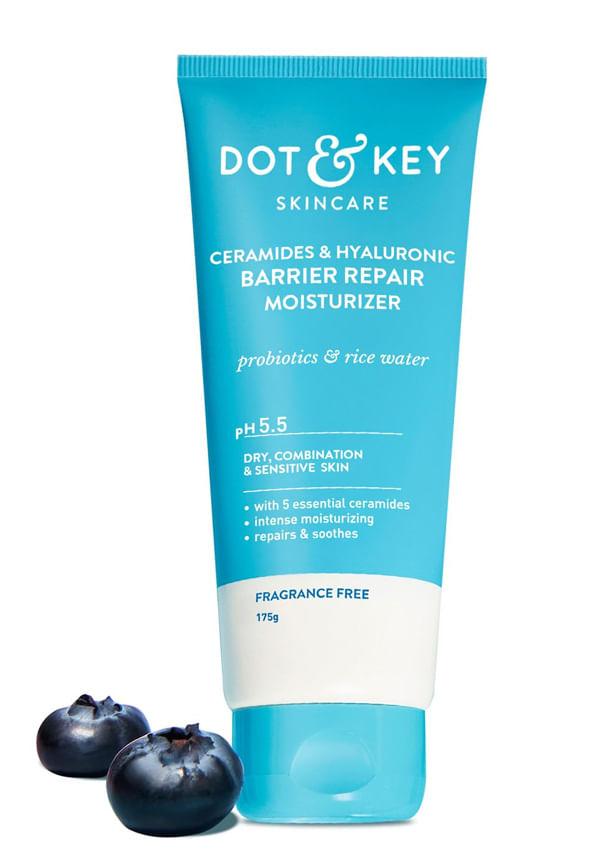
Ceramides & Hyaluronic Barrier Repair Moisturizer
Good & Similar Product
 5
5“Good product, best product and very similar product”
Good & Similar Product
5“Good product, best product and very similar product”
Good & Similar Product
5“Good product, best product and very similar product”
Retinoids or retinol products
Alpha or beta hydroxy acids
Vitamin C serums (until barrier is restored)
Physical or chemical exfoliants
Once your barrier is healed, you can gradually reintroduce actives, starting with the gentlest formulations and lowest concentrations.
If you experience product pilling, ensure each layer is fully absorbed before applying the next. If sensitivity reactions occur, reduce application frequency or switch to a gentler formulation. For insufficient hydration, consider adding a hydrating serum underneath your barrier repair balm.
When your skin barrier is compromised, focus on gentle, nourishing products. A good skin barrier repair balm for compromised skin is essential. Look for ingredients like ceramides, niacinamide, hyaluronic acid, and fatty acids. These ingredients help to replenish the skin's natural lipids and support its healing process. Avoid harsh actives, fragrances, and alcohol-based products that can further irritate or strip the skin. Applying a soothing balm for irritation can provide immediate relief and aid in the natural repair process.
Most people notice initial improvements within 3-7 days of consistent use, with significant barrier restoration occurring over 2-4 weeks. However, severely damaged barriers may take 6-8 weeks to fully heal. The key is consistency—using your barrier repair balm twice daily without skipping applications will yield the fastest results.
During the active repair phase, stick to gentle, barrier-supporting products only. Avoid actives like retinoids, AHAs, BHAs, and high-concentration vitamin C until your barrier is restored. Once healed, you can gradually reintroduce other products, starting with the mildest formulations and monitoring your skin's response.
Balms typically have a thicker, more occlusive texture with higher concentrations of protective ingredients, making them ideal for severely compromised or very dry skin. Creams offer a lighter texture that absorbs more quickly, suitable for daily use and less severely damaged barriers. Choose based on your skin's current condition and comfort preferences.
For compromised barriers, apply twice daily—morning and evening—as part of your regular routine. During severe flare-ups or in harsh weather conditions, you may need to reapply throughout the day. Once your barrier is restored, you can reduce to once daily or as needed for maintenance.
Both natural and synthetic ingredients can be effective for barrier repair. The key is choosing products with clinically proven ingredients in effective concentrations, regardless of their origin. Many effective barrier repair products combine both natural ingredients (like ceramides derived from plants) and synthetic ones (like hyaluronic acid) for optimal results. When exploring different formulations, Smytten's trial packs let you test various barrier repair products before committing to full sizes, helping you find what works best for your skin.
A compromised skin barrier requires gentle, consistent care with the right ingredients to restore its protective function. Look for products containing ceramides, niacinamide, and hyaluronic acid whilst avoiding harsh actives during the repair phase. Most barriers can be restored within 2-4 weeks with proper care, though patience and consistency are essential.
Choose your barrier repair products based on your specific skin type and the severity of damage—lightweight formulations for oily skin, richer textures for dry or eczema-prone skin. Remember that healing takes time, and introducing too many products too quickly can actually slow your progress.
The most important factor in successful barrier repair is consistency. Use your chosen products twice daily, protect your skin from further damage with gentle cleansing and daily SPF, and avoid the temptation to add actives back into your routine too quickly.
Finding the right skin barrier repair balm for compromised skin often involves some trial and error, as what works for one person may not work for another. This is where Smytten's approach to product discovery becomes invaluable. As India's largest product discovery and trial platform, Smytten connects you with over 2,400 trusted brands including Cetaphil, Dot & Key, Minimalist, and Bioderma through curated trial packs. You can explore barrier repair products from multiple brands before committing to full-size purchases, with up to 10 trial minis for just ₹279. Plus, with 100% cashback on trial purchases redeemable in the shop section, you can discover your perfect barrier repair solution affordably. When you find a product that works for your skin, purchasing the full-size version is just a click away. With authentic, brand-verified minis delivered across 90% pin code coverage, Smytten ensures you never have to settle for 'maybe' when healing your compromised skin barrier—because why settle when you can #TryItAll!
