Signs of Impaired Skin Barrier Function FAQ: Common Questions Answered


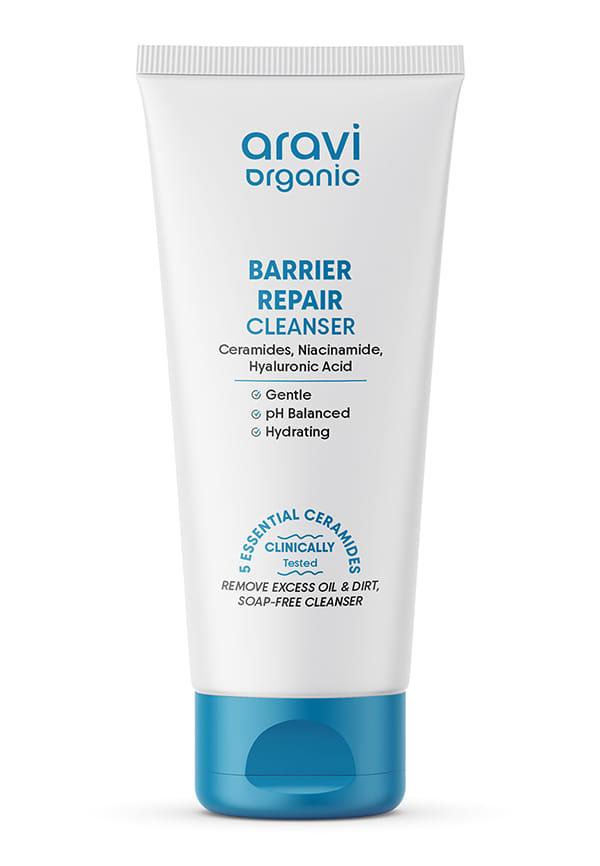
Hydrating Barrier Repair Face Wash - With Ceramide & Niacinamide
Your skin feels tight despite slathering on moisturiser, products that never bothered you before now sting, and that persistent redness just won't budge. Sound familiar? You might be dealing with signs of impaired skin barrier function. Your skin barrier is essentially your body's first line of defence—a protective layer that keeps moisture in and irritants out. When it's compromised, your skin sends out distress signals that are hard to ignore. Understanding these warning signs is crucial because a damaged skin barrier doesn't just affect how your skin looks; it impacts how it feels and functions daily. Whether you're dealing with over-exfoliated skin from too many actives or environmental damage from pollution and harsh weather, recognising the symptoms early can save you months of frustration. On Smytten, you'll find countless barrier-repairing products from trusted brands, but knowing what to look for first makes all the difference in your skincare journey.
A compromised skin barrier shows up as persistent dryness, increased sensitivity, redness, and rough texture that doesn't improve with regular moisturising
Common causes include over-exfoliation, harsh weather, aggressive skincare routines, and underlying skin conditions like eczema
Skin barrier repair typically takes 2-6 weeks with the right approach: gentle cleansing, barrier-supporting ingredients like ceramides and niacinamide, and simplified routines
Prevention involves gradual introduction of actives, consistent SPF use, and maintaining a balanced skincare routine that doesn't strip your skin
See a dermatologist if symptoms persist beyond 6-8 weeks or if you experience severe reactions, infections, or worsening conditions
Think of your skin barrier as your body's security system—it's the outermost layer of your epidermis called the stratum corneum. This thin but mighty layer consists of dead skin cells held together by lipids (fats) that form a protective barrier. Real talk: when this barrier is functioning properly, it keeps the good stuff in (like moisture) and the bad stuff out (like bacteria, pollutants, and irritants).
Your skin barrier operates on multiple levels of protection. There's the physical barrier that prevents water loss, the chemical barrier that maintains your skin's pH balance, the microbial barrier that keeps harmful bacteria at bay, and even neuronal and immune barriers that respond to threats. When any of these systems become compromised, you'll start noticing the telltale signs of impaired skin barrier function. A healthy barrier means your skin feels comfortable, looks plump, and can handle your usual skincare routine without drama.
Spotting the signs of impaired skin barrier function isn't always straightforward—sometimes what feels like 'difficult skin' is actually your barrier crying out for help. These symptoms often appear gradually, making them easy to dismiss as temporary issues.
When your skin barrier is compromised, you'll experience trans-epidermal water loss—basically, moisture escapes faster than you can replace it. You might find yourself applying moisturiser multiple times a day, yet your skin still feels parched and tight. This isn't the same as surface dryness that responds well to a good cream; it's a deeper issue where your skin simply can't hold onto hydration.
Products that were once your holy grails now cause stinging, burning, or irritation. Your skin becomes reactive to things that never bothered it before—wind, temperature changes, or even gentle formulations. This heightened sensitivity is one of the clearest skin sensitivity symptoms of a damaged barrier, as irritants can now penetrate deeper into your skin.
Chronic redness and irritation, especially around your cheeks, nose, or forehead, often signals barrier damage. Unlike temporary redness from a breakout or reaction, this inflammation tends to linger and may worsen with exposure to triggers. The affected areas might feel warm to the touch and appear flushed even without obvious irritation.
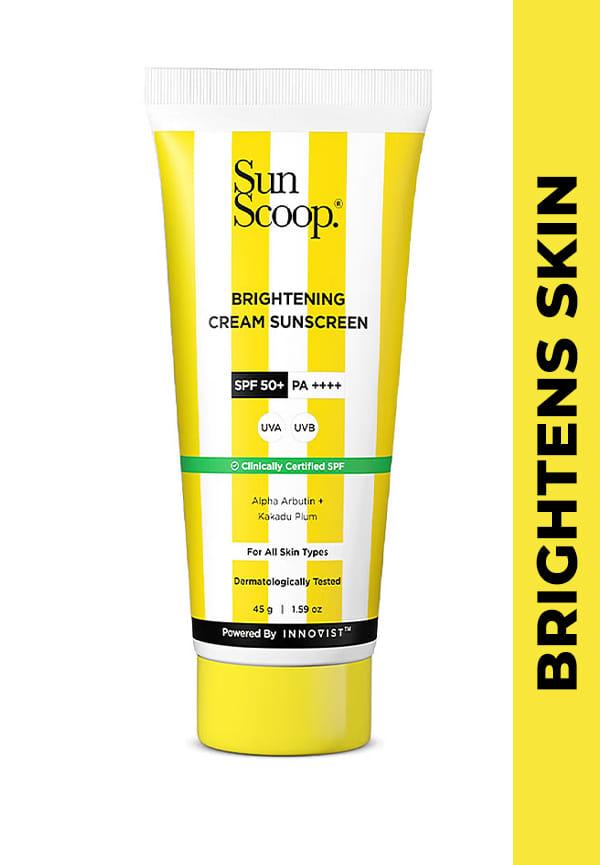
3% Niacinamide Fluid Sunscreen SPF 50+ PA++++
Very Nice Product
 5
5“very nice i love it👌🏻👌🏻👌🏻👌🏻”
Awesome for Sun Protection
5“super awesome products needed for sun protection”
When your barrier is compromised, cell turnover becomes irregular, leading to dry flaky skin that feels rough or bumpy. You might notice visible peeling, especially after cleansing, or areas that feel sandpaper-like despite regular exfoliation. This texture change is your skin's way of showing that its natural renewal process has gone haywire.
Other symptoms include frequent breakouts in unusual areas, slow healing of minor cuts or irritation, persistent tightness that doesn't resolve with hydration, and stinging sensations even with gentle, fragrance-free products. You might also notice that your skin looks dull or lacklustre, as a compromised barrier affects how light reflects off your skin's surface.
Understanding what leads to a compromised skin barrier helps you avoid future damage and make smarter skincare choices. The causes are often cumulative—it's rarely just one thing but rather a combination of factors that overwhelm your skin's natural defences.
This is probably the most common culprit in modern skincare routines. Over-exfoliated skin happens when you use too many acids (AHAs, BHAs, retinoids) too frequently, or combine multiple actives without giving your skin time to recover. Physical scrubs used daily can also strip away healthy skin cells along with dead ones. Signs include increased sensitivity to products you've used before and a shiny, almost plastic-like appearance to your skin.
Harsh weather conditions—whether it's dry winter air, strong winds, or excessive sun exposure—can gradually wear down your barrier. Air conditioning and heating systems create low-humidity environments that pull moisture from your skin. Chronic stress elevates cortisol levels, which can impair barrier function, whilst poor sleep disrupts your skin's natural repair processes.
Conditions like eczema, psoriasis, and rosacea inherently involve barrier dysfunction. Certain medications, including topical steroids, some antibiotics, and even oral contraceptives, can affect skin integrity. Hormonal fluctuations during menstruation, pregnancy, or menopause can also temporarily compromise barrier function.
Recovery from barrier damage is gradual, and knowing what to look for helps you stay patient with the process. The timeline for healing varies depending on the severity of damage and your skin's natural repair capacity, but most people see significant improvement within 2-6 weeks of consistent barrier-supportive care.
The first sign of healing is usually reduced sensitivity—products that once stung will start feeling comfortable again. Your skin will begin holding onto moisture better, meaning you won't need to reapply moisturiser as frequently throughout the day. The rough, flaky texture will smooth out, and any persistent redness should start to fade. You'll also notice that your skin looks more plump and radiant as its natural glow returns. Perhaps most importantly, you'll be able to gradually reintroduce gentle actives without immediate irritation, though this should be done very slowly.
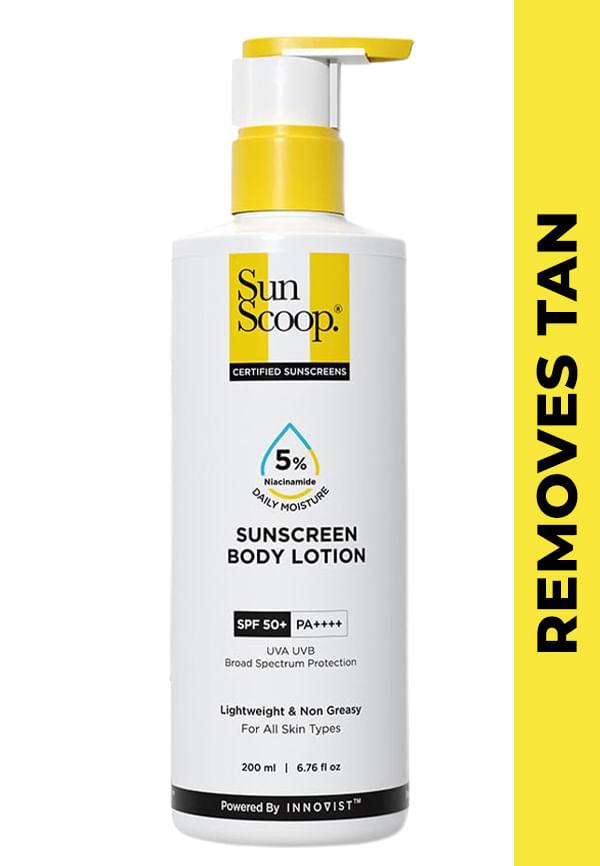
5% Niacinamide Daily Moisture Sunscreen Body Lotion SPF 50+ PA++++
Nice Body Sunscreen
5“it's a very nice body sunscreen”
Loved sunscreen lotion, hydrated
5“loved this sunscreen body lotion mini sticky and hydrated”
Good for Sun Protection & Moisturizing
4“good for sun protection and skin moisturizing”
Repairing a damaged skin barrier requires patience and the right approach. The key is supporting your skin's natural healing processes rather than trying to force quick results, which often backfires and prolongs recovery time.
The first step in skin barrier repair is simplifying your routine to the absolute basics: gentle cleanser, moisturiser, and SPF during the day. Strip away all actives—no acids, retinoids, or vitamin C for now. Identify and eliminate any potential irritants, including fragranced products, essential oils, or harsh cleansers. This 'skincare diet' might feel boring, but it's essential for allowing your barrier to recover.
Ceramides are the gold standard for barrier repair—they're the same lipids found naturally in your skin barrier. Look for products containing ceramides 1, 3, and 6-II for maximum benefit. Niacinamide is another powerhouse ingredient that strengthens barrier function whilst reducing inflammation. Hyaluronic acid and glycerin help maintain hydration levels, whilst ingredients like cholesterol and fatty acids support the barrier's lipid matrix.
Gentle cleansing techniques make a huge difference—use lukewarm water and avoid scrubbing or using washcloths. Consider adding a humidifier to your bedroom to maintain optimal moisture levels whilst you sleep. Prioritise sleep and stress management, as both directly impact your skin's ability to repair itself. Even simple changes like switching to a silk or satin pillowcase can reduce friction that further damages compromised skin.
Once your barrier has healed, maintaining its health becomes a lifelong commitment. Prevention is always easier than repair, and building sustainable habits protects your investment in healthy skin.
Morning routines should focus on protection: gentle cleanser, hydrating serum, moisturiser, and broad-spectrum SPF. Evening routines can include slightly more active ingredients, but introduce them gradually and never use multiple actives simultaneously. Product layering matters—apply thinnest to thickest consistency, and always wait for each layer to absorb before applying the next.
When introducing new actives, start with once or twice weekly application and gradually increase frequency based on your skin's tolerance. Adjust your routine seasonally—use richer moisturisers in winter and lighter formulations in humid summer months. Be cautious with professional treatments like chemical peels or microdermabrasion, and always inform your aesthetician about any barrier concerns.

5% Niacinamide & VIT C water-light Sunscreen gel SPF 50 Pa++++For Oily Skin,2X Glow
Loved the Product
4“loved the product , it's amazing”
Mom loves it, replaces makeup
4“I got this one for my mom, and she likes this one as she doesn't do makeup after applying this..just this one cream is enough”
Mom loves it, replaces makeup
4“I got this one for my mom, and she likes this one as she doesn't do makeup after applying this..just this one cream is enough”
Most people see improvement within 2-4 weeks of consistent barrier-supportive care, but complete healing can take 6-8 weeks or longer for severely damaged barriers. Factors like age, overall health, the extent of damage, and consistency with your simplified routine all affect healing speed. Be patient—rushing the process with harsh treatments will only set you back.
Whilst it's rare to truly over-moisturise, you can overwhelm compromised skin with heavy products or too many layers. Signs include clogged pores, milia (small white bumps), or a feeling that products aren't absorbing. If this happens, scale back to lighter formulations and fewer layers until your barrier strengthens.
Don't stop everything—your skin still needs basic care. Eliminate actives like retinoids, acids, and vitamin C, but continue with gentle cleansing, moisturising, and SPF protection. These essentials support healing rather than hindering it. You can gradually reintroduce other products once your barrier has recovered.
Dehydrated skin lacks water but has an intact barrier—it responds well to hydrating products and usually improves quickly. Barrier-damaged skin has structural problems that prevent it from holding onto moisture, leading to persistent dryness despite moisturising. Dehydration is temporary; barrier damage requires specific repair strategies and more time to heal.
Consult a professional if symptoms persist beyond 6-8 weeks of consistent barrier care, if you develop signs of infection (increased warmth, pus, or spreading redness), or if your condition significantly impacts your quality of life. Chronic barrier issues might indicate underlying conditions like eczema or rosacea that require prescription treatment. On Smytten, you can trial gentle, dermatologist-recommended products before committing to full sizes, which helps you find what works without wasting money on products that might irritate your compromised skin.
Absolutely. Chronic stress elevates cortisol levels, which breaks down collagen and impairs your skin's natural repair processes. Stress also disrupts sleep patterns and can lead to poor skincare habits like over-washing or picking at your skin. Managing stress through exercise, meditation, or other healthy outlets genuinely supports barrier health.
Recognising the signs of impaired skin barrier function early can save you months of frustration and prevent further damage. The key indicators—persistent dryness, increased sensitivity, redness, and rough texture—are your skin's way of asking for help. Remember that barrier repair takes time and patience; there's no overnight fix for compromised skin.
Focus on simplifying your routine during recovery, using proven barrier-supporting ingredients like ceramides and niacinamide, and being gentle with your skin in every aspect of your routine. Prevention through gradual product introduction, consistent SPF use, and stress management will help maintain your barrier health long-term. Most importantly, listen to your skin—it's usually telling you exactly what it needs if you know how to interpret the signals.
Understanding your skin barrier is fundamental to building a successful skincare routine that actually works for your unique needs. When you're ready to rebuild your routine after barrier repair, Smytten offers the perfect solution for cautious product testing. As India's largest product discovery platform, Smytten lets you try before you buy with curated trial packs from over 2,400 trusted brands including barrier-friendly favourites like Cetaphil, WishCare, and Dot & Key. You can get up to 10 trial points for just ₹279, with 100% cashback on these minis redeemable for future purchases. This approach is especially valuable when dealing with sensitive, barrier-compromised skin—you can test how your skin responds to new products without committing to full sizes that might not work. With 90% pincode coverage across India and over 28 million users who've discovered their perfect products through trials, Smytten ensures you never have to settle for skincare that doesn't serve your skin's needs. After all, why settle for 'maybe' when you can #TryItAll and find exactly what helps your barrier thrive?
