Sheet Masks FAQ: How They Work & Ingredients to Seek in India


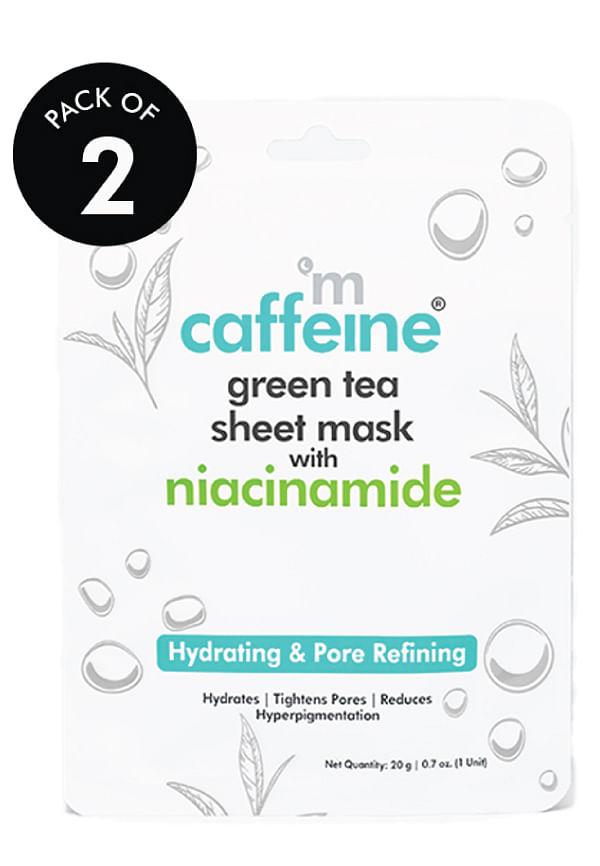
Niacinamide Green Tea Sheet Mask for Pore Refining
Ever wondered why your skin feels instantly plumper after a sheet mask session, even when you've been battling dehydration all week? You're not imagining things. Sheet masks work through a fascinating process called occlusion therapy, where the fabric barrier traps moisture against your skin, forcing deeper absorption of active ingredients. But with countless options flooding the Indian market—from ₹50 drugstore finds to ₹500 K-beauty imports—knowing which ingredients actually work for our climate and skin concerns makes all the difference.
Sheet masks aren't just skincare theatre. They're based on solid science that dermatologists have used for decades. When you place that essence-soaked fabric on your face, you're creating a microenvironment that prevents water loss whilst pushing beneficial ingredients deeper into your skin.
Think of your sheet mask as a temporary greenhouse for your face. The fabric creates a barrier that prevents the essence from evaporating, maintaining constant contact with your skin. This prolonged exposure allows ingredients like hyaluronic acid and niacinamide to penetrate beyond the surface layer, where they can actually do their job.
Unlike clay or cream masks that can dry out on your skin, sheet masks maintain their moisture content throughout the application. This means your skin receives a steady stream of hydration and active ingredients for the entire 15-20 minutes. The occlusive effect also temporarily plumps your skin, which is why you see that immediate glow.
In India's humidity, leaving a sheet mask on for longer than 20 minutes can backfire. The mask begins to dry out and can actually pull moisture from your skin. Stick to the recommended time, especially during summer months when the ambient moisture can affect how the mask performs.
Cotton and bamboo sheet masks work brilliantly in Indian conditions because they're breathable yet occlusive. Hydrogel masks feel cooling but can slip off in high humidity. For our climate, natural fibres that can handle a bit of sweat whilst maintaining their grip are your best bet.
Not all sheet mask ingredients are created equal, especially when you're dealing with pollution, humidity, and intense UV exposure. Here's what actually works for Indian skin concerns, backed by research and real-world results.
Hyaluronic acid can hold 1000 times its weight in water, making it perfect for combating AC-induced dryness. Glycerin draws moisture from the environment—ideal for our humid climate. Ceramides repair your skin barrier, which takes a beating from pollution and harsh cleansing. Look for masks that combine all three for maximum hydration.
Monsoon breakouts are real, and these ingredients tackle them effectively. Tea tree oil has antimicrobial properties without over-drying. Salicylic acid gently exfoliates inside pores, preventing congestion. Charcoal absorbs excess oil—though be careful with frequency, as it can be drying if overused.
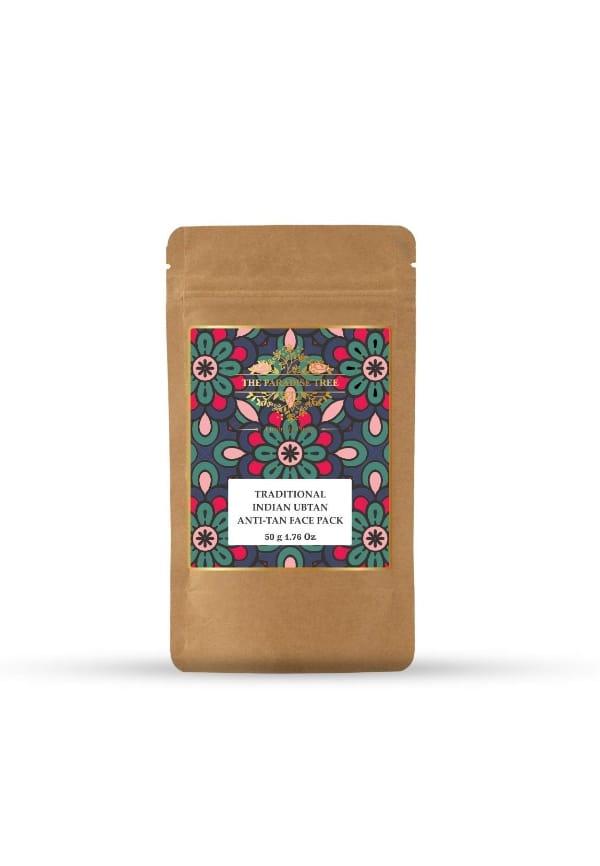
Traditional Indian Ubtan Anti Tan Face Pack
Indian skin often deals with pigmentation from sun exposure and pollution. Vitamin C brightens and protects, though it's best used in evening masks to avoid photosensitivity. Niacinamide works any time of day, reducing dark spots whilst controlling oil. Kojic acid is gentler than hydroquinone but equally effective for stubborn pigmentation.
If your skin reacts to everything, these gentle giants are your friends. Aloe vera cools and heals—perfect after a day in the sun. Centella asiatica (also called cica) reduces inflammation and redness. Cucumber extract provides instant relief for irritated, overheated skin.
Your skin concerns change with the seasons, your environment, and your life stage. Here's how to match your sheet mask to what your skin actually needs right now.
Office air conditioning can leave your skin feeling tight and flaky. Look for masks with hyaluronic acid, squalane, and honey. These ingredients provide both immediate and long-lasting hydration. Use these masks in the evening after cleansing to repair the day's damage.
Humidity plus pollution equals clogged pores. Clay-infused sheet masks with tea tree or green tea help absorb excess oil without stripping your skin. Use twice weekly during monsoon months to prevent congestion before it starts.
Post-inflammatory hyperpigmentation from acne or sun damage needs consistent treatment. Vitamin C masks work well for prevention, whilst arbutin and liquorice extract help fade existing spots. Use these masks 2-3 times weekly for gradual improvement.
Retinol sheet masks are gentler than serums, making them perfect for beginners. Peptides help firm and smooth fine lines. Start with once weekly and always follow with SPF the next morning, as these ingredients can increase photosensitivity.
Knowing when and how to use sheet masks can make the difference between glowing skin and irritation. Here's your complete guide to getting the most from your masking sessions.
Start with clean, dry skin—no toner needed as the mask provides its own pH-balanced essence. Unfold carefully and align with your eye and mouth openings. Smooth out air bubbles, starting from the centre and working outward. Leave on for 15-20 minutes, then remove and gently pat in any remaining essence.
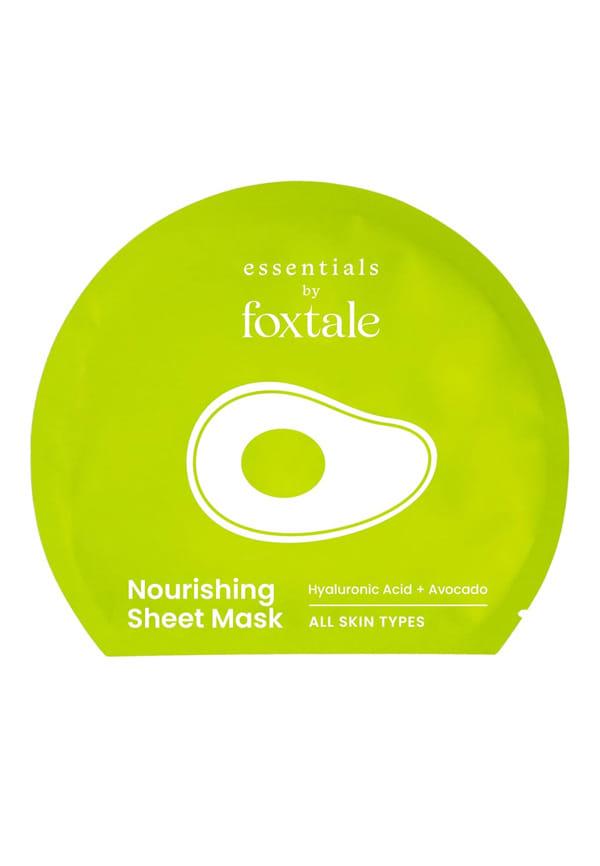
Essentials Nourishing Sheet Mask with Hyaluronic Acid and Avocado
Morning masks should focus on hydration and protection—think vitamin C or hyaluronic acid. Evening masks can include active ingredients like retinol or AHAs. Never use brightening masks in the morning unless you're applying SPF 30+ afterward.
Don't rinse off the remaining essence—it's concentrated goodness. Pat it in gently, then follow with your regular moisturiser to seal everything in. If you're using an active ingredient mask, skip other actives in your routine that evening to prevent irritation.
Two to three times weekly is the sweet spot for most skin types. Space them out—Monday for hydration, Wednesday for brightening, Saturday for deep treatment. Listen to your skin; if it feels sensitised or over-moisturised, reduce frequency.
Even the best sheet masks can backfire if you're making these common mistakes. Here's what to watch out for in our unique climate conditions.
Your skin barrier needs time to process and integrate the ingredients you've given it. Daily masking can lead to over-hydration, clogged pores, or sensitivity. Stick to 2-3 times weekly maximum, and always observe how your skin responds.
Using a sheet mask when you're already sweating can trap bacteria against your skin. Avoid masking immediately after outdoor activities or during the hottest part of the day. Evening sessions in air conditioning work best during summer months.
Don't use retinol masks on the same night as your AHA/BHA products. Avoid vitamin C masks if you've used benzoyl peroxide earlier. When in doubt, keep your routine simple on masking days—cleanser, mask, moisturiser, done.
Store your masks in a cool, dry place away from humidity. During monsoon, consider keeping them in an airtight container with silica gel packets. Never refrigerate masks unless specifically instructed, as temperature changes can affect the essence formulation.
For instant glow in humid conditions, look for masks with niacinamide and vitamin C. These ingredients brighten without making your skin photosensitive. Hyaluronic acid masks also provide that plump, dewy look that photographs beautifully. Use these 2-3 times weekly for consistent results.
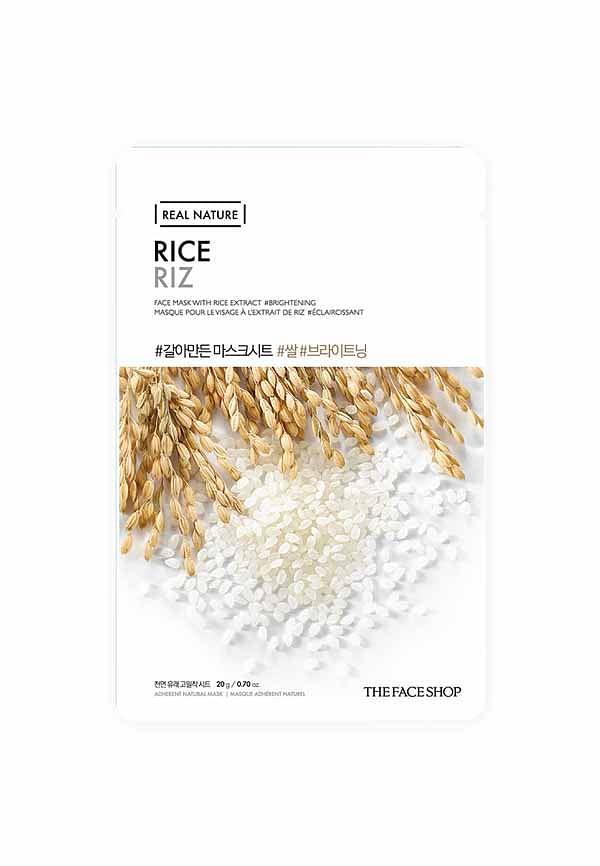
Real Nature Rice Face Mask
Daily use isn't recommended for most skin types. Your skin needs time to process the concentrated ingredients, and overuse can lead to sensitivity or clogged pores. Stick to 2-3 times weekly, adjusting based on your skin's response and the season.
15-20 minutes is optimal. In Indian humidity, leaving masks on longer can cause them to dry out and actually pull moisture from your skin. Set a timer and remove promptly for best results.
No, don't rinse off the remaining essence. Gently pat it into your skin and follow with your regular moisturiser. The essence contains concentrated active ingredients that continue working after you remove the mask.
Yes, but choose carefully. Look for masks with salicylic acid, tea tree oil, or niacinamide. Avoid heavy, occlusive ingredients that might clog pores. Use oil-control masks 1-2 times weekly as part of your acne management routine.
Not always. Many affordable options contain the same active ingredients as premium masks. Focus on the ingredient list rather than the price tag. However, luxury masks often have better fabric quality and more elegant essence textures.
Never reuse a sheet mask. Once exposed to air and bacteria from your skin, the mask becomes a breeding ground for microbes. Each mask is designed for single use to maintain hygiene and efficacy.
Hydrogel masks feel cooling and stay moist longer, but can slip off in humidity. Fabric masks (cotton, bamboo) are more breathable and stay put better in Indian conditions. Both deliver ingredients effectively—choose based on your comfort and climate.
Sheet masks aren't magic, but they're pretty close when used correctly. The key is understanding your skin's current needs and choosing ingredients that address them specifically. Whether you're dealing with monsoon breakouts, AC-induced dryness, or pollution-related dullness, there's a sheet mask formulation that can help.
Remember, consistency beats intensity. Two well-chosen masks per week will serve you better than daily masking with random products. Pay attention to how your skin responds, adjust your routine seasonally, and don't be afraid to mix different types of masks based on what your skin needs that week.
The beauty of sheet masks lies in their simplicity and immediate results. They're perfect for those evenings when you want to pamper your skin without a complicated routine. With over 28 million users discovering their perfect skincare matches, platforms like Smytten Shop make it easier than ever to explore different brands and formulations until you find your holy grail masks. After all, why settle for maybe when you can find exactly what works for your unique skin?
