Shaving and Skin Irritation Care FAQ: Your Questions Answered

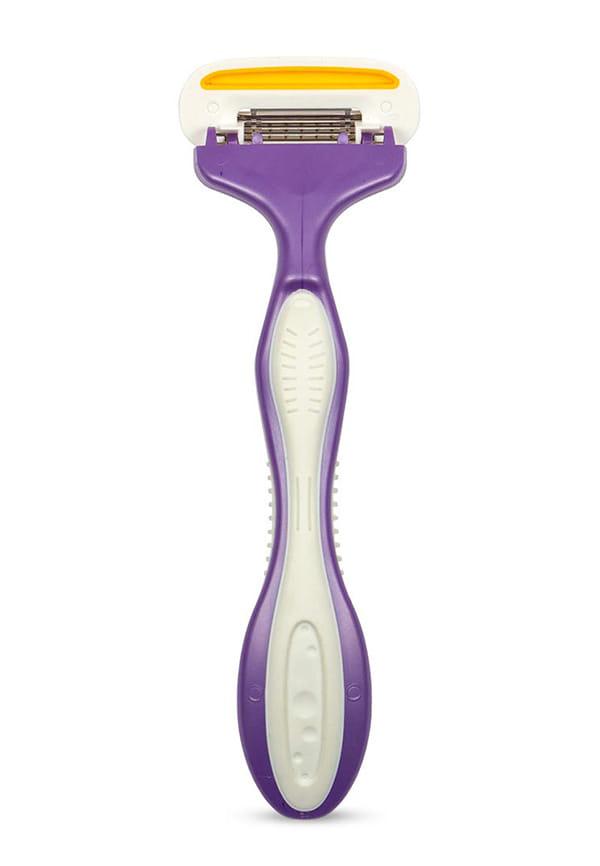
Body Shaving Razor with Aloe Vera & Vitamin E Padding
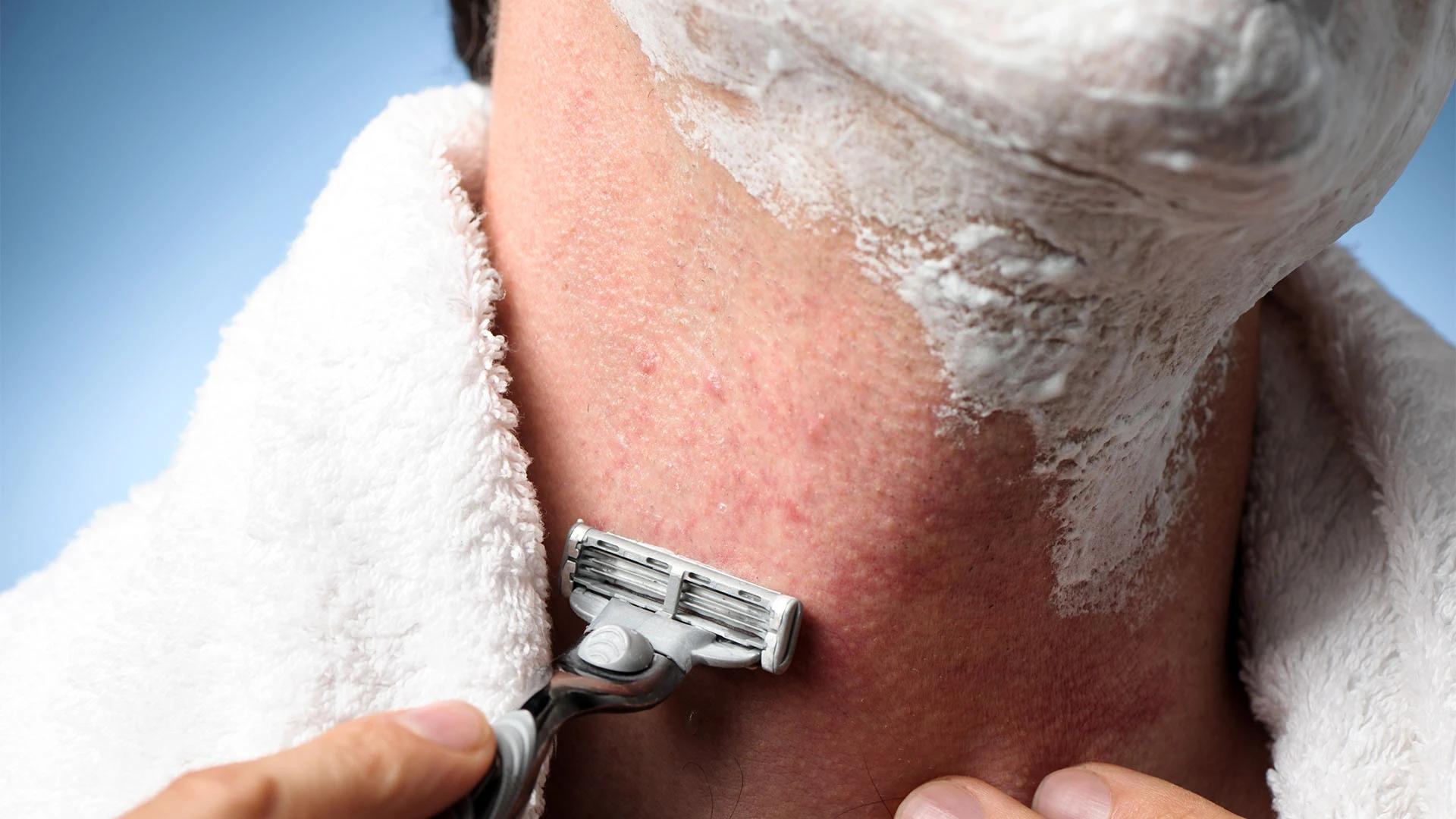
Shaving shouldn't feel like a battle against your skin, yet millions of people deal with razor burn, bumps, and irritation after every shave. Whether you're dealing with post-shave redness that makes your skin look angry, ingrown hairs that refuse to budge, or that familiar burning sensation that follows your morning routine, you're not alone in this struggle. The good news? Most shaving-related skin issues are preventable and treatable with the right approach.
Understanding shaving and skin irritation care isn't just about finding quick fixes—it's about creating a routine that works with your skin, not against it. From immediate relief techniques to long-term prevention strategies, proper aftercare can transform your shaving experience from uncomfortable to effortless. With brands like Cetaphil, WishCare, and other trusted names available on platforms like Smytten, finding the right products for your skin type has never been more accessible. Let's dive into everything you need to know about keeping your skin calm, comfortable, and bump-free after every shave.
Shaving irritation includes razor burn (immediate redness), razor bumps (ingrown hairs), and general sensitivity that can last 2-3 days
Immediate relief comes from cold compresses, aloe vera, and avoiding touching the affected area
Prevention is key: proper pre-shave prep, sharp blades, correct shaving direction, and quality aftercare products
Natural remedies like oatmeal paste, cucumber, and diluted apple cider vinegar can provide effective relief
Seek professional help if irritation persists beyond a week or shows signs of infection
Shaving and skin irritation care encompasses the prevention, treatment, and management of skin problems that arise from hair removal. It's more complex than you might think—what we often call "razor burn" actually covers several different conditions that require different approaches.
Razor burn appears as immediate redness and burning sensation right after shaving, typically caused by friction from dull blades or aggressive shaving techniques. Razor bumps, on the other hand, are small, inflamed bumps that develop when hair grows back into the skin, creating ingrown hairs. General irritation might include itching, sensitivity, or small nicks that make your skin feel uncomfortable for hours or even days after shaving.
The symptoms can range from mild discomfort to significant pain and visible inflammation. You might notice redness that looks like a mild sunburn, small white or red bumps scattered across the shaved area, persistent itching that makes you want to scratch constantly, or a burning sensation that intensifies when you apply products to your skin. These issues affect nearly 60% of people who shave regularly, making proper shaving and skin irritation care essential for maintaining healthy skin.
When irritation strikes immediately after shaving, your first response can make all the difference in how quickly your skin recovers. The key is to act fast but gently, treating your skin like it's temporarily compromised—because it is.
Start with a cold compress within the first 15-30 minutes after shaving. Wrap ice cubes in a clean cloth or use a cold, damp flannel to reduce inflammation and numb the burning sensation. Apply for 5-10 minutes at a time, giving your skin breaks between applications. This immediate cooling effect helps constrict blood vessels and reduces the inflammatory response that causes redness and swelling.
Aloe vera gel straight from the fridge provides instant cooling relief and contains anti-inflammatory compounds that help skin heal faster. Look for pure aloe vera without added fragrances or alcohol, which can further irritate sensitive skin.
Oatmeal paste works wonders for inflamed skin. Mix finely ground oats with cool water to create a thick paste, apply to the affected area for 10-15 minutes, then rinse gently with cool water. The natural compounds in oats help reduce inflammation and provide a protective barrier.
Cool milk compresses might sound unusual, but the lactic acid and proteins in milk help soothe irritation whilst providing gentle moisture. Soak a clean cloth in cold milk and apply to the affected area for 5-10 minutes.
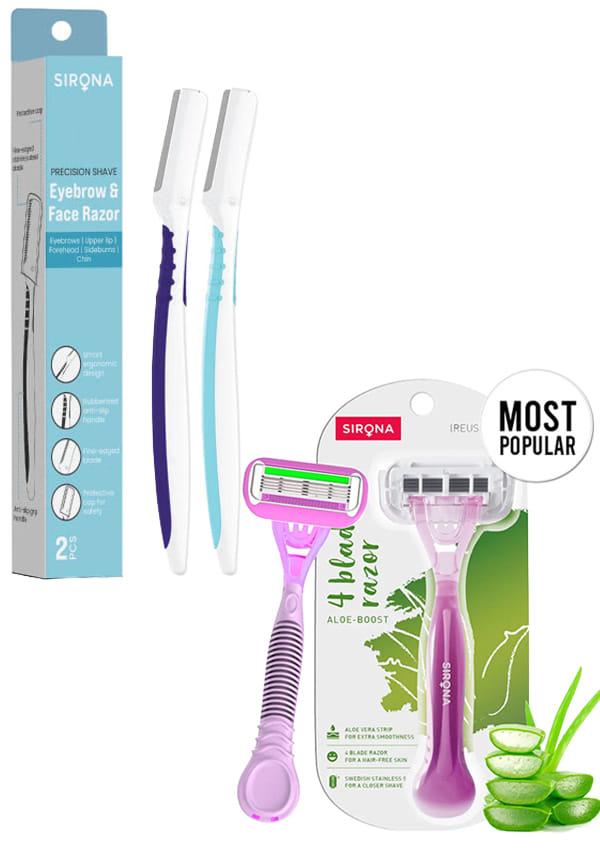
Eyebrow Face Razor & Aloe Hair Removal Razor
Home remedies for post-shave irritation have been passed down through generations for good reason—many of them actually work. The key is understanding which ingredients provide genuine benefits and how to use them safely on compromised skin.
Apple cider vinegar, when properly diluted (one part vinegar to three parts water), can help restore your skin's natural pH balance and provide antimicrobial benefits. Apply with a cotton pad and let it air dry before moisturising. Never use undiluted vinegar, as it can cause chemical burns on irritated skin.
Natural oils like coconut, olive, or avocado oil provide deep moisture without clogging pores. Coconut oil has additional antimicrobial properties that can help prevent infection in small nicks. Apply a thin layer and allow it to absorb completely before putting on clothing.
Cucumber slices aren't just for spa days—they contain caffeic acid and vitamin C, which help reduce swelling and provide cooling relief. Place thin slices directly on irritated areas for 10-15 minutes.
Green tea compresses offer powerful anti-inflammatory benefits thanks to polyphenols and tannins. Brew a strong cup of green tea, let it cool completely, then use a clean cloth to apply to affected areas.
Baking soda paste (one part baking soda to three parts water) can help neutralise skin irritation and reduce inflammation. Apply for just 5 minutes before rinsing thoroughly, as leaving it on too long can disrupt your skin's natural barrier.
Choosing the right products for shaving and skin irritation care can make the difference between chronic irritation and smooth, comfortable skin. The best aftershave balm for sensitive skin should focus on barrier repair and inflammation reduction rather than just providing moisture.
Look for ingredients like niacinamide, which reduces inflammation and helps regulate oil production, ceramides that repair and strengthen your skin barrier, and hyaluronic acid for deep hydration without heaviness. These ingredients work together to calm irritation whilst preventing future problems.
Avoid products containing alcohol, which strips natural oils and can cause burning on freshly shaved skin, artificial fragrances that can trigger allergic reactions, and menthol or eucalyptus, which might feel cooling initially but can increase sensitivity over time.
Specialised post-shave treatments go beyond basic moisturisers to address specific shaving-related concerns. Look for products specifically formulated for post-shave care rather than general moisturisers.
Barrier repair creams containing ingredients like panthenol (pro-vitamin B5) and allantoin help speed healing and reduce the risk of infection. These ingredients are particularly beneficial if you're prone to nicks or have sensitive skin that takes longer to recover.
For mild irritation, natural alternatives often work as well as hydrocortisone without the potential side effects of long-term steroid use. However, if irritation is severe or persistent, a low-concentration hydrocortisone cream can provide faster relief.
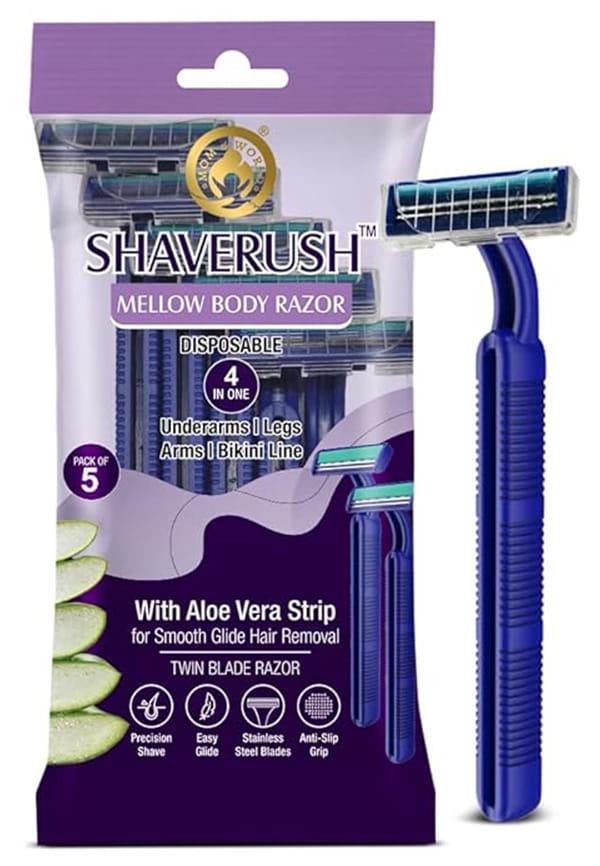
ShaveRush Mellow Body Razor, 4 in 1, Stainless Steel, Twin Blade Razor, with Aloe Vera Strip
Prevention truly is better than cure when it comes to shaving irritation. Proper technique and preparation can eliminate most shaving-related skin problems before they start, saving you from the discomfort and time needed for treatment.
Pre-shave preparation is crucial for sensitive skin. Cleanse with a gentle, fragrance-free cleanser to remove oils and dead skin cells that can clog your razor. Soften hair with warm water or a pre-shave oil—this reduces the force needed to cut through hair, minimising friction and irritation.
Choose a sharp, clean razor and replace blades frequently. Dull blades require more pressure and multiple passes, increasing friction and irritation. For sensitive skin, consider single-blade razors, which cause less irritation than multi-blade alternatives, though they require better technique.
Preventing ingrown hairs requires consistent exfoliation to remove dead skin cells that can trap growing hair. Use a gentle chemical exfoliant with salicylic acid 2-3 times per week, or a soft brush in circular motions during cleansing.
Map your hair growth direction by letting hair grow for a few days and observing the natural growth pattern. Always shave in the direction of hair growth, not against it, even if it means you don't get as close a shave.
For chronic ingrown hair problems, consider alternative hair removal methods like laser treatment or electric shavers, which cut hair above skin level rather than below it.
Understanding realistic healing timelines helps you know when to be patient and when to seek additional help. Most shaving irritation follows predictable patterns, but individual healing times can vary based on skin type, severity of irritation, and care routine.
Razor burn typically resolves within 2-3 days with proper care. You should notice redness beginning to fade within 24 hours, with complete resolution by day three. If redness persists or worsens after 48 hours, you may be dealing with a more serious issue that requires different treatment.
Razor bumps and ingrown hairs take longer to heal—usually 2-3 weeks for complete resolution. The hair needs time to grow out naturally or be absorbed by the body. Picking or squeezing bumps can extend healing time significantly and increase the risk of scarring or infection.
During the healing period, adjust your skincare routine to support recovery. Use gentle, fragrance-free cleansers and avoid active ingredients like retinol or strong acids that can further irritate compromised skin.
Modify your activities to avoid excessive sweating or friction from tight clothing, which can worsen irritation and slow healing. If you must wear makeup over irritated areas, choose non-comedogenic, fragrance-free products and remove them gently at the end of the day.
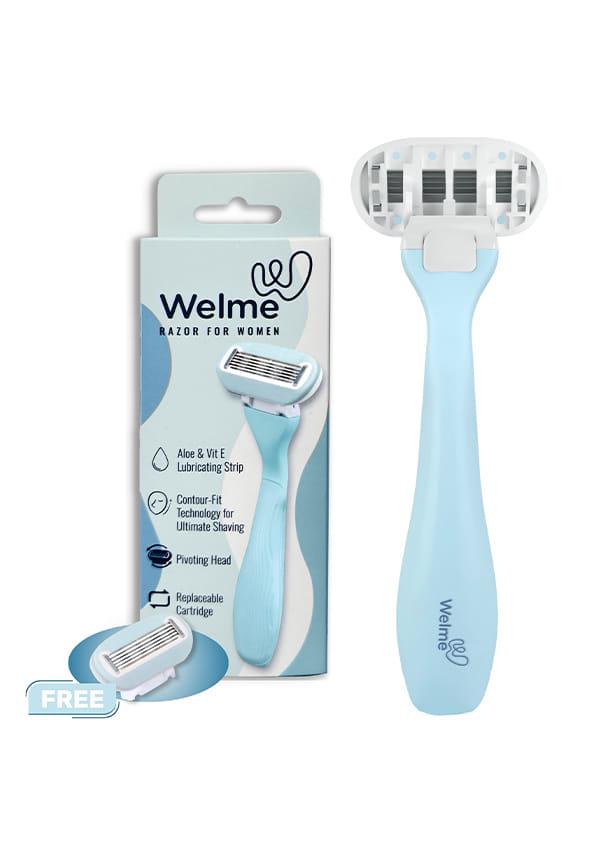
Reusable Hair Removal Razor for Women with Aloe Vera & Vitamin E
Vaseline can provide a protective barrier and lock in moisture, which helps with healing. However, it's quite heavy and may clog pores for some people. If you use it, apply a thin layer only at night and cleanse thoroughly in the morning. For daily use, lighter moisturisers with healing ingredients like ceramides or niacinamide are often more effective.
Absolutely! Many trusted brands available on Smytten, including Cetaphil and WishCare, offer excellent post-shave care products. The benefit of trying products through Smytten's trial packs is that you can test how your skin reacts to different formulations before committing to full-size products, which is especially valuable for sensitive post-shave skin.
Whilst complete overnight resolution isn't realistic, you can significantly reduce inflammation with immediate cold compresses, aloe vera gel, and anti-inflammatory ingredients. The key is starting treatment immediately after shaving and maintaining consistent care. Most people see noticeable improvement within 24-48 hours with proper treatment.
The basic principles are the same, but there are some differences. Men often deal with coarser facial hair and may need stronger pre-shave preparation. Women frequently shave larger areas and may need more extensive moisturising. However, the key ingredients and techniques for preventing and treating irritation work equally well for everyone.
Yes, seasonal adjustments can help prevent irritation. In winter, focus on extra moisturising before and after shaving, as cold air and indoor heating can dry out skin. In summer, pay attention to post-shave sun protection, as freshly shaved skin is more susceptible to UV damage. Hot, humid weather may also require lighter post-shave products to prevent clogged pores.
Sometimes home remedies and over-the-counter products aren't enough to manage persistent shaving irritation. Knowing when to seek professional help can prevent minor issues from becoming chronic problems that affect your daily comfort and confidence.
Consider consulting a dermatologist if irritation persists beyond a week despite proper care, if you notice signs of infection like pus, increased warmth, or red streaking, or if you develop chronic ingrown hairs that don't respond to home treatment. Professional evaluation can identify underlying skin conditions that make you more prone to shaving irritation.
Prescription treatments might include stronger anti-inflammatory creams, antibiotic treatments for infected areas, or specialised products for chronic ingrown hairs. Some dermatologists also offer professional extraction of stubborn ingrown hairs using sterile techniques.
For people with persistent problems, laser hair removal might be worth considering. Whilst it requires multiple sessions and significant investment, it can eliminate the root cause of shaving irritation for many people. Discuss the pros and cons with a qualified practitioner to determine if it's right for your situation.
Effective shaving and skin irritation care combines proper prevention techniques with prompt, appropriate treatment when irritation does occur. The most important factors are using sharp, clean razors, preparing your skin properly before shaving, shaving in the direction of hair growth, and immediately caring for your skin afterwards with gentle, effective products.
Remember that healing takes time—razor burn typically resolves in 2-3 days, whilst razor bumps may take 2-3 weeks. Consistency in your care routine and patience with the healing process are essential for the best outcomes. Don't hesitate to seek professional help if home treatments aren't providing adequate relief or if you suspect an infection.
Finding the right products for your shaving and skin irritation care routine doesn't have to involve expensive trial and error. Smytten is India's largest product discovery and trial platform, connecting consumers with top lifestyle, beauty, wellness, and grooming brands through curated trial packs from over 2,400 trusted brands such as Cetaphil, WishCare, and many others. With up to 10 trial points for just ₹279 and 100% cashback on trial purchases, you can explore different post-shave care products before committing to full-size versions. This try-before-you-buy approach is particularly valuable for sensitive skin that may react differently to various formulations. With over 28 million users and 90% pincode coverage across India, Smytten helps you make smarter, more confident choices for your skincare routine. After all, why settle for 'maybe' when you can #TryItAll!
