Serum vs Moisturizer India: Which is Best for Your Skin?


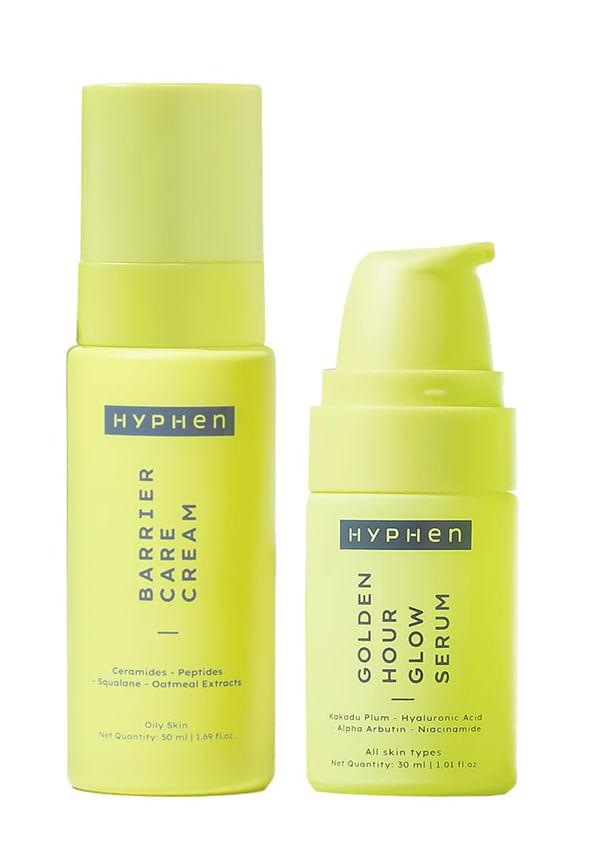
Daily Night-Care Routine for Oily & Combination Skin with Face Serum & Barrier Care Cream
Let's be real—walking down the skincare aisle can feel like decoding a secret language. Serum, moisturiser, essence, cream—what does it all mean? If you've ever stood there wondering whether you need a face serum or moisturiser (or both), you're not alone. The serum vs moisturiser debate is particularly relevant for Indian skin, given our diverse climate conditions and unique skin concerns. From humid summers in Mumbai to dry winters in Delhi, choosing the right products can make all the difference. Here's everything you need to know about these skincare essentials and how to pick what works for your skin type and lifestyle.
Think of serums and moisturisers as the dynamic duo of skincare—each with their own superpower. While they might seem similar, they're actually quite different in how they work and what they do for your skin. Understanding these differences is the first step to building a skincare routine that actually works for you.
A serum for face is like that friend who gets straight to the point—no fluff, just results. These lightweight, water-based formulations are packed with concentrated active ingredients that penetrate deep into your skin. Think of them as targeted treatments designed to address specific concerns like dark spots, fine lines, or dullness.
The magic lies in their molecular structure. Serums have smaller molecules that can slip through your skin's surface more easily than heavier creams. This means ingredients like vitamin C, hyaluronic acid, or niacinamide can get to work where they're needed most.
A moisturiser for face is your skin's protective best friend. While serums dive deep, moisturisers work on the surface to lock in hydration and create a barrier against environmental damage. They come in various textures—gels, lotions, and creams—each designed for different skin types and preferences.
Moisturisers contain emollients and occlusives that help prevent water loss from your skin. This is especially important in India's varied climate, where your skin might face everything from air conditioning to pollution to humidity changes throughout the day.
Here's where the face serum vs cream difference becomes obvious. Serums feel almost like water—they absorb quickly and leave no residue. Moisturisers, on the other hand, have more body to them. They might take a bit longer to absorb but provide that comforting feeling of hydration.
When layering products, this texture difference matters. The general rule? Thinnest to thickest consistency for optimal absorption.
Now that we've covered what these products are, let's talk about what they actually do for your skin. Both have their unique strengths, and understanding these can help you decide which one (or both) deserves a spot in your routine.
Face serum benefits are all about precision and potency. Here's what makes them worth trying:
Targeted treatment: Whether you're dealing with pigmentation, acne scars, or signs of ageing, there's likely a serum formulated specifically for your concern
High concentration of actives: You get more bang for your buck with ingredients that are present in higher percentages than in most moisturisers
Fast absorption: Perfect for layering under other products without feeling heavy or sticky
Visible results: Many people notice improvements in skin texture, brightness, or specific concerns within weeks of consistent use
Moisturiser benefits focus on protection and maintaining your skin's health barrier:
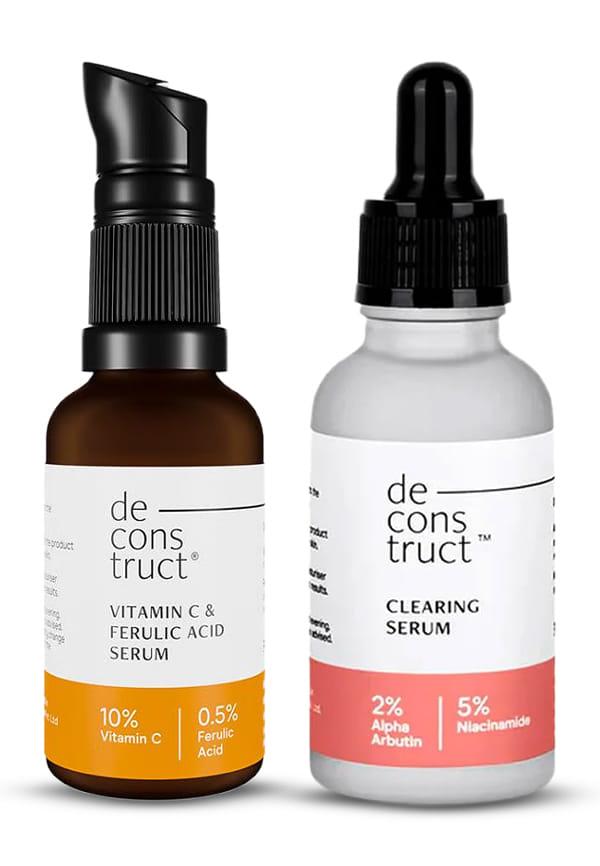
Skin Brightening Duo
Hydration lock: Prevents water loss throughout the day, keeping your skin plump and comfortable
Barrier protection: Acts as a shield against pollution, dust, and other environmental stressors common in Indian cities
Immediate comfort: Soothes dry, tight, or irritated skin instantly
Foundation for makeup: Creates a smooth base that helps your makeup apply better and last longer
Here's where the magic happens—using both products in your skincare routine can give you the best of both worlds. The serum delivers targeted treatment while the moisturiser seals everything in and provides ongoing protection. It's like having a specialist and a general practitioner working together for your skin's health.
Getting the order right is crucial for maximising the benefits of both products. Think of it as a well-choreographed dance—each step builds on the previous one to create the perfect routine.
The golden rule is simple: thinnest to thickest consistency. Start with your cleanser, follow with serum, then moisturiser. This ensures each product can do its job without interference from heavier formulations.
Wait about 30 seconds to a minute between applying your serum and moisturiser. This gives the serum time to absorb properly without being diluted or blocked by the moisturiser.
Your morning routine should focus on protection and prep for the day ahead. A vitamin C serum followed by a lightweight moisturiser with SPF is a winning combination for Indian weather conditions.
Evening routines can be more intensive. This is when you might use treatment serums with ingredients like retinol or AHA/BHA, followed by a richer moisturiser to support overnight repair.
Don't make these rookie errors that can sabotage your results:
Using too much product—a few drops of serum and a pea-sized amount of moisturiser are usually enough
Mixing incompatible ingredients like vitamin C and retinol in the same routine
Applying moisturiser immediately after serum without letting it absorb first
India's diverse climate zones mean your skincare needs might be different from someone living in a different part of the country. From the humidity of coastal cities to the dry heat of northern plains, your serum vs moisturiser choice should factor in your local weather patterns.
If you have oily skin, especially in humid cities like Mumbai or Chennai, lightweight formulations are your best friend. A niacinamide serum can help control oil production, while a gel-based moisturiser provides hydration without adding grease.
During monsoon season, you might even find that a hydrating serum alone is enough, skipping the moisturiser on particularly humid days. Listen to your skin and adjust accordingly.
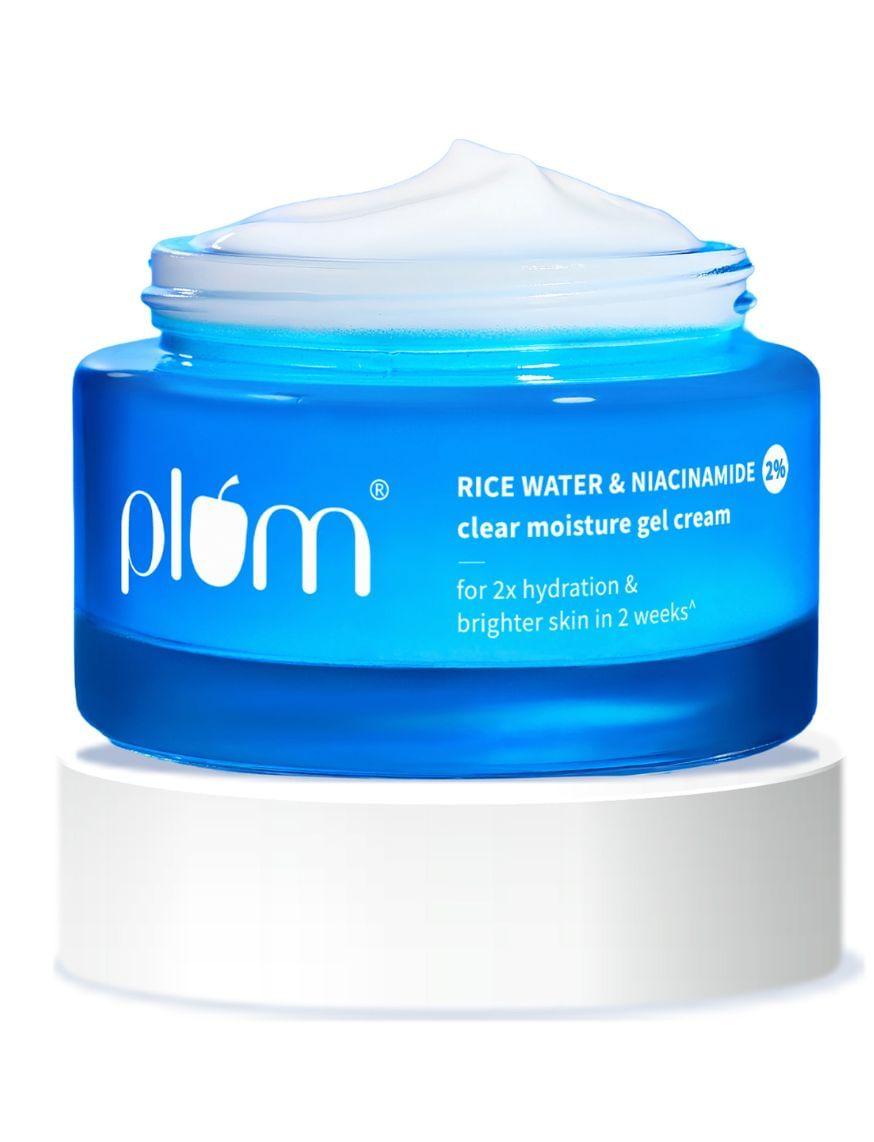
2% Niacinamide & Rice Water Brightening Gel Moisturizer
Great Texture & Moisturizing
 5
5“love the texture it moisturize my skin deply”
Great Texture & Moisturizing
5“love the texture it moisturize my skin deply”
Great Texture & Moisturizing
5“love the texture it moisturize my skin deply”
Dry skin in India faces unique challenges—air conditioning, pollution, and seasonal changes can all affect hydration levels. A hyaluronic acid serum followed by a rich cream moisturiser can provide the intensive hydration your skin craves.
During winter months in northern India, you might need to layer multiple hydrating products or switch to heavier formulations to combat the dry air.
Combination skin can be tricky—your T-zone might be oily while your cheeks are dry. Consider using different products on different areas of your face, or choose gentle, balanced formulations that won't over-treat any particular zone.
For sensitive skin, patch testing is crucial. Start with gentle, fragrance-free options and introduce new products one at a time to identify any potential irritants.
With so many options available, knowing which categories to explore can save you time and money. Here are the most effective types of serums and moisturisers for common Indian skin concerns.
When looking for the best face serum, consider these proven categories:
Vitamin C serums: Perfect for tackling pigmentation and dullness caused by sun exposure
Hyaluronic acid serums: Essential for maintaining hydration in air-conditioned environments
Niacinamide serums: Great for controlling oil and minimising pores in humid weather
Retinol serums: Ideal for anti-ageing and improving skin texture
For the best moisturiser options, these categories cover most skin needs:
Gel moisturisers: Lightweight and perfect for oily skin or humid climates
Cream moisturisers: Rich and nourishing for dry skin or air-conditioned environments
SPF moisturisers: Two-in-one protection for busy mornings
Night moisturisers: Heavier formulations designed for overnight repair
You don't need to break the bank for effective skincare. Many affordable brands offer excellent serums and moisturisers with proven ingredients. However, sometimes investing in premium formulations with advanced delivery systems or unique ingredient combinations can be worth it for specific concerns.
The key is finding what works for your skin and budget. Platforms like Smytten make this easier by offering trial-sized versions of products, so you can test before committing to full sizes.
Getting the most from your skincare routine isn't just about buying the right products—it's about using them correctly and consistently. Here are some professional skincare tips to help you see better results.
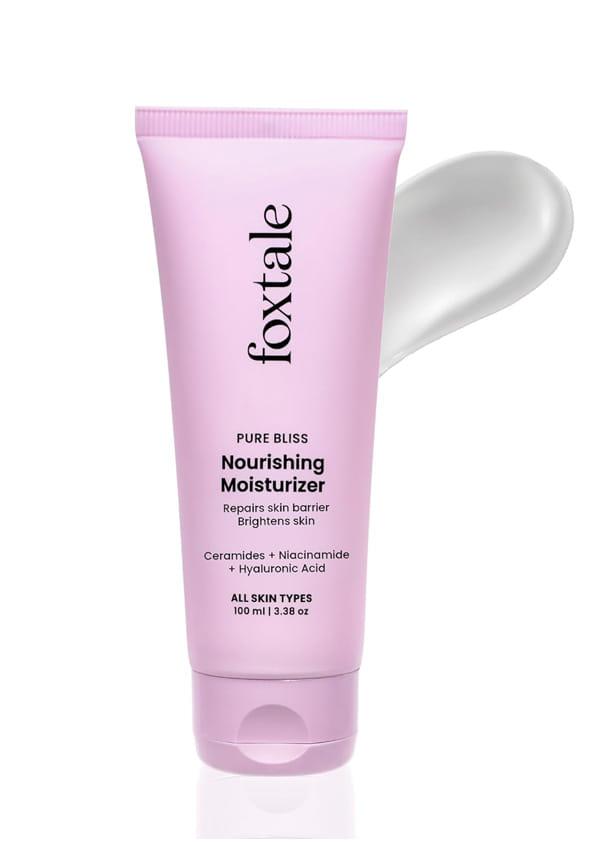
Nourishing Moisturiser with Niacinamide & Vit E for 24hrs Hydrated Glowing Skin
Love this moisturizer
5“this is my third tube and i love this moisturizer”
Loved lightweight moisturizer
4“i luved this lightweight moisturizer”
Good daily moisturizer
5“really good moisturizer, good for daily use”
This is one of the most common questions, and the answer depends on your skin type and the serum you're using. While some hydrating serums can provide enough moisture for oily skin in humid weather, most people benefit from using both products.
Serums and moisturisers work differently—serums treat, while moisturisers protect. Skipping moisturiser might leave your skin vulnerable to environmental damage, even if it feels hydrated from the serum.
Apply your moisturiser within three minutes of cleansing or showering to lock in maximum hydration. This is when your skin is still damp and can trap that extra moisture under the moisturiser.
This rule is particularly important in India's dry climates or during winter months when humidity levels drop significantly.
Your skin's needs change with the seasons, so your routine should too:
Summer: Lighter formulations, more focus on sun protection and oil control
Monsoon: Antifungal ingredients, lightweight hydration, focus on preventing breakouts
Winter: Richer moisturisers, hydrating serums, extra protection against dry air
Neither is inherently better—they serve different purposes. Serums are treatment products that target specific concerns, while moisturisers protect and hydrate. For most people, using both gives the best results. If you had to choose just one, consider your primary skin concern: specific issues like pigmentation call for serums, while general dryness or sensitivity might benefit more from a good moisturiser.
Most skin types benefit from using both products, especially in India's varied climate conditions. The combination provides both targeted treatment and protective hydration. However, people with very oily skin in humid climates might find a hydrating serum sufficient during certain seasons. Dry or mature skin almost always benefits from both products.
For oily skin, prioritise lightweight, non-comedogenic formulations. A niacinamide or salicylic acid serum can help control oil production, while a gel-based moisturiser provides necessary hydration without clogging pores. In very humid weather, you might use just a hydrating serum, but don't skip moisturiser entirely—your skin still needs that protective barrier.
Yes, using both products daily is safe and beneficial for most people. Start with a gentle routine and gradually introduce active ingredients. Always use sunscreen during the day, especially when using treatment serums that can increase photosensitivity.
The serum vs moisturiser debate doesn't have to be an either-or situation. Both products have unique benefits that complement each other beautifully in a well-rounded skincare routine. The key is understanding your skin type, climate, and specific concerns to choose the right formulations.
Remember, skincare is personal—what works for your friend might not work for you. This is where platforms like Smytten become invaluable. As India's largest product discovery platform, Smytten offers trial-sized versions of over 1,500 trusted skincare brands, letting you explore serums and moisturisers from brands like Cetaphil, Dot & Key, and others before committing to full sizes. With trial packs available for just ₹249 and 100% cashback on purchases, you can experiment with different products to find your perfect match without the financial risk.
Whether you're dealing with pigmentation from sun exposure, dryness from air conditioning, or oiliness from humidity, there's a serum and moisturiser combination that can help. The best routine is one you'll actually stick to, so start simple and build from there. Your skin will thank you for the consistency, and you'll love the confidence that comes with healthy, well-cared-for skin.
