Serum vs Ampoule: Your Skincare Questions Answered


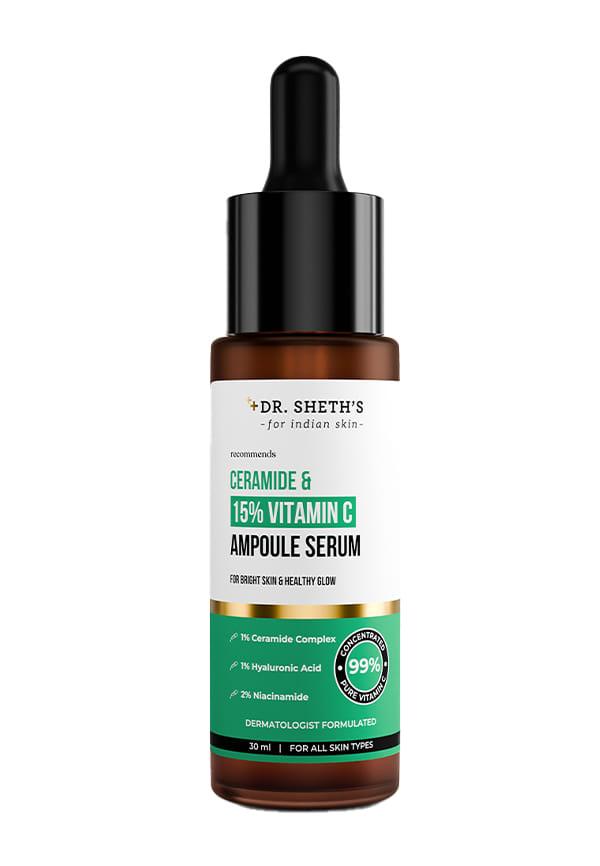
Ceramide & 15% Vitamin C Ampoule Serum
You're standing in front of your bathroom mirror, holding two nearly identical bottles. One says "serum," the other "ampoule." Both promise glowing skin, but which one actually delivers what your skin needs right now? If you've ever found yourself puzzled by these concentrated skincare products, you're not alone. The difference between serums and ampoules isn't just marketing fluff—it's about understanding which concentrated formula will work best for your skin goals and daily routine.
Think of a skincare serum as your skin's daily vitamin. These lightweight, water-based formulations are designed to slip seamlessly into your morning or evening routine, delivering a steady dose of active ingredients without overwhelming your skin. Unlike heavy creams or oils, serums have smaller molecular structures that allow them to penetrate deeper into your skin layers.
The beauty of a good face serum lies in its consistency. Most serums contain between 5-15% active ingredients—enough to make a real difference over time, but gentle enough for daily use. Whether you're dealing with dull skin from too many late nights or trying to prevent the first signs of ageing, serums work as your skin's steady companion.
The magic happens in the formulation. Serums are typically water-based or have a gel-like consistency that feels almost weightless on your skin. This isn't by accident—the lighter texture allows the active ingredients like niacinamide, hyaluronic acid, or vitamin C to absorb quickly without leaving that sticky residue that makes you want to wash your face immediately.
Most quality serums are designed for long-term use. You won't see dramatic overnight changes, but after 4-6 weeks of consistent use, you'll likely notice your skin looking more even, feeling smoother, and behaving more predictably. It's the skincare equivalent of going to the gym regularly—the results build gradually but last.
The real serum benefits show up in how your skin responds to daily stressors. Regular serum use can help your skin maintain better hydration levels, especially during those AC-heavy summer months when your skin feels constantly parched. If you're dealing with post-acne marks or general dullness, a well-chosen serum can help your skin cell turnover process work more efficiently.
Serums also play well with other products in your skincare routine. They layer beautifully under moisturisers and don't interfere with your SPF application—a crucial factor for anyone serious about preventing premature ageing.
Now, let's talk about skincare ampoules—the intensive care unit of skincare products. If serums are your daily vitamins, ampoules are like getting an IV drip of nutrients directly into your skin. These highly concentrated formulations pack 15-30% or even higher percentages of active ingredients into each drop.
Ampoules originated in Korean skincare culture, where the philosophy centres around giving your skin exactly what it needs, when it needs it most. Think of those moments when your skin looks tired before a big event, or when hormonal changes have left you with unexpected breakouts. That's when a face ampoule becomes your skin's emergency responder.
The key difference lies in the concentration and intended use. Ampoules are formulated for short-term, intensive treatment cycles—usually anywhere from 7 to 28 days. The higher concentration of skincare ingredients means you're getting a more potent dose of actives like peptides, concentrated AHAs, or high-strength antioxidants.
The texture of ampoules can vary more than serums. Some feel almost identical to serums, while others have a slightly thicker, more viscous consistency that signals their concentrated nature. The packaging often reflects this intensity too—many ampoules come in smaller bottles or even single-use vials.
The ampoule benefits are all about visible, relatively quick results. When your skin needs a reset—perhaps after a stressful period that's left you looking dull, or when you want to prep your skin for a special occasion—ampoules deliver that extra boost your regular routine might not provide.
Many people notice improvements within the first week of using a quality ampoule. Your skin might look more radiant, feel firmer, or show reduced signs of fatigue. It's this immediate gratification that makes ampoules particularly appealing when you need your skin to look its best quickly.
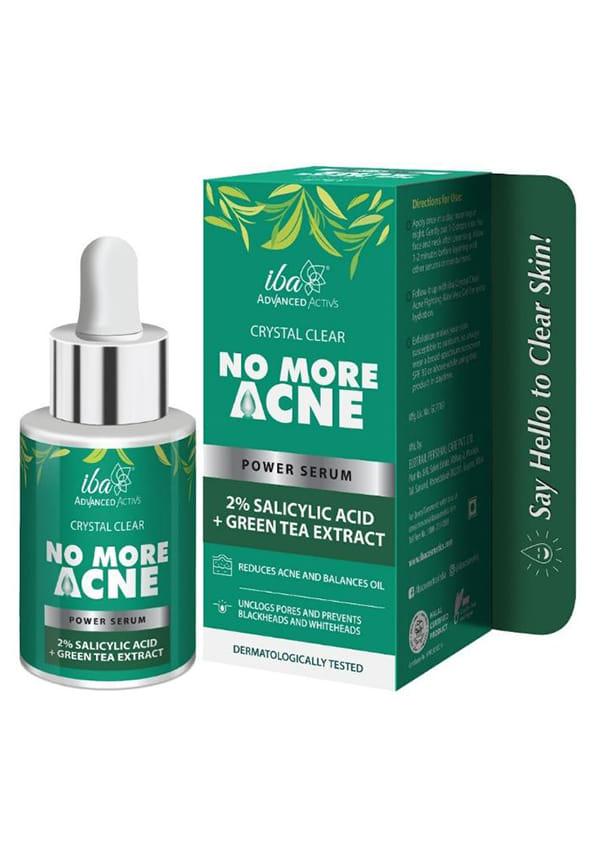
2% Salicylic Acid Advanced Activs Crystal Clear No More Acne Power Serum
Understanding the serum vs ampoule debate comes down to recognising what your skin needs right now versus what it needs long-term. Both products serve important but different roles in a comprehensive skincare approach.
The concentration difference is perhaps the most significant factor. While serums work with moderate concentrations that your skin can handle daily, ampoules pack a more intensive punch that's meant to create noticeable changes in a shorter timeframe. This isn't necessarily better or worse—it's just different approaches to skincare goals.
When we talk about concentration in concentrated skincare, we're referring to the percentage of active ingredients in the formula. A typical serum might contain 10% niacinamide, while an ampoule could contain 20% or higher. This difference affects how quickly you see results and how often you can safely use the product.
Higher concentration doesn't automatically mean better results, though. Your skin has limits on how much it can absorb and process at once. Using a highly concentrated ampoule daily might actually irritate your skin or cause it to become oversensitive to other products in your routine.
This is where the practical differences become clear. Serums are designed for the long haul—you can use them twice daily for months or even years without concern. Ampoules, however, work best in cycles. You might use an ampoule for two weeks, then take a break before starting another intensive treatment cycle.
Think of it like exercise: serums are your daily walk, while ampoules are your intensive weekend hike. Both have their place, but you wouldn't attempt a mountain climb every single day.
The way these products feel on your skin often reflects their intended use. Serums typically absorb within 30-60 seconds, leaving your skin ready for the next step in your routine. Ampoules might take slightly longer to absorb due to their concentrated nature, and some leave a subtle film that signals the active ingredients are still working on your skin's surface.
One of the most common questions about these concentrated skincare products is whether you can use them together. The short answer is yes, but with some important considerations about timing, application order, and ingredient compatibility.
Layering multiple concentrated products requires understanding how different ingredients interact. Some combinations work beautifully together, enhancing each other's effects. Others can cause irritation or reduce the effectiveness of both products.
The golden rule of skincare layering applies here: thinnest to thickest consistency. If your ampoule has a lighter texture than your serum, apply it first. However, most ampoules are more concentrated and slightly thicker, so they typically go on after your serum.
Wait about 3-5 minutes between applications to allow the first product to absorb properly. This prevents the products from mixing on your skin's surface, which can reduce their individual effectiveness.
When using both products, start slowly. Begin with your regular serum routine, then introduce the ampoule every other day to see how your skin responds. Some ingredients play well together—hyaluronic acid and niacinamide, for example—while others need to be used at different times of day.
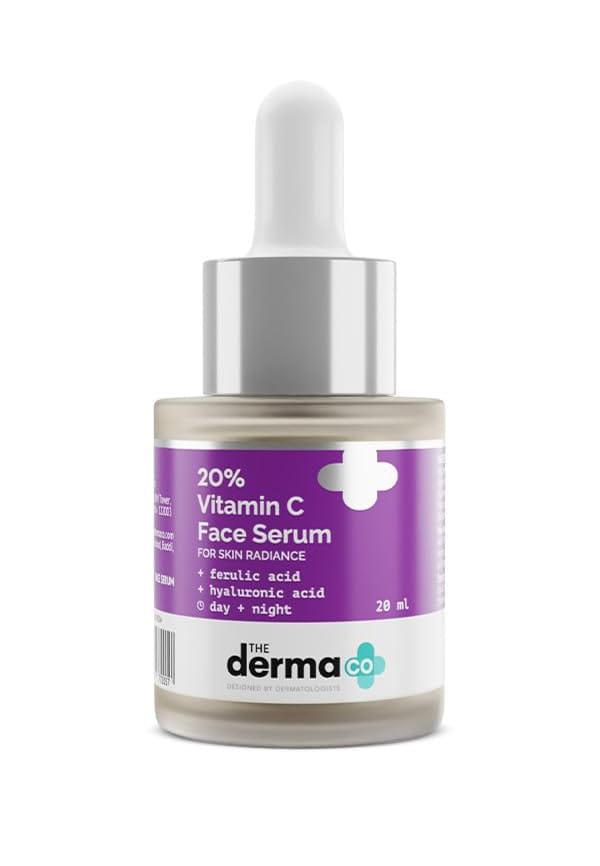
20% Vitamin C Serum
Avoid combining multiple exfoliating ingredients or high concentrations of actives. If your serum contains AHAs and your ampoule contains retinol, consider using them on alternating evenings rather than layering them together.
The question isn't really which product is better overall, but which one serves your current skin needs more effectively. Your choice between an ampoule or serum should depend on your skin goals, timeline, and how your skin typically responds to active ingredients.
Consider your skin's current state and what you're hoping to achieve. Are you looking for gradual, long-term improvement, or do you need visible results for a specific event or concern?
Choose serums when you want consistent, reliable results without the complexity of cycling products in and out of your routine. They're perfect for addressing ongoing concerns like dehydration, mild hyperpigmentation, or maintaining healthy skin as you age.
Serums also work better for sensitive skin types who might find ampoules too intense. If you're new to active ingredients or have reactive skin, starting with a well-formulated serum gives you the benefits of concentrated skincare without overwhelming your skin's natural barrier.
Ampoules shine when you need intensive treatment for specific concerns. Planning for a wedding or important event? An ampoule can help your skin look its absolute best. Dealing with a sudden bout of hormonal acne or post-summer sun damage? The concentrated approach of an ampoule can help address these concerns more quickly than a serum alone.
They're also excellent for seasonal skincare adjustments. When your skin needs extra support during harsh winter months or recovery after summer sun exposure, a targeted ampoule treatment can provide that intensive care.
While some gentle ampoules can be used daily, most are designed for short-term intensive use. Daily use of highly concentrated ampoules can lead to over-exfoliation, increased sensitivity, or even a condition called retinoid dermatitis if the ampoule contains vitamin A derivatives.
Pay attention to how your skin responds. Signs that you might be overdoing it include increased redness, unusual dryness, or skin that feels tight and uncomfortable. When in doubt, follow the manufacturer's recommendations and give your skin breaks between intensive treatment cycles.
Incorporating both serums and ampoules into your skincare routine doesn't have to be complicated. The key is understanding when and how to use each product type to maximise their benefits without overwhelming your skin.
Think of your routine as having different phases: maintenance periods where serums do the heavy lifting, and intensive treatment periods where ampoules provide that extra boost. This cyclical approach keeps your skin challenged and responsive to active ingredients.
Most serums work well in both morning and evening routines, but ampoules often perform better in the evening when your skin is in repair mode. Some concentrated ingredients can increase sun sensitivity, making evening application safer and more effective.
If you're using both products, consider applying your serum in the morning under SPF and your ampoule in the evening when you have more time for a comprehensive routine. This approach also helps prevent any potential interactions between multiple concentrated products.
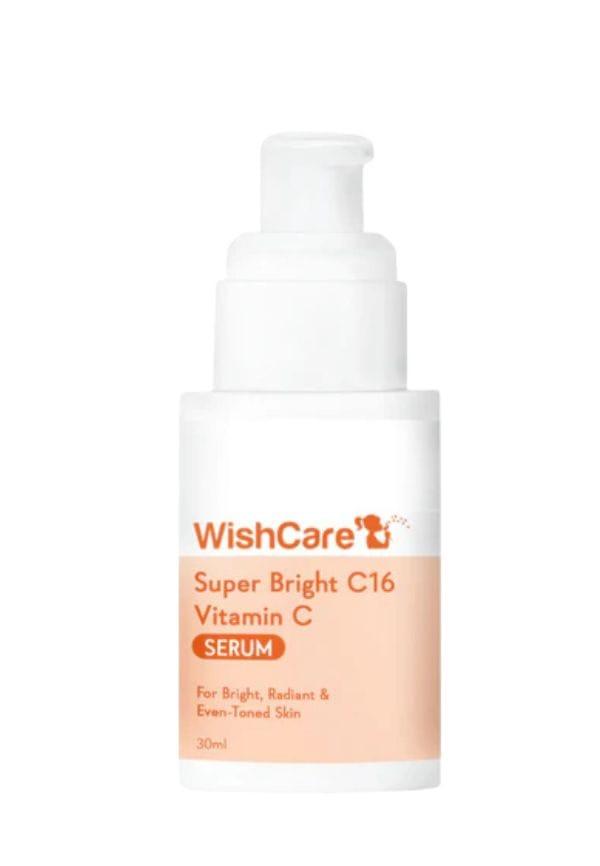
Super Bright C16 Vitamin C Face Serum
Both serums and ampoules fit into your routine after cleansing and toning but before moisturiser and SPF. The key is maintaining the proper order: cleanser, toner, serum, ampoule (if using both), moisturiser, and SPF during the day.
Don't forget that these concentrated products work best when your skin is properly prepared. A good cleanser removes barriers to absorption, while a quality moisturiser helps seal in the active ingredients and prevents irritation.
The main difference lies in concentration and intended use. Serums contain 5-15% active ingredients and are designed for daily, long-term use. Ampoules contain 15-30% or higher concentrations of actives and are formulated for short-term, intensive treatment cycles of 7-28 days.
Yes, you can use both products together, but start slowly and pay attention to how your skin responds. Apply the thinner product first, wait 3-5 minutes, then apply the second product. Avoid combining multiple exfoliating ingredients or high concentrations of actives.
Most ampoules are designed for cycles of 7-28 days, depending on the concentration and your skin's tolerance. Follow the manufacturer's recommendations and give your skin breaks between intensive treatment cycles to prevent over-treatment.
Ampoules can be too intense for very sensitive skin due to their high concentration of active ingredients. If you have sensitive skin, start with a well-formulated serum and gradually introduce ampoules with patch testing and less frequent use.
Serums typically show results after 4-6 weeks of consistent use, focusing on gradual, long-term improvement. Ampoules often show visible results within the first week due to their concentrated formulation and intensive treatment approach.
While some ampoules can be used during the day, many work better in evening routines when your skin is in repair mode. Some concentrated ingredients can increase sun sensitivity, making evening application safer. Always follow with SPF if using during the day.
Understanding the difference between serums and ampoules empowers you to make smarter choices about your skincare routine. Serums provide the steady, reliable support your skin needs for long-term health, while ampoules offer intensive treatment when your skin needs that extra boost.
The beauty of modern skincare lies in having options that match your skin's changing needs. Some weeks, your trusty serum is all you need. Other times, an ampoule provides exactly the concentrated care your skin is craving. Both products have earned their place in thoughtful skincare routines.
If you're curious about trying either product type but hesitant to commit to full sizes, platforms like Smytten offer a practical solution. With over 28 million users discovering products through curated trial options, you can explore different serums and ampoules from trusted brands before making larger investments. This approach takes the guesswork out of finding products that truly work for your unique skin needs.
