Sensitive Skin Triggers Explained: Your FAQ Guide


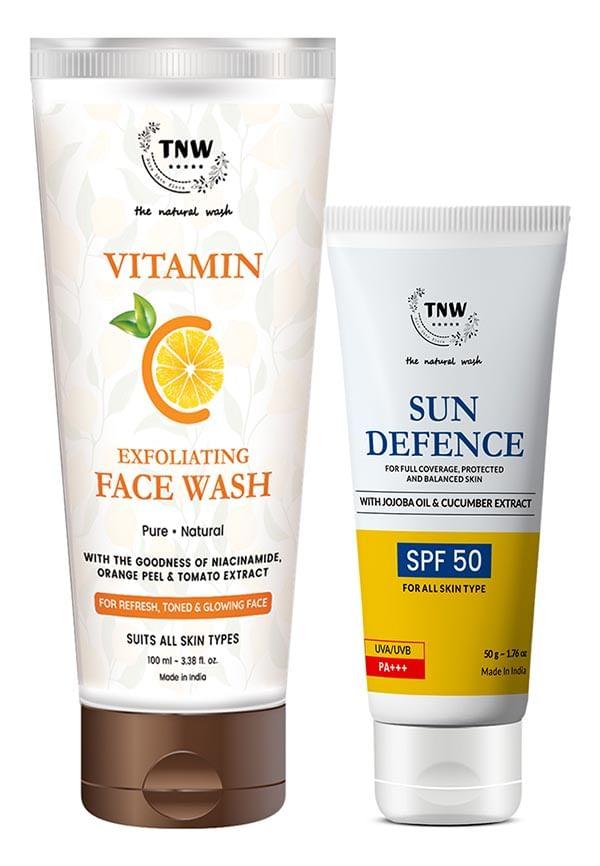
Vitamin C Exfoliating Face Wash and Sun Defense with Natural Ingredients | For Glowing and Healthy Skin | ChemicalFree Skincare Products,2 Pc
If your skin feels like it's constantly throwing a tantrum—burning after applying moisturiser, turning red from seemingly innocent products, or reacting to changes in weather—you're not alone. Sensitive skin affects millions of people, yet understanding what triggers these reactions can feel like solving a mystery. The truth is, sensitive skin triggers explained properly can help you identify patterns and take control of your skin's wellbeing. From skincare ingredients to environmental factors, food sensitivities to stress, there are numerous culprits that could be causing your skin to react. At Smytten, we understand how frustrating it can be to navigate sensitive skin, which is why we offer trial-sized products that let you test formulations before committing to full sizes. This comprehensive guide will walk you through everything you need to know about skin sensitivity causes, helping you identify your personal triggers and develop strategies to keep your skin calm and comfortable.
Sensitive skin triggers include skincare ingredients (fragrances, acids, alcohol), environmental factors (temperature changes, pollution), and lifestyle elements (stress, diet, hormones)
Common irritants for sensitive skin are harsh cleansers, synthetic fragrances, extreme weather, and certain foods like dairy or high-glycemic items
Identifying skin allergens requires patch testing, keeping a sensitivity journal, and sometimes professional allergy testing
Fragrance-free skincare benefits include reduced risk of reactions, and gentle routines with lukewarm water and barrier-repairing ingredients help soothe sensitive skin
Building an effective routine involves gradual product introduction, consistent moisturising, and proper sun protection
Sensitive skin isn't just about having delicate skin—it's a legitimate condition where your skin reacts more intensely to stimuli that wouldn't typically bother others. Understanding what makes skin react starts with recognising the signs and distinguishing between different types of skin sensitivity.
Recognising sensitive skin reactions can help you address issues before they worsen. Here are the telltale signs:
Burning or stinging sensations when applying products, even gentle ones
Persistent redness and inflammation that doesn't seem to calm down
Itching and tightness throughout the day, especially after cleansing
Dryness and flaking despite regular moisturising
Immediate reactions to new products, weather changes, or stress
Not all skin reactions are the same, and understanding these distinctions helps with proper skin care for reactive skin. Sensitive skin often shows symptoms without visible signs, whilst reactive skin displays obvious redness or irritation. Allergic reactions, meanwhile, involve your immune system and can cause more severe symptoms like swelling or hives. Knowing which category your skin falls into helps determine the best treatment approach.
Understanding skin sensitivity causes requires looking at various factors that can compromise your skin barrier. These triggers often work together, making your skin more vulnerable to reactions.
Many skincare ingredients can trigger sensitive skin reactions, even in products marketed as gentle:
Harsh soaps and cleansers with high pH levels that strip natural oils
Fragrances and synthetic dyes that provide no skincare benefit but high irritation potential
Alcohol-based formulations that can severely dehydrate and irritate
Retinoids and alpha hydroxy acids when introduced too quickly or in high concentrations
Your surroundings play a massive role in skin sensitivity. Environmental factors affecting skin include both outdoor and indoor elements that can trigger reactions:
Extreme temperatures and sudden weather changes that shock the skin
UV radiation and prolonged sun exposure without proper protection
Air pollution and indoor allergens like dust mites or pet dander
Low humidity and seasonal transitions that affect skin moisture levels
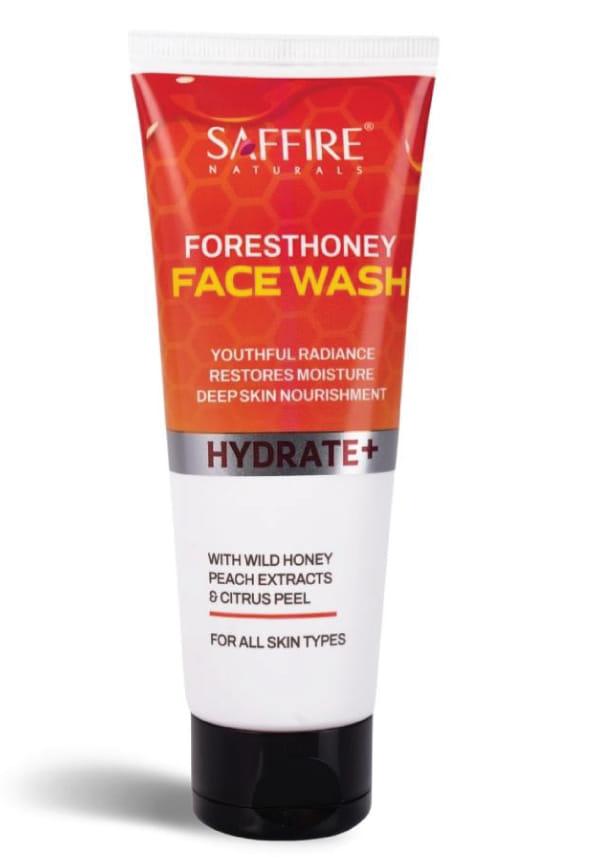
Forest Honey Face Wash | oil free & glowing skin
Beyond skincare, everyday products contain chemicals that can trigger sensitivity:
Household cleaning products with harsh chemicals that can transfer to skin
Laundry detergents and fabric softeners that leave residue on clothing
Makeup and cosmetic ingredients including preservatives and colour additives
Workplace chemical exposure from cleaning supplies or industrial materials
When skin that was previously fine suddenly becomes reactive, it's often due to internal changes or external stressors that have compromised your skin barrier. Identifying skin allergens becomes crucial when sensitivity appears seemingly out of nowhere.
Hormones significantly impact skin sensitivity, and fluctuations can trigger sudden reactions:
Pregnancy and menstrual cycles cause hormone fluctuations that affect skin barrier function
Menopause and ageing reduce natural oil production and skin thickness
Stress-induced cortisol spikes weaken the skin's natural protective mechanisms
Daily habits and health changes can suddenly make skin more reactive:
Poor sleep and dehydration compromise skin repair and barrier function
Dietary changes and new food sensitivities can manifest as skin reactions
Medication side effects from antibiotics, blood pressure medications, or supplements
Climate changes from moving to new locations with different environmental conditions
When your skin barrier becomes damaged, it loses its ability to protect against irritants. Stress weakens skin protection by increasing inflammation and reducing repair mechanisms. Over-exfoliation from using too many active ingredients or scrubbing too vigorously can also compromise barrier function, whilst harsh weather conditions like wind or extreme cold can strip away protective oils.
The relationship between food sensitivities and skin is complex but real. What you eat can directly impact skin inflammation and sensitivity levels, making dietary awareness an important part of managing reactive skin.
Certain foods are more likely to trigger skin sensitivity reactions:
Dairy products can increase inflammation and worsen skin sensitivity in some people
High-glycemic foods like refined sugars and processed carbs can trigger inflammatory responses
Alcohol consumption can cause histamine responses and increase skin reactivity
Spicy foods may cause temporary flushing and increased circulation that triggers sensitivity
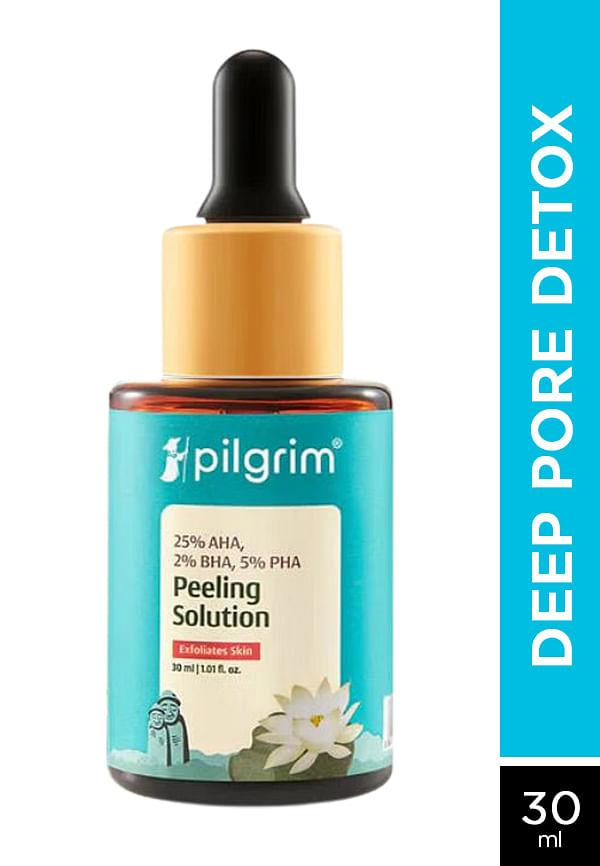
25% AHA, 2% BHA, 5% Pha Peeling Solution
Nice product, soft skin
 5
5“very nice product and soft skin ✨️”
Good & Budget Friendly
5“ye bhe bahut accha hai or budget me”
Tightens Skin, No Side Effects
5“amazing..it tightens my skin with no side effects”
Connecting diet to skin reactions requires careful observation and sometimes professional guidance. An elimination diet approach involves removing suspected trigger foods for several weeks, then reintroducing them one at a time whilst monitoring skin responses. Pay attention to the timing of reactions—food-related skin issues often appear within hours to days after consumption. Working with healthcare providers or registered dietitians can help identify patterns and ensure nutritional needs are met during elimination phases.
Successfully managing sensitive skin requires understanding your specific triggers. Identifying skin allergens involves systematic testing and careful observation of your skin's responses to different stimuli.
Patch testing is your first line of defence against skin reactions:
DIY testing for skincare products: Apply a small amount to your inner wrist or behind your ear, wait 24-48 hours
Professional allergy testing: Dermatologists can test for specific allergens using standardised patches
Reading results: Look for redness, swelling, itching, or burning at the test site
Documentation helps identify patterns that might not be immediately obvious. Track daily triggers and reactions, noting products used, foods eaten, stress levels, and environmental conditions. Document environmental factors like weather changes, air quality, or new locations. Analyse product ingredients to identify common components in products that cause reactions.
Sometimes professional help is necessary for proper diagnosis. See a dermatologist if reactions are severe, persistent, or interfering with daily life. Allergy testing procedures can identify specific environmental or contact allergens through patch testing or blood tests. Understanding test results helps create targeted avoidance strategies and treatment plans.
Managing sensitive skin requires a gentle, consistent approach that focuses on barrier repair and trigger avoidance. The key is building a routine that soothes rather than stimulates your skin.
Fragrance-free skincare benefits extend beyond just avoiding reactions—they allow your skin to focus on healing rather than defending against irritants:
Reduced reaction risk: Fragrances are among the most common skincare allergens
Better ingredient tolerance: Without fragrance masking effects, you can better assess how your skin responds to active ingredients
Improved barrier function: Fragrance-free formulations often contain more barrier-repairing ingredients
When your skin is having a reaction, quick action can prevent worsening:
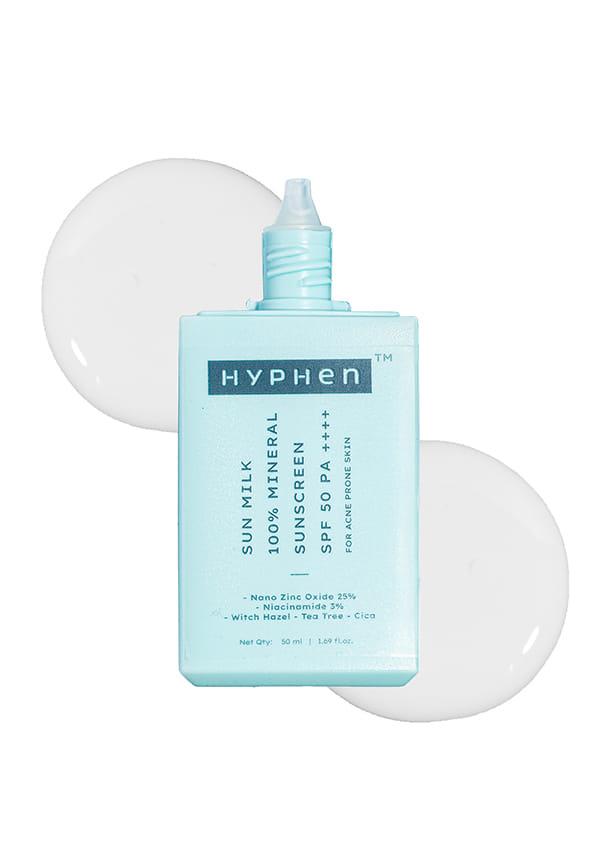
Sun Milk 100% Mineral Sunscreen SPF 50 PA++++ 25% Nano Zinc Oxide
Great for Oily Skin
4“great for oily skin it makes glow”
Super and Nice Product
5“super and nice product I liked it”
Super and Nice Product
5“super and nice product I liked it”
Cool compresses: Apply a clean, cool, damp cloth to affected areas for 10-15 minutes
Gentle cleansing: Use lukewarm water and a fragrance-free, gentle cleanser
Barrier repair: Apply a simple, fragrance-free moisturiser whilst skin is still damp
Avoid further irritation: Stop using any new products and stick to basics until skin calms
A successful routine for sensitive skin focuses on simplicity and consistency. Use gentle, low-pH cleansers that won't strip natural oils, and cleanse only once daily unless necessary. Apply moisturiser immediately after cleansing to lock in hydration and repair the skin barrier. Use broad-spectrum SPF 30 or higher daily, choosing mineral sunscreens with zinc oxide or titanium dioxide for sensitive skin. When introducing new products, add only one at a time and wait at least a week before adding another.
Sudden skin sensitivity often results from compromised skin barrier function due to stress, hormonal changes, new products, or environmental factors like climate changes. Your skin barrier may have been weakened by over-exfoliation, harsh weather, or internal factors like poor sleep or dehydration. When the barrier is compromised, previously tolerated products can suddenly cause burning or stinging sensations.
The most common triggers include fragrances in skincare and household products, harsh soaps with high pH levels, extreme temperatures, stress-induced hormonal changes, and certain skincare ingredients like retinoids or acids when introduced too quickly. Environmental factors such as pollution, low humidity, and UV exposure also frequently trigger sensitivity reactions.
Use gentle, fragrance-free products with minimal ingredients, avoid over-cleansing by limiting washing to once daily with lukewarm water, apply a simple moisturiser whilst skin is still damp, use broad-spectrum mineral sunscreen daily, and introduce new products gradually—only one at a time with at least a week between additions.
Yes, stress significantly impacts skin sensitivity by increasing cortisol levels, which weakens the skin barrier and makes it more reactive to irritants and allergens. Stress also increases inflammation throughout the body, including in the skin, and can disrupt sleep patterns that are crucial for skin repair and regeneration.
Mild reactions typically resolve within 24-48 hours with proper care, whilst more severe sensitivity may take 1-2 weeks to fully calm. The healing time depends on the severity of the reaction, the trigger involved, and how quickly you can eliminate the cause and implement soothing care measures.
Absolutely! Trial-sized products are perfect for testing skin sensitivity before committing to full-size purchases. Smytten offers mini-sized products from trusted brands, allowing you to patch test and try formulations safely. This approach is particularly valuable for sensitive skin, as it minimises waste and financial loss if a product doesn't work for your skin.
Understanding your sensitive skin triggers is the first step towards achieving comfortable, healthy skin. The most effective approach combines identifying your personal triggers through careful observation and testing, building a gentle routine with fragrance-free products, and addressing internal factors like stress and diet that can impact skin sensitivity. Remember that sensitive skin management is a journey—what works for others may not work for you, and your triggers may change over time due to hormonal fluctuations, environmental changes, or lifestyle factors. The key is patience, consistency, and a willingness to adapt your routine as needed. Focus on barrier repair through gentle cleansing, consistent moisturising, and sun protection, whilst gradually introducing new products only after proper testing.
Managing sensitive skin doesn't have to mean settling for limited options or constant reactions. With platforms like Smytten, you can safely explore new products through trial packs before committing to full sizes—a game-changer for anyone with reactive skin. Smytten offers curated trial packs from over 2,400 trusted brands, letting you test formulations risk-free with 100% cashback on trial purchases. This try-before-you-buy approach is particularly valuable for sensitive skin, as it allows you to build a personalised routine without the fear of wasting money on products that might trigger reactions. With PAN-India delivery and authentic, brand-verified minis, you can confidently explore gentle, effective skincare solutions that work for your unique skin needs. After all, why settle for maybe when you can #TryItAll and find what truly works for your sensitive skin?
