Sensitive Skin Skincare India: Ingredients to Avoid FAQ


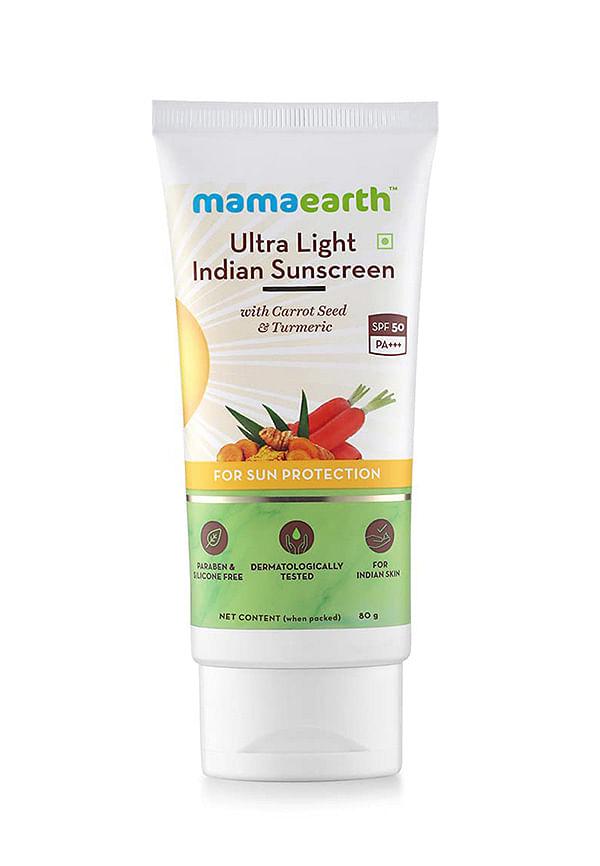
Ultra Light indian Sunscreen
Your skin feels tight after cleansing, burns when you apply that new serum everyone raves about, or breaks out in red patches from products that work brilliantly for your friends. If this sounds familiar, you're likely dealing with sensitive skin — and you're definitely not alone. In India's challenging climate of high humidity, pollution, and intense UV exposure, sensitive skin becomes even more reactive. The key to managing it? Knowing exactly which ingredients to steer clear of before they cause havoc.
Sensitive skin isn't just about having delicate skin — it's about having a compromised skin barrier that reacts to ingredients, environmental factors, or even stress. Unlike truly allergic reactions, sensitive skin typically shows up as redness, stinging, burning, itching, or tightness within minutes of product application.
India's climate makes sensitive skin particularly challenging to manage. The combination of high humidity, air pollution, hard water, and intense UV radiation creates a perfect storm for skin reactivity. During monsoons, increased humidity can trap irritants against the skin, whilst summer heat amplifies the penetration of harsh ingredients. Even winter's dry air can worsen sensitivity by further compromising the skin barrier.
Research suggests that nearly 40% of Indian women experience some form of sensitive skin, with urban dwellers facing higher rates due to pollution exposure. The good news? Most sensitivity is manageable once you identify and avoid your trigger ingredients.
Not all skincare ingredients are created equal, especially when your skin tends to react. Here are the biggest culprits that can turn your skincare routine into a source of irritation rather than improvement.
Fragrances top the list of skincare irritants, responsible for more allergic contact dermatitis than any other cosmetic ingredient. Whether synthetic or natural, fragrances can trigger immediate reactions or build up sensitivity over time. The tricky part? Even products labelled "unscented" may contain masking fragrances to cover up the natural smell of other ingredients.
Essential oils like lavender, citrus oils, and tea tree — whilst natural — are actually concentrated fragrances that can be particularly irritating. For truly fragrance free skincare, look for products specifically labelled "fragrance-free" rather than "unscented."
Not all alcohols are bad for skin, but denatured alcohol, SD alcohol, and isopropyl alcohol can be particularly harsh. These drying alcohols strip away the skin's natural protective barrier, leaving it vulnerable to irritation and environmental damage. They're commonly found in toners, astringents, and some gel-based products.
The confusion comes because some alcohols — like cetyl alcohol and stearyl alcohol — are actually beneficial fatty alcohols that help moisturise skin. For alcohol free skincare, you're avoiding the drying types, not the nourishing ones.
Sodium Lauryl Sulfate (SLS) and Sodium Laureth Sulfate (SLES) are powerful cleansing agents that create that satisfying foam in cleansers. However, they can be too harsh for sensitive skin, stripping away natural oils and disrupting the skin barrier. This is particularly problematic in India, where hard water can make sulfates even more irritating.
Look for sulfate-free cleansers that use gentler surfactants like coco-glucoside or sodium cocoyl isethionate instead.
The "natural" label doesn't guarantee gentleness. Essential oils are highly concentrated plant extracts that can cause significant irritation, especially oils like peppermint, eucalyptus, cinnamon, and citrus oils. Even beloved oils like tea tree can be problematic at high concentrations.
If you want to try a product with essential oils, always patch test first and look for formulations where they appear near the end of the ingredient list, indicating lower concentrations.
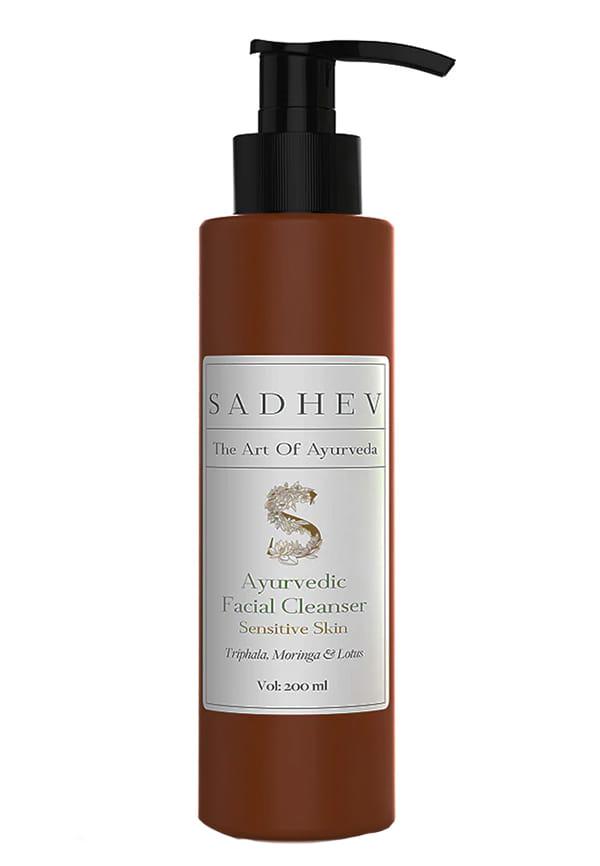
Ayurvedic Facial Cleanser Sensitive Skin
Those satisfying gritty scrubs with walnut shells, apricot kernels, or microbeads might feel like they're working, but they can create microscopic tears in sensitive skin. Physical exfoliants with irregular, sharp particles are particularly problematic for compromised skin barriers.
If you need exfoliation, opt for gentle chemical exfoliants at low concentrations or soft physical exfoliants like rice powder or oatmeal.
Active ingredients can deliver impressive results, but they require careful introduction for sensitive skin types. Here's how to navigate the most common actives without triggering irritation.
Glycolic acid and lactic acid are popular for their skin-smoothing benefits, but they can be too intense for sensitive skin, especially at higher concentrations. AHAs work by dissolving the bonds between dead skin cells, which can temporarily compromise the skin barrier.
If you want to try AHAs, start with lactic acid at 5% or lower, as it's generally gentler than glycolic acid. Always introduce them slowly — once a week initially — and never use them without proper sun protection.
Salicylic acid can be beneficial for sensitive skin that's also acne-prone, but concentration matters. Stick to 0.5-1% formulations and avoid leave-on products initially. BHAs are oil-soluble, so they penetrate deeper into pores, which can be both beneficial and potentially irritating.
Retinoids are gold standard anti-ageing ingredients, but they're notorious for causing initial irritation — redness, peeling, and sensitivity. For sensitive skin, this "retinisation" period can be particularly challenging.
If you want to incorporate retinoids, start with the gentlest forms like retinyl palmitate or granactive retinoid, and use them only once or twice a week initially. Always buffer with a moisturiser and use them only at night.
This acne-fighting ingredient is highly effective but notoriously drying and irritating. Benzoyl peroxide can cause redness, peeling, and increased sensitivity to sun exposure. For sensitive skin, concentrations above 2.5% are generally too harsh.
If you need acne treatment, consider gentler alternatives like niacinamide or azelaic acid, which offer anti-inflammatory benefits without the harsh side effects.
Preservatives are necessary to keep products safe, but some can trigger sensitivity in reactive skin types. Understanding which ones to avoid can help you make better product choices.
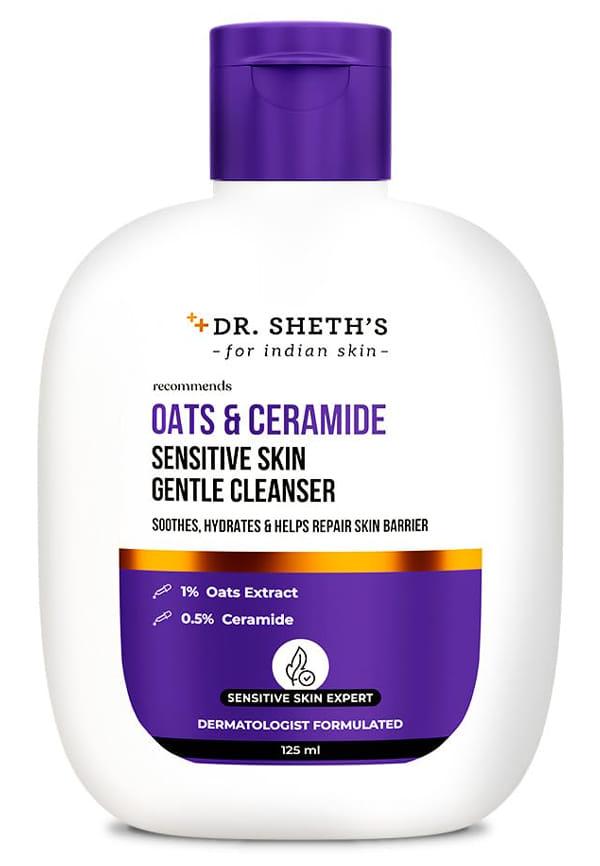
Oat & Ceramide Sensitive Skin Gentle Cleanser
Whilst parabens are generally safe for most people, some individuals with sensitive skin may react to them. Methylparaben and propylparaben are the most common culprits. If you notice irritation from multiple products, checking for parabens might help identify a pattern.
Many brands now offer paraben-free alternatives using preservation systems based on phenoxyethanol or natural preservatives.
Ingredients like DMDM hydantoin, quaternium-15, and imidazolidinyl urea slowly release small amounts of formaldehyde to preserve products. For sensitive skin, even these tiny amounts can cause cumulative irritation over time.
These preservatives are more common in budget products, so investing in higher-quality formulations often means avoiding them entirely.
Oxybenzone and octinoxate are chemical UV filters that can cause stinging and irritation, particularly around the delicate eye area. For sensitive skin, mineral sunscreens with zinc oxide or titanium dioxide are generally much better tolerated.
In India's intense sun, sun protection is non-negotiable, so finding a gentle sunscreen you can use daily is crucial for sensitive skin health.
Learning to decode ingredient lists is your best defence against sensitivity triggers. Ingredients are listed in order of concentration, with the highest concentrations first. This means if a potential irritant appears in the first five ingredients, it's present in significant amounts.
Look for terms like "parfum," "fragrance," "alcohol denat," or long chemical names ending in "-paraben." Free apps like YUKA or Think Dirty can help you scan ingredient lists quickly, though developing your own knowledge is most reliable.
Remember that ingredient names can be tricky — sodium hyaluronate sounds chemical but is actually the salt form of gentle, hydrating hyaluronic acid. When in doubt, research unfamiliar ingredients before trying new products.
Creating an effective gentle skincare routine for sensitive skin in India means balancing protection from environmental stressors with minimal ingredient exposure. Start with the basics: a gentle cleanser, a simple moisturiser, and broad-spectrum sunscreen.
For morning routines, focus on protection. Use a mild, sulfate-free cleanser, apply a lightweight moisturiser with niacinamide or ceramides, and finish with mineral sunscreen. During monsoons, you might need slightly lighter textures to prevent feeling sticky in high humidity.
Evening routines can include gentle treatment products if needed. Remove sunscreen and pollution with a gentle cleanser or micellar water, apply any treatment products (introduced slowly), and seal everything with a nourishing moisturiser. In winter, you might need richer textures to combat dry air.
The key is introducing new products one at a time, waiting at least a week between additions to identify any reactions. This patience pays off with a routine that actually supports your skin rather than fighting against it.
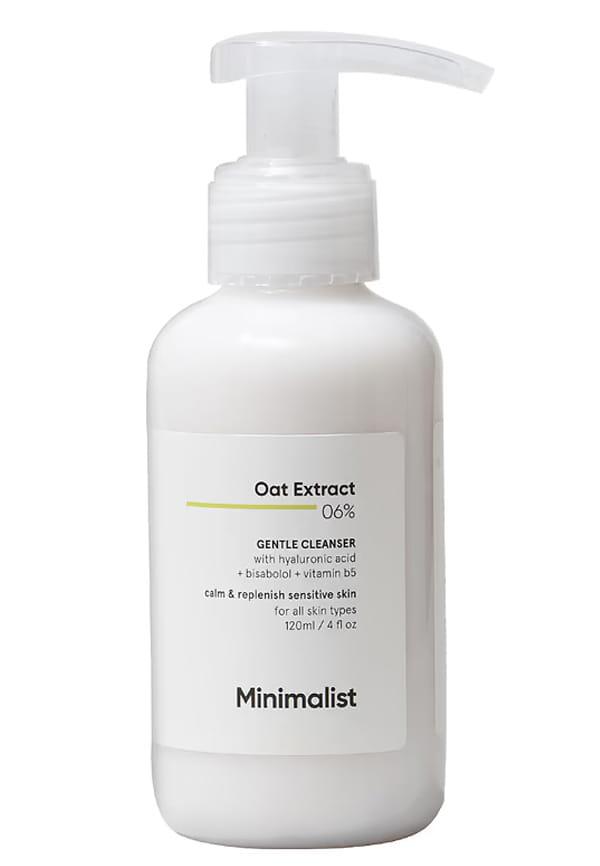
6% Oat Extract Gentle Cleanser With Hyaluronic Acid For Sensitive Skin
The main ingredients to avoid include fragrances (synthetic and natural), drying alcohols like denatured alcohol, sulfates (SLS/SLES), essential oils, harsh physical scrubs, and high concentrations of actives like glycolic acid or retinol. Also watch for preservatives like parabens and formaldehyde-releasing agents if you notice patterns of irritation.
Avoid products with long ingredient lists, multiple fragrances, alcohol-based toners, harsh scrubs, high-concentration acid peels, and products marketed as "deep cleansing" or "intensive." Also skip products with essential oils, particularly citrus, peppermint, or tea tree oils in high concentrations.
Patch test new products on your inner wrist or behind your ear for 24-48 hours before full face application. If you experience immediate stinging, burning, redness, or itching, discontinue use. For delayed reactions, keep a skincare diary noting when you introduce new products and any skin changes.
Price doesn't guarantee gentleness, but higher-end products often use more refined ingredients and better preservation systems. However, many affordable brands offer excellent fragrance free skincare options. Focus on ingredient quality rather than price — a simple, well-formulated drugstore moisturiser can be better than an expensive cream packed with potential irritants.
Yes, but choose gentle options like niacinamide, vitamin C in stable forms (magnesium ascorbyl phosphate), peptides, and hyaluronic acid. Avoid high-concentration retinoids and glycolic acid initially. Start with lower concentrations and build tolerance gradually.
Sensitive skin reactions are typically immediate — stinging, burning, or tightness within minutes of application. Allergic reactions often develop over 24-72 hours and may include swelling, severe redness, or blistering. If you suspect an allergic reaction, remove the product immediately and consult a dermatologist.
Mild irritation usually subsides within 24-48 hours once you stop using the triggering product. More severe reactions can take 5-7 days to fully heal. During recovery, stick to the gentlest products possible — just cleanser, moisturiser, and sunscreen.
Traditional ingredients like turmeric, neem, and sandalwood can be irritating for sensitive skin, despite their natural origins. Turmeric can stain and irritate, whilst neem is quite potent. Always patch test traditional remedies and consider that "natural" doesn't automatically mean gentle for reactive skin.
Managing sensitive skin in India's challenging climate doesn't mean giving up on effective skincare — it means being more selective and strategic. By avoiding common irritants like fragrances, drying alcohols, and harsh actives, you can build a routine that actually supports your skin barrier rather than compromising it further.
Remember that sensitivity can change over time. Ingredients that irritate you now might become tolerable as your skin barrier improves, whilst new sensitivities can develop. The key is listening to your skin and adjusting accordingly.
Building a gentle routine takes patience, but the payoff is significant — calmer, more resilient skin that can better handle India's environmental stressors. Start with the basics, introduce new products slowly, and never ignore your skin's signals.
For those looking to explore gentle formulations from trusted brands, Smytten's curated selection includes many fragrance free skincare and alcohol free skincare options from brands known for sensitive skin formulations. With over 28 million users discovering products that work for their unique skin needs, you can find gentle alternatives that actually deliver results without the irritation.
