Sensitive Skin Needs FAQ: Your Questions Answered


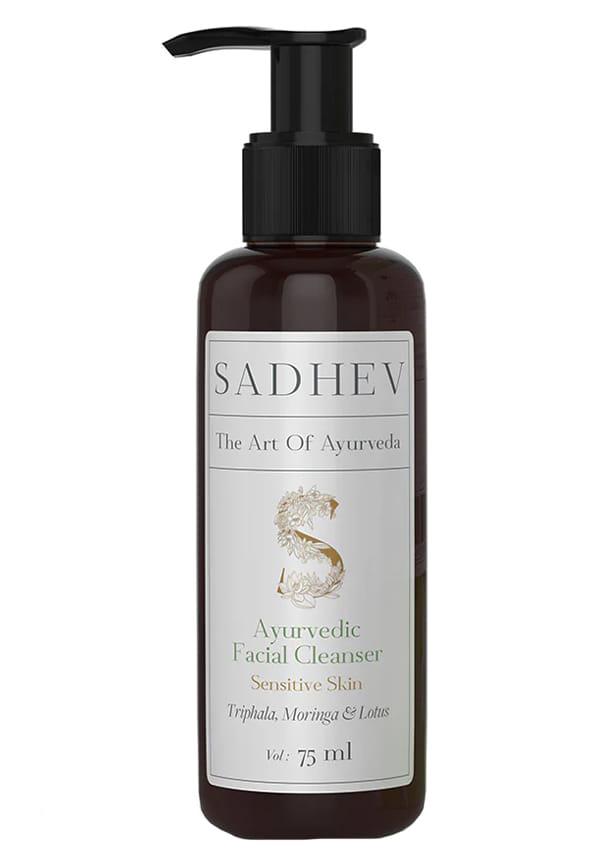
Ayurvedic Facial Cleanser Sensitive Skin
You've just applied your favourite moisturiser, and within minutes, your face feels like it's on fire. Or perhaps you've noticed your skin reacting to products that never bothered you before. If this sounds familiar, you're not alone. Understanding sensitive skin needs can feel overwhelming when your face seems to rebel against everything you try. The good news? Once you know what triggers your skin and how to care for it properly, managing sensitivity becomes much more straightforward.
Sensitive skin isn't actually a medical diagnosis, but rather a condition where your skin reacts more readily to products, environmental factors, or physical touch than normal skin types. Think of it as having a lower tolerance threshold – what might be perfectly fine for your friend could leave you red, stinging, or uncomfortable.
The most common signs include redness, burning sensations, stinging when applying products, itching, and tightness after cleansing. You might notice these reactions happen immediately after using a product, or they could develop over several hours. Some people experience what feels like a sunburn sensation, even when they haven't been in the sun.
It's worth noting that skin sensitivity differs from allergic reactions. Sensitivity typically causes immediate discomfort but doesn't involve your immune system. Allergic reactions, on the other hand, might include symptoms like hives, swelling, or severe itching that persists for days.
Here's a quick self-assessment: Does your skin often feel tight after washing? Do you frequently experience stinging when applying skincare products? Have you noticed certain weather conditions make your skin uncomfortable? If you're nodding along, you likely have sensitive skin that needs gentler care.
Sudden skin sensitivity can be puzzling, especially when products you've used for years start causing problems. Several factors contribute to this shift, and understanding them helps you regain control over your skincare routine.
Environmental factors play a huge role in red skin causes. Air conditioning can strip moisture from your skin, making it more reactive. Pollution, harsh weather, and even indoor heating can compromise your skin's protective barrier. Many people notice their sensitivity increases during winter months when humidity drops significantly.
Product-related triggers are equally important to consider. Fragrances are among the most common culprits, along with alcohol-based toners, harsh exfoliants, and products with high concentrations of active ingredients. Even switching to a new laundry detergent can affect facial skin if you're sleeping on freshly washed pillowcases.
Lifestyle changes also impact skin sensitivity. Stress hormones can make your skin more reactive, whilst dietary changes or new medications might trigger unexpected responses. Hormonal fluctuations during menstruation, pregnancy, or menopause often increase skin sensitivity temporarily.
Over-exfoliation is particularly problematic. Using multiple active ingredients or scrubbing too frequently damages your skin's protective barrier, making it vulnerable to irritation from products that were previously fine.
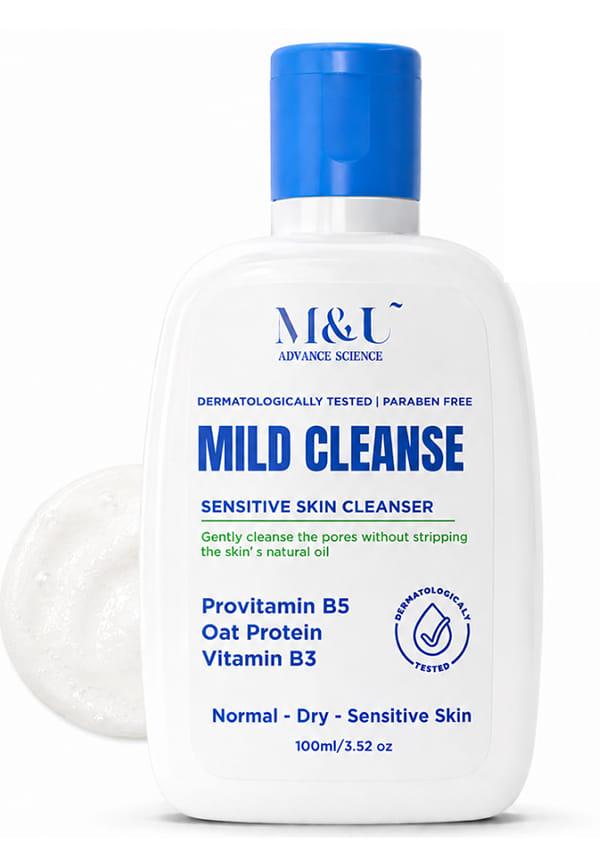
Mild Cleanse Gentle Cleanser for Sensitive Skin
Creating an effective routine for sensitive skin requires patience and a methodical approach. The key is introducing products slowly and focusing on skin barrier repair rather than trying to address multiple concerns simultaneously.
Start with the basics: a gentle cleanser, a simple moisturiser, and broad-spectrum SPF. Use these for at least two weeks before adding anything new. This gives your skin time to adjust and helps you identify which products work well for your particular sensitivity.
Your morning routine should focus on protection. Begin with lukewarm water and a fragrance-free cleanser that doesn't foam excessively. Follow with a lightweight, hypoallergenic moisturiser whilst your skin is still slightly damp. Always finish with SPF 30 or higher, as sensitive skin burns more easily and sun damage can worsen reactivity.
Evening routines allow for slightly more active ingredients, but introduce them gradually. Soothing skincare ingredients like niacinamide, ceramides, and hyaluronic acid work well for most sensitive skin types. Avoid retinoids, AHAs, and BHAs until your skin's barrier is fully restored.
Patch testing becomes crucial when you have sensitive skin. Apply new products to a small area behind your ear or on your inner wrist for 24-48 hours before using them on your face. This simple step can prevent widespread reactions that take weeks to calm down.
Shopping for gentle skin products requires becoming a label detective. Look for products specifically formulated for sensitive skin, but don't stop there – understanding ingredient lists helps you make better choices for your particular triggers.
Hypoallergenic skincare products undergo testing to minimise allergic reactions, but this doesn't guarantee they won't cause sensitivity. Similarly, "natural" doesn't always mean gentle – essential oils and botanical extracts can be highly irritating for reactive skin.
Prioritise fragrance-free skincare over "unscented" products. Unscented items might contain masking fragrances to cover natural ingredient odours, whilst fragrance-free products avoid these additives entirely. This single change often dramatically reduces skin reactivity.
Look for products with minimal ingredient lists. The fewer components, the lower your risk of encountering a trigger. Beneficial ingredients for sensitive skin include ceramides for barrier repair, niacinamide for reducing redness, and hyaluronic acid for gentle hydration.
pH-balanced products matter more for sensitive skin than other types. Your skin's natural pH sits around 5.5, and products that match this level cause less disruption. Many cleansers designed for sensitive skin specifically mention their pH balance on packaging.
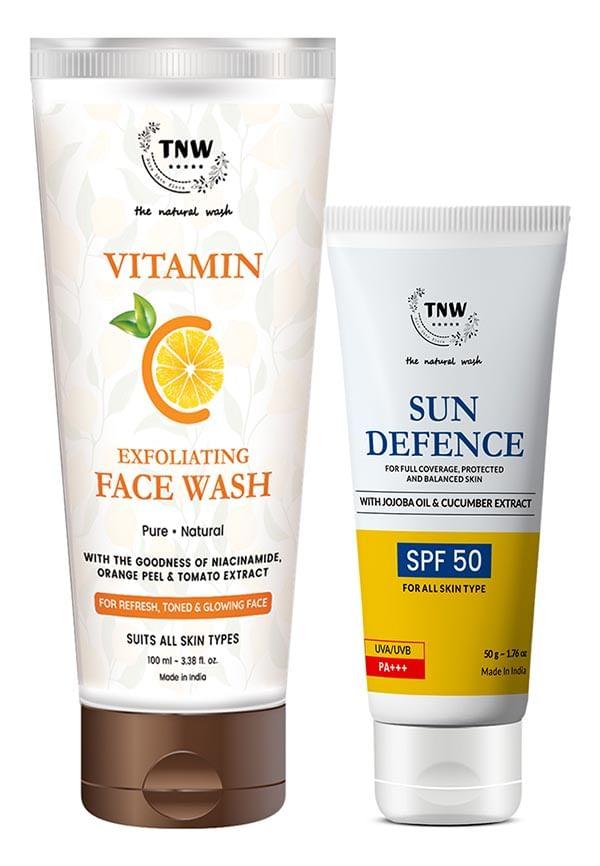
Vitamin C Exfoliating Face Wash and Sun Defense with Natural Ingredients | For Glowing and Healthy Skin | ChemicalFree Skincare Products,2 Pc
If your sensitivity includes persistent redness, visible blood vessels, or papules, you might be dealing with rosacea. This condition requires specialised care beyond general sensitive skin management.
Rosacea skincare focuses heavily on avoiding triggers whilst using anti-inflammatory ingredients. Common triggers include spicy foods, alcohol, extreme temperatures, and certain skincare ingredients like menthol or camphor. Keeping a trigger diary helps identify your personal problem areas.
For immediate relief during flare-ups, calming skin treatments can provide comfort. Cool compresses with plain water or chamomile tea help reduce inflammation. Avoid ice directly on skin, as extreme cold can worsen rosacea symptoms.
Professional treatments for sensitive skin require careful consideration. Chemical peels and microdermabrasion are generally too harsh, but gentle LED light therapy or professional-grade calming treatments might be beneficial when performed by experienced practitioners.
Sun protection becomes even more critical with rosacea. Physical sunscreens containing zinc oxide or titanium dioxide typically cause less irritation than chemical formulations. Wearing wide-brimmed hats and seeking shade during peak hours provides additional protection.
The most important thing to understand is that sensitive skin varies greatly between individuals. Core symptoms include redness, itching, burning, and stinging reactions to products or environmental factors. Your triggers might be completely different from someone else's, so personalised care is essential. Focus on gentle, consistent routines rather than trying multiple products simultaneously.
Sensitive skin requires three fundamental elements: gentle cleansing without over-stripping, consistent moisturising with fragrance-free formulas, and diligent sun protection. Skin barrier repair products containing ceramides or niacinamide help strengthen your skin's natural defences. Avoid products with alcohol, strong fragrances, or high concentrations of active ingredients until your skin stabilises.
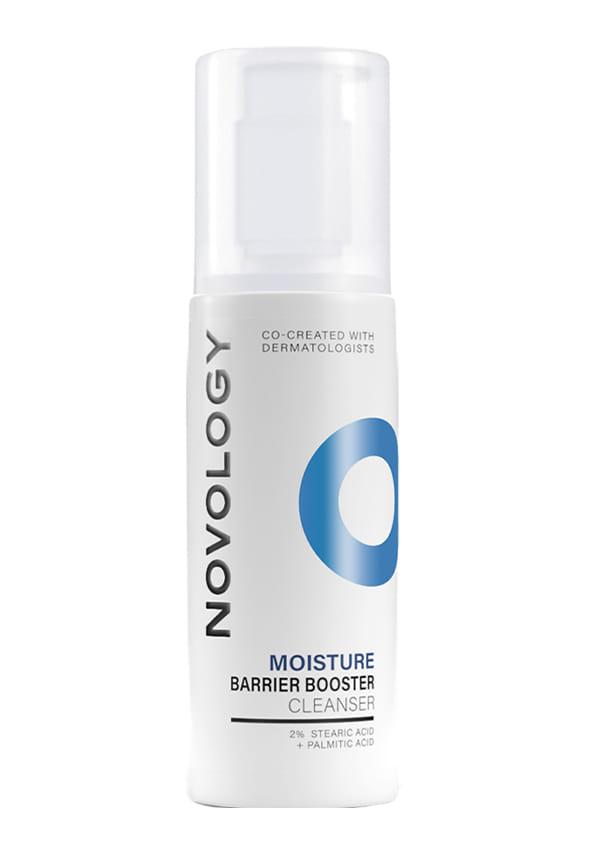
Gentle Face Cleanser, Non-Foaming Moisturising Face Wash, For Sensitive Skin
The 4-2-4 rule is a gentle cleansing method particularly beneficial for sensitive skincare routines. Massage cleansing oil into dry skin for 4 minutes, add water and massage for 2 minutes, then rinse with lukewarm water for 4 minutes. This technique thoroughly cleanses without aggressive rubbing that can irritate reactive skin.
Sudden sensitivity can occur due to hormonal changes, new medications, increased stress, or environmental factors. However, if sensitivity appears alongside other symptoms like severe itching, swelling, or persistent rash, consult a dermatologist. Sometimes underlying conditions like eczema or contact dermatitis require professional diagnosis and treatment.
With consistent gentle care, most people notice improvement within 2-4 weeks. However, severely compromised skin barriers might take 6-8 weeks to fully repair. The key is patience and avoiding the temptation to try new products during the healing process. Stick to your basic routine until your skin stabilises.
Retinoids can be used by people with sensitive skin, but require careful introduction. Start with the lowest concentration available, use only once or twice weekly, and always follow with a gentle moisturiser. Many people find retinyl palmitate or granactive retinoid less irritating than tretinoin. Never start retinoids when your skin is already irritated.
Common irritants include alcohol (particularly denatured alcohol), fragrances, essential oils, menthol, camphor, and high concentrations of acids. Sulfates in cleansers can also be problematic. However, sensitivity is individual – some people react to ingredients that others tolerate well. Patch testing helps identify your personal triggers.
Sensitivity reactions typically occur within minutes to hours of application. Look for immediate stinging, burning, or redness that wasn't present before using the product. If symptoms persist after discontinuing the product for 48 hours, or if you develop severe reactions, seek professional advice.
Managing sensitive skin successfully comes down to understanding your unique triggers and building a routine that supports your skin's natural barrier function. Remember that what works for others might not work for you, and that's perfectly normal. The journey to finding your ideal sensitive skincare routine requires patience, but the results – comfortable, healthy-looking skin – make the effort worthwhile.
Focus on consistency rather than complexity. A simple routine with gentle, well-chosen products often outperforms elaborate regimens filled with active ingredients. Your skin will thank you for the mindful approach.
If you're curious about trying new products but worried about reactions, Smytten offers a practical solution. Their curated selection includes many gentle skin products from trusted brands, and you can explore minis before committing to full sizes. With over 28 million users discovering products through trial sizes, it's a smart way to test what works for your sensitive skin without the risk of purchasing products that might not suit you.
