Salicylic Acid & Niacinamide in Moisturizers: FAQ


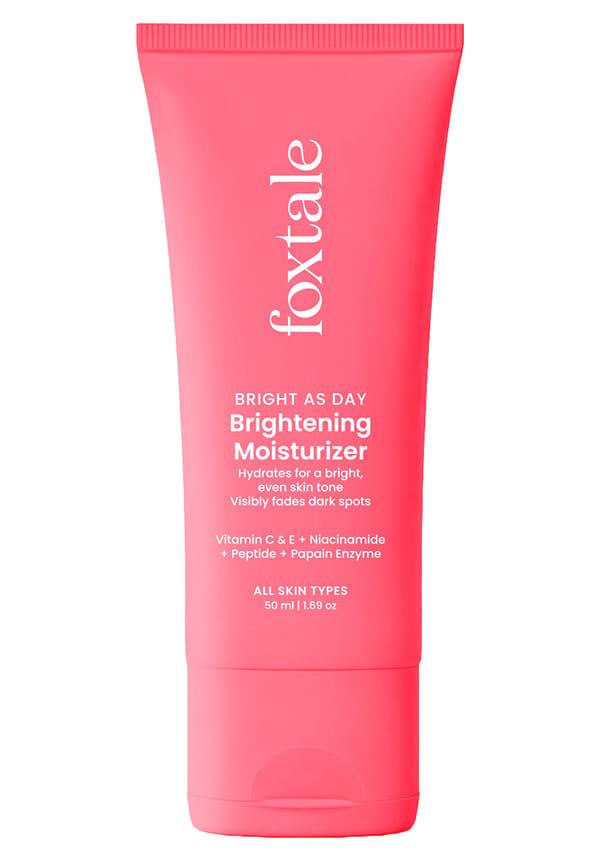
Brightening Moisturiser with Vitamin C & Niacinamide
You've heard the buzz about salicylic acid and niacinamide working wonders for acne-prone skin, but finding them together in one moisturiser feels like discovering skincare gold. Real talk: combining these two powerhouse ingredients isn't just trendy—it's actually brilliant science. While salicylic acid dives deep into pores to clear out the gunk, niacinamide works on the surface to calm inflammation and control oil production. The result? A moisturiser that tackles breakouts whilst keeping your skin barrier happy and hydrated. But before you dive in, there are some important things to know about how these ingredients play together.
The magic happens when these two ingredients complement each other's strengths whilst covering each other's potential weaknesses. Think of it as the perfect skincare partnership where each ingredient brings something unique to the table.
Salicylic acid is a beta-hydroxy acid (BHA) that's oil-soluble, meaning it can penetrate deep into your pores where water-based ingredients simply can't reach. In a moisturiser formula, it works continuously to exfoliate from within, breaking down the bonds between dead skin cells that would otherwise clog your pores. This gentle but persistent action helps prevent new breakouts whilst addressing existing congestion. The anti-inflammatory properties also mean it's actively calming angry, red spots whilst it works.
Niacinamide, a form of vitamin B3, is like the diplomatic mediator of skincare ingredients. It strengthens your skin barrier, which is crucial when you're using acids that can potentially cause irritation. This ingredient also regulates sebum production at the surface level, working differently from salicylic acid's deep-pore action. The result is less oily skin without the tight, stripped feeling that some acne treatment ingredients can cause.
When formulated together properly, these ingredients create a multi-level approach to oil control and acne prevention. Salicylic acid handles the deep cleaning whilst niacinamide manages surface oil and inflammation. The moisturising base provides essential hydration, preventing the over-drying that can actually trigger more oil production. It's a balanced approach that many find more tolerable than using harsh treatments alone.
The short answer is yes, but the devil is in the details. These ingredients are generally compatible, but proper formulation and application matter enormously for both safety and effectiveness.
Here's where chemistry gets interesting. Salicylic acid works best at a lower pH (around 3-4), whilst niacinamide is stable and effective at a slightly higher pH (5-7). In a well-formulated moisturiser, chemists balance these needs to ensure both ingredients remain active without compromising each other. Poor formulation can lead to niacinamide converting to niacin, which causes flushing and irritation—definitely not what you want from your skincare.
Not everyone's skin will welcome this combination with open arms. Those with very sensitive skin, rosacea, or compromised skin barriers should approach cautiously. Signs of skin irritation from acids include persistent redness, burning, excessive dryness, or increased breakouts. If you're new to acids or have reactive skin, patch testing is non-negotiable.
When you're using separate products rather than a combined moisturiser, the order becomes crucial for maximising benefits whilst minimising irritation.
If you're layering separate products, apply your salicylic acid treatment first, then wait 30-45 minutes before applying niacinamide. This waiting period allows your skin's pH to normalise, preventing potential interactions that could reduce effectiveness or increase irritation. For those with busy mornings, this is exactly why combined formulations can be so appealing—no waiting required.
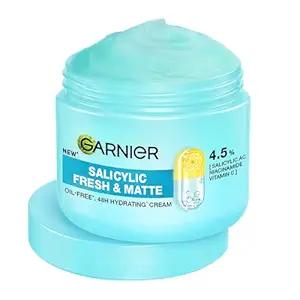
Combined formulations like the Garnier Fresh & Matte Salicylic Acid Sorbet Moisturiser Cream eliminate the guesswork of layering and timing. These products are specifically formulated to deliver both ingredients at optimal concentrations and pH levels, making them particularly suitable for those who want the benefits without the complexity. The sorbet texture provides lightweight hydration whilst delivering both salicylic acid for pore-clearing action and niacinamide for oil control and skin barrier support.
Getting the most from this powerful combination requires a thoughtful approach, especially when you're first introducing these ingredients to your routine.
Start slowly—even with a gentle moisturiser formulation. Begin with every other day for the first week, then gradually increase to daily use if your skin tolerates it well. Some people can use these ingredients twice daily, whilst others find once daily (preferably evening) works better. Your skin will tell you what it prefers, so listen carefully to any signs of irritation or over-exfoliation.
This type of moisturiser works beautifully after a gentle, non-stripping cleanser. If you're already using a salicylic acid face wash, you might want to alternate days or use the wash in the morning and the moisturiser at night to avoid over-exfoliation. Always follow with SPF during the day, as salicylic acid can increase sun sensitivity. The niacinamide component actually plays well with most other ingredients, making this a versatile addition to various routines.
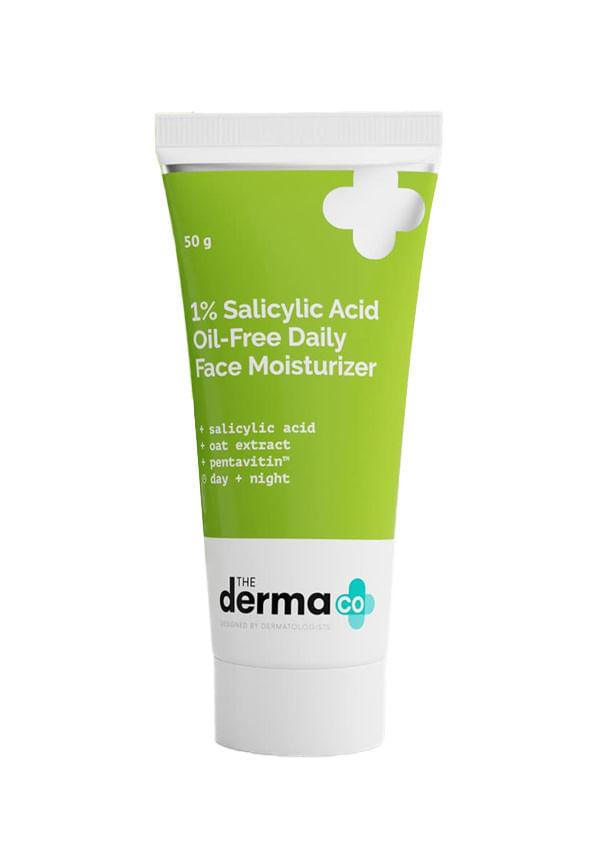
1% Salicylic Acid Oil-Free Face Moisturizer
Not all moisturiser ingredients are created equal, especially when you're dealing with active ingredients like these.
Look for concentrations of 0.5-2% salicylic acid and 2-5% niacinamide—effective ranges that most skin types can tolerate. Supporting ingredients like hyaluronic acid, ceramides, or glycerin help maintain hydration whilst the actives do their work. Avoid formulations with high concentrations of other acids (like glycolic or lactic acid) unless you're very experienced with acids, as this can lead to over-exfoliation.
The ideal formulation should be non-comedogenic, meaning it won't clog pores. Look for lightweight textures that absorb well without leaving a greasy residue. Gel-creams or sorbet textures often work brilliantly for oily, acne-prone skin. The moisturiser should provide adequate hydration without feeling heavy—remember, even oily skin needs moisture, and dehydrated skin often produces more oil to compensate.
Even the best-formulated products can sometimes cause unexpected reactions, so knowing how to troubleshoot is essential.
Some initial adjustment is normal when introducing acids to your routine. Mild tingling, slight dryness, or a temporary increase in breakouts (purging) can occur in the first 2-4 weeks. However, persistent burning, severe redness, or worsening acne beyond the initial purging period suggests the product isn't right for your skin. When in doubt, scale back usage or discontinue and consult a dermatologist.
Whilst niacinamide is generally well-tolerated, some people experience flushing or increased sensitivity. This is often due to poor formulation or using too high a concentration too quickly. If you notice persistent redness or irritation, try reducing usage frequency or switching to a lower concentration formula.
Most people can use a well-formulated combination moisturiser daily once their skin has adjusted. Start with every other day for the first week, then gradually increase frequency. If you notice any signs of irritation or over-exfoliation (excessive dryness, redness, or increased sensitivity), reduce usage. Some people find alternating days works better long-term, especially if they're using other active ingredients in their routine.
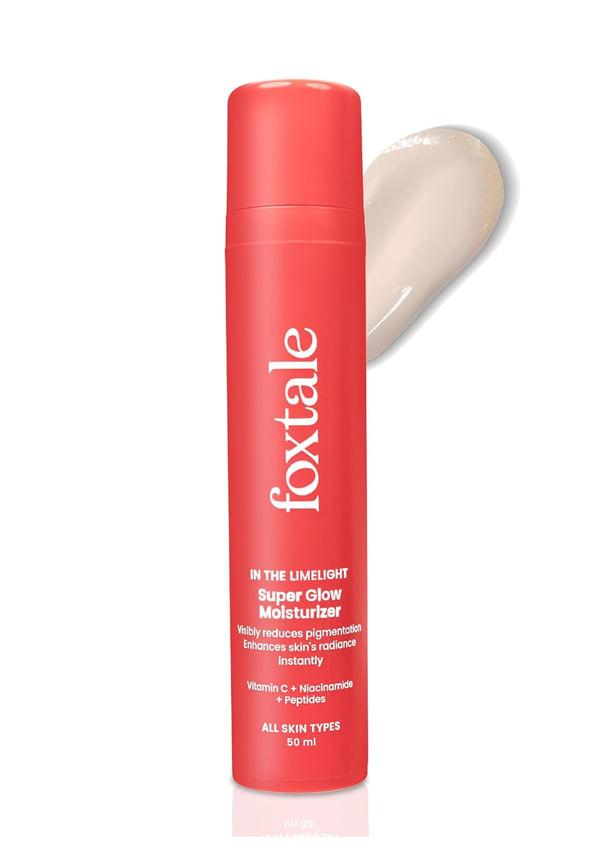
Vitamin C Super Glow Moisturizer with Niacinamide
If you're using separate products, apply salicylic acid first, wait 30-45 minutes for your skin's pH to normalise, then apply niacinamide. However, using a combined moisturiser eliminates this timing concern entirely, as the ingredients are formulated to work together at optimal pH levels.
Absolutely. In fact, following a salicylic acid cleanser with a niacinamide-containing moisturiser is an excellent way to get the benefits of both ingredients without over-exfoliating. The niacinamide helps calm any potential irritation from the acid whilst providing additional oil control and barrier support.
When properly formulated together, these ingredients complement each other beautifully. Salicylic acid provides deep pore cleansing and exfoliation, whilst niacinamide offers surface oil control and anti-inflammatory benefits. The combination often results in clearer skin with less irritation than using harsh acne treatments alone. However, poor formulation or improper use can lead to irritation or reduced effectiveness.
Exercise caution when combining with other active ingredients. Retinoids, vitamin C, and additional acids should be introduced carefully and potentially on alternating days. The niacinamide component is generally compatible with most ingredients, but the salicylic acid means you need to be mindful of over-exfoliation. Always patch test new combinations and introduce one new product at a time.
Most people notice initial improvements in skin texture and oil control within 2-4 weeks. Significant improvements in acne and pore appearance typically take 6-8 weeks of consistent use. Remember that skincare is a marathon, not a sprint—consistent, gentle use yields better results than aggressive, sporadic application.
Yes, the salicylic acid component can cause initial purging as it brings existing congestion to the surface more quickly. This typically lasts 2-4 weeks and should show signs of improvement after that period. If breakouts worsen or don't improve after 6 weeks, the product may not be suitable for your skin.
The combination of salicylic acid and niacinamide in a moisturiser represents smart, science-backed skincare that addresses multiple concerns simultaneously. When you find a well-formulated product that your skin loves, it can simplify your routine whilst delivering impressive results for acne-prone, oily, or congested skin.
Remember that everyone's skin is different, and what works brilliantly for your friend might not suit you perfectly. Start slowly, listen to your skin, and don't hesitate to adjust your approach based on how your skin responds. The goal is healthy, balanced skin—not following trends that don't serve your unique needs.
If you're curious about trying products with this powerful combination but want to test before committing to full sizes, platforms like Smytten offer an excellent way to explore different formulations. With access to minis from trusted brands and the ability to earn cashback on your trials, you can discover what works for your skin without the financial commitment of full-size products. After all, finding your perfect skincare match should be about discovery, not settling for the first thing you try.
