Salicylic Acid Moisturizers for Teens: Your Questions Answered

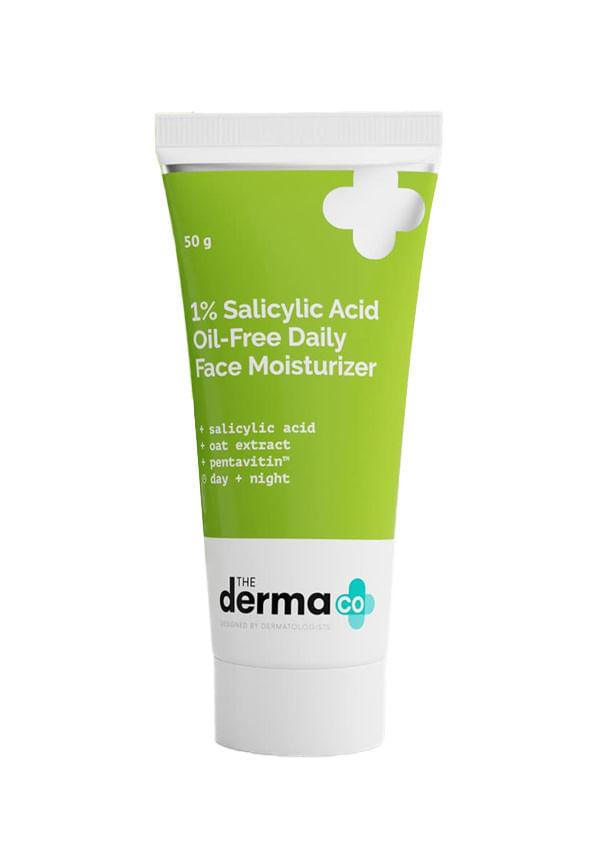
1% Salicylic Acid Oil-Free Face Moisturizer
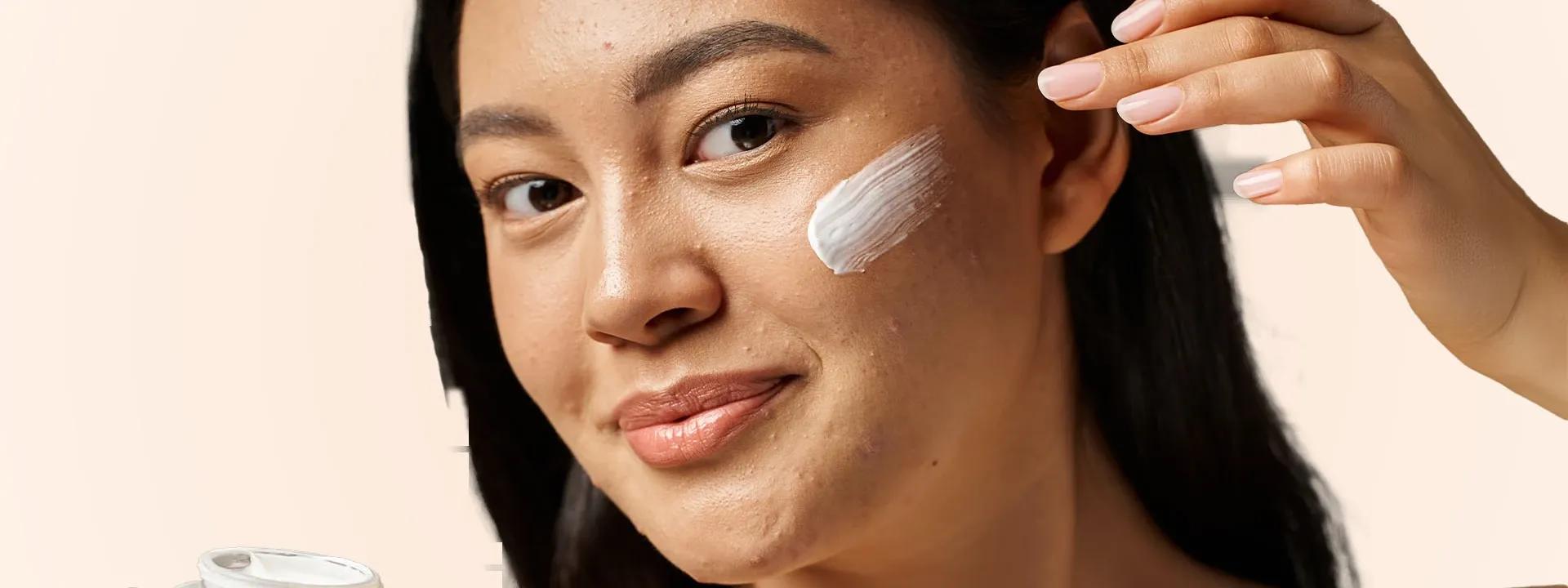
If you're a teenager dealing with breakouts, you've probably wondered whether adding salicylic acid to your routine could help. The good news? This gentle yet effective ingredient can be a game-changer for teenage acne treatment, especially when it comes in moisturiser form. Unlike harsh spot treatments that can leave your skin feeling tight and irritated, salicylic acid moisturisers work to clear pores whilst keeping your skin balanced and hydrated. Let's dive into everything you need to know about how these products can transform your skincare routine.
When it comes to teenage acne treatment, salicylic acid stands out because it's specifically designed to tackle the root causes of breakouts without being overly aggressive. This beta hydroxy acid (BHA) works differently from other acne-fighting ingredients – it's oil-soluble, which means it can penetrate deep into your pores to dissolve the mix of oil, dead skin cells, and bacteria that leads to spots.
The benefits of salicylic acid for teen skin are particularly impressive because it addresses multiple concerns at once. It gently exfoliates the surface of your skin, helping to prevent those stubborn blackheads and whiteheads that seem to appear overnight. At the same time, it has anti-inflammatory properties that can calm existing breakouts and reduce redness. Unlike physical scrubs that can irritate sensitive teenage skin, salicylic acid provides chemical exfoliation that's much gentler on your complexion.
Understanding how salicylic acid moisturisers help teenage skin starts with knowing what's happening beneath the surface. During your teenage years, hormonal changes trigger your sebaceous glands to produce more oil. This excess sebum can mix with dead skin cells and clog your pores, creating the perfect environment for acne-causing bacteria to thrive.
Salicylic acid works by loosening the bonds between dead skin cells, making it easier for them to shed naturally rather than building up in your pores. When formulated in a moisturiser, it delivers these benefits of salicylic acid whilst providing essential hydration. This combination is crucial because many teens make the mistake of over-drying their skin, which can actually trigger more oil production and worsen breakouts.
When you're searching for the best salicylic acid moisturiser, concentration is key. For teenage skin that's new to active ingredients, look for products with 0.5% to 2% salicylic acid. This range is effective enough to see results but gentle enough to avoid irritation. Higher concentrations aren't necessarily better – they can lead to dryness, peeling, and increased sensitivity.
The ideal moisturiser for acne prone skin should also be non-comedogenic, meaning it won't clog your pores. Look for lightweight, gel-based formulas if you have oily skin, or cream textures if your skin tends to be on the drier side. Many excellent formulations also include complementary ingredients like niacinamide to control oil production and hyaluronic acid to boost hydration without heaviness.
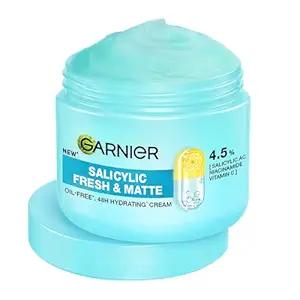
The Garnier Fresh & Matte Salicylic Acid Sorbet Moisturizer Cream is a brilliant example of how modern formulations balance acne-fighting power with skin-loving hydration. This lightweight sorbet texture delivers salicylic acid alongside mattifying ingredients, making it perfect for teens who want to control shine whilst treating breakouts. The formula absorbs quickly without leaving a greasy residue, which is essential for those early morning school routines.
If you have oily skin, gel or sorbet textures work brilliantly because they provide hydration without adding extra oil to your complexion. These formulas typically absorb faster and leave a matte finish that works well under makeup or sunscreen. For combination skin, look for lightweight creams that can hydrate dry areas without overwhelming your T-zone.
Knowing how to use salicylic acid properly can make the difference between clear skin and irritation. Start slowly – use your salicylic acid moisturiser every other evening for the first week, then gradually increase to daily use as your skin adjusts. This approach helps prevent the initial purging period that can occur when you first introduce active ingredients.
Your evening routine should look like this: gentle cleanser, wait for your skin to dry completely, apply your salicylic acid moisturiser, and finish with a heavier moisturiser if needed. In the morning, stick to a gentle cleanser, lightweight moisturiser, and most importantly, SPF. Salicylic acid can make your skin more sensitive to the sun, so daily sun protection is non-negotiable.
When you're building your skincare for teens routine, avoid using salicylic acid with other strong actives like retinol or vitamin C in the same application. These combinations can be too harsh for teenage skin and lead to irritation. If you want to use multiple actives, alternate them – salicylic acid in the evening and vitamin C in the morning, for example.
Many teens worry about whether salicylic acid is safe for their developing skin. The truth is, when used correctly, it's one of the gentlest and most effective acne fighting moisturisers available. Unlike some prescription treatments, salicylic acid doesn't cause photosensitivity to the same degree, though sun protection remains important.
The initial purging period is normal and usually lasts 2-4 weeks. During this time, you might notice more breakouts as the salicylic acid brings existing clogs to the surface. This is actually a sign that the product is working – stick with it, and you should see improvement after this initial phase. If irritation persists beyond a month or becomes severe, it's worth consulting a dermatologist.
If you have sensitive skin, start with lower concentrations and use the product less frequently. Some teens find that using salicylic acid moisturiser only 2-3 times per week is sufficient to see results without irritation. For those with very oily skin, daily use is usually well-tolerated and often necessary for optimal results.
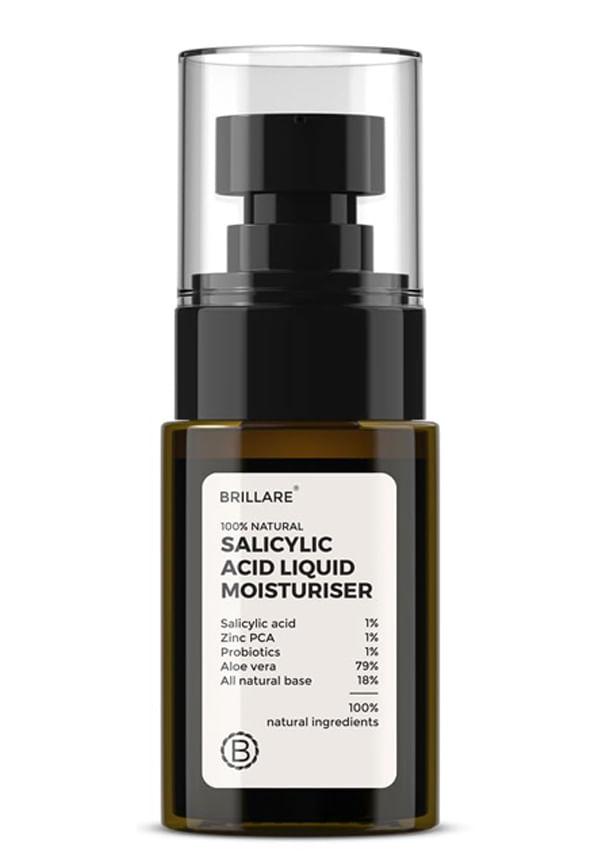
Salicylic Acid Liquid Moisturiser for Clear, Purified, Acne Prone Skin
Absolutely. Salicylic acid is particularly well-suited for teenage skin because it addresses the specific challenges that come with hormonal changes. It's gentle enough for daily use yet effective at preventing and treating the types of breakouts common during adolescence. Unlike harsher treatments, it works with your skin's natural processes rather than stripping away essential oils.
For a 15-year-old, the best moisturiser depends on their specific skin type and concerns. If acne is an issue, a salicylic acid moisturiser with 0.5-1% concentration is ideal. Look for non-comedogenic formulas that provide hydration without clogging pores. Gel-based textures work well for oily skin, whilst lightweight creams suit normal to combination skin types.
The best moisturiser for teenage acne combines effective acne-fighting ingredients with proper hydration. Salicylic acid moisturisers top the list because they treat existing breakouts whilst preventing new ones. Look for formulas that also include niacinamide for oil control and hyaluronic acid for hydration. Avoid heavy, occlusive ingredients that might clog pores.
Whilst salicylic acid moisturisers are your best bet for consistent results, you can support your routine with gentle natural approaches. Green tea compresses can reduce inflammation, and maintaining a consistent sleep schedule helps regulate hormones. However, avoid DIY scrubs or harsh natural ingredients like lemon juice, which can irritate teenage skin and make acne worse.
Salicylic acid and azelaic acid work differently rather than one being stronger than the other. Salicylic acid is better for oily, acne-prone skin because it penetrates pores effectively. Azelaic acid is gentler and works well for sensitive skin or those dealing with both acne and hyperpigmentation. Many teens find salicylic acid more effective for active breakouts.
Yes, most teens can use salicylic acid moisturiser daily once their skin has adjusted to the ingredient. Start with every other day for the first week, then gradually increase to daily use. If you experience dryness or irritation, reduce frequency rather than stopping completely. Your skin will build tolerance over time.
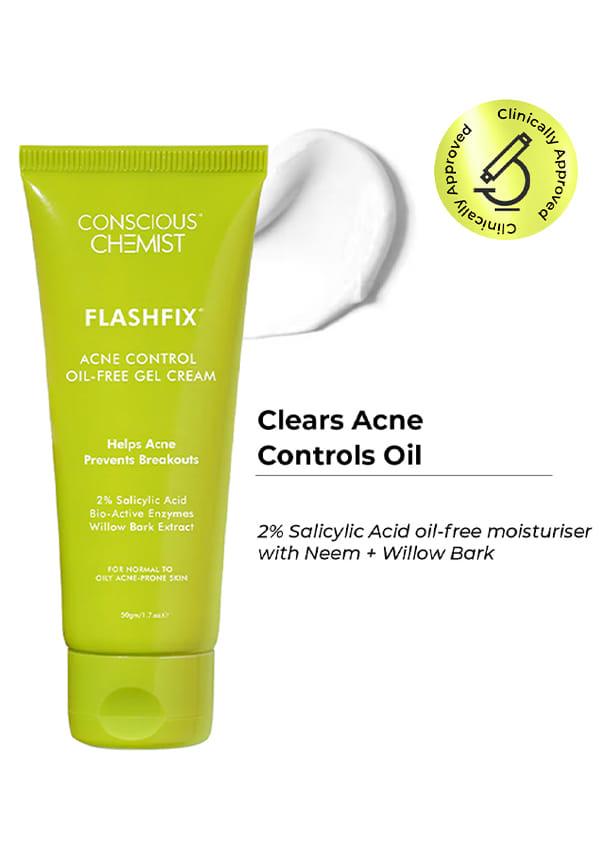
2% Salicylic Acid Face Cream For Anti-bacterial & Acne Treatment
Evening is generally better for salicylic acid moisturisers because it gives the ingredient time to work whilst you sleep. It also reduces the risk of sun sensitivity during the day. However, if your moisturiser has a low concentration (0.5%), morning use is fine as long as you follow with SPF.
Avoid using salicylic acid with other strong actives like retinol or glycolic acid in the same routine. Don't use physical scrubs or harsh cleansers, as these can increase irritation. Most importantly, never skip sunscreen when using salicylic acid, as it can make your skin more sensitive to UV damage.
Creating an effective routine for clearing teenage skin doesn't have to be complicated. Start with the basics: a gentle cleanser, your salicylic acid moisturiser, and SPF during the day. As your skin adjusts, you can add complementary products like a niacinamide serum or a gentle vitamin C product for morning use.
Remember that consistency matters more than having the most expensive products. A simple routine that you follow religiously will always beat a complex one that you use sporadically. Track your progress with photos – it's easy to forget how far you've come when you see your skin every day.
Beyond your topical routine, lifestyle factors play a huge role in skincare for teens. Getting adequate sleep helps regulate the hormones that trigger breakouts. Changing your pillowcase regularly prevents bacteria buildup, and avoiding touching your face throughout the day reduces the transfer of oils and bacteria to your skin.
Salicylic acid moisturisers offer an excellent solution for teens dealing with acne because they address multiple skin concerns in one step. They're gentle enough for daily use yet effective at preventing and treating breakouts. The key is finding the right concentration and texture for your skin type, then being patient as your skin adjusts to this powerful ingredient.
Remember, everyone's skin is different, and what works for your friends might not work for you. Don't be afraid to experiment with different formulations until you find your perfect match. If you're curious about trying different salicylic acid moisturisers but not ready to commit to full-size products, platforms like Smytten let you explore minis from trusted brands before making a bigger investment. With over 28 million users discovering their perfect products through trials, it's a smart way to find what works for your unique skin without the guesswork.
