Salicylic Acid for Acne: Your Questions Answered


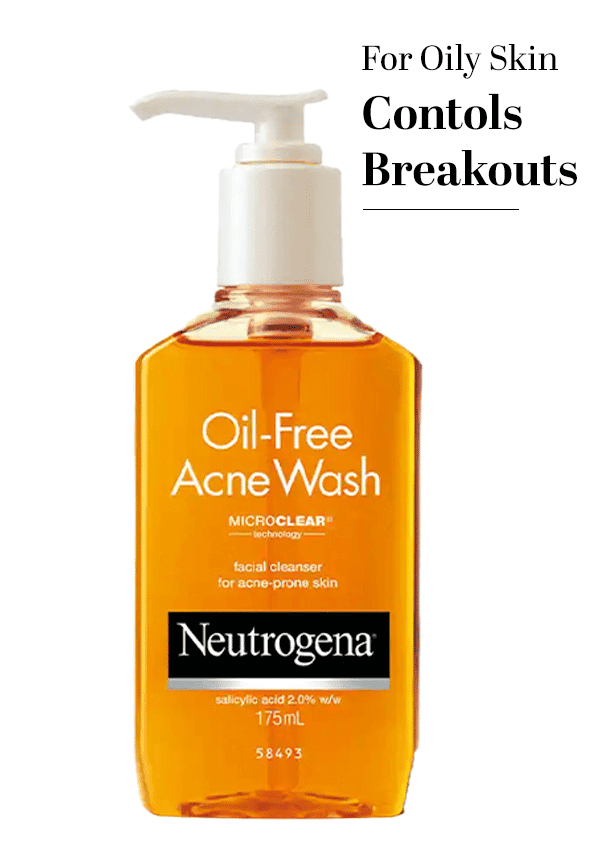
Oil Free Acne Wash For Acne Prone Skin With Salicylic Acid
Good for Oily Acne Skin
 5
5“Best for oily acne skin……….. ”
Good for Oily Acne Skin
5“Best for oily acne skin……….. ”
Good for Oily Acne Skin
5“Best for oily acne skin……….. ”
You've been battling stubborn breakouts for months, trying everything from gentle cleansers to spot treatments, yet those pesky pimples keep appearing. Sound familiar? If you're wondering whether salicylic acid could be the game-changer your skin needs, you're asking the right questions. This beta-hydroxy acid has earned its reputation as one of the most effective acne treatments available, but understanding how it works and whether it's right for your skin type makes all the difference between clear skin success and unnecessary irritation.
Salicylic acid belongs to a family of ingredients called beta-hydroxy acids (BHAs), and it's fundamentally different from the water-soluble alpha-hydroxy acids you might have heard about. The key difference lies in its oil-soluble nature, which allows it to penetrate deep into your pores where acne actually begins. When we talk about how salicylic acid treats acne, we're looking at a four-step process that tackles breakouts at their source. First, this clever ingredient dissolves the bonds between dead skin cells, preventing them from clogging your pores in the first place. Second, it regulates oil production, addressing one of the primary causes of acne vulgaris. Third, its anti-inflammatory properties help calm existing breakouts, reducing redness and swelling. Finally, it provides gentle but effective exfoliation that keeps your skin texture smooth and your pores clear. Clinical studies consistently show that salicylic acid can reduce acne lesions by 40-60% when used consistently over 8-12 weeks. Unlike harsher treatments that strip your skin, this ingredient works with your skin's natural renewal process, making it suitable for long-term use.
The molecular structure of salicylic acid gives it a unique advantage in pore cleansing. While exfoliating acids like glycolic acid work primarily on the skin's surface, salicylic acid's oil-loving properties allow it to dive deep into hair follicles where blackheads and whiteheads form. This penetration ability means it can break down the sticky mixture of oil, dead skin cells, and bacteria that creates comedones before they become visible breakouts.
Not all types of acne respond equally to salicylic acid, so understanding where this ingredient excels helps set realistic expectations. Blackheads and whiteheads are where salicylic acid truly shines, as its pore-penetrating abilities directly address the root cause of these non-inflammatory lesions. For blackheads, salicylic acid works by dissolving the oxidised oil and dead skin cells that create that characteristic dark appearance. Many people notice their blackheads becoming less prominent within 2-3 weeks of consistent use. Whiteheads respond similarly well, as the acid can penetrate the thin layer of skin covering these closed comedones and help them surface naturally. Mild inflammatory acne, including small papules and pustules, also benefits from salicylic acid's anti-inflammatory properties. However, if you're dealing with deep, cystic breakouts, you'll likely need additional treatments alongside salicylic acid for optimal results. Hormonal breakouts around the jawline and chin often improve with regular salicylic acid use, particularly because this ingredient helps regulate the excess oil production that hormonal fluctuations can trigger. The Garnier Fresh & Matte Salicylic Acid Sorbet Moisturiser Cream combines the blemish-fighting power of salicylic acid with lightweight hydration, making it particularly effective for those dealing with combination skin that's both oily and dehydrated. This unique formulation helps control excess oil whilst maintaining skin moisture, addressing the common concern of over-drying that can actually worsen hormonal breakouts.

Starting with salicylic acid requires a strategic approach, especially if your skin isn't accustomed to exfoliating acids. Begin with a low concentration (0.5-1%) and use it every other evening for the first two weeks. This gradual introduction helps your skin build tolerance whilst minimising irritation. For your evening routine, apply salicylic acid to clean, dry skin before any moisturisers or oils. If you're using a salicylic acid serum, wait 10-15 minutes before applying your next product to allow proper absorption. Morning use is possible, but evening application is generally preferred as it allows the ingredient to work overnight without interference from makeup or environmental stressors. Product format matters significantly for effectiveness. Cleansers containing salicylic acid provide gentle daily maintenance but may not deliver enough contact time for deep pore cleansing. Serums and treatments offer more concentrated benefits, whilst spot treatments can target individual breakouts with higher concentrations.
Many people make the mistake of using too much salicylic acid too quickly, leading to irritation that can actually worsen acne. Start with 2-3 times per week and gradually increase frequency as your skin adapts. Signs that you're overdoing it include persistent redness, excessive dryness, or increased breakouts. Always follow salicylic acid with a gentle, non-comedogenic moisturiser to maintain your skin barrier. Skipping moisturiser can trigger increased oil production, counteracting the benefits you're working to achieve.
When comparing acne treatments, understanding each ingredient's strengths helps you make informed decisions. Benzoyl peroxide kills acne-causing bacteria through oxidation, making it particularly effective for inflammatory acne. However, it can be quite drying and may bleach fabrics, whilst salicylic acid offers gentler, long-term blemish control. Retinoids work by increasing cell turnover and preventing comedone formation, but they often cause significant initial irritation. Salicylic acid can be an excellent stepping stone for those who want to try chemical exfoliation before moving to stronger treatments. For many people, combining treatments yields the best results. You might use salicylic acid for daily maintenance and add benzoyl peroxide as a spot treatment for inflammatory breakouts. However, introduce new ingredients gradually and monitor your skin's response carefully.
The most common question about starting salicylic acid is whether it will make acne worse before it gets better. Some people do experience an initial "purging" period where existing comedones surface more quickly, creating a temporary increase in visible breakouts. This typically lasts 2-4 weeks and is actually a sign that the treatment is working. True irritation, however, looks different from purging. Persistent redness, burning, or excessive dryness indicates that you need to reduce frequency or concentration. If you develop a rash or severe irritation, discontinue use and consult a dermatologist. Sun sensitivity can increase with regular salicylic acid use, making daily SPF application non-negotiable. Choose a broad-spectrum sunscreen with at least SPF 30, and reapply throughout the day if you're spending time outdoors.
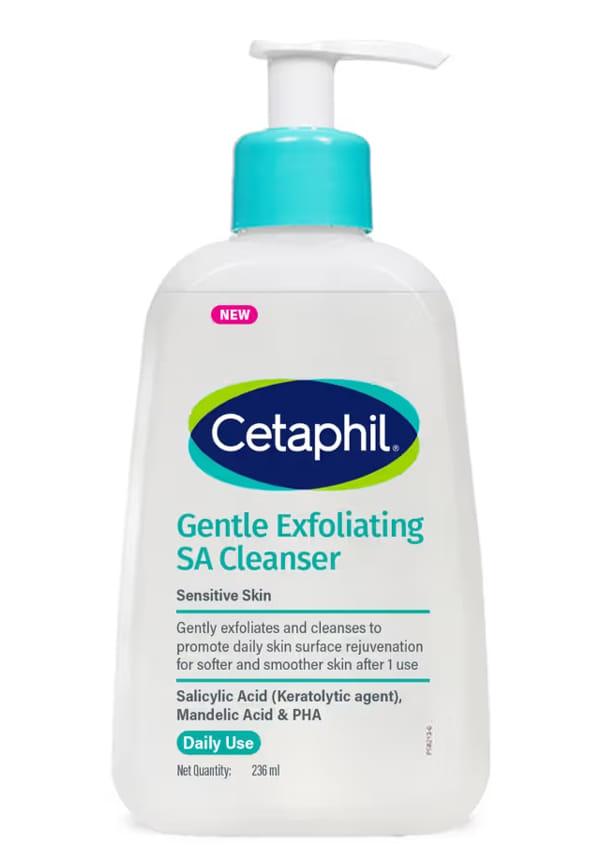
Gentle Daily Exfoliating Cleanser With Salicylic Acid For Oily Acne Prone Skin
Very Good Product, Must Try
5“it is very good and nice one time you can try this product in your life”
Very Good Product, Must Try
5“it is very good and nice one time you can try this product in your life”
Good for Oily & Acne Skin
4“i really like this product good for oily and acne skin”
Whilst salicylic acid is effective for many types of acne, severe or cystic breakouts often require professional intervention. If you're not seeing improvement after 8-12 weeks of consistent use, or if your acne is affecting your quality of life, a dermatologist can provide stronger treatments or identify underlying causes.
Salicylic acid doesn't "remove" existing acne overnight, but it effectively prevents new breakouts and helps existing ones heal faster. Clinical studies show 40-60% reduction in acne lesions with consistent use over 8-12 weeks. The key is understanding that this ingredient works gradually by addressing the underlying causes of acne formation.
Most people notice initial improvements in skin texture within 2-3 weeks, with significant acne reduction visible after 6-8 weeks of consistent use. Blackheads and surface-level breakouts typically respond faster than deeper, inflammatory acne. Patience is crucial, as rushing the process by using too much too soon often backfires.
Daily use is possible once your skin has built tolerance, but most people benefit from using salicylic acid 3-5 times per week. Oily, resilient skin types may handle daily application, whilst sensitive or dry skin types should stick to every other day. Monitor your skin's response and adjust accordingly.
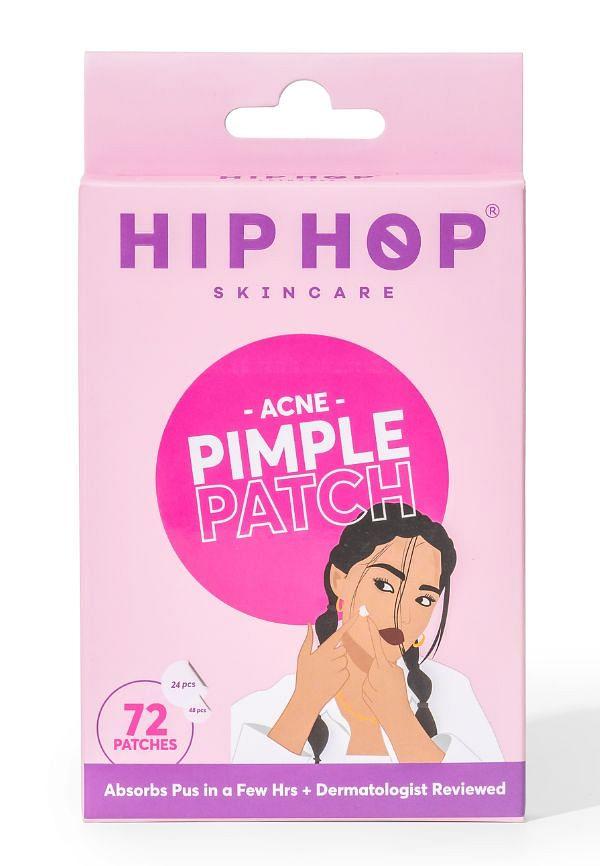
Acne Patch with Hydrocolloid & Salicylic Acid
Salicylic acid excels at treating blackheads, whiteheads, and mild inflammatory acne. It's less effective for deep, cystic breakouts, which often require stronger treatments like prescription retinoids or professional procedures. For mixed acne types, it works well as part of a comprehensive treatment plan.
Beginners should start with 0.5-1% concentration to assess tolerance. Most over-the-counter products contain 1-2%, which is effective for most acne types. Higher concentrations aren't necessarily better and can cause unnecessary irritation. Focus on consistency rather than strength for optimal results.
Yes, but introduce combinations gradually. Salicylic acid pairs well with niacinamide for oil control and gentle hydrating ingredients like hyaluronic acid. Avoid combining with other strong exfoliating acids or retinoids initially. When building a routine, add one new ingredient at a time to monitor your skin's response.
Salicylic acid offers a scientifically-backed approach to acne treatment that works with your skin rather than against it. Its unique ability to penetrate pores and address multiple causes of acne formation makes it an excellent choice for most people dealing with breakouts. The key to success lies in starting slowly, being consistent, and maintaining realistic expectations about the timeline for results. Remember that effective skincare for acne isn't just about the active ingredients you use, but how you use them. Gentle cleansing, appropriate moisturising, and daily sun protection form the foundation that allows treatments like salicylic acid to work optimally. If you're curious about trying salicylic acid products but want to test them before committing to full sizes, platforms like Smytten offer an excellent way to explore different formulations and brands. With access to trial sizes from trusted skincare brands, you can discover what works for your unique skin needs without the guesswork. After all, finding the right acne treatment is a personal journey, and having the option to try before you buy makes that journey much more confident and cost-effective.
