Salicylic Acid for Acne FAQ: Your Questions Answered
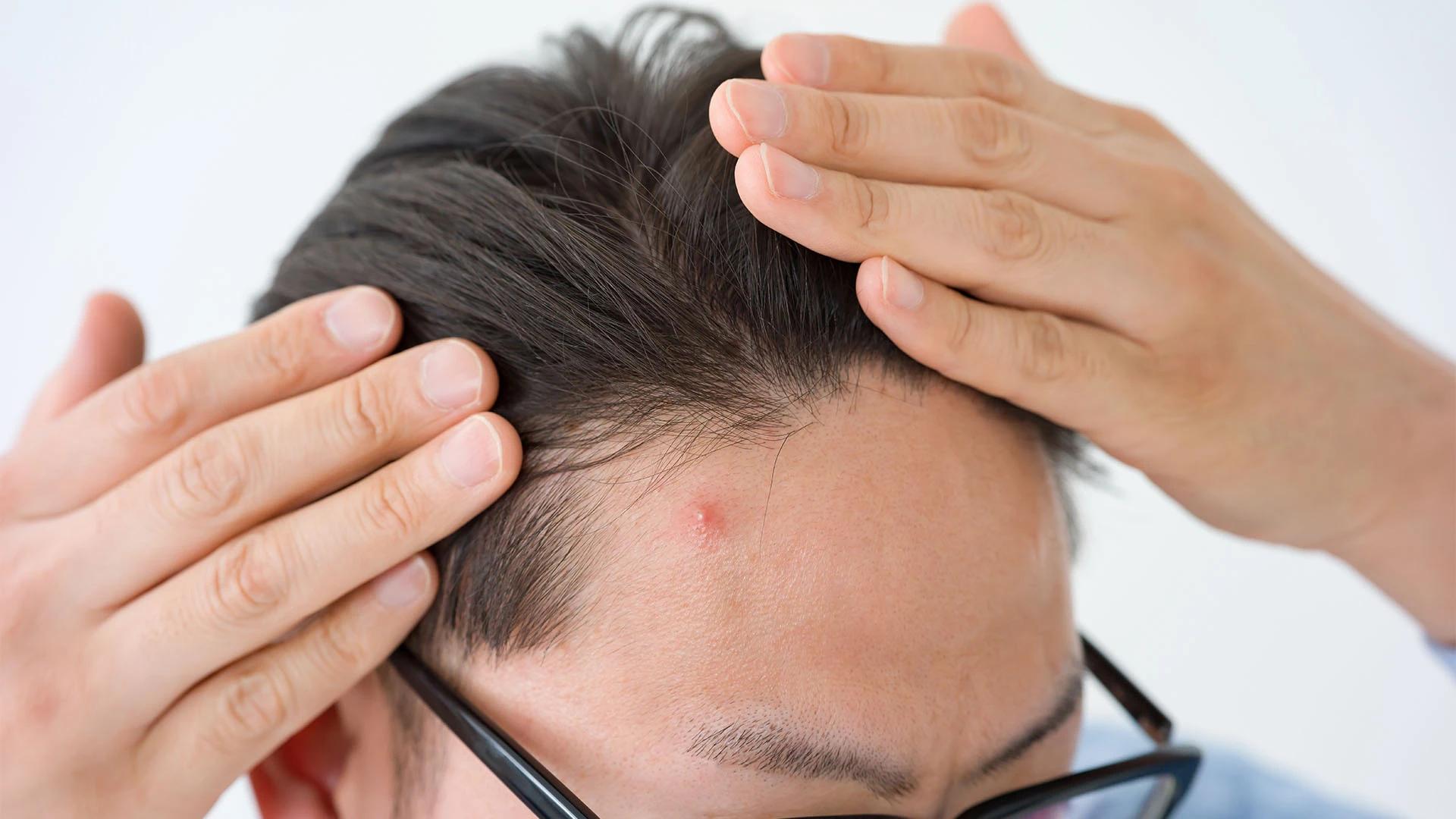

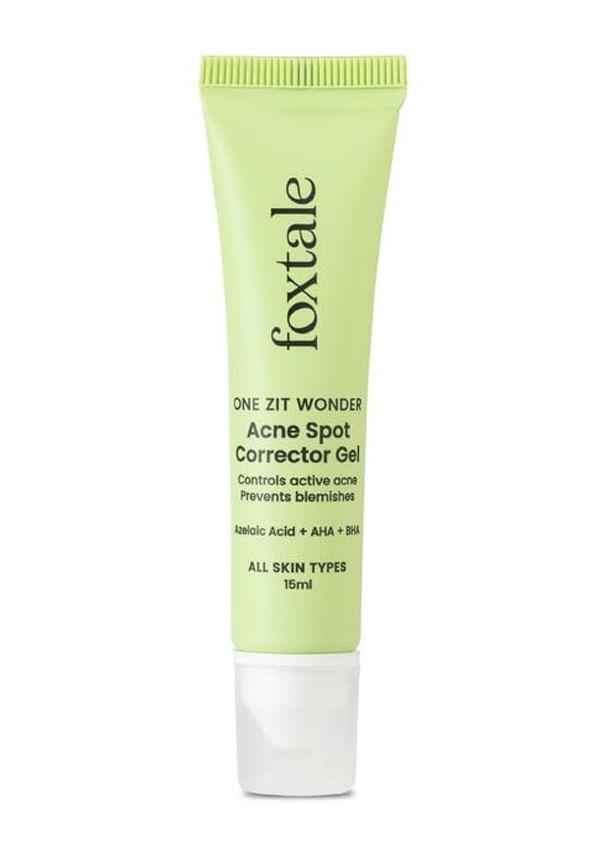
Acne Spot Corrector with Salicylic Acid & Azealic Acid
You've heard salicylic acid is brilliant for acne, but every time you pick up a product, questions flood your mind. How often should you use it? Can you layer it with other ingredients? Will it dry out your skin? Real talk: salicylic acid can be a game-changer for acne-prone skin, but knowing how to use it properly makes all the difference between clear skin and irritation.
Let's start with the basics. Salicylic acid is a beta hydroxy acid (BHA) that's naturally derived from willow bark. Unlike other acids that work on the skin's surface, this clever ingredient is oil-soluble, which means it can dive deep into your pores to tackle acne where it starts.
Here's what makes salicylic acid so effective for acne-prone skin. Its oil-loving nature allows it to penetrate through sebum and dead skin cells that clog your pores. Once inside, it works like a gentle dissolving agent, breaking down the bonds between dead skin cells and clearing out the debris that leads to blackheads and whiteheads.
The anti-inflammatory properties are equally important. Salicylic acid helps calm the redness and swelling that comes with active breakouts, making it particularly useful for those angry, inflamed spots that seem to appear overnight.
Think of your pores as tiny tunnels that can get blocked with a mixture of dead skin cells, oil, and bacteria. Salicylic acid exfoliation works by dissolving this mixture from the inside out. It also helps regulate oil production, which means fewer clogged pores in the future.
The beauty of this ingredient is its preventative action. While it treats existing breakouts, it's also working to prevent new ones from forming by keeping your pores clear and your skin's natural exfoliation process running smoothly.
Now that you understand why salicylic acid for acne works so well, let's talk about how to use it effectively. The key is starting slowly and building up your skin's tolerance.
Your first decision is picking the right format. A salicylic acid cleanser is perfect for daily use and works well for those new to the ingredient. It provides gentle exfoliation without the intensity of leave-on treatments.
For more targeted treatment, a salicylic acid serum delivers higher concentrations directly to problem areas. These are particularly effective for stubborn blackheads and active breakouts. Toners and treatment pads offer a middle ground, providing consistent but gentle exfoliation.
Start with a low concentration between 0.5% and 2%. Apply to clean, dry skin in the evening, as salicylic acid can increase sun sensitivity. If you're using a serum or treatment, apply it after cleansing but before moisturiser.
The golden rule: less is more initially. Begin with 2-3 applications per week and gradually increase frequency as your skin adapts. Your skin will tell you when it's ready for more frequent use.
Morning routines should focus on protection. Use a gentle cleanser, apply any morning treatments, moisturise, and never skip SPF. Evening is when you introduce your salicylic acid treatment.
Expect to see initial results within 2-4 weeks of consistent use. Some people experience a brief purging period where existing congestion comes to the surface before skin clears up.
Not all acne is the same, and neither are all salicylic acid products. Understanding your specific skin needs helps you choose the most effective format.
Daily cleansers with 0.5% to 2% salicylic acid work brilliantly for oily skin types. They remove excess oil and provide gentle daily exfoliation without over-drying. Look for formulations that include hydrating ingredients like glycerin to maintain your skin's moisture barrier.
For stubborn breakouts and blackheads, concentrated serums deliver powerful results. These typically contain 1-2% salicylic acid and can be applied to specific areas or all over the face, depending on your needs.
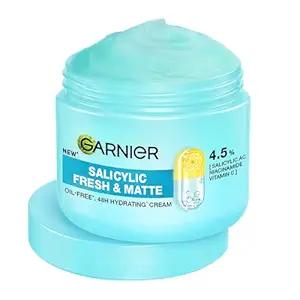
The Garnier Fresh & Matte Salicylic Acid Sorbet Moisturiser Cream offers an innovative approach by combining the exfoliating benefits of salicylic acid with essential hydration. This lightweight formula helps control excess oil whilst providing the moisture your skin needs, making it particularly suitable for those who find traditional salicylic acid treatments too drying.
Pairing salicylic acid with niacinamide creates a powerful acne-fighting duo. Niacinamide helps control oil production and minimises pore appearance, whilst salicylic acid handles the exfoliation and deep cleaning.
Once you've mastered basic application, you can explore more advanced techniques to maximise your results.
Salicylic acid exfoliation is gentler than physical scrubs because it dissolves dead skin cells rather than scrubbing them away. This means less irritation and more consistent results. You can use it regularly without the micro-tears that harsh scrubs can cause.
The pH of your salicylic acid product matters. Look for formulations with a pH between 3-4 for optimal effectiveness. Leave-on treatments generally provide better results than rinse-off products because they have more time to work.
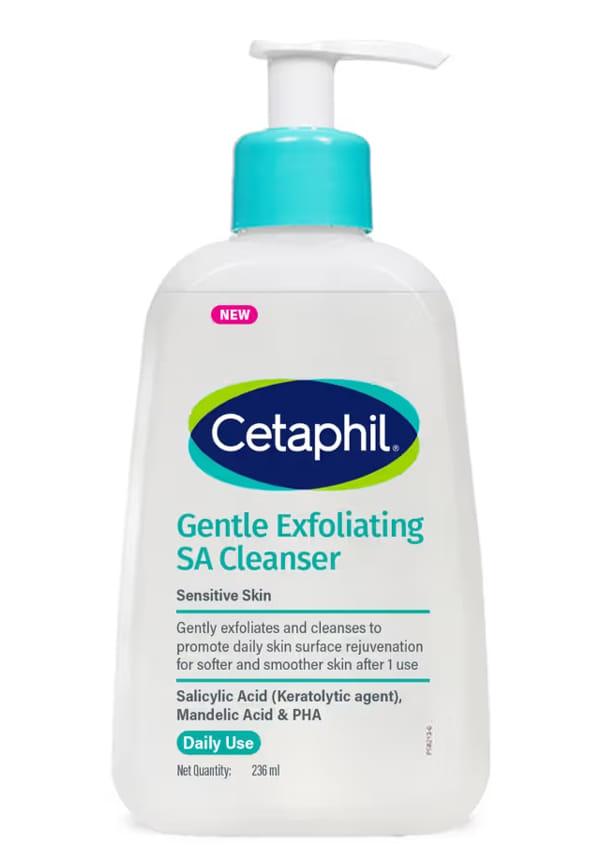
Gentle Daily Exfoliating Cleanser With Salicylic Acid For Oily Acne Prone Skin
For spot treatment, apply a small amount directly to active breakouts before bed. The extended contact time allows the ingredient to work on dissolving the blockage whilst you sleep. You might notice reduced inflammation and size by morning.
Like any active ingredient, salicylic acid requires respect and proper use to avoid unwanted side effects.
Oily and combination skin types typically tolerate daily use well, especially in cleanser form. If your skin shows no signs of irritation after several weeks of regular use, daily application is usually fine.
Initial dryness, slight peeling, and mild irritation are normal as your skin adjusts. Combat these by using a good moisturiser and starting slowly. Always use SPF during the day, as salicylic acid can increase sun sensitivity.
Those with very sensitive skin should start with lower concentrations and less frequent use. Pregnant women should consult their healthcare provider, as high concentrations of salicylic acid aren't recommended during pregnancy.
Smart layering can enhance your results, but some combinations require careful timing.
Niacinamide pairs beautifully with salicylic acid, helping to control oil and reduce pore appearance. Hyaluronic acid provides essential hydration to counteract any drying effects. Always finish with SPF in the morning.
Avoid using salicylic acid with retinoids on the same evening, as this can cause excessive irritation. If you use both, alternate nights or use retinoids in the evening and salicylic acid in the morning.
Morning: gentle cleanser, niacinamide serum, moisturiser, SPF. Evening: salicylic acid cleanser or treatment, hydrating serum, moisturiser. Keep it simple and consistent for best results.
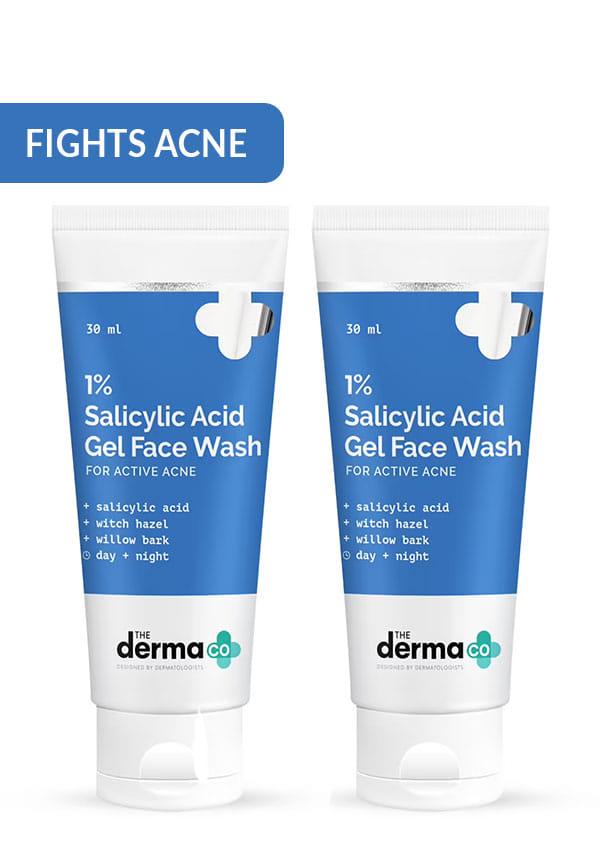
1% Salicylic Acid Gel Face Wash for Active Acne
Start with 2-3 times per week and gradually increase to daily use if your skin tolerates it well. Oily skin types can often handle daily use, whilst sensitive skin may prefer every other day.
Yes, many people can use salicylic acid daily, especially in cleanser form. Monitor your skin for signs of over-exfoliation like excessive dryness or irritation, and adjust frequency accordingly.
Begin with 0.5% to 1% concentration. You can gradually increase to 2% if needed and if your skin tolerates it well. Higher concentrations aren't necessarily better and can cause irritation.
Most people notice improvements within 2-4 weeks of consistent use. Initial results may include reduced blackheads and less oily skin, with acne improvement following shortly after.
Yes, but use them at different times. Apply vitamin C in the morning and salicylic acid in the evening to avoid potential irritation and ensure both ingredients work effectively.
Absolutely. Moisturising is crucial to maintain your skin barrier and prevent excessive dryness. Choose a lightweight, non-comedogenic moisturiser that won't clog pores.
Reduce the frequency of use, ensure you're moisturising adequately, and consider switching to a lower concentration. If irritation persists, take a break and reintroduce gradually.
Salicylic acid can help with post-inflammatory hyperpigmentation and mild textural issues by promoting cell turnover. However, deeper acne scars may require professional treatments.
Understanding how to use salicylic acid effectively for acne transforms this powerful ingredient from overwhelming to empowering. The key lies in starting slowly, being consistent, and listening to your skin's needs.
Remember that skincare is deeply personal. What works brilliantly for your friend might need adjusting for your skin type and concerns. The beauty of salicylic acid is its versatility – whether you choose a gentle daily cleanser or a targeted serum, there's a format that can work for your routine.
Building an effective acne treatment routine takes patience and consistency. Give your chosen products at least 6-8 weeks to show their full potential, and don't be afraid to adjust your approach based on how your skin responds.
If you're curious about trying different salicylic acid formulations but hesitant to commit to full-size products, platforms like Smytten offer a smart way to explore various brands and concentrations through trial sizes. With over 28 million users discovering their perfect products this way, it's become a trusted method for finding what truly works for your unique skin needs.
