Salicylic Acid FAQ: Benefits, Uses, and How It Works


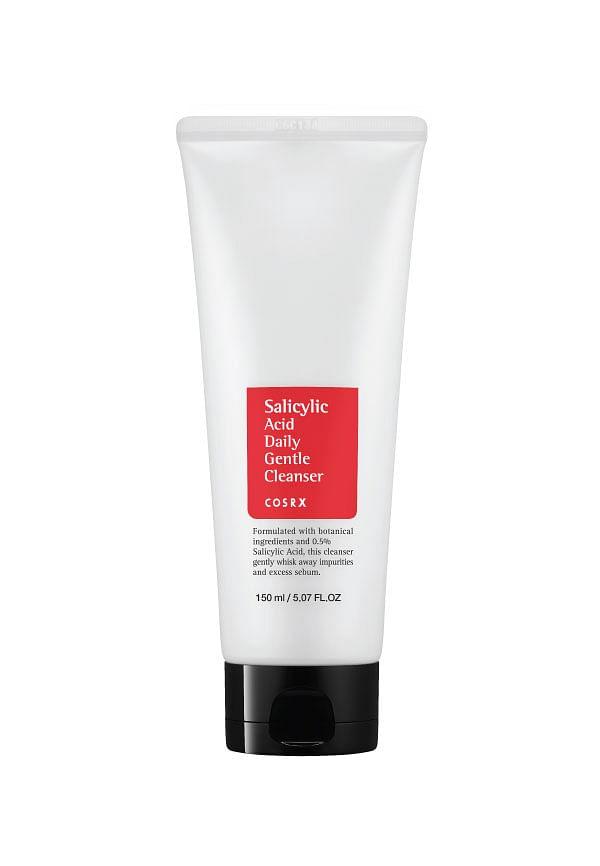
Salicylic Acid Daily Gentle Cleanser
Ever wondered why that little bottle of salicylic acid sits in nearly every dermatologist's recommended routine? You're scrolling through skincare advice, and there it is again - salicylic acid for acne, salicylic acid for pores, salicylic acid for basically everything. But what exactly is this ingredient doing to your skin, and why does everyone from your favourite beauty influencer to your GP seem to love it? Let's break down the science behind this powerhouse BHA and answer all those questions you've been Googling at 2 AM.
Salicylic acid belongs to a family of ingredients called beta hydroxy acids (BHAs), and it's quite different from its cousin, alpha hydroxy acids like glycolic or lactic acid. The key difference? Salicylic acid is oil-soluble, which means it can dive deep into your pores rather than just working on the surface of your skin. This oil-loving property is what makes salicylic acid so brilliant for congested, acne-prone skin. While AHAs work primarily on the skin's surface to remove dead cells, salicylic acid can actually penetrate into the pore lining, where all that sebum and dead skin tends to get trapped. It's like having a tiny cleaner that can squeeze into the smallest spaces. You'll find salicylic acid in concentrations ranging from 0.5% to 2% in over-the-counter products. The sweet spot for most people is around 1-2%, though sensitive skin types often do better starting with 0.5%. Originally derived from willow bark, most skincare formulations today use synthetic salicylic acid, which is more stable and predictable in its effects.
Here's where it gets interesting. Salicylic acid works through a process called keratolysis - essentially, it loosens the bonds between dead skin cells, making them easier to shed. Think of it as gently unsticking the cellular glue that keeps old, dull skin hanging around longer than it should. But that's not all. Salicylic acid also has anti-inflammatory properties, which is why it's so effective for active breakouts. It can help calm the redness and swelling around pimples whilst simultaneously working to clear the blockage that caused them in the first place. The comedolytic effects are perhaps what salicylic acid is most famous for. This means it actively works to prevent and treat comedones - those blackheads and whiteheads that seem to appear overnight. By keeping pores clear and preventing new blockages from forming, it's both a treatment and a preventative measure.
When you first apply a salicylic acid treatment, it begins working immediately on the surface layer of your skin. Within the first few hours, it starts breaking down the bonds between dead skin cells. Over the next 24-48 hours, these loosened cells begin to shed more easily, revealing fresher skin underneath. Most people start noticing smoother skin texture within a week of consistent use. For acne concerns, you might see some initial purging as the ingredient brings congestion to the surface, but this typically settles within 2-4 weeks as your skin adjusts.
The versatility of salicylic acid for skin concerns is genuinely impressive. Beyond its reputation as an acne-fighter, this BHA tackles multiple skin issues that many of us deal with daily. For acne treatment, salicylic acid works on multiple fronts. It unclogs existing pores, prevents new blockages, reduces inflammation, and helps regulate oil production. Clinical studies show it can reduce acne lesions by up to 60% with consistent use over 12 weeks. Pore refinement is another major benefit. Whilst you can't actually shrink your pores (they're genetically determined), you can make them appear smaller by keeping them clear of debris. Regular use of salicylic acid helps maintain this clarity, giving the appearance of refined, smoother skin. The skin texture improvement is often what converts people into salicylic acid devotees. That rough, bumpy feeling - whether from congestion, keratosis pilaris on your arms, or just general skin dullness - responds beautifully to the gentle exfoliation that salicylic acid provides.

Salicylic acid for acne isn't just marketing hype - it's backed by decades of clinical research. Unlike harsh scrubs that can irritate inflamed skin, salicylic acid provides chemical exfoliation that's both effective and gentle. It's particularly brilliant for blackheads and whiteheads, which are notoriously stubborn to other treatments. What sets it apart from other acne treatments is its ability to work preventatively. Whilst spot treatments tackle existing breakouts, regular salicylic acid use helps prevent new ones from forming by keeping pores clear and oil production balanced.
Salicylic acid cleanser formulations are perfect for daily use, especially if you're dealing with oily or combination skin. These provide gentle exfoliation without the intensity of leave-on treatments, making them ideal for beginners or those with sensitive skin. Spot treatments containing salicylic acid are your best friend for targeting individual breakouts. Apply them directly to blemishes after cleansing but before moisturising, and let the concentrated formula work its magic overnight. Exfoliating toners with salicylic acid offer a middle ground - more potent than cleansers but gentler than spot treatments. These are brilliant for overall skin texture and preventing congestion across your entire face. For body concerns like back acne or keratosis pilaris on your arms, body products with salicylic acid can be game-changing. The larger surface area means you need consistent, gentle exfoliation rather than intense spot treatments. The Garnier Fresh & Matte Salicylic Acid Sorbet Moisturiser Cream represents an innovative approach to incorporating this powerhouse ingredient into your routine. This lightweight formula combines the exfoliating benefits of salicylic acid with essential hydration, making it perfect for those who want the benefits of BHA without the potential dryness. The sorbet texture absorbs quickly whilst delivering targeted treatment to congested areas, proving that effective skincare doesn't have to feel heavy or clinical.
Start with clean skin - always. Apply your salicylic acid exfoliant after cleansing but before heavier serums or moisturisers. If you're using a toner format, apply it with a cotton pad or pat it in with clean hands. For beginners, start with every other night to build tolerance. You can gradually increase to nightly use as your skin adjusts. Always follow with a good moisturiser, as salicylic acid can be drying initially. Morning use is fine, but evening application is often preferred as it gives the ingredient time to work whilst you sleep. If you do use it in the morning, SPF becomes absolutely non-negotiable.
Let's be honest about salicylic acid side effects - they do exist, but they're generally mild and manageable. The most common issues are dryness, slight irritation, and initial peeling as your skin adjusts to increased cell turnover. Some people experience increased sun sensitivity, which is why SPF becomes even more crucial when using any BHA. The good news is that most side effects are temporary and resolve as your skin builds tolerance. Certain groups should exercise caution with salicylic acid. If you're pregnant or breastfeeding, it's worth discussing with your healthcare provider, though topical use in skincare concentrations is generally considered safe. Those with aspirin allergies should also be cautious, as salicylic acid is chemically related to aspirin.
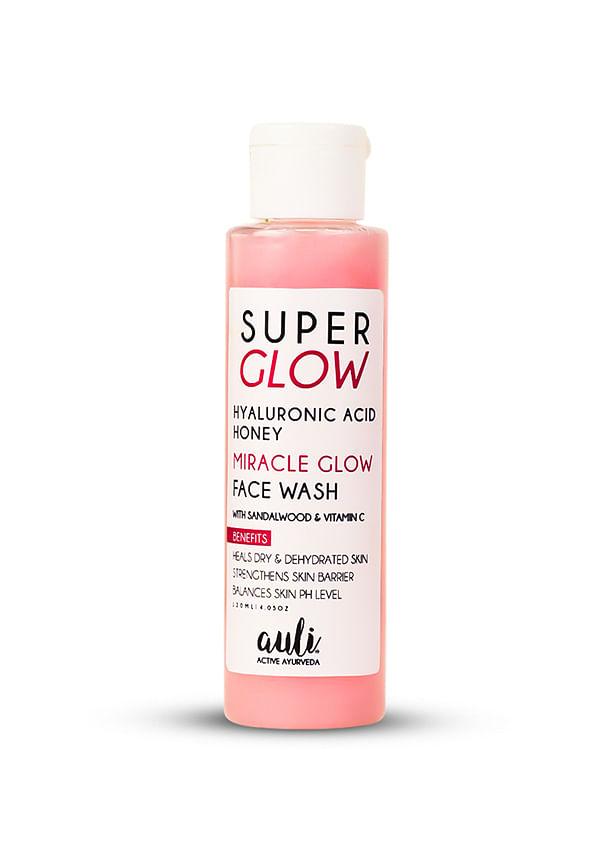
Hyaluronic Acid Nourishing Facewash - SUPER GLOW
Product Ineffective
 4
4“it didn't help my skin in anyway and was useless”
Daily use of salicylic acid can be brilliant for maintaining clear, smooth skin - but only if your skin can tolerate it. Some people thrive on daily use, whilst others find every other day or even twice weekly works better for them. Overuse can lead to irritation, excessive dryness, and even a damaged skin barrier. Signs you're overdoing it include persistent redness, stinging, or skin that feels tight and uncomfortable even after moisturising.
Patience is key with any salicylic acid treatment. Most people see initial improvements in skin texture within 1-2 weeks, but significant changes in acne or congestion can take 6-8 weeks of consistent use. Choosing the right concentration matters enormously. If you're new to chemical exfoliation, start with 0.5-1%. Experienced users or those with very oily, resilient skin might benefit from 2% formulations. Skin type considerations are crucial. Oily skin typically tolerates higher concentrations and more frequent use, whilst sensitive or dry skin types need a gentler approach. Combination skin often benefits from targeted application - using it only on the T-zone or areas prone to congestion.
Week one typically brings improved skin texture and a slight glow as surface dead skin cells are removed. Week two to four is when you might see some purging if you're acne-prone - this is normal and temporary. By weeks four to six, most people notice clearer pores and reduced blackheads. The full benefits for acne treatment usually become apparent around the 8-12 week mark with consistent use.
Salicylic acid provides gentle chemical exfoliation, unclogs pores, reduces inflammation, and helps prevent acne formation. It works by dissolving the bonds between dead skin cells, allowing them to shed more easily and revealing smoother, clearer skin underneath. Regular use can improve skin texture, reduce blackheads and whiteheads, and help control oil production.
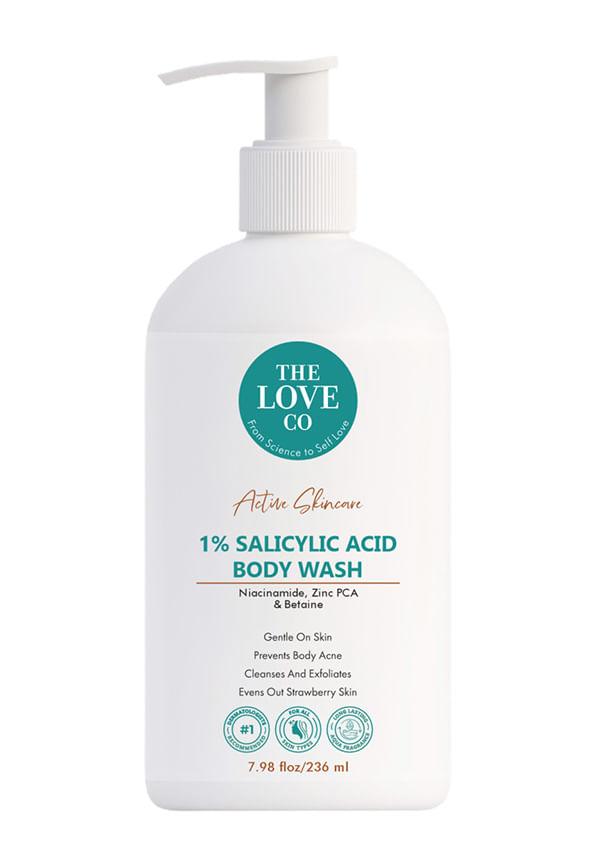
Exfoliating Body Wash with 2% Salicylic Acid
Cleanse your face thoroughly, then apply your salicylic acid product to dry skin. Start with a thin layer every other night, gradually increasing frequency as your skin adjusts. Always follow with a moisturiser to prevent dryness. Avoid using other active ingredients like retinol or vitamin C on the same night initially, and never skip SPF the following morning.
Potential drawbacks include initial dryness, irritation, and peeling as your skin adjusts. Some people experience increased sun sensitivity, and overuse can lead to a compromised skin barrier. It may cause purging in acne-prone skin initially, and those with aspirin allergies should use caution. Pregnant women should consult healthcare providers before use.
Salicylic acid pairs beautifully with niacinamide - they complement each other well for oily, acne-prone skin. With retinol, alternate nights rather than layering to avoid irritation. Vitamin C and salicylic acid can be used together but may cause sensitivity in some people - consider using vitamin C in the morning and salicylic acid at night.
Sensitive skin can benefit from salicylic acid, but requires a gentler approach. Start with lower concentrations (0.5%), use less frequently (2-3 times per week), and always follow with a soothing moisturiser. Look for formulations with calming ingredients like aloe vera or chamomile, and discontinue use if persistent irritation occurs.
For oily skin, daily use of a salicylic acid cleanser is typically well-tolerated. Combination skin often benefits from once daily or every other day use. Sensitive or dry skin types should start with 2-3 times per week. Pay attention to how your skin responds and adjust frequency accordingly - your skin will tell you what it needs.
Salicylic acid truly earns its reputation as a skincare powerhouse. Whether you're dealing with stubborn blackheads, occasional breakouts, or simply want smoother, more refined skin texture, this BHA exfoliant offers a gentle yet effective solution that works with your skin's natural processes. The key to success with salicylic acid lies in finding the right formulation and frequency for your unique skin needs. Start slowly, be consistent, and give your skin time to adjust and show results. Remember that good skincare is a marathon, not a sprint. For those curious about exploring different salicylic acid formulations, Smytten's curated selection includes options from trusted brands, allowing you to discover what works best for your skin. With over 28 million users finding their perfect products through the platform, you're in good company on your skincare journey. The beauty of having access to various formulations means you can find your ideal match without the guesswork - because your skin deserves nothing less than exactly what it needs.
