Salicylic Acid 0.5% vs 2%: Which Concentration is Right for Your Skin?

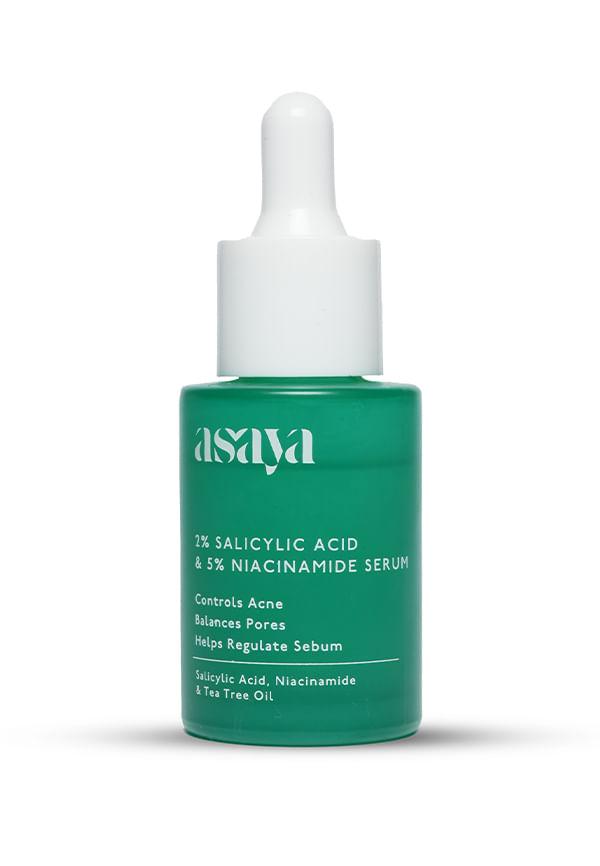
2% Salicylic Acid & 5% Niacinamide Face Serum
Picture this: you're standing in the skincare aisle, staring at two nearly identical bottles—one boasting 0.5% salicylic acid, the other flexing 2%. Both promise clearer skin, but which one's actually your kind of pick? If you've ever felt overwhelmed by the numbers game in skincare, you're not alone. The truth is, when it comes to salicylic acid concentration, more isn't always better. Your skin's unique needs, tolerance level, and skincare goals all play a part in finding that sweet spot. Let's break down this salicylic acid concentration guide 0.5% vs 2% so you can make a choice that actually works for your skin—no guesswork needed.
Before we dive into the percentage debate, let's get real about what makes salicylic acid such a skincare superstar. This beta hydroxy acid (BHA) is oil-soluble, which means it can dive deep into your pores—unlike its water-soluble cousins that just hang out on the surface. The salicylic acid benefits are pretty impressive: it unclogs pores, reduces inflammation, and gives you that smooth skin texture you've been after.
Here's where concentration becomes crucial. Think of it like choosing between a gentle nudge and a firm push—both get you moving, but the intensity differs. Salicylic acid exfoliation works by dissolving the bonds between dead skin cells, but how aggressively it does this depends entirely on the percentage you choose. Higher concentrations penetrate deeper and work faster, but they also come with a higher risk of irritation.
The magic happens because salicylic acid is lipophilic—fancy science speak for "loves oil." This means it can slip through sebum and get to work where other acids can't reach. Whether you're dealing with blackheads, whiteheads, or general skin texture issues, salicylic acid for acne works by:
Breaking down keratin plugs in pores
Reducing inflammation around blemishes
Preventing new breakouts from forming
Smoothing rough, bumpy skin texture
Don't let the lower percentage fool you—0.5% salicylic acid is like that friend who gets things done without making a fuss. It's perfect for those who want consistent results without the drama of potential irritation. This concentration is your go-to if you're new to acids, have sensitive skin, or simply prefer a gentler approach to skincare.
The beauty of 0.5% lies in its versatility. You can use it daily without worrying about over-exfoliation, making it ideal for maintenance rather than aggressive treatment. It's particularly brilliant for preventing issues before they start, rather than tackling existing problems head-on.
This gentler concentration is worth a try if you tick any of these boxes:
You have sensitive or reactive skin
You're new to chemical exfoliation
You have dry or combination skin
You're already using other active ingredients like retinoids or vitamin C
You prefer daily maintenance over intensive treatment
At this concentration, you're looking at steady, consistent improvement rather than dramatic overnight changes. The salicylic acid uses that work brilliantly at 0.5% include:
Daily pore maintenance and prevention
Gentle texture improvement
Managing sebaceous filaments (those tiny grey dots on your nose)
Maintaining clear skin once you've achieved your goals
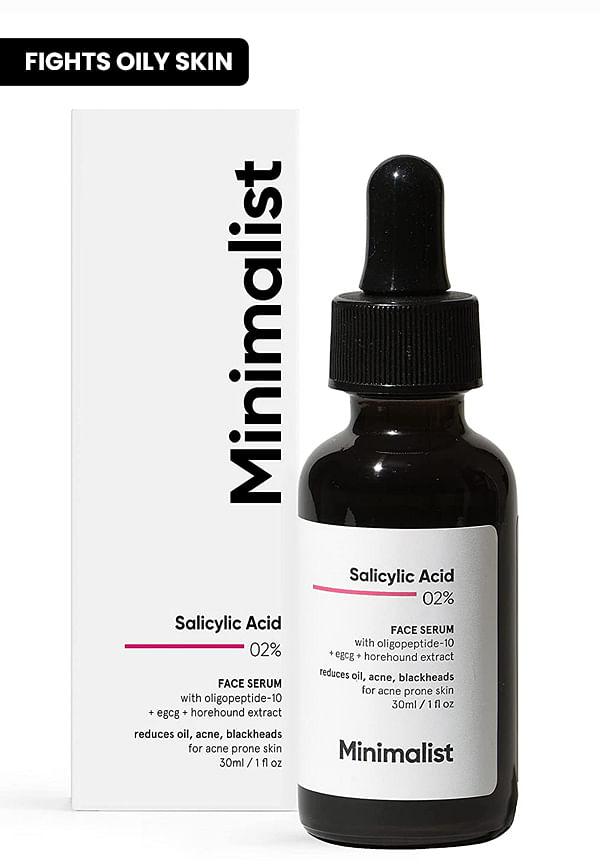
2% Salicylic Acid Serum For Acne, Blackheads & Open Pores
Now we're talking serious business. At 2%, you're getting the maximum over-the-counter strength that's legally available without a prescription. This is your heavy-hitter for stubborn skin concerns that need more aggressive treatment. Think of 2% as the friend who tells you exactly what you need to hear—it gets results, but it doesn't mess about.
This concentration is particularly effective for salicylic acid for acne treatment because it can penetrate deeper and work more aggressively on clogged pores. However, with great power comes great responsibility—you'll need to introduce it slowly and respect your skin's limits.
The 2% strength might just become your new fave if you have:
Oily or acne-prone skin
Stubborn blackheads and whiteheads
Thicker skin that can handle stronger actives
Previous experience with BHAs
Specific problem areas that need targeted treatment
When you're dealing with 2% salicylic acid, the product format matters. Here's where you'll typically find this concentration:
Salicylic acid serum for targeted treatment
Weekly salicylic acid peel treatments
Spot treatments for active breakouts
Intensive treatment masks
Let's be real—choosing between these concentrations isn't just about the numbers. It's about understanding what each brings to your skincare routine and how they fit into your lifestyle. Here's the honest breakdown of how they stack up against each other.
The key difference isn't just potency—it's about how your skin responds and how quickly you want to see results. Think of 0.5% as the marathon runner and 2% as the sprinter—both reach the finish line, but they take different approaches.
Skin Tolerance:
0.5%: High tolerance, suitable for daily use
2%: Moderate tolerance, requires gradual introduction
Treatment Speed:
0.5%: Gradual improvement over 4-6 weeks
2%: Faster results, noticeable changes in 2-4 weeks
Usage Frequency:
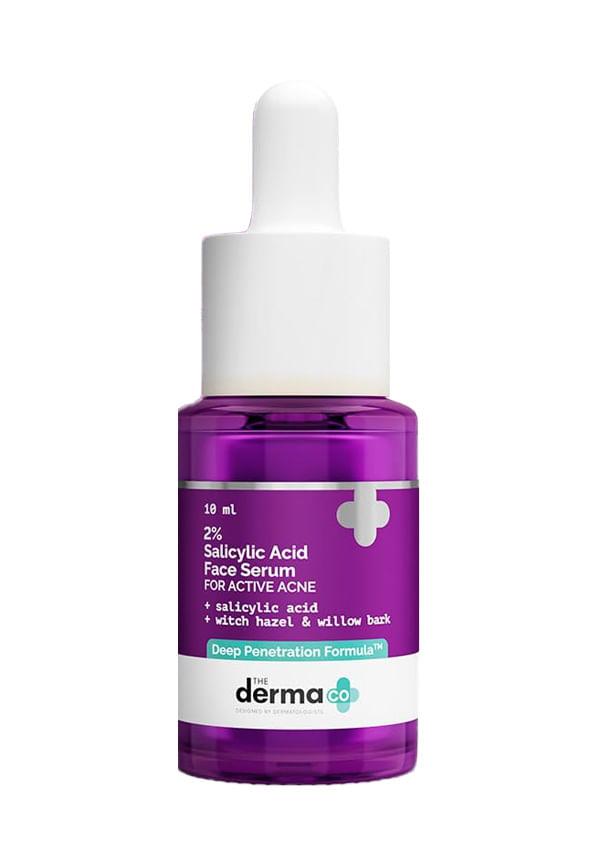
2% Salicylic Acid Serum with Witch Hazel & Willow Bark
0.5%: Daily use after initial adjustment period
2%: Start 2-3 times weekly, gradually increase
The application approach differs significantly between concentrations. For 0.5%, you can typically start with every other day and quickly move to daily use. With 2%, patience is key—start once or twice weekly and listen to your skin's feedback before increasing frequency.
Let's talk about the not-so-glamorous side of acid use. Even the gentlest concentrations can cause some initial adjustment symptoms, and knowing what to expect helps you distinguish between normal adaptation and genuine irritation. The good news? Most salicylic acid side effects are temporary and manageable with the right approach.
Understanding these potential reactions isn't meant to scare you off—it's about setting realistic expectations and knowing when to adjust your routine. Your skin's response will largely depend on the concentration you choose, your current skincare routine, and your individual tolerance level.
Both concentrations can cause similar side effects, but the intensity and likelihood differ:
Initial dryness and mild peeling
Temporary increase in breakouts (purging)
Heightened sun sensitivity
Mild tingling or stinging sensation
Redness around application areas
The secret to successful acid use isn't just about the concentration—it's about creating a supportive routine around it. This means knowing what ingredients play well together and which ones should be kept separate. A well-planned routine can minimise side effects while maximising results.
Now that you understand the science, let's get practical. Choosing the right salicylic acid product isn't just about concentration—it's about finding the format that fits your lifestyle and skin needs. Whether you prefer a salicylic acid cleanser for daily maintenance or a targeted salicylic acid serum for problem areas, the right choice depends on your specific goals.
The beauty of today's skincare market is that you're not limited to one-size-fits-all solutions. Platforms like Smytten make it easier than ever to explore different formulations and concentrations through trial sizes, letting you discover what works without committing to full-size products immediately.
For Daily Maintenance (0.5%):
Salicylic acid cleanser for gentle daily exfoliation
Lightweight serums for consistent pore care
Moisturisers with built-in BHA for convenience
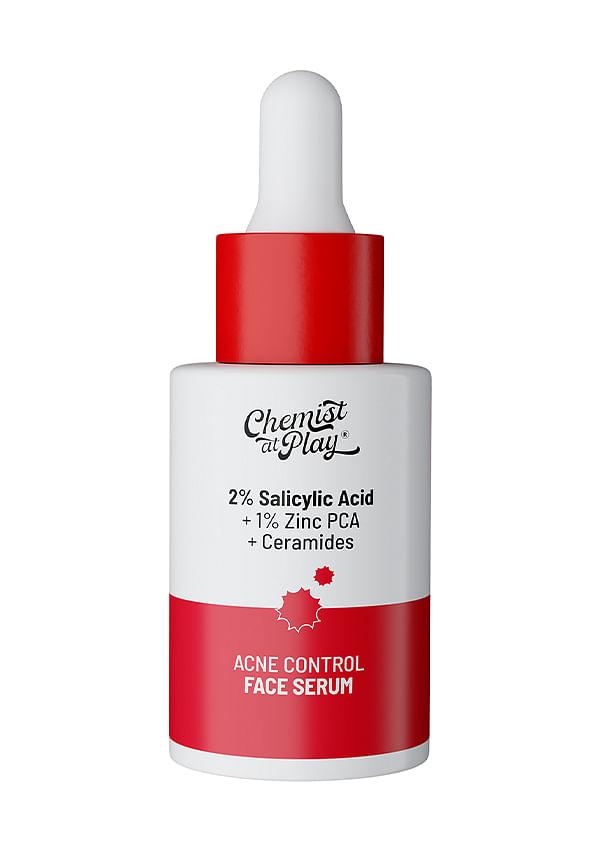
2% Salicylic Acid Face Serum | Treats Active Acne, Controls Excess Oil
For Targeted Treatment (2%):
Concentrated serums for problem areas
Weekly salicylic acid peel treatments
Spot treatments for active breakouts
Your skin's needs change over time, and so might your ideal salicylic acid concentration. Moving from 0.5% to 2% should be gradual, while stepping down from 2% to 0.5% can happen more quickly if you're experiencing irritation. The key is listening to your skin and adjusting accordingly.
Choose 0.5% if you have sensitive skin, are new to acids, or want daily maintenance. Go for 2% if you have oily, acne-prone skin or stubborn blackheads that need more aggressive treatment. When in doubt, start with 0.5% and work your way up.
Absolutely! While 0.5% works more gradually than 2%, it's highly effective for pore maintenance, preventing breakouts, and improving skin texture. Many people find this concentration perfectly adequate for their needs, especially for long-term use.
For most people, yes. Start with 2-3 times weekly and gradually increase frequency as your skin adapts. Some people with very oily, resilient skin can eventually tolerate daily use, but it's not necessary for effectiveness.
It's possible but not recommended for beginners. You might use 0.5% daily and 2% once weekly for deeper treatment, but this requires careful monitoring to avoid over-exfoliation.
With 0.5%, expect gradual improvement over 4-6 weeks. With 2%, you might notice changes in 2-4 weeks. Remember, consistency matters more than concentration for long-term results.
Choosing between 0.5% and 2% salicylic acid isn't about finding the "best" option—it's about finding what works for your unique skin. Whether you opt for the gentle consistency of 0.5% or the targeted power of 2%, the key is starting slowly, staying consistent, and adjusting based on your skin's response.
Remember, skincare is a journey, not a destination. What works for you might change over time, and that's perfectly normal. The beauty of having options is that you can adapt your routine as your skin's needs evolve. With Smytten's trial platform, you can explore different salicylic acid formulations and concentrations from trusted brands without the commitment of full-size purchases. This approach lets you discover your perfect match through curated trial packs, making your skincare journey both affordable and effective. After all, why settle for guesswork when you can try it all and find what truly works for your skin?
