Saffron Skincare: Expert Insights on Radiant Skin
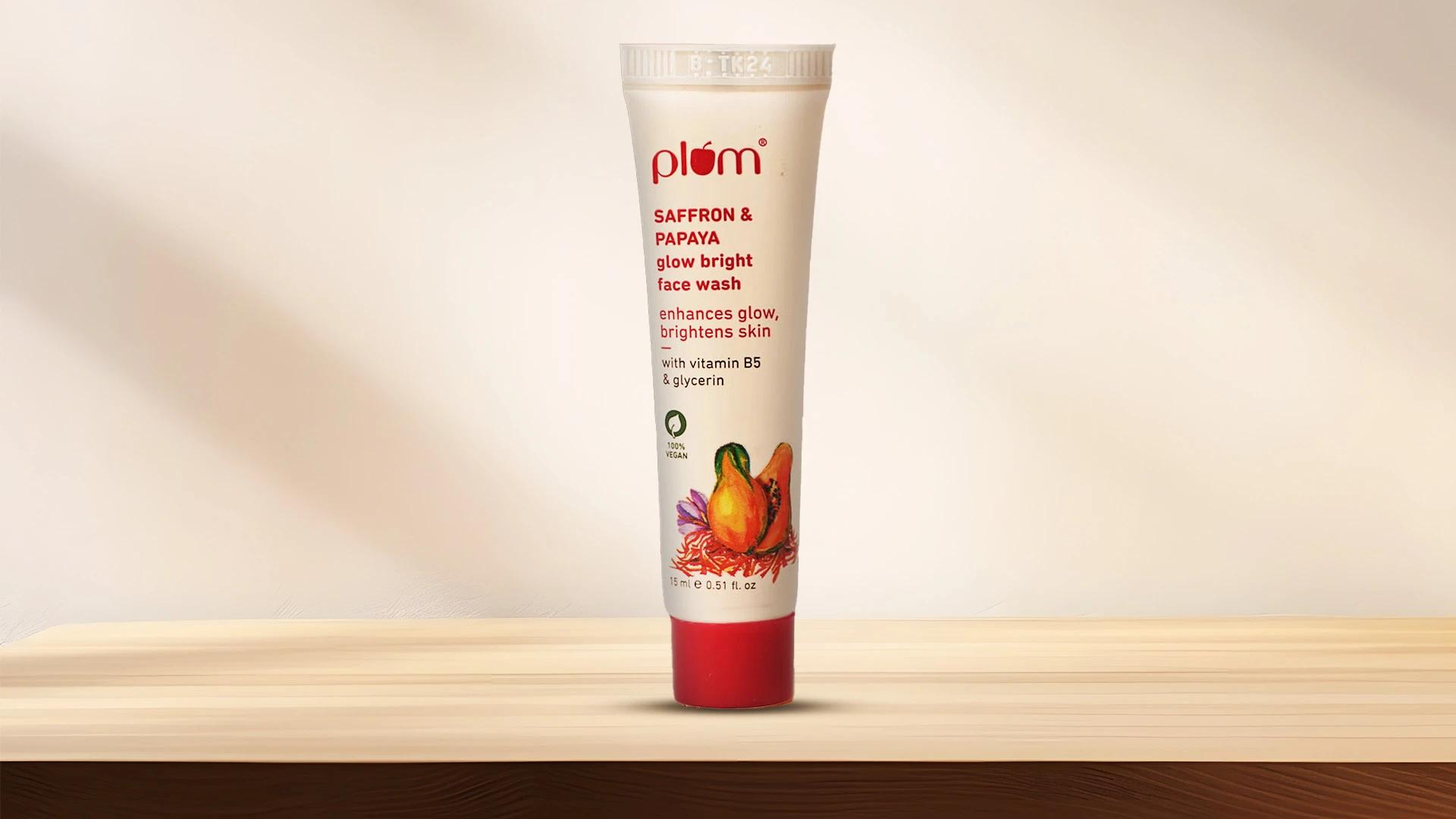

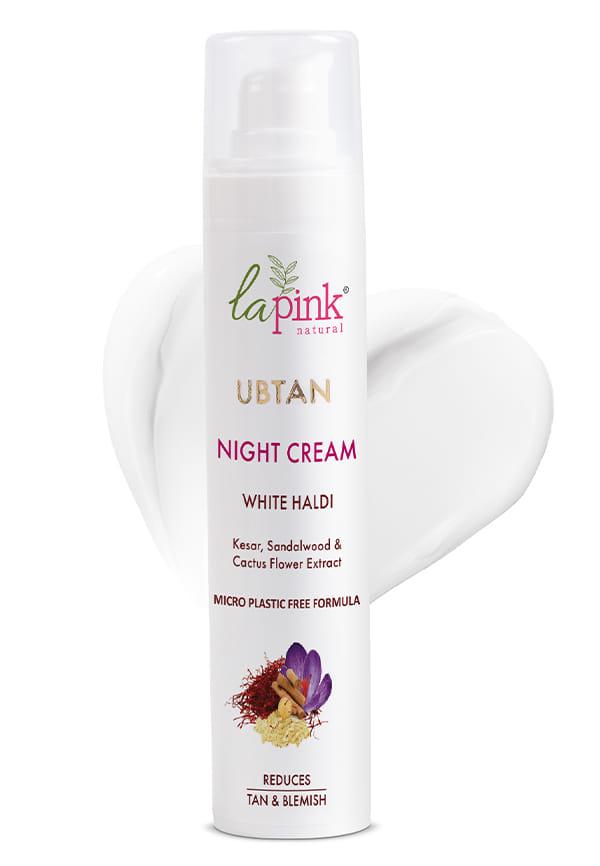
Ubtan White Haldi Night Cream With Saffron for Tan Removal
Let's be real—when your grandmother swears by a beauty ingredient that's been around for centuries, there's probably something to it. Saffron, that golden spice worth more than gold, isn't just for fancy biryani anymore. The skincare world has caught on to what ancient beauty rituals knew all along: saffron for skincare is genuinely transformative. From brightening dull complexions to tackling stubborn dark spots, this precious ingredient is making waves in modern beauty routines. Whether you're dealing with acne, signs of ageing, or just want that natural glow everyone's after, saffron might just be your skin's new best friend.
Before we dive into the fun stuff, let's talk about why saffron actually works. This isn't just another trendy ingredient—there's proper science backing up those saffron benefits for skin. The magic lies in three key compounds: crocin, safranal, and carotenoids. Think of them as your skin's personal bodyguards.
Crocin is the star player here. It's a powerful antioxidant that fights off free radicals—those pesky molecules that age your skin faster than you'd like. Safranal brings anti-inflammatory properties to the table, which means less redness and irritation. Meanwhile, carotenoids work on protecting your skin from environmental damage.
Unlike some ingredients that just sit on your skin's surface, saffron has excellent bioavailability. This fancy term basically means your skin can actually use what you're putting on it. The molecular structure of saffron's active compounds allows them to penetrate deeper layers of skin, where they can do their real work.
Clinical studies have shown that regular use of saffron-based treatments can improve skin texture, reduce hyperpigmentation, and boost overall radiance. One study found that participants using saffron extracts saw a 23% improvement in skin brightness after just four weeks. Not too shabby for a natural ingredient.
Now for the good stuff—what saffron can actually do for your skin. These aren't just claims from beauty brands; these are real, noticeable changes you can expect when you make saffron part of your routine.
Saffron skin brightening is probably what it's most famous for, and for good reason. The crocin in saffron inhibits melanin production, which means fewer dark spots and a more even skin tone. It's like having a gentle, natural filter for your face.
If you're dealing with stubborn dark spots or post-acne marks, saffron for hyperpigmentation is worth trying. It works by gradually lightening existing pigmentation while preventing new spots from forming. The process is gentle but effective—perfect for sensitive skin that can't handle harsh chemical peels.
Saffron for acne works on multiple levels. Its antibacterial properties help control the bacteria that cause breakouts, while its anti-inflammatory action reduces the redness and swelling that come with spots. Plus, it won't dry out your skin like some acne treatments do.
The saffron anti-aging benefits are impressive. Regular use can boost collagen production, which means firmer, more elastic skin. Those fine lines around your eyes? Saffron's antioxidants help prevent them from getting deeper while smoothing out existing ones.
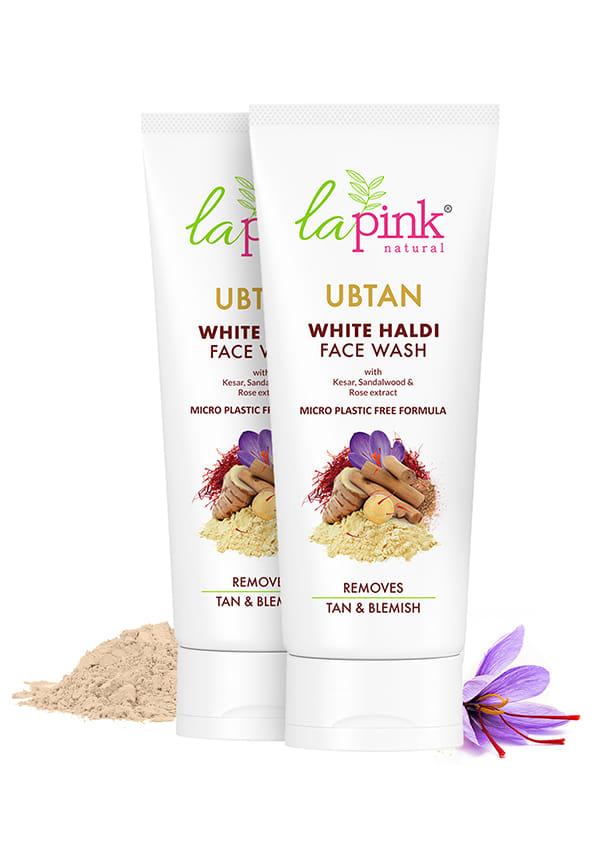
Ubtan White Haldi Face Wash With Saffron for Tan Removal
Saffron helps your skin retain moisture naturally. It strengthens your skin barrier, which means less water loss throughout the day. Your skin stays plump and hydrated without feeling greasy or heavy.
Saffron for glowing skin works by improving blood circulation. Better circulation means more nutrients reaching your skin cells, which translates to that healthy, lit-from-within glow. It's like having good lighting wherever you go.
Living in a city means your skin faces pollution, UV rays, and other environmental stressors daily. Saffron's antioxidants create a protective shield, helping your skin defend itself against these daily aggressors.
Ready to try saffron at home? These saffron face mask recipes are simple, effective, and use ingredients you probably already have. The key is using real saffron threads—not powder, which is often mixed with other ingredients.
This is the OG saffron treatment that's been passed down through generations. Soak 4-5 saffron threads in 2 tablespoons of warm milk for 15 minutes. The milk should turn golden yellow. Apply this mixture to clean skin and leave for 20 minutes before rinsing with cool water.
The lactic acid in milk gently exfoliates while saffron brightens. It's perfect for all skin types and gentle enough for daily use.
Mix soaked saffron (prepared as above) with a tablespoon of raw honey. This saffron skin treatment is brilliant for acne-prone skin. Honey's antibacterial properties work alongside saffron's anti-inflammatory benefits to calm breakouts and prevent new ones.
Soak saffron threads in rose water overnight. Strain and use as a toner morning and evening. This combination is incredibly soothing for sensitive or irritated skin. The rose water adds extra hydration while saffron works on brightening.
Always do a patch test before trying any new ingredient. Apply a small amount to your inner wrist and wait 24 hours to check for reactions. If you're pregnant or have sensitive skin, consult with a dermatologist before using saffron treatments.
If DIY isn't your thing, there are plenty of saffron skincare products available. But not all are created equal. Here's what to look for when shopping for ready-made saffron treatments.
Check the ingredient list carefully. Saffron should be listed in the first five ingredients for maximum effectiveness. Look for products that specify the concentration of saffron extract—anything above 2% is considered effective.
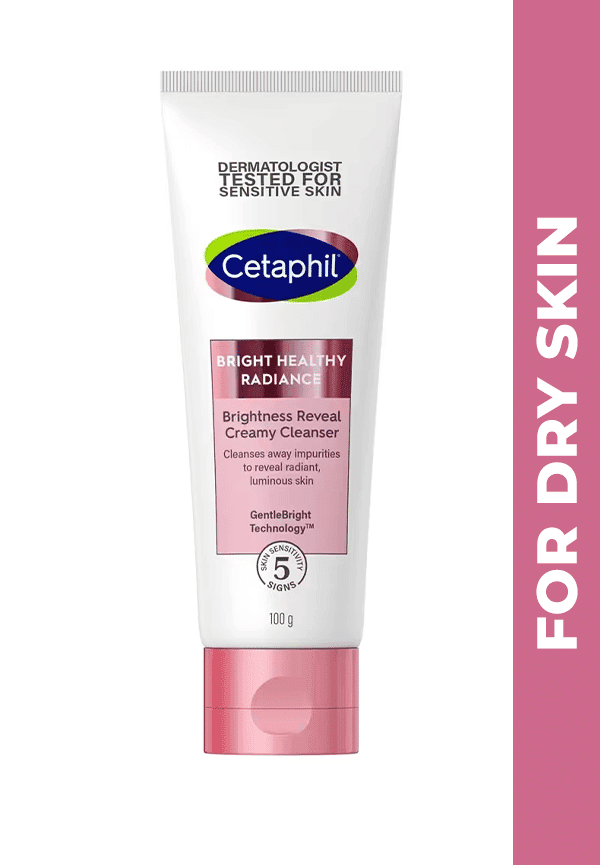
Bright Healthy Radiance Reveal Creamy Cleanser
Cetaphil does its job
 5
5“it's Cetaphil!! like always it does its job...”
Cetaphil does its job
5“it's Cetaphil!! like always it does its job...”
Good Product, Love It
5“it's a good cleanser i really love the product”
Saffron serums tend to be the most potent, followed by creams and oils. Face masks with saffron are great for weekly treatments, while daily moisturisers with saffron offer gentle, consistent benefits.
Real saffron products will have a distinct golden colour and a subtle, sweet aroma. If a product claims to contain saffron but looks or smells artificial, it probably contains synthetic alternatives that won't give you the same results.
Platforms like Smytten make it easier to try different saffron skincare products without committing to full sizes. With over 1,500 trusted brands available in trial sizes, you can discover which saffron formulations work best for your skin before investing in the full-size versions.
Using saffron correctly makes all the difference between seeing results and wasting your time. Here's how to maximise those saffron skin benefits with proper application techniques.
Always apply saffron treatments to clean, damp skin. The moisture helps with absorption and prevents the saffron from sitting on the surface. Use gentle, upward motions when applying, and don't forget your neck—it shows signs of ageing just as much as your face.
For DIY masks, 15-20 minutes is the sweet spot. Any longer and you risk irritation, especially if you have sensitive skin. For leave-on products like serums or moisturisers, apply them in the evening to give your skin time to absorb all the goodness while you sleep.
Saffron plays well with most other skincare ingredients. Apply it after cleansing and toning but before heavier creams or oils. If you're using vitamin C in the morning, save your saffron treatments for evening to avoid any potential interactions.
Start with 2-3 times a week and see how your skin responds. Some people can use saffron daily, while others find that too much. Listen to your skin—if it feels irritated or looks red, scale back the frequency.
You've probably heard about turmeric, vitamin C, and other brightening ingredients. So where does saffron fit in, and when should you choose it over alternatives?
Compared to turmeric, saffron is gentler and less likely to stain your skin or clothes. While turmeric can be quite potent (and messy), saffron offers similar brightening benefits with a more luxurious, spa-like experience.
Saffron and vitamin C actually work beautifully together. Use vitamin C in the morning for antioxidant protection and saffron in the evening for repair and brightening. This combination gives you round-the-clock skin benefits.
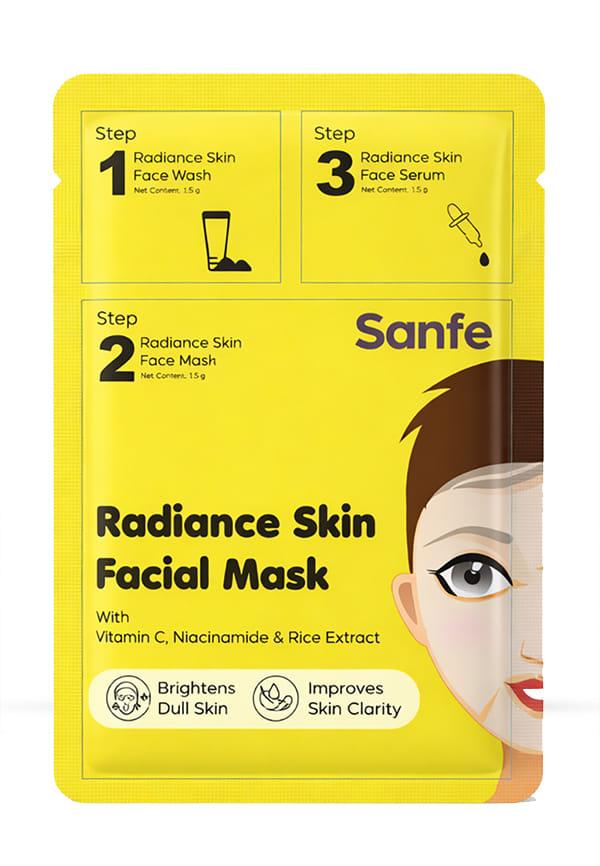
Radiant Skin Facial Mask
If you have sensitive skin that reacts to stronger actives, saffron is an excellent choice. It's also perfect if you prefer natural ingredients or want something that feels pampering rather than clinical.
Absolutely. Saffron contains powerful antioxidants, anti-inflammatory compounds, and natural brightening agents that can improve skin texture, reduce hyperpigmentation, and promote a healthy glow. Clinical studies support its effectiveness for various skin concerns.
Both have their merits, but saffron is generally gentler and less likely to stain. Turmeric is more potent for inflammatory conditions, while saffron excels at brightening and anti-ageing. For sensitive skin, saffron is usually the better choice.
For DIY masks, 15-20 minutes is ideal. Leave-on products like serums can stay on overnight. Always start with shorter durations to test your skin's tolerance, especially if you have sensitive skin.
Avoid mixing saffron with strong acids like glycolic acid or retinoids in the same routine. Also, don't combine it with other potent brightening agents like hydroquinone. When in doubt, use saffron on its own or consult a dermatologist.
While saffron tea has antioxidant benefits, topical application is more effective for direct skin benefits. Drinking saffron can support overall health, but for specific skin concerns, external use is recommended.
Start with 2-3 times per week and adjust based on your skin's response. Some people can use it daily, while others prefer weekly treatments. Consistency matters more than frequency.
Saffron for skincare isn't just a trend—it's a time-tested ingredient with real science backing its benefits. Whether you're dealing with dullness, dark spots, acne, or early signs of ageing, saffron offers a gentle yet effective solution that works for most skin types.
The beauty of saffron lies in its versatility. You can start with simple DIY treatments using kitchen ingredients, or explore professional formulations that combine saffron with other proven actives. The key is finding what works for your skin and sticking with it long enough to see results.
Remember, skincare is personal. What works brilliantly for your friend might not suit your skin, and that's completely normal. This is where platforms like Smytten become invaluable—with trial-sized products from over 1,500 brands, you can experiment with different saffron formulations without the commitment of full-size purchases. After all, why settle for maybe when you can try it all and find what truly works for your unique skin?
