Rosacea FAQ: What It Is and If Indian Skin Can Get It
-a7a13055-9597-4622-8606-6985b15f0fc1.webp&w=3840&q=75)

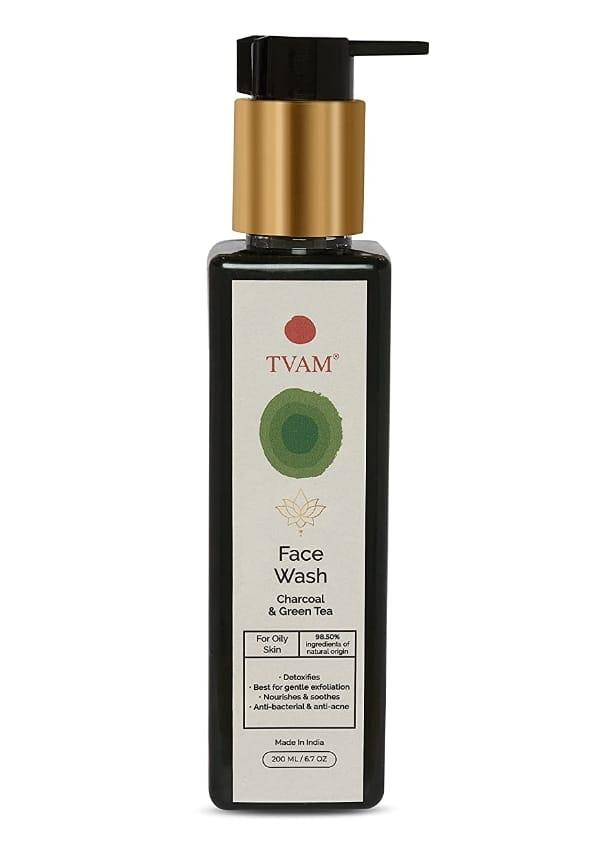
Face Wash - Charcoal & Green Tea - Oily Skin
You've noticed persistent redness on your cheeks that won't budge, even with your usual skincare routine. Maybe it flares up after eating your favourite spicy curry or spending time in the sun. If you're wondering whether this could be rosacea and if it even affects Indian skin, you're asking the right questions. There's a common misconception that rosacea only happens to fair-skinned people, but that's simply not true. Let's explore what rosacea really is and why it's often missed in Indian skin.
Rosacea is a chronic inflammatory skin condition that primarily affects the central face. Unlike a temporary flush from embarrassment or heat, rosacea causes persistent redness on face that doesn't fade quickly. It's not just about looking a bit pink - this condition involves ongoing skin inflammation that can worsen over time without proper care.
The condition differs significantly from acne, though they're often confused. While acne involves blocked pores and bacteria, rosacea symptoms stem from blood vessel dilation and inflammatory responses. You might notice facial flushing that lasts longer than normal, visible blood vessels, or bumps that aren't quite like typical spots.
There are four main types of rosacea. Erythematotelangiectatic rosacea shows up as persistent redness and visible blood vessels. Papulopustular rosacea includes bumps and pus-filled spots alongside the redness. Phymatous rosacea causes skin thickening, often on the nose. Ocular rosacea affects the eyes, causing dryness and irritation.
Globally, rosacea affects around 5% of adults, but these numbers likely underrepresent cases in darker skin tones. The condition typically develops between ages 30-50, though it can appear earlier or later. Women are more commonly affected than men, particularly during hormonal changes.
Real talk - the idea that rosacea on Indian skin doesn't exist is outdated and harmful. This misconception has led to countless cases being misdiagnosed or overlooked entirely. Research shows that rosacea absolutely occurs in people with darker skin tones, including Indian skin.
The problem isn't that Indians can't get rosacea - it's that the condition presents differently and is harder to spot. On fair skin, redness shows up as obvious pink or red patches. On Indian skin, the redness might appear as a subtle warmth, darker patches, or even brownish discolouration. This makes it easy to miss during quick consultations.
Clinical studies from 2025 have highlighted how sensitive skin conditions like rosacea are significantly underdiagnosed in skin of colour. Many dermatologists are now receiving additional training to recognise these subtle presentations. The key signs remain the same - persistent warmth, burning sensations, and inflammatory responses - but the visual cues require a more trained eye.
Another factor is that many people with Indian heritage have been told their facial flushing is just "sensitive skin" or heat-related reactions. While these can be factors, persistent symptoms deserve proper evaluation. Your skin concerns are valid, regardless of your complexion.
Recognising rosacea symptoms on Indian skin requires looking beyond obvious redness. The signs are there, but they often present more subtly than textbook descriptions suggest.
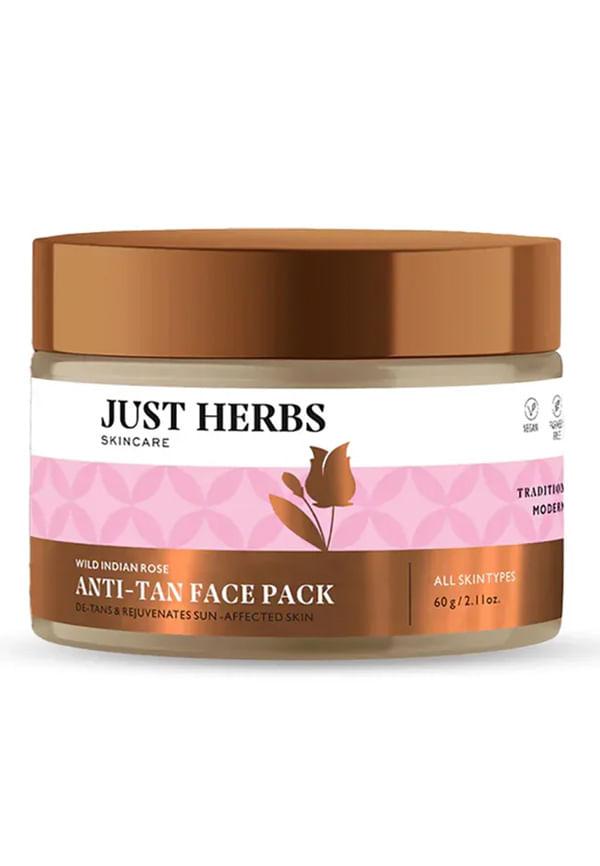
Wild Indian Rose Anti-Tan Face Pack
Instead of bright red cheeks, you might notice your face feels consistently warm or looks slightly darker than usual in certain areas. This warmth often concentrates on the central face - cheeks, nose, chin, and forehead. The facial flushing might appear as a gentle deepening of your natural skin tone rather than an obvious colour change.
Many people with rosacea on Indian skin notice the feeling before the visual changes. Your face might sting when applying certain products, feel tight after cleansing, or burn when exposed to heat or spicy foods. This sensitive skin response is often the first and most reliable indicator.
Unlike typical acne, rosacea bumps don't usually have blackheads or whiteheads. They appear as small, red or flesh-coloured bumps that might feel tender or warm to touch. On Indian skin, these can sometimes look like small, darker spots or patches of rougher texture.
While harder to spot on darker skin, dilated blood vessels can still be visible, especially around the nose and cheek area. They might appear as fine, darker lines rather than the obvious red threads seen on fair skin.
Ocular rosacea affects the eyes and eyelids, causing dryness, burning, or a gritty feeling. This symptom appears the same regardless of skin tone and is often overlooked as a rosacea sign.
Understanding rosacea causes helps you manage the condition better. While the exact cause isn't fully understood, several factors contribute to its development and flare-ups.
Genetics play a significant role - if family members have rosacea or very sensitive skin, you're more likely to develop it. However, environmental and lifestyle factors often determine when and how severely it appears.
India's climate presents unique challenges for rosacea management. The combination of heat, humidity, and intense UV exposure can trigger skin inflammation. Monsoon humidity followed by air conditioning can also stress sensitive skin. Urban pollution adds another layer of irritation, particularly in cities like Delhi, Mumbai, and Bangalore.
Dietary rosacea triggers are particularly relevant in Indian cuisine. Spicy foods, hot beverages like chai, and fermented foods can all provoke flare-ups. This doesn't mean avoiding Indian food entirely - it's about identifying your personal triggers. Some people react to specific spices like black pepper or chilli, while others might find that very hot temperatures are the issue rather than spice levels.
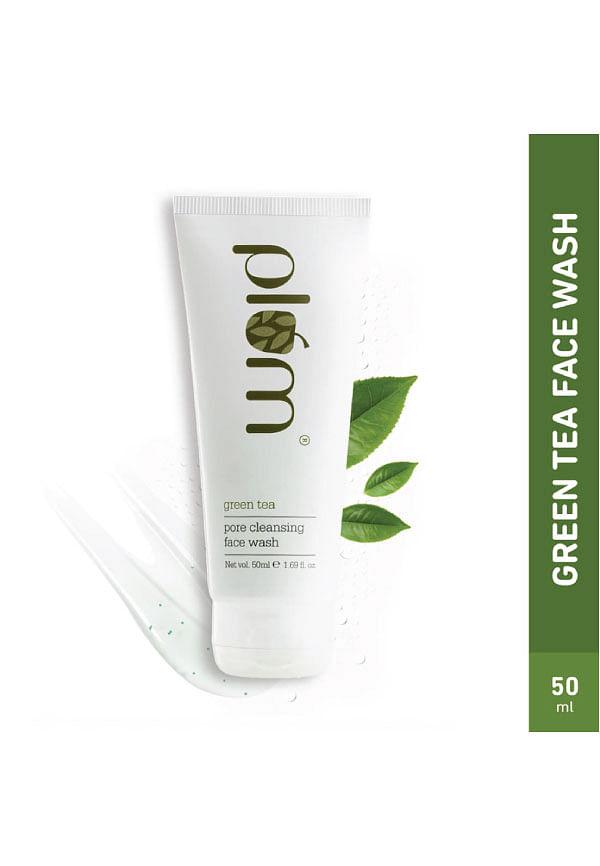
Green Tea Pore Cleansing Face Wash For Oily Skin
Stress is another major trigger, and the fast-paced lifestyle in Indian cities can contribute to rosacea flare-ups. Hormonal changes during pregnancy, menopause, or menstrual cycles can also worsen symptoms. Certain medications, particularly those that dilate blood vessels, might trigger episodes.
Rosacea treatment focuses on managing symptoms and preventing flare-ups rather than curing the condition. The good news is that with proper care, most people see significant improvement in their symptoms.
Medical treatments include topical antibiotics like metronidazole gel, which reduces inflammation and bacterial overgrowth. Anti-inflammatory creams containing azelaic acid work well for many people and are particularly effective for the bumps and spots associated with rosacea. For severe cases, oral antibiotics might be prescribed for short periods.
Your rosacea skincare routine should focus on gentle, fragrance-free products. Look for cleansers with ceramides or gentle surfactants that won't strip your skin. Moisturisers containing niacinamide can help reduce inflammation and strengthen your skin barrier. Always choose mineral sunscreens with zinc oxide or titanium dioxide, as chemical sunscreens can sometimes irritate rosacea-prone skin.
Professional treatments like laser therapy and IPL (Intense Pulsed Light) can help reduce visible blood vessels and persistent redness. However, these treatments require careful consideration for darker skin tones to avoid hyperpigmentation. Always consult a dermatologist experienced with skin of colour before considering these options.
Natural approaches include cool compresses during flare-ups, avoiding known triggers, and managing stress through yoga or meditation. Some people find that green tea compresses or aloe vera gel provide soothing relief, though these should complement, not replace, medical treatment.
The honest answer about whether rosacea can be permanently cured is no - it's a chronic condition that requires ongoing management. However, this doesn't mean living with constant discomfort or visible symptoms. With proper rosacea treatment and lifestyle adjustments, many people achieve excellent control over their condition.
Success looks different for everyone. Some people find that simple skincare changes and trigger avoidance keep their rosacea barely noticeable. Others might need ongoing topical treatments or occasional oral medications during flare-ups. The key is finding what works for your skin and lifestyle.
Long-term management involves identifying your personal triggers, maintaining a gentle skincare routine, and having a plan for managing flare-ups when they occur. Many people find that their rosacea becomes more predictable over time, making it easier to prevent severe episodes.
Regular follow-ups with a dermatologist help ensure your treatment plan remains effective. As your skin changes with age, hormones, or lifestyle factors, your rosacea management might need adjusting too.
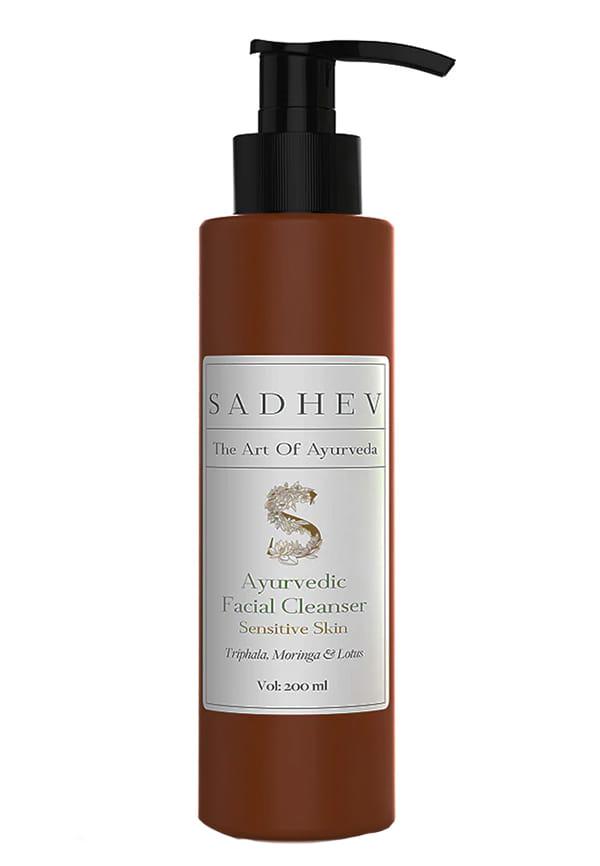
Ayurvedic Facial Cleanser Sensitive Skin
While exact statistics for Indian populations aren't widely available, dermatologists report seeing rosacea regularly in patients with Indian heritage. The condition is likely underdiagnosed due to subtler presentation on darker skin tones. Recent awareness campaigns have led to more accurate diagnoses.
Yes, spicy foods are well-documented rosacea triggers. However, it's often the heat temperature rather than the spice level that causes problems. Try letting hot foods cool slightly before eating, and consider which specific spices might affect you personally. You don't need to avoid Indian cuisine entirely.
Mineral sunscreens with zinc oxide work best for sensitive skin. Look for broad-spectrum protection of at least SPF 30. Brands like Cetaphil and other gentle formulations available on platforms like Smytten offer good options for testing before committing to full-size products.
Heat rash typically appears as small, itchy bumps that resolve quickly when you cool down. Rosacea involves persistent warmth, burning sensations, and doesn't clear up with temperature changes. The central face location is also more typical of rosacea than heat rash.
Some Ayurvedic approaches focus on cooling herbs and anti-inflammatory ingredients. However, these should complement, not replace, proven medical treatments. Always patch-test any new ingredients, as some traditional remedies can irritate sensitive skin.
Absolutely. Air pollution can trigger skin inflammation and worsen rosacea symptoms. Consider using a gentle barrier cream during high pollution days and always cleanse thoroughly when you return home. Air purifiers indoors can also help reduce exposure.
Rosacea absolutely affects Indian skin, despite common misconceptions. The key is recognising that symptoms might present more subtly than in fair skin - look for persistent warmth, burning sensations, and gradual changes rather than obvious redness. Your skin concerns are valid regardless of your complexion.
Managing rosacea successfully involves identifying your personal triggers, maintaining a gentle skincare routine, and working with a dermatologist who understands how the condition presents in darker skin tones. While there's no permanent cure, excellent symptom control is absolutely achievable.
If you're exploring new skincare products for sensitive skin, platforms like Smytten offer a smart way to test formulations before investing in full sizes. With over 28 million users discovering products from trusted brands, you can find gentle, effective options that work for your unique skin needs. Remember, managing rosacea is a journey, not a destination - and you deserve skincare that supports your skin's health every step of the way.
