Retinol vs Retinaldehyde FAQ: Your Questions Answered

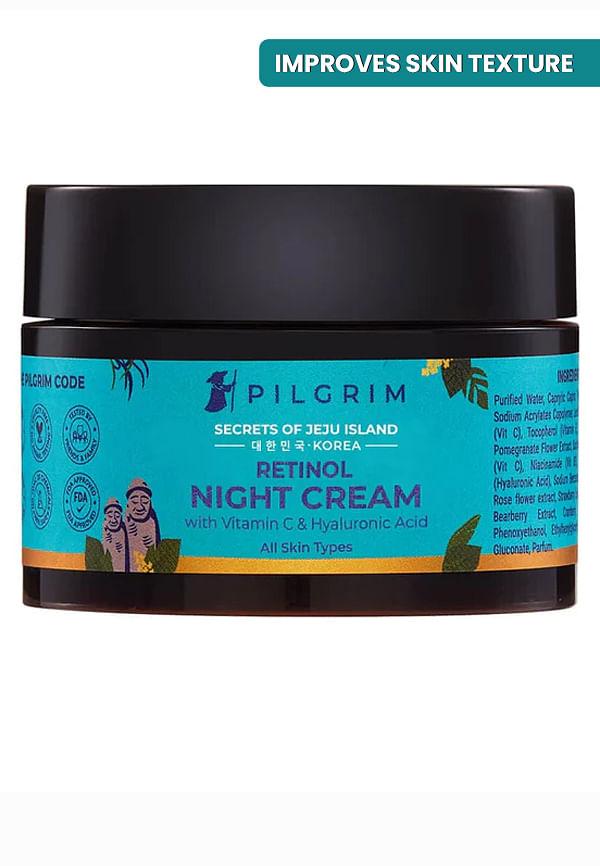
Retinol Anti-Ageing Night Repair Cream With Vitamin C & Hyaluronic Acid
Amazing Product, Worth It
 5
5“Amazing product worth it hai le sakte h ”
Nice Cream, Will Suggest
5“thank uou nice cream .i will suggest to my friends”
Nice Cream, Will Suggest
5“thank uou nice cream .i will suggest to my friends”
If you've been diving into the world of anti-ageing skincare, you've probably come across the ongoing debate about retinol vs retinaldehyde. Both are powerhouse ingredients from the vitamin A family, but understanding the difference between retinol and retinaldehyde can feel like deciphering a chemistry textbook. Whether you're dealing with fine lines, acne scars, or simply want to future-proof your skin, choosing the right retinoid can make all the difference. The good news? You don't need a dermatology degree to figure this out. Real talk - both ingredients deliver results, but they work differently, suit different skin types, and come with their own timelines for visible changes. At Smytten, we've seen countless users discover their perfect retinoid match through trial packs, and we're here to break down everything you need to know about these vitamin A derivatives.
Retinaldehyde converts to retinoic acid in one step (faster results), while retinol needs two conversion steps (gentler introduction)
Retinaldehyde is generally better tolerated by sensitive skin and delivers quicker visible results for anti-ageing
Retinol has more extensive research backing and wider availability across different price points
For beginners: Start with retinol; for experienced users or sensitive skin: consider retinaldehyde
Both are effective for acne, wrinkles, and hyperpigmentation - the choice depends on your skin's tolerance and timeline expectations
Before we dive into the retinol vs retinaldehyde showdown, let's get our bearings on the vitamin A family tree. Both retinol and retinaldehyde are retinoids - derivatives of vitamin A that your skin absolutely loves for cellular renewal and collagen production.
The vitamin A conversion pathway is like a skincare relay race. At the finish line is retinoic acid (tretinoin), the most potent form that actually does the heavy lifting in your skin cells. But your skin can't use vitamin A directly - it needs to convert it through several steps first.
Here's where the difference between retinol and retinaldehyde becomes crystal clear. Retinol needs two conversion steps to become retinoic acid: retinol → retinaldehyde → retinoic acid. Retinaldehyde (also called retinal) is already one step closer, needing just one conversion: retinaldehyde → retinoic acid.
This proximity to the active form means retinaldehyde can deliver results faster, whilst retinol's longer conversion pathway makes it gentler for beginners. Both ingredients stimulate cell turnover, boost collagen production, and help with everything from acne to fine lines - they just take different routes to get there.
Now for the real comparison that'll help you choose between these vitamin A superstars. The molecular structure differences might sound technical, but they translate into very real differences in how your skin responds.
The most significant difference lies in their conversion efficiency. Since retinaldehyde is just one enzymatic step away from retinoic acid, it can start working faster in your skin. Retinol, needing two conversion steps, works more gradually - which can be a blessing or a limitation depending on your skin's needs.
Research suggests that 0.05% retinaldehyde can be as effective as 0.5% retinol - that's ten times the concentration difference. This doesn't mean retinaldehyde is "stronger," but rather more efficient at converting to the active form your skin can use.
Retinol is notoriously unstable and breaks down when exposed to light and air. Retinaldehyde is more stable in formulations, which means the product you're using maintains its potency longer. This stability also allows for more innovative formulations and better ingredient combinations.
Both ingredients deliver impressive results, but they each have unique advantages that might make one more suitable for your skin journey. Let's break down what each brings to your skincare routine.
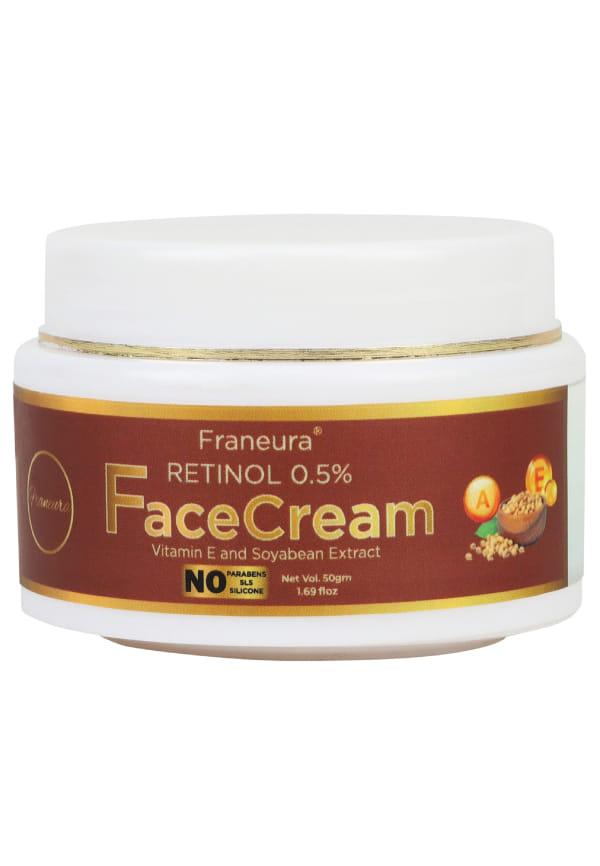
Natural Retinol Night Cream - Anti-Aging & Brightening
Nice, Lightweight, Hydrating Product
5“nice product. light weight and hydrating.”
Best Product
5“I Just love this product best product”
Positive Product, Packaging & Delivery
5“i like it and it is so nice packaging and delivery boy experience is also nice”
Understanding these benefits helps you align your choice with your skin goals, tolerance level, and lifestyle preferences. Neither is universally "better" - it's about finding your perfect match.
Extensive research backing: Decades of studies prove its effectiveness for acne, anti-ageing, and hyperpigmentation
Wide availability: Available across all price points from budget-friendly to luxury formulations
Gradual introduction: The slower conversion allows your skin to build tolerance gradually
Proven track record: Dermatologists have been prescribing and recommending retinol for years
Faster visible results: Many users see improvements in 4-6 weeks vs 8-12 weeks with retinol
Better tolerance: Less likely to cause the dreaded "retinol uglies" (peeling, redness, irritation)
Enhanced anti-ageing efficacy: More efficient conversion means potentially better results at lower concentrations
Antimicrobial properties: Unique benefit for acne-prone skin beyond just cell turnover
The "which is better" question depends entirely on your specific skin concerns and tolerance level. Both ingredients tackle similar issues but with different approaches and timelines.
Your skin type, current routine, and patience level all factor into which retinoid will work best for you. Let's break it down by concern.
Retinaldehyde often takes the lead here due to its faster conversion to retinoic acid. Studies show it can improve fine lines and skin texture more quickly than retinol. If you're looking for faster anti-ageing results and can invest in a slightly pricier product, retinaldehyde might be worth considering.
Both are effective for acne, but they work differently. Retinol has decades of research proving its effectiveness for comedonal acne and post-inflammatory hyperpigmentation. Retinaldehyde brings the added benefit of antimicrobial properties, which can help with inflammatory acne. For sensitive, acne-prone skin, retinaldehyde's gentler nature might be preferable.
Retinaldehyde is generally the gentler option. Its more efficient conversion means you can use lower concentrations for similar results, reducing the risk of irritation. If you've tried retinol before and experienced significant peeling or redness, retinaldehyde might be your skin's preference.
Let's address the elephant in the room - retinoid side effects. Both ingredients can cause initial adjustment symptoms, but the intensity and duration often differ between retinol and retinaldehyde.
Understanding the potential side effects helps you prepare for the adjustment period and know when to slow down or seek professional advice. Remember, some initial irritation is normal, but severe reactions aren't.
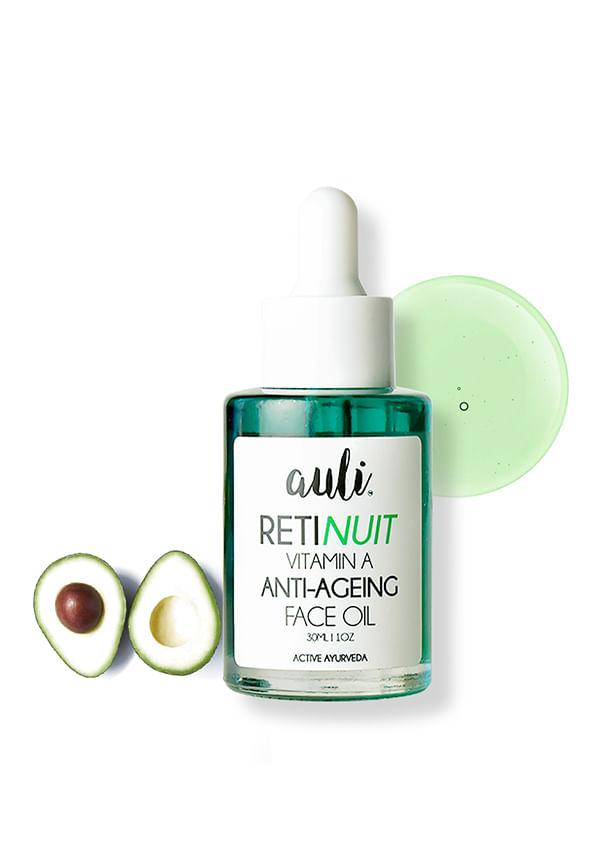
Auli Retinol 0.3% Regenerative Anti-Ageing Facial Oil - Retinuit - 30 ml
Retinol side effects: Dryness, peeling, redness, increased sensitivity to sun, initial breakouts (purging). These typically peak around weeks 2-4 and gradually subside as skin builds tolerance.
Retinaldehyde side effects: Generally milder versions of retinol's effects. Some users experience minimal to no adjustment period, though individual responses vary significantly.
Both ingredients increase photosensitivity, making daily SPF non-negotiable. Pregnant and breastfeeding women should avoid both. If you have very sensitive skin conditions like rosacea or eczema, consult a dermatologist before starting either ingredient.
To help you navigate the options available, here's a comparison of retinol and retinaldehyde products across different skin types and concerns. This table considers formulation, concentration, and suitability for various skin needs.
Product Type | Best For Skin Type | Primary Concern | Affordability | Key Ingredients |
|---|---|---|---|---|
Retinol Serum (0.25-0.5%) | Normal to Oily | Acne, Early Anti-ageing | Budget-friendly | Retinol, Niacinamide, Hyaluronic Acid |
Retinol Cream (0.1-0.3%) | Dry to Normal | Fine Lines, Hydration | Mid-range | Retinol, Ceramides, Peptides |
Retinaldehyde Serum (0.05-0.1%) | Sensitive, All Types | Fast Anti-ageing Results | Premium | Retinaldehyde, Vitamin C, Antioxidants |
Retinaldehyde Cream (0.03-0.06%) | Dry, Mature | Deep Wrinkles, Firmness | Luxury | Retinaldehyde, Peptides, Hyaluronic Acid |
Beginner Retinol (0.1%) | All Types, First-time Users | Gentle Introduction | Affordable | Low-dose Retinol, Soothing Agents |
Making the choice between retinol and retinaldehyde doesn't have to feel overwhelming. Consider these key factors to guide your decision based on your unique skin needs and lifestyle.
Your choice should align with your skin's current tolerance level, your timeline expectations, and your budget. There's no wrong choice - both ingredients can transform your skin with consistent use.
If you're new to retinoids, start with a low-concentration retinol (0.1-0.25%). This allows your skin to build tolerance gradually. Begin with once or twice weekly application and slowly increase frequency as your skin adjusts.
Retinaldehyde is often the better choice for reactive or sensitive skin types. Its gentler nature means less risk of severe irritation whilst still delivering effective results. Look for formulations with soothing ingredients like niacinamide or ceramides.
If you've used retinol successfully but want faster results, transitioning to retinaldehyde could be your next step. You can also consider higher concentrations of retinol if your skin tolerates it well.
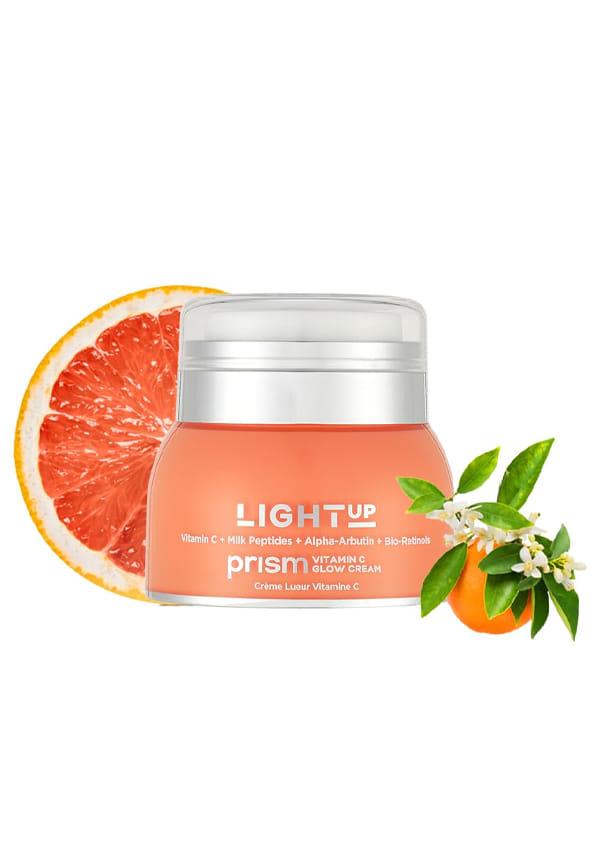
Beauty Prism Vitamin C Face Cream with Alpha Arbutin and Bio-Retinol
Both are effective, but retinaldehyde often delivers faster visible results due to its more efficient conversion to retinoic acid. However, retinol has more extensive research backing its long-term effectiveness. The "better" choice depends on your skin's tolerance and your timeline expectations.
No, they're not equivalent in potency. Research suggests that 0.05% retinaldehyde can be as effective as 0.5% retinol. So 1% retinaldehyde would be significantly more potent than 1% retinol due to the more efficient conversion pathway.
The 0.2% retinaldehyde would likely be stronger in terms of results due to its more direct conversion to retinoic acid. However, "stronger" doesn't always mean better - it depends on your skin's tolerance and needs.
Retinoid is the umbrella term for all vitamin A derivatives. Retinol requires two conversion steps to become active, retinal (retinaldehyde) needs one step, and tretinoin is the active form (prescription-only). Each step closer to tretinoin generally means faster results but potentially more irritation.
Retinaldehyde often shows faster results for wrinkles due to its efficient conversion. However, both are effective for anti-ageing when used consistently. If you want quicker results and can tolerate a higher price point, retinaldehyde might be preferable.
It's not recommended to use both simultaneously as this could lead to over-exfoliation and irritation. If you want to transition from one to the other, phase out the first ingredient gradually before introducing the second.
Retinaldehyde typically shows improvements in 4-6 weeks, whilst retinol usually takes 8-12 weeks for visible changes. However, individual results vary based on skin type, concentration used, and consistency of application.
Absolutely! Smytten offers trial packs of various retinol and retinaldehyde products, allowing you to test different formulations and concentrations before investing in full-size products. This is particularly helpful given that retinoid tolerance is highly individual.
The choice between retinol and retinaldehyde ultimately comes down to your skin's individual needs, tolerance level, and your timeline for results. Retinaldehyde offers faster results and better tolerance for sensitive skin, whilst retinol provides a gentler introduction to retinoids with extensive research backing and wider availability across price points.
For beginners, starting with low-concentration retinol allows gradual tolerance building. If you have sensitive skin or want faster anti-ageing results, retinaldehyde might be worth the investment. Both ingredients are effective for acne, hyperpigmentation, and anti-ageing when used consistently with proper sun protection.
Remember that consistency trumps concentration - it's better to use a lower strength product regularly than a higher strength sporadically. Whichever you choose, introduce it slowly, always use SPF during the day, and be patient with the process. Your skin will thank you for the gradual, consistent approach.
Navigating the world of retinoids doesn't have to be a guessing game, especially when you can try before you buy. Smytten is India's largest product discovery and trial platform, connecting consumers with top lifestyle, beauty, wellness, and grooming brands through curated trial packs from over 2,400 trusted brands. Whether you're curious about a gentle retinol serum or want to test a premium retinaldehyde cream, you can explore mini-sized products before committing to full-size purchases. With trial packs available for just ₹279 and 100% cashback on trials redeemable for future orders, finding your perfect retinoid match becomes both affordable and risk-free. After all, why settle for 'maybe' when you can #TryItAll and discover what truly works for your unique skin needs?
