Retinol vs Retinal vs Tretinoin for Indian Skin: FAQ

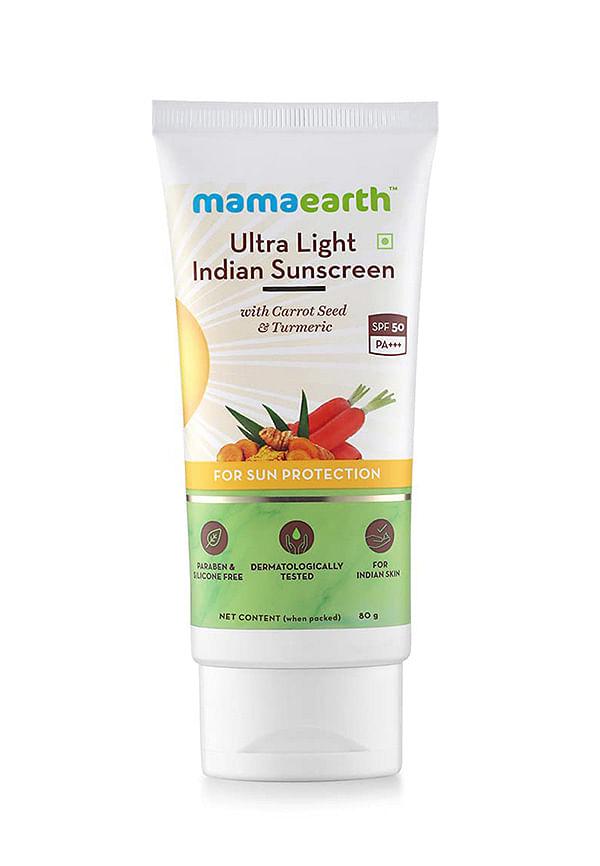
Ultra Light indian Sunscreen
Ever stood in the skincare aisle wondering whether to pick up that retinol serum or ask your dermat for tretinoin? You're not alone. With retinol, retinal, and tretinoin all promising smoother, clearer skin, choosing the right one for Indian skin can feel overwhelming. The truth is, they're all part of the same vitamin A family, but they work at different speeds and strengths. Let's break down exactly what sets them apart and which one might be your skin's new best friend.
Think of retinoids as the umbrella term for all vitamin A derivatives that help your skin behave like its younger self. Whether you're dealing with stubborn acne scars, fine lines, or that dull complexion that seems to stick around despite your best efforts, retinoids work by speeding up cell turnover and boosting collagen production.
Here's what makes them particularly valuable for Indian skin: they tackle multiple concerns at once. From hyperpigmentation that lingers after breakouts to the early signs of ageing that start appearing in your late twenties, retinoids address the root causes rather than just the surface symptoms.
Retinoids are vitamin A derivatives that penetrate deep into your skin to communicate directly with your cells. They tell your skin to shed old, damaged cells faster and replace them with fresh, healthy ones. This process helps fade dark spots, smooth texture, and prevent new breakouts from forming.
For Indian skin, which often deals with post-inflammatory hyperpigmentation and humidity-induced congestion, this cellular renewal process is particularly beneficial. The increased cell turnover helps fade stubborn marks while preventing new ones from settling in.
Your skin needs to convert vitamin A derivatives into retinoic acid (the active form) to see results. Retinol requires two conversion steps, retinal needs just one, and tretinoin is already in its active form. This conversion process explains why some retinoids work faster than others and why your skin might react differently to each one.
The fewer conversion steps required, the more potent the ingredient becomes. This also means more potential for irritation, which is why starting slowly is crucial for Indian skin that may be more prone to post-inflammatory hyperpigmentation.
Understanding the strength differences between these three retinoids helps you choose the right starting point for your skin. Each has its place in skincare routines, and what works for your friend might not be the best choice for your skin type or concerns.
Tretinoin is the most potent option because it's already in its active form. Your skin doesn't need to convert it, so you see results faster but also experience more initial irritation. It's prescription-only in India, which means you'll need to consult a dermatologist.
The tretinoin benefits for Indian skin include faster improvement in acne, more dramatic reduction in hyperpigmentation, and stronger anti-ageing effects. However, it requires careful introduction and consistent sun protection, especially important in India's intense UV environment.
Retinal sits perfectly between retinol and tretinoin in terms of potency. It's approximately 10 times stronger than retinol but gentler than tretinoin. This makes it an excellent choice for those who find retinol too slow but tretinoin too harsh.
For Indian skin that's sensitive or prone to irritation, retinal often provides the best retinoid for sensitive skin experience. You get faster results than retinol with less irritation than tretinoin, making it ideal for building retinoid tolerance.
Retinol is the mildest option and widely available without prescription. It requires two conversion steps to become active, which means slower results but also less irritation. This makes it perfect for retinoid beginners or those with very sensitive skin.
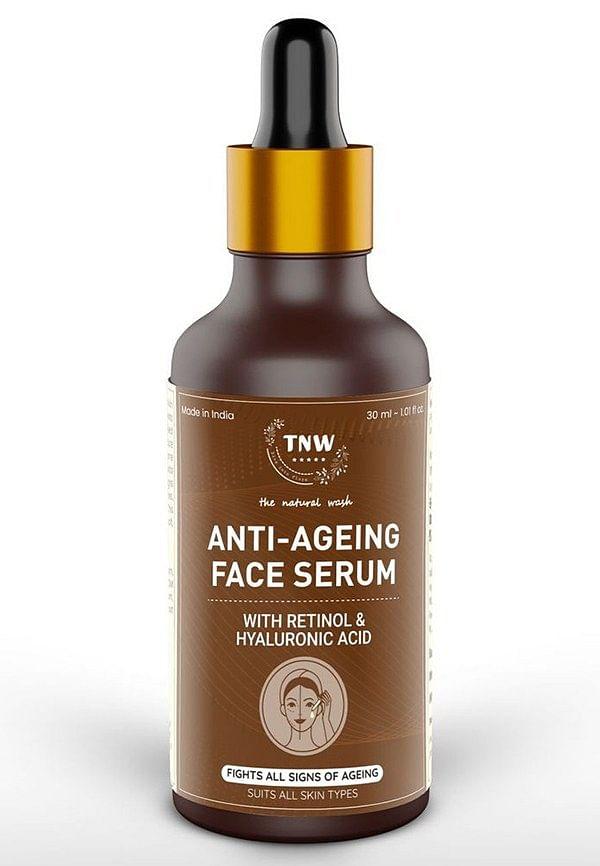
Retinol Serum for Face with Hyaluronic acid for Spotless Glowing Skin Help Reducing Wrinkles & Fines Lines| Made in India Antiaging Serum (No Chemica
The retinol benefits include gradual skin improvement, easier tolerance building, and the flexibility to use it alongside other active ingredients. It's an excellent starting point for anyone new to retinoids or those who prefer a gentler approach.
Indian skin faces unique challenges from climate, genetics, and lifestyle factors. The high humidity, intense sun exposure, and tendency toward hyperpigmentation mean choosing the right retinoid becomes even more important for achieving your skin goals.
For stubborn dark spots and hyperpigmentation, tretinoin typically shows the fastest results. It accelerates cell turnover more aggressively, helping fade marks that have been lingering for months. However, the initial irritation can sometimes worsen hyperpigmentation temporarily.
Retinal offers a balanced approach, providing significant improvement in hyperpigmentation without the harsh adjustment period. For those dealing with melasma or extensive sun damage, starting with retinal and potentially upgrading to tretinoin later often works well.
When it comes to anti-aging skincare routine planning, tretinoin remains the gold standard for wrinkle reduction and prevention. Its ability to stimulate collagen production is unmatched, making it ideal for those in their thirties and beyond.
Retinol works excellently for prevention and early intervention. If you're in your twenties or early thirties and want to prevent signs of ageing rather than treat existing ones, retinol provides gentle but effective protection.
All three retinoids for skin help with acne, but tretinoin is often prescribed specifically for moderate to severe acne. It unclogs pores more aggressively and reduces oil production, which is particularly helpful in India's humid climate.
For mild acne or congestion, retinol or retinal work well without the potential for initial breakouts that sometimes occur with tretinoin. They help maintain clear skin while being gentle enough for long-term use.
Understanding retinoid concentrations helps you make informed choices and set realistic expectations. The key is starting low and building up slowly, especially important for Indian skin that may be more reactive to active ingredients.
A common question is whether 1% retinol or 0.2% retinal is stronger. The answer is retinal, despite the lower percentage. Because retinal requires only one conversion step compared to retinol's two, 0.2% retinal delivers more active ingredient to your skin than 1% retinol.
Similarly, when comparing tretinoin 0.025 vs retinol, even the lowest strength tretinoin (0.025%) is significantly more potent than most over-the-counter retinol products. This is why tretinoin requires prescription supervision.
Start with the 1/2/3 rule: use your retinoid once in the first week, twice in the second week, and three times in the third week. This gradual introduction helps your skin build tolerance without overwhelming it.
Apply a pea-sized amount to clean, dry skin in the evening. Always follow with a gentle moisturiser and never skip sunscreen the next morning. This routine helps prevent irritation while allowing your skin to adapt slowly.
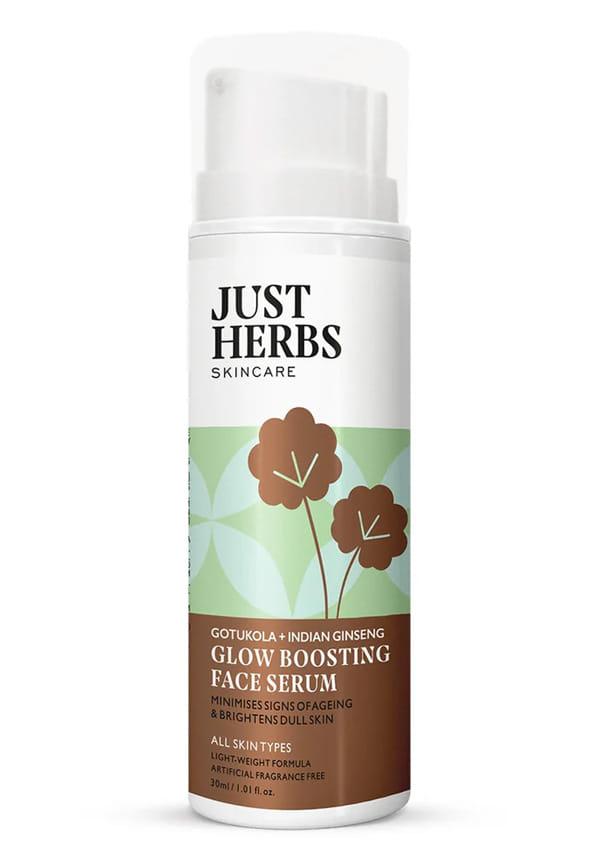
Gotukola Indian Ginseng Rejuvinating Beauty Elixir
Building an effective retinoid routine requires patience and consistency. The goal is to maximise benefits while minimising irritation, especially important in India's challenging climate conditions that can exacerbate sensitivity.
Always patch test any new retinoid on a small area of skin before full application. Apply it behind your ear or on your inner arm and wait 24 hours to check for reactions. This simple step can save you from widespread irritation.
Expect some initial adjustment as your skin gets used to increased cell turnover. Mild redness, dryness, or peeling is normal for the first few weeks. However, severe irritation, burning, or worsening of hyperpigmentation means you should reduce frequency or switch to a gentler option.
A frequent question is can you use retinol and tretinoin in the same week? The answer is yes, but with caution. Some people alternate between a gentler retinoid (like retinol) on most nights and a stronger one (like tretinoin) once or twice weekly.
This approach can help you get stronger results while maintaining tolerance. However, it requires careful monitoring and should only be attempted once your skin is fully adapted to regular retinoid use.
Pair your retinoid with a gentle, hydrating moisturiser to combat dryness. Look for ingredients like niacinamide, hyaluronic acid, or ceramides that support your skin barrier while retinoids work their magic.
SPF becomes non-negotiable when using retinoids. They increase photosensitivity, making your skin more vulnerable to UV damage. Use broad-spectrum SPF 30 or higher daily, even on cloudy days or when staying indoors near windows.
Understanding potential side effects helps you use retinoids safely and effectively. Most side effects are temporary and manageable with proper technique and patience, but knowing what to expect prevents unnecessary worry.
Initial side effects include redness, dryness, peeling, and sometimes purging (temporary increase in breakouts). These typically peak in the first 2-4 weeks and gradually subside as your skin adapts.
In India's humid climate, you might experience less dryness but more sensitivity to heat and sweating. Adjust your routine seasonally, potentially reducing frequency during particularly hot or humid months.
Indian skin's tendency toward post-inflammatory hyperpigmentation means being extra cautious with retinoid introduction. Any irritation can potentially leave dark marks, so starting slowly and using proper sun protection is crucial.
Avoid using retinoids during pregnancy or breastfeeding. If you're planning to conceive, discuss retinoid use with your healthcare provider well in advance.
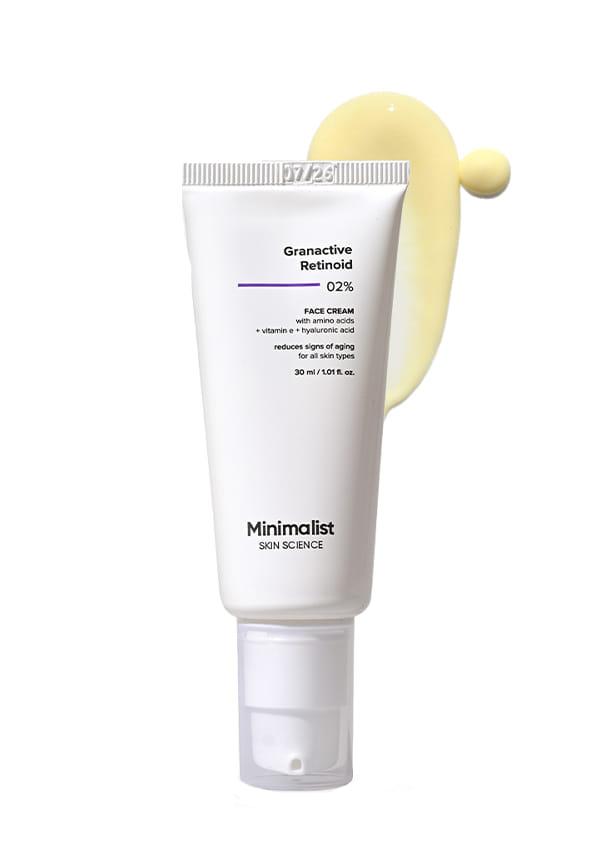
Granactive Retinoid 02% Face Cream
Tretinoin typically shows the fastest results because it's already in active form. Most people notice improvements in skin texture within 4-6 weeks and significant changes in hyperpigmentation and fine lines within 3-4 months. However, faster results often come with more initial irritation.
With retinol, expect to see initial improvements in skin texture around 8-12 weeks, with more dramatic changes after 6 months of consistent use. Retinal works faster, showing results in 6-8 weeks, while tretinoin can show improvements in 4-6 weeks.
Yes, retinoids can help with melasma, but they work best as part of a comprehensive treatment plan that includes strict sun protection and often other lightening agents. Tretinoin is most effective for melasma, but it must be used under dermatological supervision.
Yes, you can use retinoids year-round in India, but you may need to adjust frequency based on seasons. During intense summer months or monsoon humidity, some people reduce usage to prevent irritation. Always maintain consistent sun protection regardless of season.
Yes, but timing matters. Use vitamin C in the morning and retinoids at night to avoid potential interactions. Niacinamide can be used with retinoids and actually helps reduce irritation. Start slowly when combining actives and monitor your skin's response.
Always apply retinoids in the evening on clean, dry skin. They can increase photosensitivity, making nighttime application safer. Wait 20-30 minutes after cleansing before applying to ensure your skin is completely dry, which reduces irritation risk.
For Indian skin, look for retinol products that include soothing ingredients like niacinamide or hyaluronic acid. Start with lower concentrations (0.25-0.5%) and choose formulations designed for sensitive skin. The key is consistency rather than high strength.
Not necessarily. While some expensive retinoids offer better formulations or additional beneficial ingredients, the active ingredient concentration and your skin's tolerance matter more than price. Many affordable retinoids work excellently when used consistently.
For most people, starting with retinol allows better tolerance building and reduces the risk of irritation-induced hyperpigmentation. However, if you have significant acne or advanced signs of ageing, consulting a dermatologist about tretinoin might be more effective.
Choosing between retinol, retinal, and tretinoin doesn't have to be overwhelming. Start with your skin's current tolerance level and specific concerns. If you're new to retinoids or have sensitive skin, retinol offers a gentle introduction. For faster results with moderate tolerance, retinal provides an excellent middle ground. And for significant skin concerns or when you're ready for maximum potency, tretinoin under dermatological guidance delivers the strongest results.
Remember that consistency trumps strength every time. A gentle retinoid used regularly will always outperform a strong one used sporadically. Your skin's journey with retinoids is a marathon, not a sprint, and the goal is long-term skin health rather than quick fixes.
The beauty of platforms like Smytten Shop lies in their curated selection of trusted skincare brands, making it easier to find quality retinoid products that work for Indian skin. With over 28 million users discovering products through trial and experience, you can make more confident choices about which retinoid formulation suits your skin best. If you're curious about trying different retinoid products before committing to full sizes, exploring minis can be a smart way to test your skin's response without the investment risk.
