Retinol vs Retinal vs Retinoid: Understanding the Differences


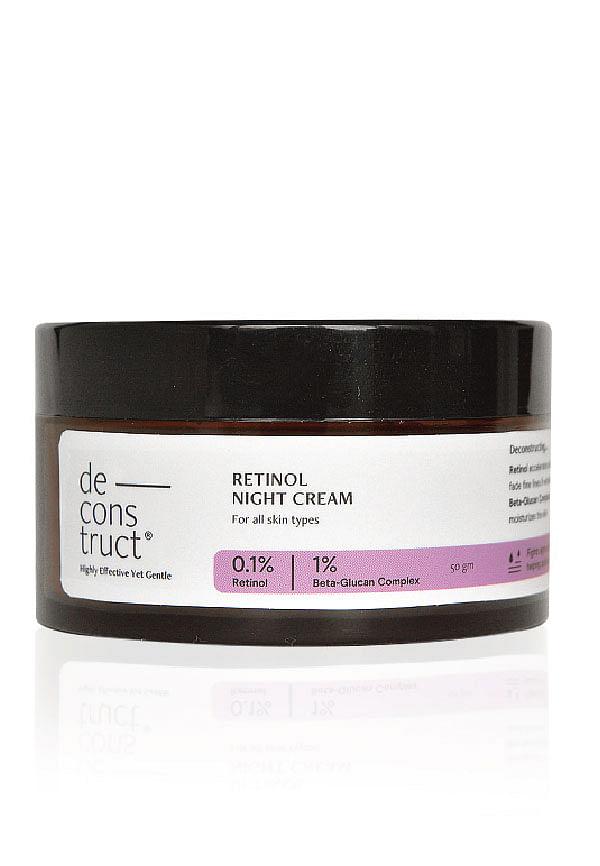
Retinol night cream - 0.1% Retinol + 1% Beta-Glucan Complex
Good, Worth Buying
 5
5“it is really good worth buying”
Amazing Product
5“guud amazing wow happy for good product”
Quick Visible Results
5“amazing visible results in one week of use”
Let's be real—the world of vitamin A derivatives can feel like alphabet soup. Retinol, retinal, retinoid... they all sound similar, but trust us, the differences matter. Whether you're just starting your anti-aging journey or looking to level up your skincare game, understanding these powerhouse ingredients will help you make smarter choices. Think of this as your friendly guide to navigating the retinoid family without the confusion or overwhelm.
Here's the thing about vitamin A derivatives—they're all part of one big, happy family called retinoids. But like any family, each member has its own personality and strengths. The retinoid conversion pathway works like a step ladder: retinyl palmitate converts to retinol, which then converts to retinal (also called retinaldehyde), and finally transforms into retinoic acid—the active form your skin actually uses.
Why does this conversion process matter? Simple. The fewer steps your skin needs to take, the faster and more potent the results. It's like having a direct flight versus multiple layovers—both get you there, but one's definitely quicker.
At the gentlest end, you've got retinyl palmitate and retinol—perfect for beginners. In the middle sits retinal, offering faster results with manageable side effects. At the strongest end are prescription retinoids like tretinoin, which require a doctor's guidance but deliver the most dramatic results.
Over-the-counter options include retinol, retinal, and newer formulations like granactive retinoid. Prescription retinoids include tretinoin, adapalene, and tazarotene. The main difference? Prescription versions are already in their active form, so they work immediately but can cause more irritation initially.
If retinoids were a friend group, retinol would be the reliable mate who's always got your back. It's the most researched, widely available, and beginner-friendly option out there. Plus, it's gentle enough for most skin types when introduced properly.
Retinol works by encouraging cell turnover and boosting collagen production. Your skin needs to convert it twice before it becomes active, which is why it's gentler but takes longer to show results.
Retinol is a vitamin A derivative that your skin converts into retinoic acid through a two-step process. You'll typically find it in concentrations ranging from 0.25% for sensitive skin up to 1% for more experienced users. Most people start seeing visible improvements around the 8-12 week mark—patience is key here.
The benefits of retinol are pretty impressive. It smooths fine lines and wrinkles, evens out skin texture, and gives you that healthy glow everyone's after. Here's what you can expect:
Reduction in fine lines and wrinkles over time
Improved skin texture and smoother surface
More even skin tone and reduced dark spots
Increased collagen production for firmer skin
Gentle introduction to the retinoid world
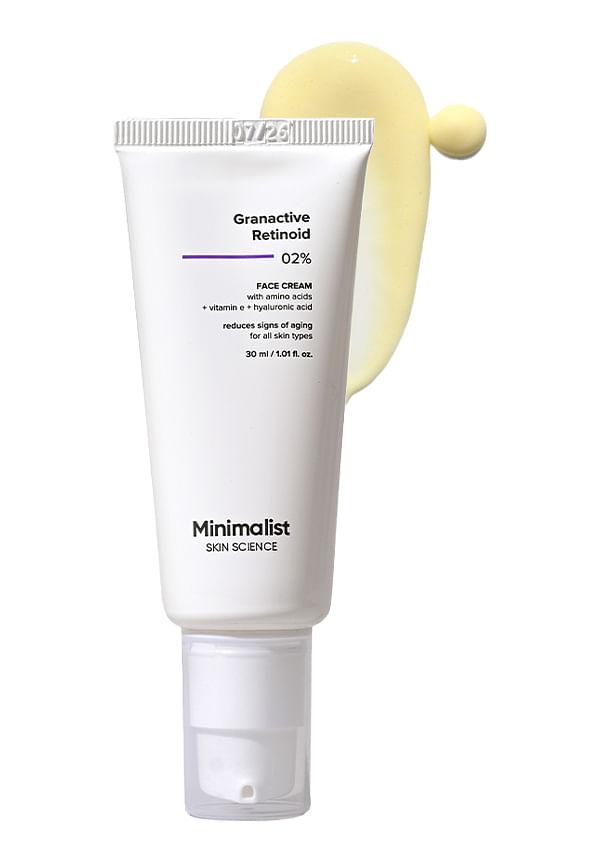
Granactive Retinoid 2% Face Cream
Good product
5“very good and very nice product”
Good for Anti-Ageing
5“Great for anti ageing and fine lines”
Good for Anti-Ageing
5“Great for anti ageing and fine lines”
Retinol is your kind of pick if you're new to retinoids, have sensitive skin, or prefer gradual results. It's also budget-friendly compared to prescription options, making it accessible for most people starting their anti-aging journey.
Meet retinal—the overachiever of the retinoid family. Also known as retinaldehyde, this ingredient is like retinol's more efficient cousin. It only needs one conversion step to become active, which means faster results with less waiting around.
Studies show retinal works 10-11 times faster than retinol, making it perfect for those who want quicker results but aren't ready for prescription-strength treatments.
The magic of retinal lies in its efficiency. Since it's just one step away from retinoic acid, your skin can use it much faster than retinol. This translates to visible improvements in as little as 4-6 weeks rather than the typical 8-12 weeks with retinol.
When comparing retinal and retinol, speed is the main differentiator. Retinal delivers faster results for wrinkle reduction and skin firmness. It's also more stable in formulations, meaning your products stay effective longer. However, this efficiency comes with a higher price tag and potentially more initial irritation.
Retinal might just become your new fave if you've already used retinol successfully and want to step up your game. It's also worth considering if you have specific anti-aging concerns and want faster results without jumping straight to prescription options.
The term "retinoid" actually covers the entire family of vitamin A derivatives. Think of it as the umbrella term that includes everything from gentle retinol to prescription-strength tretinoin.
Understanding the different retinoid types helps you choose what's right for your skin goals and tolerance level. Each type has its place in the skincare world.
Over-the-counter retinoids include retinol, retinal, and newer formulations like granactive retinoid (hydroxypinacolone retinoate). Prescription retinoids include tretinoin, adapalene, and tazarotene. Some brands also offer encapsulated or time-release formulations that deliver the ingredient slowly for reduced irritation.
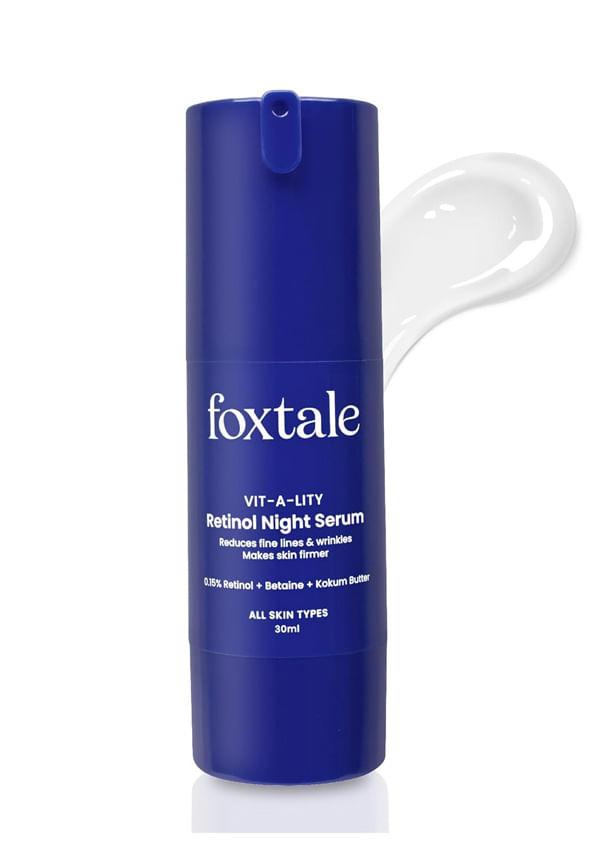
0.15% Beginner Friendly Retinol Night Serum, Anti-Aging Night Cream
Excited, trusts Foxtale
5“so good yay excited to see results and i trust foxtale”
Light and Fast Absorbing
5“light on face it's my first order now I am start using it get result I will share but it's fast absorbing and light on skin”
Light and Fast Absorbing
5“light on face it's my first order now I am start using it get result I will share but it's fast absorbing and light on skin”
Let's talk about the elephant in the room—retinoid side effects. Common ones include redness, dryness, peeling, and initial breakouts (hello, retinoid purge). The good news? These usually settle down as your skin builds tolerance. Here's how to minimise the drama:
Start with the lowest concentration available
Use only 2-3 times per week initially
Always apply to dry skin
Follow with a good moisturiser
Never skip sunscreen during the day
Here's where it gets personal. The best choice depends on your skin type, experience level, and what you're hoping to achieve. There's no one-size-fits-all answer, but we can help you narrow it down.
Consider your current skincare routine, how your skin typically reacts to new products, and how quickly you want to see results. These factors will guide you towards the right choice.
For sensitive skin, start with retinol at 0.25% concentration. Oily or acne-prone skin often tolerates retinoids well and might benefit from prescription options like adapalene. Mature skin focused on anti-aging might find retinal or prescription tretinoin most effective.
Start low and go slow—that's the golden rule. Begin with retinol at 0.25-0.5%, retinal at 0.05-0.1%, or the lowest available prescription strength. Use 2-3 times per week for the first month, then gradually increase frequency as your skin adapts.
Some ingredients play well with retinoids, others don't. Safe combinations include hyaluronic acid, niacinamide, and ceramides. Avoid using retinoids with vitamin C, AHA/BHA acids, or benzoyl peroxide at the same time—alternate nights or use them at different times of day.
Getting the most from your retinoid choice isn't just about picking the right type—it's about using it correctly. Proper application can make the difference between glowing skin and irritated, peeling mess.
The key is building tolerance gradually while maximising benefits. Think of it as training your skin to handle these powerful ingredients.
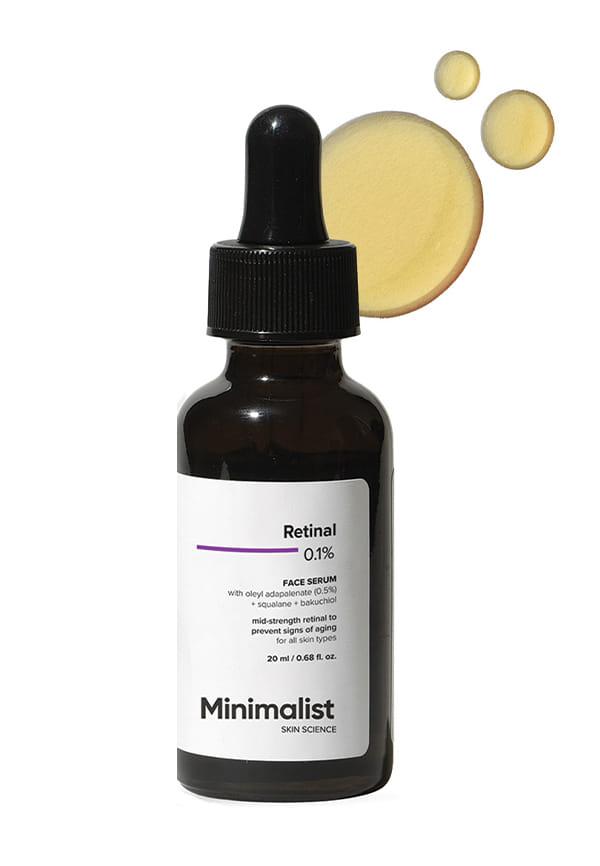
Retinal 0.1% Face Serum
Good Product & Packaging
4“Good product and nice packaging”
Powerhouse for Anti-Aging
5“I loved it, it is a powerhouse for anti aging.”
Good Quality, Not for Sensitive Skin
5“good quality but not for sensetive skin”
Always patch test new retinoid products on a small area first. Start with once or twice weekly application, gradually increasing to every other night, then nightly as tolerated. Monitor your skin's response and adjust accordingly—some redness is normal, but severe irritation means you're going too fast.
Use retinoids only at night, as they can increase sun sensitivity. Apply to completely dry skin (wait 20-30 minutes after cleansing), use a pea-sized amount for your entire face, and always follow with moisturiser. During the day, sunscreen is non-negotiable.
When you're ready to explore different retinoid options, platforms like Smytten make it easy to try before you commit. With curated trial packs from trusted skincare brands, you can discover which vitamin A derivative works best for your skin without the guesswork. After all, finding your perfect retinoid match shouldn't involve expensive trial and error—it should be about making informed choices that work for your skin and budget.
It depends on your skin goals and experience level. Retinol is best for beginners and sensitive skin, retinal offers faster results for experienced users, and prescription retinoids provide the strongest effects for specific concerns. Start with retinol if you're new to vitamin A derivatives.
Retinal works 10-11 times faster than retinol because it requires only one conversion step to become active retinoic acid, compared to retinol's two-step process. This doesn't mean it's necessarily "stronger," but rather more efficient at delivering results.
No, 1% retinal is significantly more potent than 1% retinol due to the conversion pathway differences. A 0.1% retinal product might be comparable to a 1% retinol product in terms of effectiveness, though individual skin responses vary.
Most retinoids are not recommended during pregnancy or breastfeeding. Consult your healthcare provider for safe alternatives like bakuchiol or vitamin C for anti-aging benefits during this time.
Retinol typically shows results in 8-12 weeks, retinal in 4-6 weeks, and prescription retinoids in 6-8 weeks. However, some people notice improvements in skin texture within the first few weeks of consistent use.
Understanding the differences between retinol, retinal, and retinoids empowers you to make better skincare choices. Whether you start with gentle retinol or jump to more potent retinal, the key is consistency and patience. Remember, the best retinoid is the one you'll actually use regularly without irritation.
Your skincare journey should be about discovery and finding what works for your unique skin. With options ranging from beginner-friendly retinol to fast-acting retinal, there's a vitamin A derivative that's your kind of pick. The most important thing is starting somewhere and building from there—your future skin will thank you for it.
