Retinol vs Bakuchiol Comparison: Which is Best for Your Skin?

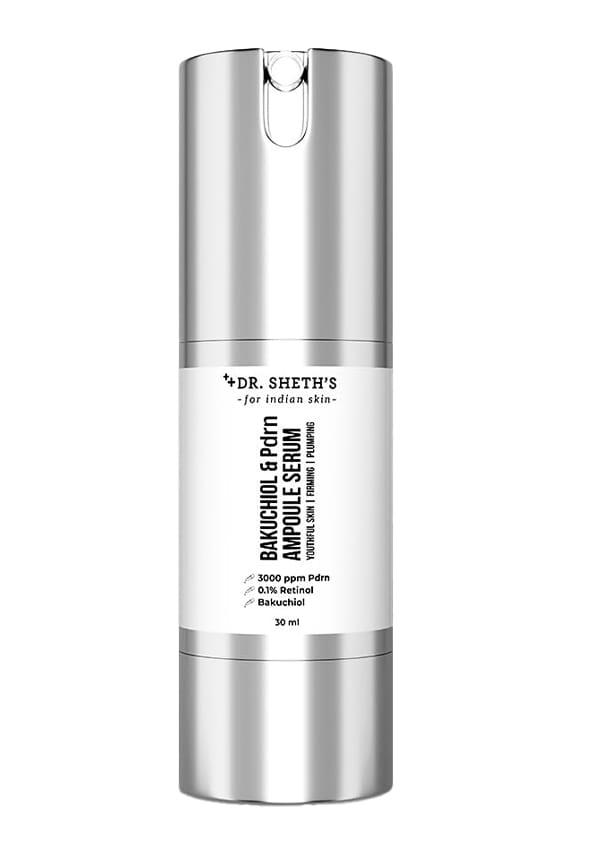
Bakuchiol & Pdrn Serum
The skincare world loves a good debate, and the retinol vs bakuchiol comparison is definitely having its moment. On one side, you've got retinol—the tried-and-tested vitamin A derivative that dermatologists have been raving about for decades. On the other, there's bakuchiol, the gentle plant-based newcomer that promises similar results without the drama. Both claim to tackle fine lines, boost collagen, and give you that glow-up you're after, but which one deserves a spot in your routine? Let's break down everything you need to know about these anti-aging skincare superstars so you can make the choice that's right for your skin.
Before we dive into the nitty-gritty of this skincare ingredients comparison, let's get clear on what we're actually dealing with. These two ingredients might promise similar results, but they work in completely different ways.
Retinol is basically the overachiever of the skincare world. It's a form of vitamin A that works by speeding up cell turnover and boosting collagen production. When you apply a retinol cream, it converts to retinoic acid in your skin, which then gets to work on smoothing fine lines, evening out texture, and fading dark spots. The science behind retinol is solid—we're talking 40+ years of research backing its effectiveness. It's FDA-approved for anti-aging and acne treatment, which is why dermatologists consider it the gold standard.
Enter bakuchiol, the natural retinol alternative that's been making waves lately. This plant-based ingredient comes from the seeds and leaves of the Psoralea corylifolia plant, and it's been used in traditional Chinese medicine for ages. Unlike retinol, bakuchiol doesn't convert to retinoic acid. Instead, it works by stimulating collagen production through different pathways, giving you similar benefits without the typical retinol side effects. It's become the go-to choice for anyone wanting retinol-like results with a gentler approach.
Now for the big question—which one actually works better? The answer isn't as straightforward as you might think, and it really depends on what you're looking for.
Retinol has decades of research proving its effectiveness, with countless studies showing significant improvements in fine lines, wrinkles, and skin texture. Most people start seeing results within 4-12 weeks of consistent use. Bakuchiol, being newer to the scene, has less research, but the studies that do exist are pretty promising. A notable 2019 study published in the British Journal of Dermatology found that bakuchiol performed similarly to retinol in reducing wrinkles and improving skin elasticity over 12 weeks. The catch? Bakuchiol tends to work more gradually, so you might need to be a bit more patient.
Both ingredients boost collagen production, but they take different routes to get there. Retinol works by increasing cell turnover, essentially forcing your skin to shed old, damaged cells faster and replace them with fresh ones. This process can be pretty intense, which is why some people experience peeling or irritation initially. Bakuchiol takes a gentler approach, stimulating collagen synthesis without the aggressive cell turnover. This means less irritation but potentially slower visible results.
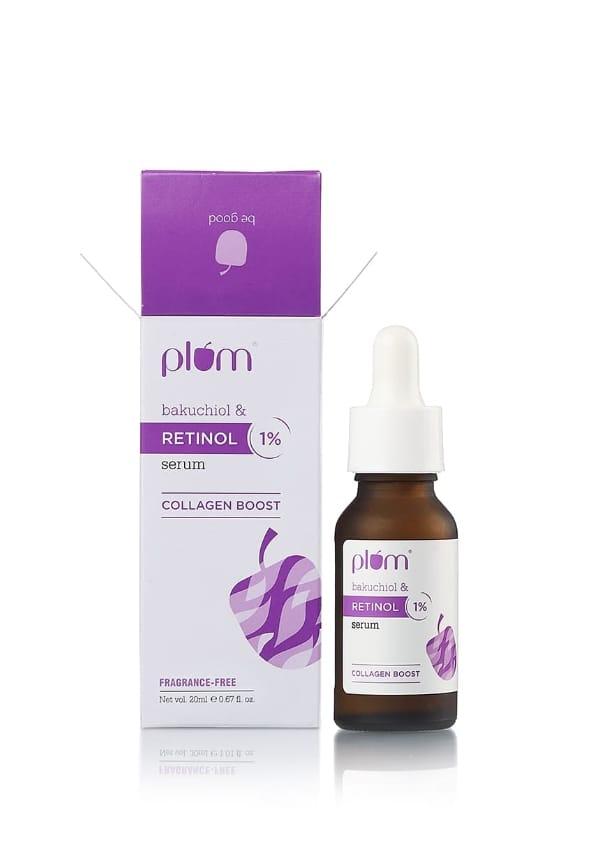
1% Retinol Face Serum with Bakuchiol
Here's where the retinol vs bakuchiol comparison gets really interesting, especially if you've got sensitive skin. The side effect profiles of these two ingredients are worlds apart.
Let's be real—retinol can be a bit of a diva when you first start using it. The most common retinol side effects include redness, peeling, dryness, and increased sensitivity to sunlight. This is often called retinoid dermatitis, and it's basically your skin's way of adjusting to the increased cell turnover. Many dermatologists recommend the 1/2/3 rule: use retinol once a week for the first month, twice a week for the second month, then three times a week after that. You'll also need to be religious about SPF during the day since retinol makes your skin more photosensitive.
This is where bakuchiol really shines. The bakuchiol benefits include being incredibly gentle on the skin, with minimal to no irritation reported in most studies. It doesn't cause photosensitivity, so you can use it morning or night without worrying about sun damage. Plus, it's considered safe during pregnancy and breastfeeding, unlike retinol which is typically avoided during these times. For anyone with sensitive or reactive skin, bakuchiol vs retinol for sensitive skin is really no contest—bakuchiol wins hands down.
If you're dealing with breakouts along with aging concerns, you might be wondering about retinol vs bakuchiol for acne. Both can help, but in different ways.
Retinol is a powerhouse when it comes to acne treatment. It works by unclogging pores, regulating oil production, and helping to fade post-inflammatory hyperpigmentation—those dark spots that linger after breakouts. The increased cell turnover also helps prevent dead skin cells from clogging pores in the first place. If you're dealing with stubborn acne and can tolerate the potential irritation, retinol might be your best bet.
Bakuchiol has anti-inflammatory and antimicrobial properties that can help with acne, but it's not as potent as retinol in this department. It's more of a supportive player rather than the star of the show. However, if you have acne-prone sensitive skin that can't handle retinol, bakuchiol can still provide some benefits without the irritation.
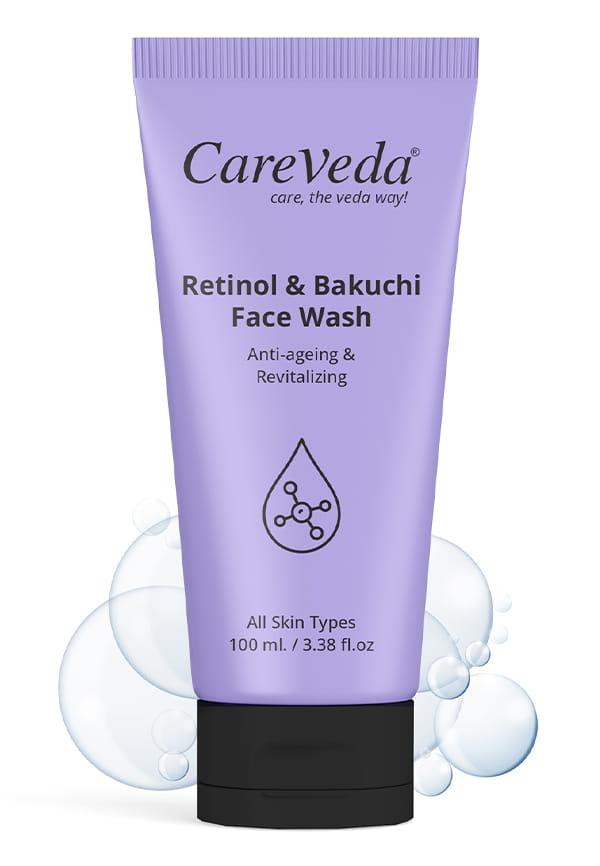
Retinol & Bakuchi Face Wash For Anti Ageing & Revitalizing
Choosing between these two really comes down to your skin type, tolerance level, and what you're hoping to achieve. Here's how to figure out which one might be your perfect match.
Retinol might be your go-to if you have normal to oily skin that can handle active ingredients without freaking out. It's also great if you're looking for faster, more dramatic results and don't mind dealing with a potential adjustment period. If you're not pregnant or breastfeeding and you're willing to be super diligent about SPF, retinol could be worth the effort. It's particularly effective for stubborn acne, deep wrinkles, and significant sun damage.
Bakuchiol is perfect if you have sensitive or reactive skin that tends to get irritated easily. It's also the obvious choice if you're pregnant, breastfeeding, or just prefer natural skincare ingredients. If you're new to anti-aging skincare and want to dip your toes in without the potential drama, bakuchiol is a great starting point. It's also ideal if you want the flexibility to use your anti-aging ingredient both morning and night.
Once you've decided which ingredient to try, you'll want to know how to use it properly. The application methods for these two are quite different.
Retinol is strictly an evening-only ingredient due to its photosensitising properties. Start with a pea-sized amount applied to clean, dry skin, and always follow up with a moisturiser. Begin with once or twice a week and gradually increase frequency as your skin adjusts. Never skip SPF during the day—this isn't negotiable when using retinol. Avoid mixing it with other active ingredients like vitamin C or AHAs initially, as this can increase irritation.
A bakuchiol serum is much more flexible than retinol. You can use it morning, evening, or both, depending on your preference. It plays well with other ingredients, including vitamin C, niacinamide, and hyaluronic acid. Apply it to clean skin before your moisturiser, and you don't need to worry about gradually introducing it—most people can start using it daily from the get-go.
Whether you choose retinol or bakuchiol, Smytten makes it easy to try different formulations without committing to full-size products. With curated trial packs from trusted skincare brands, you can explore various retinol creams and bakuchiol serums to find what works best for your skin. This approach lets you test different concentrations and formulations before investing in full-size products, making your skincare journey both affordable and risk-free.
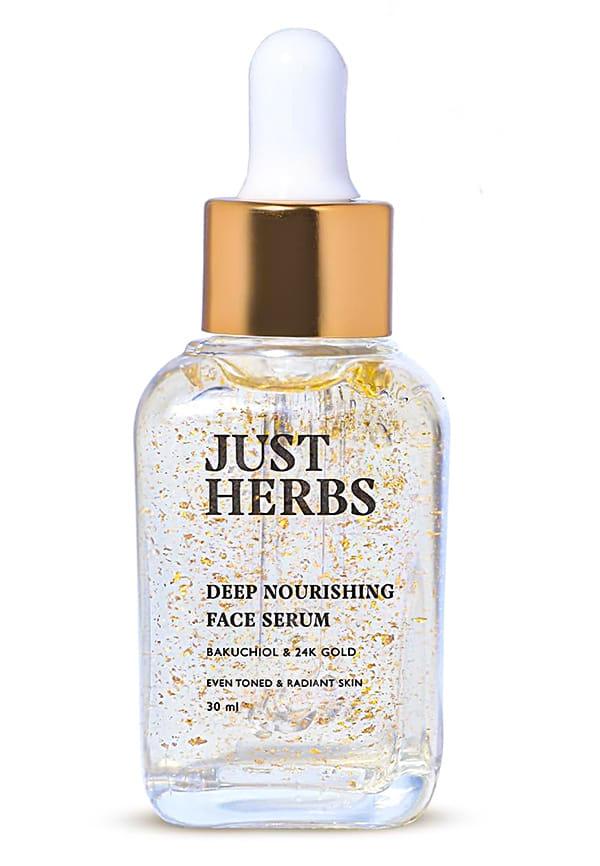
24K Gold And Bakuchiol Anti Ageing Instant Hydrating Face Serum
It depends on your skin type and goals. Retinol offers faster, more dramatic results but can cause irritation, especially for sensitive skin. Bakuchiol provides gentler, gradual improvements with minimal side effects. If you can tolerate retinol and want quicker results, go for retinol. If you have sensitive skin or prefer natural ingredients, bakuchiol is your best bet.
Yes, you can use them together, but it's not necessary. Some people use bakuchiol in the morning and retinol at night, or alternate between them on different days. However, since they work towards similar goals, using one consistently might be more effective than switching between both.
Retinol typically shows results within 4-12 weeks of consistent use, with some people noticing improvements as early as 2-3 weeks. Bakuchiol works more gradually, with most studies showing significant results after 12 weeks of regular use. Patience is key with both ingredients.
Yes, bakuchiol is considered safe during pregnancy and breastfeeding, unlike retinol which should be avoided during these times. This makes bakuchiol an excellent alternative for expecting or nursing mothers who still want to maintain their anti-aging routine.
Most dermatologists still favour retinol for its extensive research backing and proven results. However, many are increasingly recommending bakuchiol for patients with sensitive skin or those who can't use retinol due to pregnancy or other contraindications. The key is finding what works for your individual skin needs.
The retinol vs bakuchiol comparison isn't about finding a clear winner—it's about finding what works for your unique skin. Retinol remains the gold standard for proven anti-aging results, especially if you can handle the potential side effects and are looking for faster improvements. Bakuchiol offers a gentler path to similar benefits, making it perfect for sensitive skin types or anyone wanting a more natural approach to skincare.
The beauty of modern skincare is that you don't have to guess what might work for you. Platforms like Smytten allow you to try different formulations and brands through curated trial packs, helping you discover whether a retinol cream or bakuchiol serum suits your skin better. With over 25 million users trusting Smytten's approach to product discovery, you can explore these ingredients risk-free before committing to full-size purchases. After all, why settle for maybe when you can try it all and find your perfect anti-aging match?
