Retinol Myths vs Dermatology Facts: What You Need to Know

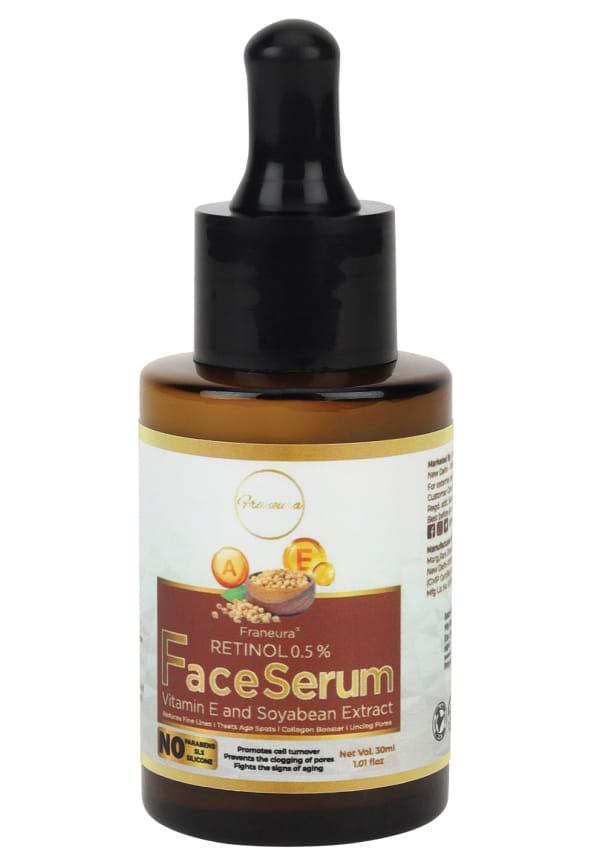
Retinol Anti-Aging Face Serum to Reduce Fine Lines & Wrinkles
You've probably heard someone say retinol will thin your skin, or that you shouldn't start using it until your thirties. Maybe you've been told it's too harsh for sensitive skin, or that all retinoids work the same way. Real talk: most of what circulates about retinol online is either outdated or completely wrong. As someone who's spent years researching skincare ingredients, I've watched these retinol myths create unnecessary fear around one of dermatology's most proven anti-ageing ingredients. Let's separate the science-backed dermatology facts about retinol from the fiction that's been holding your skin back.
Retinol is a derivative of vitamin A that works at the cellular level to accelerate skin renewal and boost collagen production. When you apply retinol to your skin, enzymes convert it into retinoic acid, the active form that communicates with your skin cells to speed up turnover and stimulate new collagen formation.
Here's where it gets interesting: retinol doesn't just sit on your skin's surface. It penetrates deep into the dermis, where it influences gene expression to encourage healthier, more youthful skin behaviour. This process takes time, which is why dermatologists emphasise patience when starting a retinol routine.
Not all vitamin A derivatives are created equal. Retinyl palmitate is the gentlest but requires multiple conversions to become active. Retinol needs two conversions, whilst retinal (retinaldehyde) needs just one. At the top sits prescription tretinoin, which is already in its active retinoic acid form.
The FDA has approved retinoids for both acne treatment and anti-ageing, making them one of the most thoroughly researched skincare ingredients available. Dermatologists worldwide consider retinoids the gold standard for addressing everything from fine lines to post-inflammatory hyperpigmentation.
These widespread misconceptions about retinol have prevented countless people from experiencing its proven benefits. Let's examine the most persistent retinol myths and what dermatology research actually tells us.
The fact: This is perhaps the most damaging retinol myth circulating online. Multiple clinical studies have proven that retinol actually thickens the epidermis by increasing cell turnover and boosting collagen production in the dermis. A 2007 study published in the Archives of Dermatology found that after 24 weeks of retinol use, skin thickness increased significantly.
The confusion stems from the initial adjustment period, when some people experience peeling or sensitivity. This temporary reaction is your skin adapting to increased cell turnover, not permanent thinning. Once your skin adjusts, you'll notice improved texture, reduced fine lines, and a more resilient skin barrier.
The fact: Dermatologists actually recommend starting retinol in your twenties for prevention. Dr. Shereene Idriss, a board-certified dermatologist, advocates for beginning retinol use as early as 22 for acne-prone skin and 25 for anti-ageing prevention.
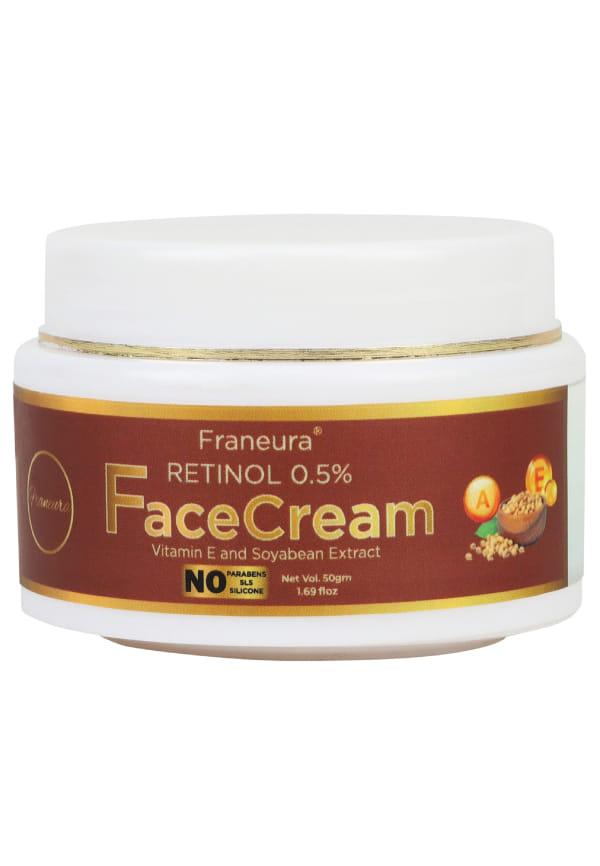
Natural Retinol Night Cream - Anti-Aging & Brightening
Starting early with a low concentration (0.25% to 0.5%) allows your skin to build tolerance gradually whilst preventing the formation of fine lines and acne scarring. The key is choosing age-appropriate formulations and concentrations rather than avoiding retinol altogether.
This retinoid myth leads to frustration when people expect prescription-strength results from over-the-counter products. The strength hierarchy matters: retinyl palmitate requires the most conversions to become active, making it gentlest but slowest. Retinol offers a middle ground, whilst prescription tretinoin delivers the most dramatic results.
Understanding these differences helps you choose the right product for your skin's needs and tolerance level. Many people find success starting with over-the-counter retinol before potentially graduating to prescription options under dermatological guidance.
The retinol benefits backed by decades of research extend far beyond basic anti-ageing. Clinical studies consistently demonstrate retinol's effectiveness across multiple skin concerns, making it one of the most versatile ingredients in dermatology.
For anti-ageing, retinol stimulates collagen production whilst accelerating cell turnover to reveal fresher skin underneath. A 12-week study showed significant improvement in fine lines, with 87% of participants reporting smoother skin texture. The ingredient works by increasing the production of new collagen whilst breaking down old, damaged collagen fibres.
Acne treatment represents another major benefit. Retinol prevents dead skin cells from clogging pores whilst reducing inflammation. It's particularly effective for comedonal acne (blackheads and whiteheads) and helps prevent post-inflammatory hyperpigmentation that often follows breakouts.
For hyperpigmentation, retinol accelerates the turnover of pigmented cells whilst inhibiting melanin production. Studies show visible improvement in melasma and sun spots after 8-12 weeks of consistent use, though results vary based on pigmentation depth and skin type.
The dreaded "retinol uglies" - that initial period of dryness, peeling, and potential breakouts - are actually a normal part of skin adaptation. Understanding what's typical versus concerning helps you navigate this adjustment period without panic.
Normal retinol side effects include mild dryness, slight peeling, and temporary redness, particularly during the first 4-6 weeks. Some people experience initial purging, where existing clogged pores come to the surface faster than usual. This typically resolves within 6-8 weeks as your skin adjusts.
Concerning signs include severe burning, persistent redness lasting more than a few hours after application, or widespread irritation that doesn't improve with reduced frequency. These symptoms suggest you may need a lower concentration or different formulation.
The key to minimising side effects lies in gradual introduction and proper skin barrier support. Start with once or twice weekly application, gradually increasing frequency as your skin builds tolerance. Always follow with a gentle moisturiser to support your skin barrier during the adjustment period.
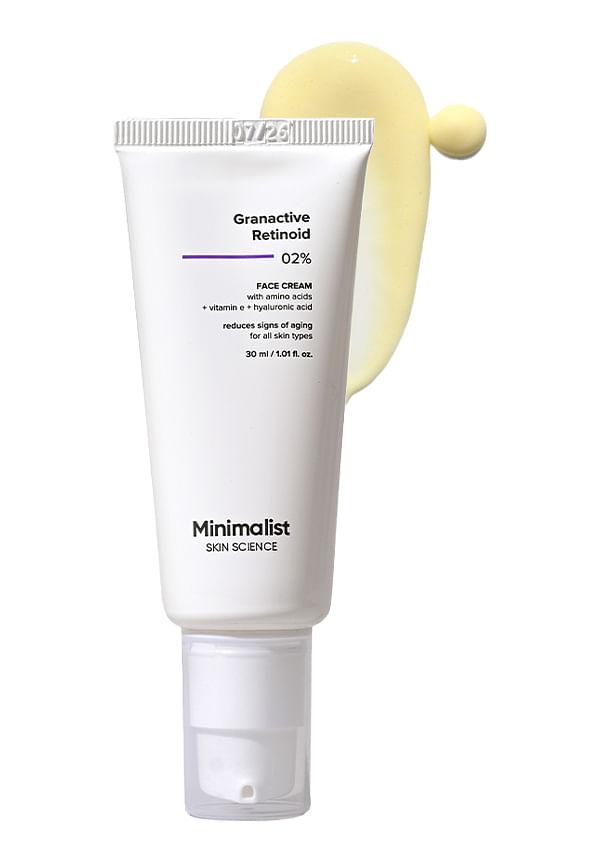
2% Retinoid Anti Ageing Night Cream For Wrinkles & Fine Lines
Successful retinol skincare requires a strategic approach that respects your skin's adaptation timeline whilst maximising benefits. The most common mistake is rushing the process, leading to unnecessary irritation and potential abandonment of this powerful ingredient.
Week 1-2: Apply retinol once weekly, preferably on clean, completely dry skin. Wait 20-30 minutes after cleansing to ensure your skin is fully dry, as damp skin increases penetration and potential irritation.
Week 3-4: Increase to twice weekly if your skin shows no signs of excessive irritation. Monitor for dryness, peeling, or redness that persists beyond a few hours after application.
Week 5-8: Gradually work up to every other night, then potentially nightly use based on your skin's response. Some people find their sweet spot at 3-4 times weekly rather than daily use.
Proper layering maximises retinol benefits whilst minimising irritation. Apply retinol to clean, dry skin, then wait 10-15 minutes before following with moisturiser. This technique, called "buffering," can reduce irritation for sensitive skin types.
Contrary to popular belief, you can use retinol in the morning, though evening application is generally preferred due to increased photosensitivity. If you choose morning use, sunscreen becomes absolutely non-negotiable, as retinol can increase UV sensitivity for up to a week after application.
Several ingredients claim to offer retinol benefits without the adjustment period, but the science behind these alternatives varies significantly. Understanding their mechanisms helps you make informed decisions about your skincare routine.
Retinal (retinaldehyde) requires only one enzymatic conversion to become active retinoic acid, compared to retinol's two conversions. Some studies suggest it works up to 11 times faster than retinol, though this claim requires more research for definitive validation. Retinal tends to be less irritating whilst offering similar benefits.
Bakuchiol, derived from the Psoralea corylifolia plant, has shown promise in clinical studies for improving skin elasticity and reducing hyperpigmentation. However, it works through different mechanisms than retinoids and may not offer identical benefits, particularly for acne treatment.
Peptides stimulate collagen production through different pathways than retinoids, making them excellent complementary ingredients rather than direct replacements. They're particularly beneficial for sensitive skin types who struggle with retinoid tolerance.
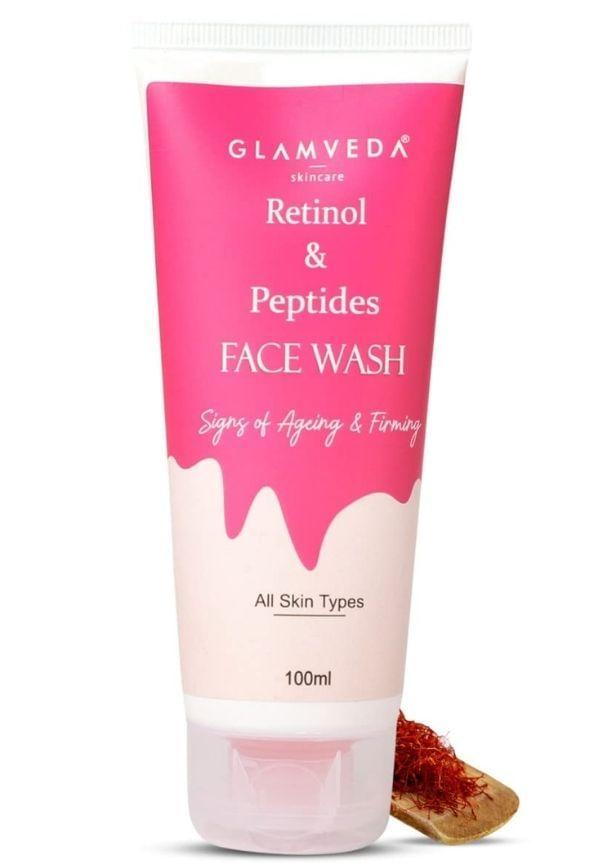
Retinol & Saffron Anti Ageing Face Wash
No, this is one of the most persistent retinol myths. Clinical studies consistently show that retinol thickens the epidermis by increasing cell turnover and collagen production. The delicate eye area may be more sensitive to retinol, so many dermatologists recommend starting with a lower concentration or using retinol specifically formulated for the eye area.
It depends on your skin concerns and tolerance. Over-the-counter retinol (typically 0.25% to 1%) is effective for prevention and mild concerns, whilst prescription retinoids offer higher concentrations for more dramatic results. Many people achieve excellent results with OTC options, making dermatologist visits unnecessary unless you have specific concerns or need stronger formulations.
Retinal (retinaldehyde) is often cited as working 11 times faster than retinol due to requiring fewer enzymatic conversions to become active. However, this claim comes from limited studies, and individual results vary significantly. Retinal may offer faster results with less irritation, but more research is needed to confirm the "11 times faster" claim definitively.
Yes, with proper introduction and formulation selection. Sensitive skin types should start with the lowest concentration available (0.25%) and increase frequency very gradually. Look for retinol products with soothing ingredients like niacinamide or ceramides, and consider buffering with moisturiser to reduce irritation.
This is another common retinol myth. You can use retinol year-round, but UV protection becomes even more critical during summer months. Retinol can increase photosensitivity, making diligent sunscreen application essential. Many dermatologists recommend continuing retinol use throughout the year rather than stopping and restarting seasonally.
The gap between retinol myths and dermatology facts has prevented too many people from experiencing the proven benefits of this remarkable ingredient. Understanding the science behind retinol empowers you to make informed decisions about your skincare routine rather than being swayed by fear-based misinformation.
Your skin will notice the difference when you approach retinol with knowledge rather than apprehension. Start slowly, be patient with the process, and remember that the initial adjustment period leads to long-term benefits that extend far beyond surface-level improvements.
If you're curious about trying retinol but hesitant to commit to a full-size product, exploring minis from trusted brands can help you find the right formulation for your skin. Smytten's curated selection includes retinol products from dermatologist-recommended brands, letting you test different concentrations and formulations before making a larger investment. With over 28 million users discovering their perfect skincare matches, it's a smart way to separate the retinol myths from the facts that work for your unique skin.
