Retinol for Beginners: Your Complete FAQ

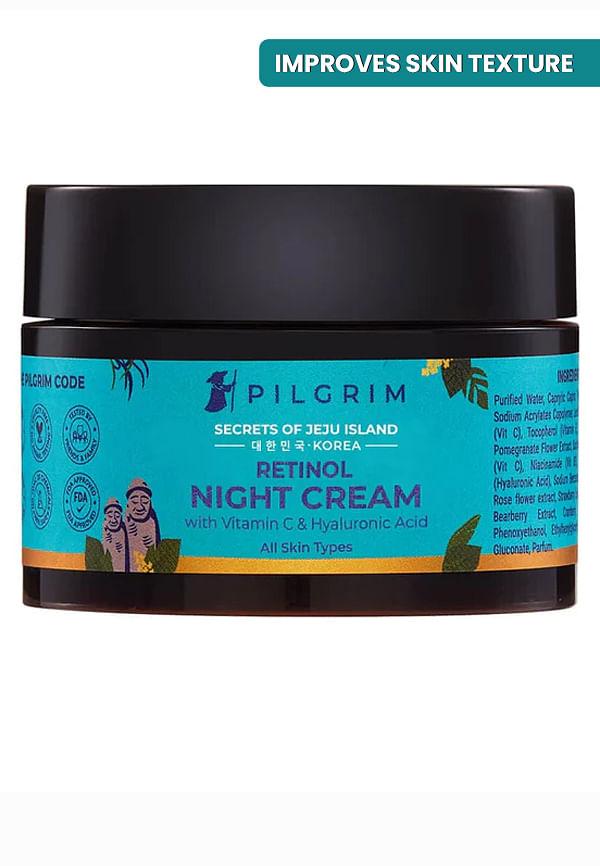
Retinol Anti-Ageing Night Repair Cream With Vitamin C & Hyaluronic Acid
Amazing Product, Worth It
 5
5“Amazing product worth it hai le sakte h ”
Nice Cream, Will Suggest
5“thank uou nice cream .i will suggest to my friends”
Nice Cream, Will Suggest
5“thank uou nice cream .i will suggest to my friends”
Real talk, starting retinol can feel overwhelming when you're scrolling through endless product reviews and conflicting advice. One friend swears by jumping straight into daily use, while another warns about the dreaded "retinol uglies." The truth is, retinol is one of the most researched and effective anti-ageing ingredients available, but it requires patience and the right approach. Whether you're dealing with early signs of ageing, uneven skin texture, or simply want to future-proof your skin, understanding how to introduce retinol slowly can make all the difference between glowing results and unnecessary irritation. With platforms like Smytten offering trial-sized retinol products, you can test different formulations before committing to full-size purchases, making your retinol journey both affordable and less risky.
TL;DR
Start with 0.25-0.5% retinol concentration and apply once weekly for the first two weeks
Follow the 1/2/3 rule: gradually increase frequency over 6 weeks to build skin tolerance
Always apply retinol at night, use SPF 30+ daily, and buffer with moisturiser if you have sensitive skin
Expect an adjustment period of 4-8 weeks with possible dryness, flaking, or mild irritation
Choose fragrance-free, alcohol-free formulations and avoid mixing with other active ingredients initially
Retinol belongs to the retinoid family, a group of vitamin A derivatives that work at the cellular level to accelerate skin renewal. Unlike prescription retinoids such as tretinoin, over-the-counter retinol is gentler but still highly effective for addressing fine lines, uneven texture, and dullness. The key difference lies in how your skin processes these ingredients—retinol needs to be converted into retinoic acid before it can work its magic, which is why it's more tolerable for beginners.
The "low and slow" approach isn't just skincare wisdom—it's essential for preventing damage to your skin barrier. When you rush into daily retinol use, you risk overwhelming your skin's natural repair mechanisms, leading to persistent redness, peeling, and increased sensitivity that can take weeks to resolve. Most people see visible improvements in skin texture and radiance within 8-12 weeks of consistent, gradual use, making patience your best ally in this journey. This is a key part of starting retinol skincare.
Proper application technique can make or break your retinol experience. Start with thoroughly cleansed skin—any residual makeup, sunscreen, or daily grime can interfere with retinol absorption and potentially cause irritation. Wait 10-15 minutes after cleansing to ensure your skin is completely dry, as damp skin can increase retinol penetration and lead to unwanted sensitivity. This is a crucial step for gentle retinol use.
The golden rule is the pea-sized amount for your entire face. Squeeze a small amount onto your fingertip and dot it across your forehead, cheeks, nose, and chin before gently patting it in. Avoid the delicate eye area unless you're using a specific eye retinol product. If you have sensitive skin, try the "retinol sandwich" method: apply a thin layer of moisturiser, then retinol, then another layer of moisturiser to buffer the active ingredient.
This systematic approach helps your skin build tolerance without overwhelming its natural processes. During weeks 1-2, apply retinol just once per week, preferably on the same day to establish a routine. In weeks 3-4, increase to twice weekly with at least two days between applications. By weeks 5-6, you can progress to three times per week if your skin is tolerating the treatment well. This gradual retinol introduction is key.
Pay attention to your skin's signals throughout this process. If you experience persistent redness, excessive dryness, or stinging sensations, slow down the progression. Some people may need to stay at twice-weekly application for several months before advancing, and that's perfectly normal.
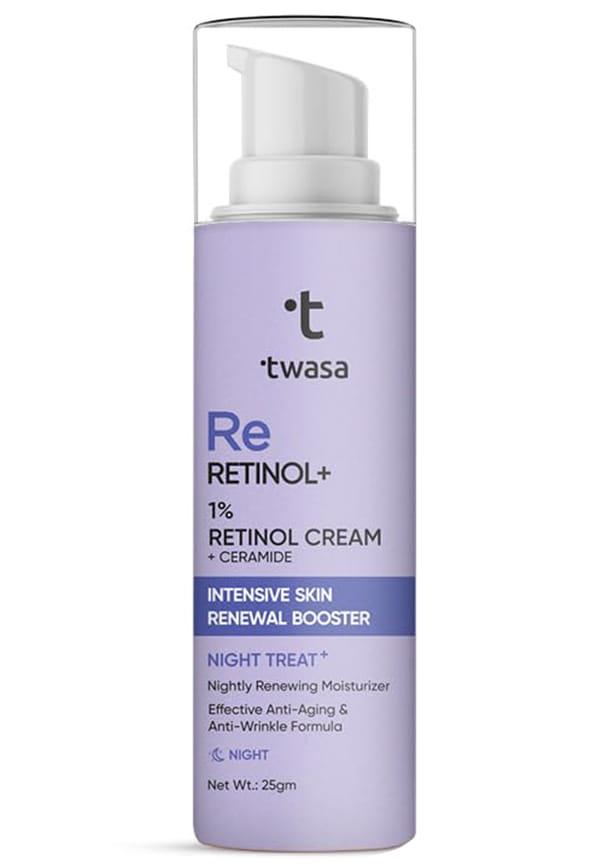
1% Retinol Anti-ageing Night Cream with Ceramide
Starting concentrations between 0.25% and 0.5% offer the perfect balance of effectiveness and tolerability for most beginners. These percentages are potent enough to deliver results while minimising the risk of severe irritation. Avoid the temptation to start with higher concentrations—your skin will thank you for the gentle introduction.
Product formulation matters just as much as concentration. Cream-based retinols tend to be more moisturising and suitable for dry or sensitive skin, while serums offer lighter textures that work well for combination or oily skin types. Look for products that combine retinol with nourishing ingredients like ceramides, hyaluronic acid, or niacinamide to support your skin barrier during the adjustment period. This is part of starting retinol skincare.
Product | Skin Type | Key Concern | Price Range | Key Ingredients | Available on Smytten |
|---|---|---|---|---|---|
Dot & Key Night Reset Retinol + Ceramide Cream | Mature, Dull | Anti-ageing, Wrinkles | Premium | Retinol, Ceramides | Yes |
Minimalist Retinol 0.3% Face Serum | All Skin Types | Fine Lines, Texture | Mid-range | Retinol, Hyaluronic Acid | Yes |
Neutrogena Rapid Wrinkle Repair | Normal to Dry | Wrinkles, Dark Spots | Mid-range | Retinol SA, Hyaluronic Acid | Yes |
The Ordinary Retinol 0.2% in Squalane | Sensitive, Dry | Gentle Anti-ageing | Budget-friendly | Retinol, Squalane | Yes |
Olay Regenerist Micro-Sculpting Cream | Mature | Firmness, Hydration | Mid-range | Retinyl Propionate, Peptides | Yes |
Sensitive skin doesn't have to miss out on retinol's benefits, but it does require extra caution and preparation. Always perform a patch test 48 hours before your first application—apply a small amount to your inner forearm and monitor for any adverse reactions. This simple step can save you from a full-face reaction that takes days to calm down.
Consider starting with retinyl palmitate, a gentler derivative that converts more slowly to active retinoic acid. While it may take longer to see results, it's significantly less likely to cause irritation. Alternatively, look for encapsulated retinol formulations that release the active ingredient gradually throughout the night, providing sustained benefits with reduced irritation potential. This is a great option for gentle retinol use.
The adjustment period, often called the "retinol uglies," is a normal part of introducing this powerful ingredient to your routine. Common symptoms include dryness, flaking, mild redness, and temporary breakouts as your skin accelerates its renewal process. These effects typically peak around weeks 2-4 and gradually subside as your skin builds tolerance. This is part of the retinol introduction process.
However, severe burning, persistent redness lasting more than a few days, or widespread irritation indicates you should pause retinol use immediately. Allow your skin to recover completely before attempting to reintroduce the product at a lower frequency or concentration. Remember, some initial adjustment is normal, but your skin should never feel constantly uncomfortable or inflamed.
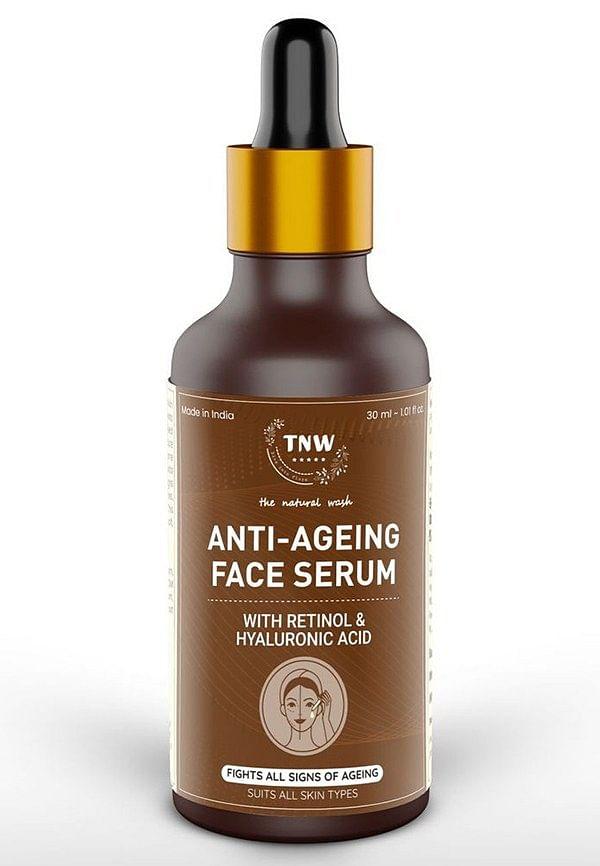
Retinol Serum for Face with Hyaluronic acid for Spotless Glowing Skin Help Reducing Wrinkles & Fines Lines| Made in India Antiaging Serum (No Chemica
Nice Product and Package
5“nice product and package will be nice”
Nice Product and Package
5“nice product and package will be nice”
Nice Product and Package
5“nice product and package will be nice”
Pair your retinol routine with calming ingredients that support skin barrier repair. Niacinamide helps reduce redness and regulates oil production, while ceramides and hyaluronic acid provide essential hydration. Avoid using vitamin C, AHAs, or BHAs on the same nights as retinol during your initial adjustment period.
Your morning routine becomes crucial when using retinol, as the ingredient can increase photosensitivity. Start with a gentle cleanser that won't strip your skin, followed by a hydrating serum containing ingredients like hyaluronic acid or glycerin. Always finish with a broad-spectrum SPF 30 or higher—this isn't optional when using retinol, as your skin becomes more vulnerable to UV damage. This is essential for starting retinol skincare.
Evening routines should focus on gentle cleansing and deep hydration. Double cleansing ensures all traces of sunscreen and daily pollutants are removed without over-scrubbing. Apply retinol to completely dry skin, wait 10-15 minutes, then follow with a nourishing moisturiser. On non-retinol nights, you can incorporate other beneficial ingredients like vitamin C or gentle exfoliants, but never mix these with retinol initially.
Using retinol every day as a beginner can overwhelm your skin, leading to increased dryness, redness, peeling, and irritation, commonly known as the "retinol uglies." It's highly recommended to start slowly, gradually increasing frequency as your skin builds tolerance. This approach, often referred to as the 1/2/3 rule, helps prevent these side effects and ensures a smoother retinol introduction.
Not at all—many dermatologists recommend starting retinol in your mid-twenties as a preventative measure. At this age, you're building good habits and preventing future damage rather than trying to reverse existing signs of ageing. Start with the lowest concentration and focus on establishing a consistent routine with proper sun protection. This is a dermatologist recommended retinol for beginners approach.
Begin with a patch test, choose a 0.25% concentration, and apply once weekly for two weeks. Always use at night, follow with moisturiser, and wear SPF 30+ daily. Expect an adjustment period and be patient—results typically become visible after 8-12 weeks of consistent use. This is how to use retinol at night effectively.
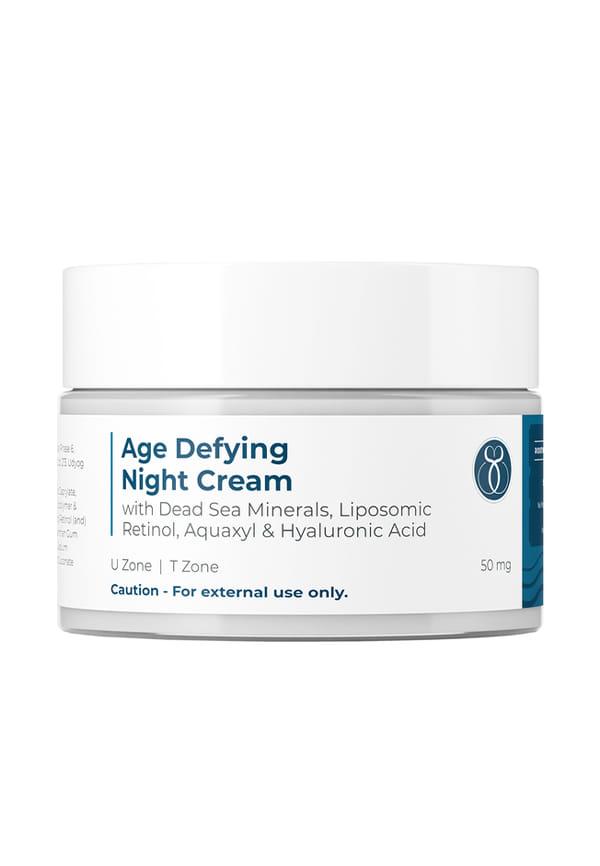
Anti-Ageing Night Cream with Dead Sea Minerals, Liposomal Retinol, Aquaxyl & Hyaluronic Acid
Initially, avoid mixing retinol with vitamin C, AHAs, or BHAs on the same night. Once your skin has adjusted (usually after 6-8 weeks), you can carefully introduce other actives on alternate nights. Always prioritise gentle, hydrating ingredients like niacinamide and hyaluronic acid during your retinol journey.
Stop using retinol immediately and focus on barrier repair with gentle, fragrance-free moisturisers and healing ingredients like ceramides or centella asiatica. Avoid all active ingredients until your skin returns to normal, which may take 1-2 weeks. When ready to retry, consider a lower concentration or less frequent application.
Most people notice smoother skin texture within 4-6 weeks, with more significant improvements in fine lines and overall skin quality becoming apparent after 12 weeks of consistent use. Remember that retinol works gradually—dramatic overnight changes aren't realistic or safe with proper retinol use.
Most healthcare providers recommend avoiding retinol during pregnancy and breastfeeding due to potential risks to the developing baby. Consider gentler alternatives like bakuchiol or focus on other beneficial ingredients like vitamin C and hyaluronic acid during this time. Always consult your healthcare provider for personalised advice.
Starting retinol successfully requires patience, the right product selection, and a commitment to sun protection. The 1/2/3 rule provides a safe framework for building tolerance, while choosing appropriate concentrations (0.25-0.5%) minimises the risk of severe irritation. Remember that some adjustment period is normal, but your skin should never feel constantly uncomfortable. This is worth adding to your routine.
Focus on supporting your skin barrier with hydrating, gentle products and never skip SPF when using retinol. Results take time—typically 8-12 weeks—but the long-term benefits for skin texture, tone, and overall health make the gradual introduction worthwhile. Listen to your skin throughout the process and adjust your routine as needed. Found it. Loved it.
Embarking on your retinol journey doesn't have to feel overwhelming when you have access to trial-sized products that let you test different formulations risk-free. Smytten is India's largest product discovery and trial platform, connecting consumers with top lifestyle, beauty, wellness, and grooming brands including trusted names like Dot & Key, Minimalist, and other retinol specialists. With curated trial packs from over 2,400 brands, you can explore various retinol concentrations and formulations before committing to full-size purchases. Each mini is linked with Trial Points, and users can get up to 10 Trial Points for just ₹279, plus Smytten offers 100% cashback on trial purchases, making your retinol experimentation both affordable and rewarding. This try before you buy approach is particularly valuable with retinol, as finding the right concentration and formulation for your skin type can prevent costly mistakes and unnecessary irritation. With over 28 million users and 100% authentic, brand-verified minis delivered across 90% pincode coverage, Smytten helps you make smarter, more confident choices in your skincare journey—because why settle for 'maybe' when you can #TryItAll!
