Retinol for Acne Scars Improvement FAQ: Your Questions Answered

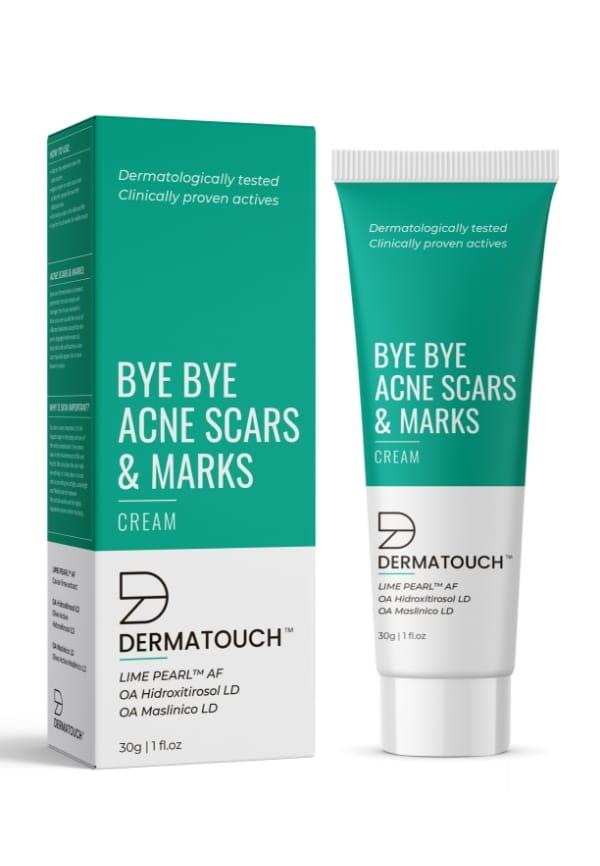
Bye Bye Acne Scars & Marks Cream
You've been staring at those stubborn marks on your cheeks for months now, wondering if they'll ever fade. Those reminders of past breakouts seem determined to overstay their welcome, and you're tired of covering them with concealer every morning. If you've heard whispers about retinol for acne scars improvement but aren't sure where to start, you're not alone. The world of retinoids can feel overwhelming, especially when you're dealing with sensitive, scarred skin that's already been through enough.
Real talk: retinol acne scars improvement isn't magic, but the science behind it is pretty impressive. When you apply retinol to your skin, it gets to work on a cellular level, speeding up the natural process your skin already knows how to do. Think of it as giving your skin's renewal system a gentle but effective nudge in the right direction.
Retinol works by accelerating cell turnover, which means your skin sheds old, damaged cells faster and replaces them with fresh, healthy ones. This process helps smooth out textural irregularities and gradually reduces the appearance of scars. At the same time, retinol stimulates collagen synthesis deep within your skin. Since many acne scars are essentially areas where collagen has been damaged or lost, this boost in collagen production can help fill in shallow depressions and improve overall skin texture.
Not all scars respond equally to retinol treatment. Post acne marks and hyperpigmentation tend to show the most dramatic improvement, often fading significantly within a few months of consistent use. Shallow atrophic scars and general textural irregularities also respond well to retinol therapy. However, it's important to manage expectations: deep, pitted scars may see some improvement, but they typically require professional treatments like chemical peels or laser therapy for significant results.
The research on retinol benefits for skin texture and scarring is quite encouraging. Clinical studies have shown that regular retinol use can lead to measurable improvements in skin texture and scar appearance, though the timeline varies depending on individual factors.
Studies have demonstrated that approximately 84% of users see noticeable skin texture improvement within four weeks of consistent retinol use. For scar reduction specifically, most people begin to notice visible changes around the 12-week mark. More significant improvements in scarring typically become apparent after six months of regular use. These results are particularly encouraging for those dealing with mild to moderate scarring.
The key word here is 'gradual.' Retinoid for scars treatment isn't an overnight transformation, but rather a steady improvement process. Light to moderate scars often show the most dramatic results, with many users reporting smoother skin texture and reduced visibility of marks. The smoothing process happens slowly, which means you might not notice day-to-day changes, but monthly progress photos often reveal significant improvements.
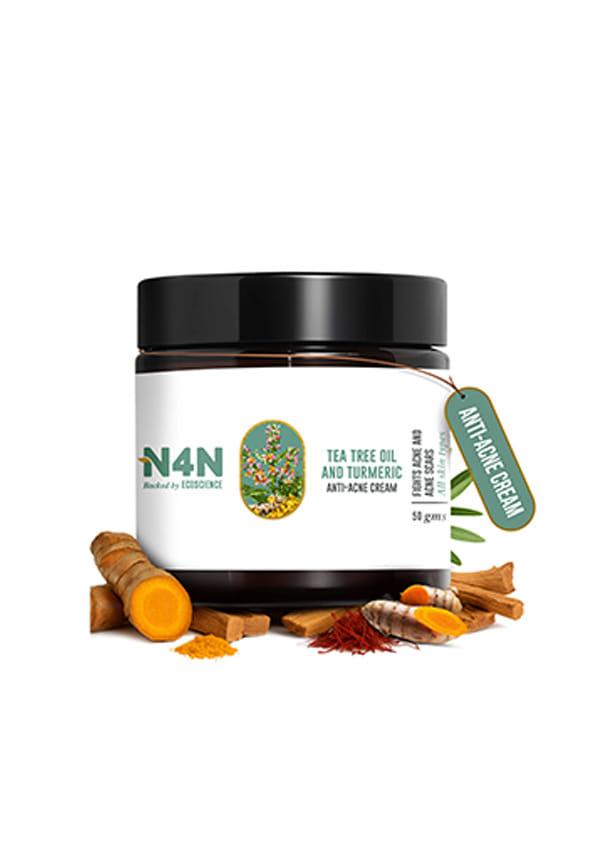
Anti Acne Cream | Tea Tree Oil And Turmeric | Fights Acne & Acne Scars
Patience is absolutely essential when using retinol for acne scars improvement. Your skin needs time to respond to the treatment and rebuild itself from within.
During weeks one to four, you'll likely notice initial texture improvements and a general smoothing of your skin's surface. This is when post acne marks often begin to lighten. Between weeks four and twelve, visible scar reduction typically begins, with shallow scars starting to fill in and overall skin texture continuing to improve. The three to six-month mark is when significant scarring changes become apparent, particularly for deeper marks that require more extensive cellular renewal.
Several factors affect how quickly you'll see results. Newer scars generally respond faster than older ones, whilst deeper scars naturally take longer to improve. The concentration and formulation of your retinol product also play a role, as does your skin type and sensitivity level. Most importantly, consistent application habits make all the difference in achieving optimal results.
Selecting the right retinol serum for acne scarred skin requires balancing effectiveness with tolerability. Starting too strong can lead to irritation that actually sets back your progress.
If you're new to retinol, begin with concentrations between 0.25% and 0.5%. These beginner-friendly percentages allow your skin to adjust whilst still providing benefits. Once your skin has adapted after several weeks, you might consider intermediate strength options ranging from 0.5% to 1%. Advanced formulations above 1% are typically reserved for those who've been using retinol consistently for months and have built up significant tolerance.
Serums generally offer better penetration due to their lighter molecular weight, making them particularly effective for acne scar treatment. However, if you have dry or sensitive skin, a retinol cream might be more suitable as it provides additional moisturising benefits. Consider your skin type and whether you'll be layering other treatments when making this choice.
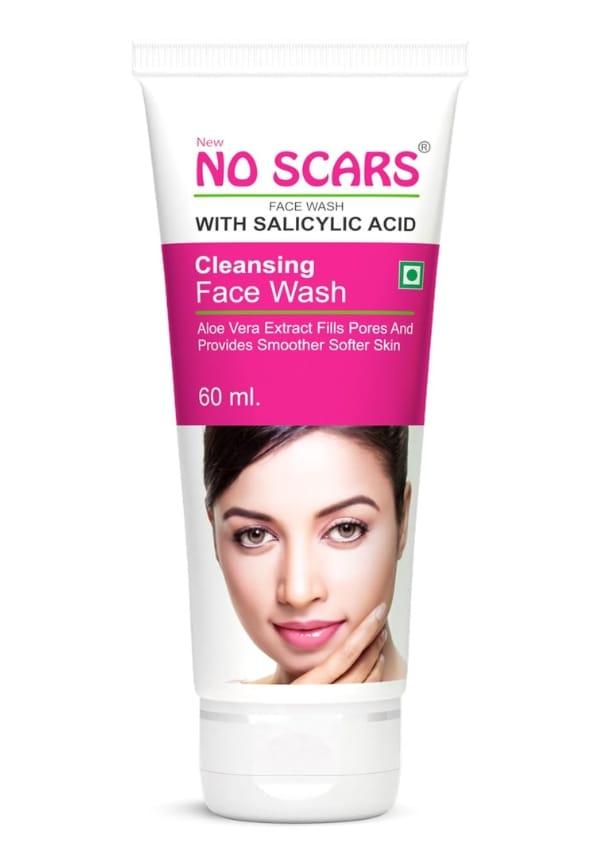
Aloevera Face Wash For Deep Cleansing | Clear Skin, Reduce Acne, Scars For Acne Prone Skin
Starting retinol correctly is crucial for avoiding unnecessary irritation that could worsen your skin's condition. The key is introducing it gradually whilst monitoring your skin's response.
Begin with applications every third night during your first week, allowing your skin time to adjust between uses. During weeks two and three, progress to every other night if your skin is tolerating the treatment well. After week four, you can typically move to nightly use, provided you're not experiencing significant irritation or dryness.
Common reactions include dryness, peeling, and mild irritation, particularly during the first few weeks. You can minimise these effects by applying retinol to completely dry skin and following with a gentle moisturiser. If irritation occurs, reduce application frequency rather than stopping entirely. However, if you experience severe burning, persistent redness, or worsening of your skin condition, discontinue use and consult a dermatologist.
Whilst retinol is excellent for gradual skin resurfacing, it's worth understanding how it compares to other available treatments for acne scarring.
Retinal (retinaldehyde) is often called the faster-acting cousin of retinol. Because it requires fewer conversion steps to become active in your skin, retinal can deliver results approximately eleven times faster than traditional retinol. However, retinal products are typically more expensive and less widely available than standard retinol formulations.
For deeper scars, professional treatments like chemical peels, microneedling, or laser therapy may provide more dramatic results. These treatments can be combined with at-home retinol use for enhanced benefits. However, professional treatments require downtime and higher costs, making retinol an attractive option for those seeking gradual improvement with minimal disruption to their daily routine.
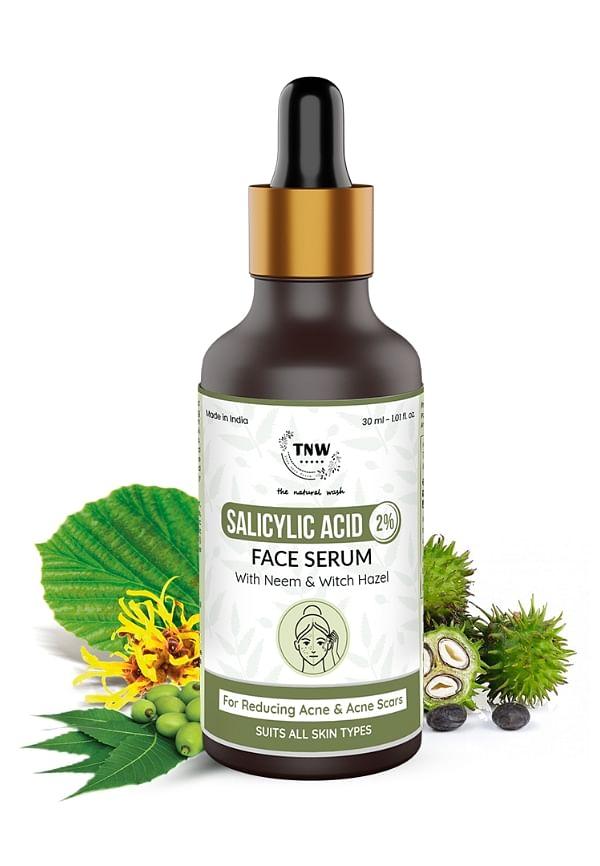
Salicylic Acid Serum For Reducing Acne & Acne Scars
Yes, but timing and combination matter. You can typically use retinol alongside niacinamide and hyaluronic acid without issues. However, avoid combining retinol with other active ingredients like AHAs, BHAs, or vitamin C in the same routine. Instead, alternate these treatments or use them at different times of day.
Initial breakouts are common when starting retinol, often called 'purging.' This typically occurs because retinol accelerates cell turnover, bringing underlying congestion to the surface faster. Unless the breakouts are severe or accompanied by significant irritation, continue with your routine. The purging phase usually resolves within 4-6 weeks.
Retinol can benefit most skin types, but those with very sensitive skin or conditions like rosacea should proceed with extra caution. Start with the lowest concentration possible and consider consulting a dermatologist before beginning treatment. Pregnant and breastfeeding women should avoid retinol entirely.
Retinol shouldn't make actual scars worse, but it can cause temporary irritation that makes your skin appear more inflamed. This usually subsides as your skin adjusts to the treatment. If scarring appears to worsen after several weeks of use, discontinue the product and seek professional advice.
Look for gradual improvements in skin texture and tone rather than dramatic overnight changes. Your skin should feel smoother, and scars should appear less pronounced over time. Taking monthly progress photos can help you track subtle improvements that might not be obvious day-to-day.
Prescription retinoids like tretinoin are typically stronger and more effective for severe scarring. However, they also carry a higher risk of side effects and require medical supervision. Over-the-counter retinol is gentler and more accessible, making it suitable for mild to moderate scarring and those new to retinoid therapy.
Using retinol for acne scars improvement requires patience, consistency, and realistic expectations. Whilst it won't erase deep scars overnight, it can significantly improve skin texture and reduce the appearance of mild to moderate scarring over time. The key is starting slowly, being consistent with application, and giving your skin the time it needs to respond to treatment. Remember that everyone's skin responds differently to retinol therapy. What works quickly for one person might take longer for another, and that's completely normal. Focus on the gradual improvements rather than expecting dramatic transformations, and don't hesitate to adjust your routine if your skin needs more time to adapt. If you're curious about trying different retinol formulations but hesitant to commit to full-size products, Smytten offers an excellent way to explore various brands and concentrations through their curated selection. With over 2,400 trusted brands available, you can discover what works best for your skin before making a larger investment.
