Retinol Beginners Guide India: No Irritation FAQ



0.1% Retinol Serum
Starting your retinol journey feels a bit like learning to drive, doesn't it? Everyone says it's brilliant once you get the hang of it, but those first few attempts can be properly nerve-wracking. If you've been eyeing that retinol serum but worry about the dreaded peeling and redness, you're not alone. The good news? With the right approach, you can enjoy all the retinol benefits for skin without looking like you've had a disagreement with sandpaper.
Let's start with the basics. Retinol is a form of vitamin A that works by speeding up cell turnover and boosting collagen production. Think of it as your skin's personal trainer – it pushes your cells to work harder and faster, revealing fresher, smoother skin underneath. But here's where it gets interesting for us in India.
The retinoid family is like a spectrum of strength. Prescription retinoids (like tretinoin) are the strongest, whilst over-the-counter retinol is gentler and perfect for beginners. Retinol serum india options typically contain 0.25% to 1% retinol, which is ideal for building tolerance without overwhelming your skin.
Our tropical climate throws a curveball into the retinol game. High humidity, pollution, and intense UV exposure mean Indian skin often deals with more stress than skin in temperate climates. This doesn't mean retinol is off-limits – it just means we need to be smarter about how we introduce it. The key is starting slowly and always, always using SPF during the day.
Retinol benefits for skin are genuinely impressive. It helps reduce fine lines, evens out skin tone, and can even help with stubborn acne by preventing pores from clogging. Many users notice their skin looking brighter and feeling smoother within 4-6 weeks of consistent use.
Here's where the magic happens. The secret to irritation-free retinol isn't about finding the 'perfect' product – it's about the how to use retinol approach. The 1-2-3 rule has saved countless beginners from the dreaded retinol burn.
Week 1: Use retinol once. Pick one night, apply it, then give your skin six days to recover. Week 2: Use it twice, with at least two days between applications. Week 3: Three times, still spacing out the applications. This gradual approach lets your skin build tolerance naturally.
If you have retinol for sensitive skin concerns, try the 'sandwich method'. Apply a thin layer of moisturiser first, then your retinol, then another layer of moisturiser. This buffers the retinol and reduces the chance of irritation whilst still delivering results.
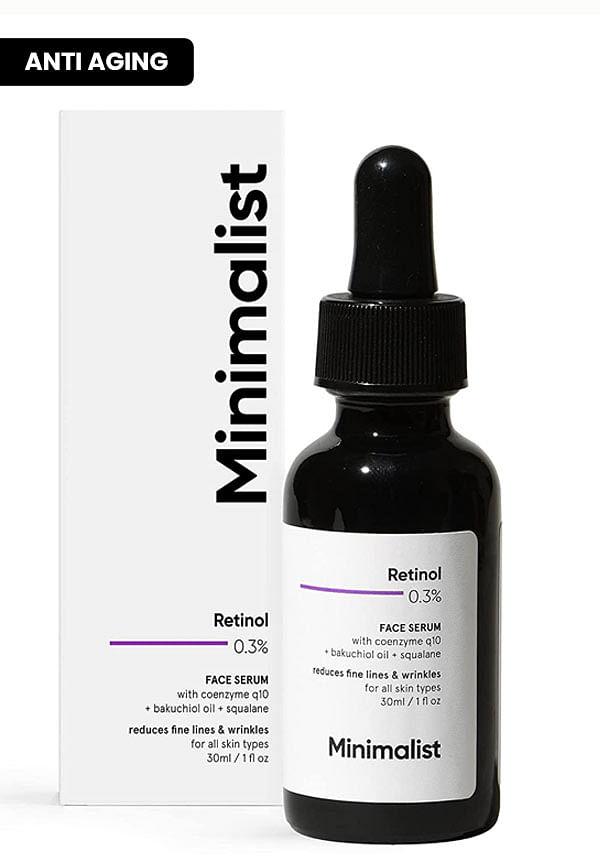
0.3% Retinol Face Serum With Anti-Aging Property With Q10
Always use retinol at night – it makes your skin more photosensitive. Start with a pea-sized amount for your entire face. Apply to clean, completely dry skin (wait 20 minutes after cleansing if needed). Pat, don't rub, and avoid the eye area initially.
The Indian market has some brilliant options for retinol beginners. You don't need to spend a fortune to get started, and many effective formulas are available locally.
Encapsulated retinol is gentler because it releases slowly into your skin. Look for brands that specifically mention 'encapsulated' or 'time-release' on their packaging. These formulas are particularly good for best retinol for beginners because they minimise irritation whilst delivering consistent results.
The choice between retinol serum india and retinol cream india depends on your skin type. Serums are lighter and absorb faster, making them ideal for oily or combination skin. Creams are more moisturising and better for dry or mature skin. If you're unsure, start with a serum – you can always layer moisturiser on top.
You'll find effective retinol products starting from ₹500. The key is looking for stable formulations with good packaging (dark bottles or tubes that protect from light). Don't be swayed by fancy marketing – focus on the ingredient list and concentration.
Integrating retinol into your existing routine doesn't mean starting from scratch. It's about making smart adjustments that support your skin's new needs.
Your morning anti-aging skincare routine becomes crucial when using retinol. Always use SPF 30 or higher – this isn't negotiable. Gentle cleansing, a hydrating serum (hyaluronic acid works beautifully), moisturiser, and sunscreen are your morning essentials. Avoid vitamin C in the morning if you're new to retinol – introduce one active ingredient at a time.
Your evening routine should be all about repair and hydration. Cleanse thoroughly, wait for skin to dry completely, apply retinol, then follow with a nourishing moisturiser. If your skin feels tight, add a facial oil as the final step.
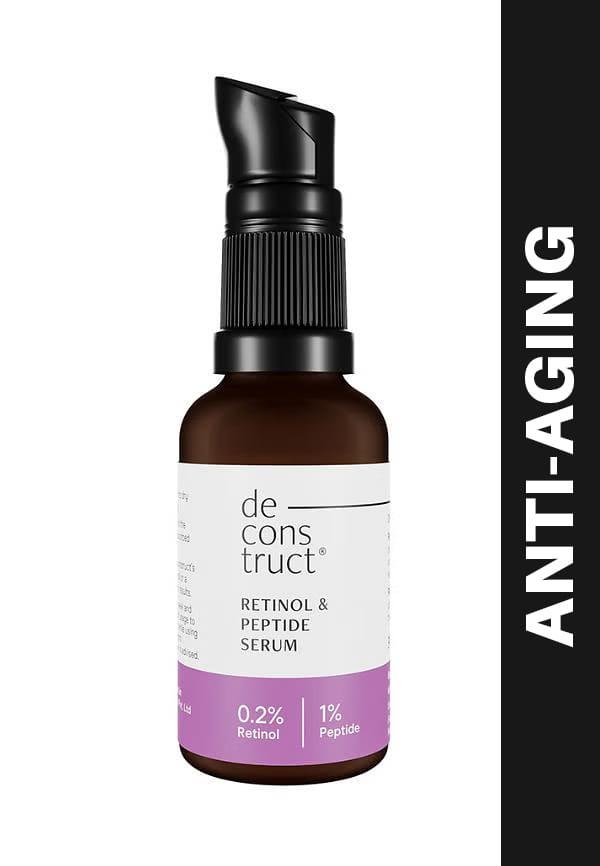
Retinol Face Serum with Peptide
Many of us already use ingredients like niacinamide or AHAs. The good news is you don't have to give these up entirely. Use niacinamide in the morning and retinol at night. Take a break from AHAs whilst building retinol tolerance, then reintroduce them on alternate nights.
Even with the gentlest approach, some initial adjustment is normal. Knowing what's expected versus what's concerning can save you from unnecessary worry or, conversely, from pushing through when you should pause.
Mild retinol side effects include slight dryness, flaking, or tingling. These usually subside within 2-4 weeks as your skin adapts. To minimise discomfort, use a gentle cleanser, skip exfoliation, and layer on the moisturiser. Hyaluronic acid serums are particularly helpful during this adjustment period.
Stop using retinol if you experience severe burning, widespread redness that doesn't calm down, or any signs of an allergic reaction. Some sensitivity is normal, but your skin shouldn't feel raw or look inflamed. When in doubt, consult a dermatologist.
If you've overdone it, focus on repair. Use only gentle, hydrating products for a week. Ceramide-rich moisturisers, aloe vera, and plenty of water help restore your skin barrier. Avoid all actives until your skin feels comfortable again.
Sometimes, despite our best efforts, traditional retinol just doesn't work for certain skin types. That's where retinol alternatives come in – they're not compromise options, they're smart choices for sensitive skin.
Bakuchiol is a plant-derived ingredient that offers similar benefits to retinol without the irritation. It's pregnancy-safe and can be used during the day. Whilst results may take longer to appear compared to retinol, it's an excellent option for those with reactive skin.
Peptides work by signalling your skin to produce more collagen. They're incredibly gentle and can be used alongside other ingredients without worry. Look for products containing copper peptides or palmitoyl pentapeptide for the best results.
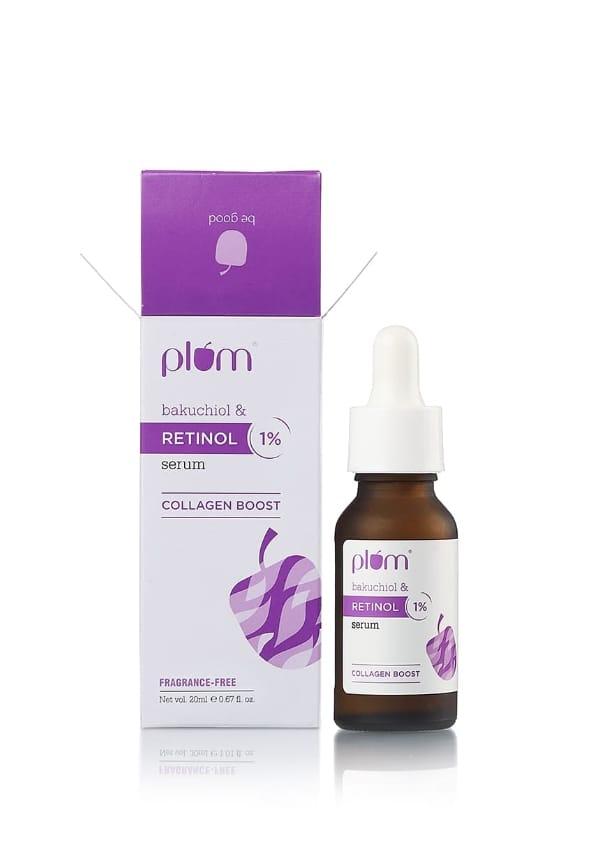
1% Retinol Face Serum with Bakuchiol
Consider alternatives if you're pregnant or breastfeeding, have extremely sensitive skin, or live in a very sunny climate where consistent SPF use is challenging. There's no shame in choosing what works for your lifestyle and skin type.
Start with encapsulated retinol formulas containing 0.25% to 0.5% retinol. These provide effectiveness whilst minimising irritation. Look for products that specifically mention being suitable for sensitive skin or beginners.
In humid conditions, ensure your skin is completely dry before applying retinol. Use lighter moisturisers to avoid feeling sticky, and consider using retinol every other night rather than daily to account for increased sensitivity from heat and humidity.
Yes, but timing matters. Use niacinamide in the morning and retinol at night. Introduce vitamin C separately once your skin has adjusted to retinol, preferably using it on alternate mornings initially.
Retinol can be used year-round, but summer requires extra caution. Always use SPF 30 or higher, reapply sunscreen frequently, and consider reducing retinol frequency if you're spending more time outdoors.
Skin purging (temporary increase in breakouts) is normal and typically lasts 4-6 weeks. Continue with your routine but reduce frequency if needed. If breakouts worsen after 8 weeks or appear in new areas, discontinue use.
Start by avoiding the eye area entirely. Once your skin has adjusted (after 8-12 weeks), you can carefully introduce retinol around the eyes using a tiny amount and watching for sensitivity.
Starting your retinol journey doesn't have to be intimidating. The key is patience, consistency, and listening to your skin. Remember, skincare is personal – what works brilliantly for your friend might need adjusting for you, and that's perfectly normal.
The retinol beginners guide india no irritation approach is all about building tolerance gradually whilst protecting your skin barrier. Whether you choose traditional retinol or explore alternatives like bakuchiol, the goal is finding what makes your skin look and feel its best.
If you're curious about trying different retinol formulations before committing to full-size products, Smytten's curated selection includes minis from trusted skincare brands. It's a smart way to test what works for your skin without the investment of full-size products. With over 28 million users discovering their perfect skincare matches, you're in good company on this journey to healthier, happier skin.
