Retinol and Vitamin C FAQ: Can You Use Them Together?


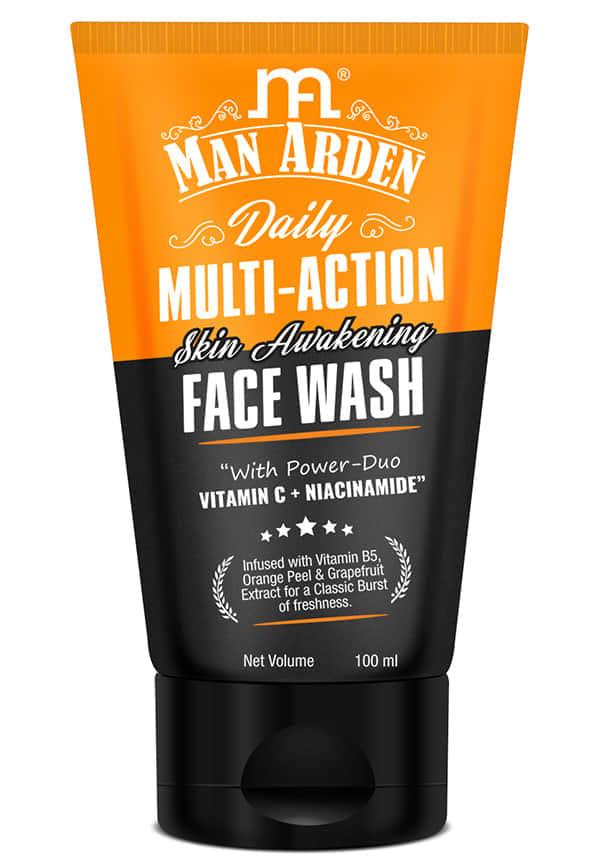
Vitamin C Daily Multi-Action Skin Awakening & Brightening Face Wash Vitamin C + Niacinamide
You've heard the whispers in skincare circles: retinol and vitamin C are the ultimate anti-ageing duo. But then someone mentions they can't be used together, and suddenly you're second-guessing your entire routine. If you've been wondering whether you can actually combine these powerhouse ingredients without turning your face into an irritated mess, you're not alone. The good news? You absolutely can use retinol and vitamin C together — but there's a proper way to do it that won't leave your skin barrier crying for mercy.
Here's what you need to know straight away: retinol and vitamin C can be used together, but the golden rule is all about timing. Think of it like this — vitamin C loves the morning (hello, antioxidant protection against daily environmental damage), whilst retinol prefers the evening (when your skin goes into repair mode during sleep). This simple separation prevents potential irritation whilst maximising the benefits of both ingredients.
When used correctly, this combination can deliver enhanced anti-ageing results, improved skin texture, and better protection against environmental damage. The key is understanding how each ingredient works and respecting their individual needs.
Morning vitamin C application makes perfect sense when you consider its primary job: acting as your skin's bodyguard against free radicals, pollution, and UV damage throughout the day. Meanwhile, retinol works best at night because it can make your skin more photosensitive, and nighttime is when your skin naturally repairs and regenerates. This timing also prevents any potential pH conflicts that could reduce the effectiveness of either ingredient.
Before diving into the how-to, let's get clear on what these ingredients actually do for your skin. Understanding their mechanisms helps explain why the retinol vitamin C combination can be so effective when done right.
Retinol is essentially vitamin A that speeds up your skin's natural cell turnover process. Think of it as your skin's personal trainer — it encourages old, dull cells to move along faster whilst stimulating the production of fresh, healthy ones underneath. This process helps smooth fine lines, improve skin texture, and can even help with post-inflammatory hyperpigmentation over time. However, retinol does make your skin more sensitive to sunlight, which is why evening application is non-negotiable.
Vitamin C (particularly in the form of L-ascorbic acid) is your skin's antioxidant superhero. It neutralises free radicals that cause premature ageing, supports natural collagen production, and helps fade dark spots and hyperpigmentation. When applied in the morning, it creates a protective shield against environmental stressors you'll encounter throughout the day. Plus, it gives your skin that healthy, lit-from-within glow that makes you look like you've had eight hours of sleep (even when you haven't).
Here's where it gets interesting: combining retinol and vitamin C creates a comprehensive anti-ageing approach. Vitamin C works on prevention and protection, whilst retinol focuses on repair and renewal. Together, they address multiple signs of ageing simultaneously. However, they operate at different pH levels — vitamin C prefers acidic conditions (pH 3.5-4), whilst retinol works best in a more neutral environment. This is another reason why separating them by time of day prevents any potential conflicts.
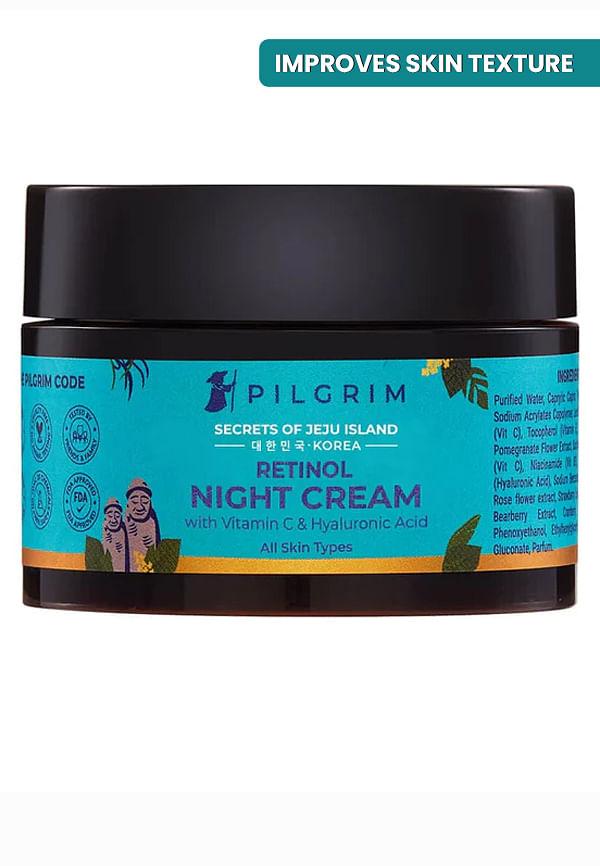
Retinol Anti-Ageing Night Repair Cream With Vitamin C & Hyaluronic Acid
Now for the practical bit — how to actually incorporate both ingredients into your routine without causing irritation. The vitamin c with retinol approach requires a bit of strategy, but it's simpler than you might think.
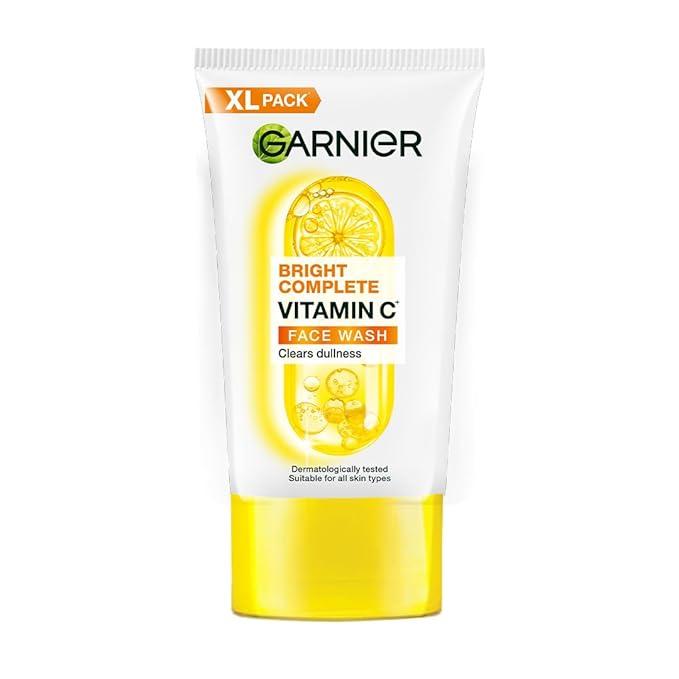
Morning routine: After cleansing, apply your vitamin C serum to clean, dry skin. The Garnier Bright Complete Vitamin C Face Wash can be an excellent starting point for your morning routine, gently cleansing whilst introducing vitamin C benefits to prepare your skin for your serum application. Wait about 10-15 minutes for absorption, then follow with moisturiser and SPF (this step is absolutely crucial when using retinol in your routine).
Evening routine: Cleanse thoroughly, then apply retinol to clean, dry skin. Start with a pea-sized amount and gradually increase frequency as your skin builds tolerance. Follow with a hydrating moisturiser to support your skin barrier. Never skip the waiting period — give retinol at least 20-30 minutes to absorb before applying other products.
If your skin tends to be reactive, consider the alternating nights method. Use vitamin C in the morning as usual, but alternate retinol every other evening instead of nightly application. This gives your skin time to adjust whilst still reaping the benefits of both ingredients. You might also start with lower concentrations — perhaps 0.25% retinol and 10% vitamin C — and gradually work your way up.
Whilst morning vitamin C and evening retinol is the safest approach, some experienced users do layer them at night. If you're considering this, apply vitamin C first (it needs direct contact with skin), wait 30 minutes, then apply retinol. However, this approach isn't recommended for beginners or sensitive skin types, as it significantly increases the risk of irritation.
When you master the art of using retinol and vitamin c together, the benefits are genuinely impressive. This combination addresses ageing from multiple angles, creating results that neither ingredient could achieve alone.
Both ingredients support collagen synthesis, but through different pathways. Vitamin C provides the building blocks for collagen formation, whilst retinol stimulates fibroblasts to produce more collagen. This dual approach can lead to firmer, plumper skin and a reduction in fine lines over time. Most people start noticing improvements in skin texture within 6-8 weeks of consistent use.
The vitamin c retinol benefits for hyperpigmentation are particularly noteworthy. Vitamin C inhibits melanin production and helps fade existing dark spots, whilst retinol accelerates cell turnover to bring fresh, even-toned skin to the surface faster. This combination approach often delivers more dramatic results than using either ingredient alone.
Think of this duo as your complete anti-ageing strategy: vitamin C prevents future damage whilst retinol repairs past damage. This comprehensive approach helps maintain healthier, younger-looking skin over the long term. The antioxidant protection from vitamin C also helps preserve the benefits you're getting from retinol.
Even with the best intentions, there are several ways the retinol and vitamin c skincare combination can go wrong. Here's what to watch out for.
The biggest mistake is applying both ingredients simultaneously without proper timing. This can lead to pH conflicts that reduce effectiveness and increase irritation risk. Another common error is using incompatible formulations — for example, mixing a vitamin C serum with a retinol cream that contains conflicting ingredients like benzoyl peroxide or alpha hydroxy acids.
Enthusiasm for results can lead to overuse, which compromises your skin barrier. Signs include persistent redness, stinging, excessive dryness, or increased sensitivity. If this happens, scale back to basics: gentle cleanser, simple moisturiser, and SPF until your skin recovers. Then reintroduce ingredients slowly and at lower frequencies.
This cannot be overstated: SPF is non-negotiable when using retinol. Even though you're applying it at night, retinol increases photosensitivity for several days. Skipping sun protection can lead to increased pigmentation and actually reverse the benefits you're working towards.
Here's where your routine gets even more effective: hyaluronic acid plays beautifully with both retinol and vitamin C, acting as the perfect supporting player in your skincare routine.
Hyaluronic acid provides the hydration and barrier support that both retinol and vitamin C need to work optimally. It helps counteract any dryness from retinol whilst enhancing the plumping effects of vitamin C. This ingredient can be used morning and evening without any timing concerns, making it the perfect bridge between your other actives.
Your complete routine might look like this: Morning — cleanser, vitamin C serum, hyaluronic acid serum, moisturiser, SPF. Evening — cleanser, hyaluronic acid serum, retinol, moisturiser. This approach ensures your skin stays hydrated and supported whilst receiving all the anti-ageing benefits.
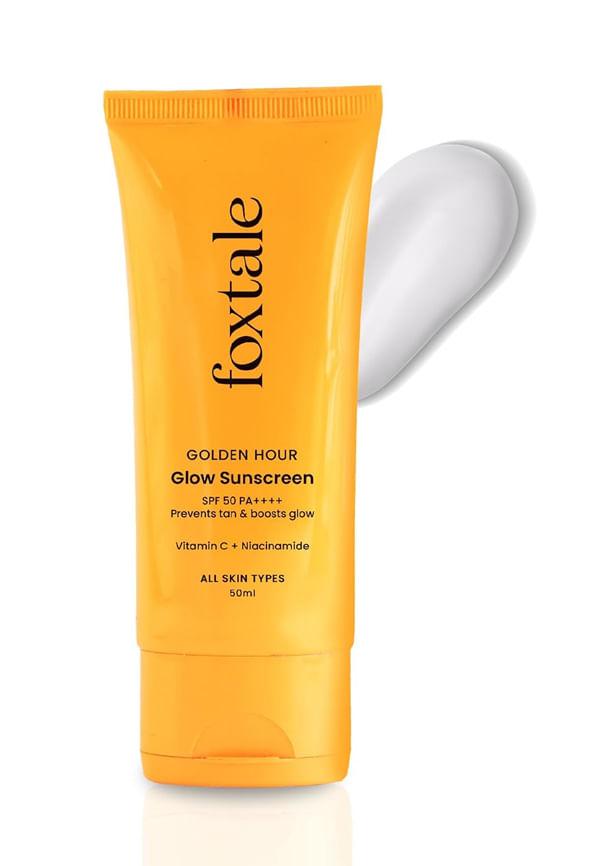
Glow Sunscreen SPF 50 PA++++ Lightweight with Vitamin C and Niacinamide
Absolutely! The key is using vitamin C in the morning and retinol in the evening. This timing prevents potential interactions whilst allowing you to benefit from both ingredients daily. Many dermatologists actually recommend this approach for comprehensive anti-ageing care.
Don't panic — you're unlikely to cause serious damage, but you might experience irritation, redness, or stinging. If this happens, rinse your face with cool water, apply a gentle moisturiser, and give your skin a break from actives for a day or two. In future, stick to the morning/evening separation rule.
If you're applying them at different times of day (recommended), no waiting period is needed. If you're layering them at night (advanced users only), wait at least 30 minutes between applications to allow proper absorption and pH adjustment.
Yes, but start slowly. Begin with lower concentrations and introduce one ingredient at a time. You might start with vitamin C for 2-3 weeks, then add retinol 2-3 times per week. Gradually increase frequency as your skin builds tolerance.
When used at different times of day, this isn't relevant. If layering at night, vitamin C goes first (it needs direct skin contact), followed by retinol after a 30-minute wait. However, the morning/evening split is safer and more effective for most people.
Watch for persistent irritation, increased sensitivity, excessive dryness, or worsening of skin concerns. These signs suggest you need to adjust your routine — perhaps reduce frequency, lower concentrations, or ensure you're not mixing them at the same time.
The retinol and ascorbic acid combination doesn't have to be intimidating. When approached thoughtfully — vitamin C in the morning, retinol in the evening, and never forgetting SPF — this duo can transform your skincare routine and deliver the kind of results that make people ask about your secrets.
Remember, skincare is a marathon, not a sprint. Start slowly, listen to your skin, and be consistent. The anti-ageing benefits of combining these ingredients are well worth the initial learning curve. Your future self will thank you for taking the time to do it properly.
If you're curious about trying different vitamin C or retinol formulations but aren't ready to commit to full-size products, platforms like Smytten offer a smart way to test various brands and concentrations through their curated trial options. With over 28 million users discovering their perfect skincare matches, it's become easier than ever to find what works for your unique skin before making larger investments.
