Retinol and Moisturizer: Your Skincare Layering Order Questions Answered

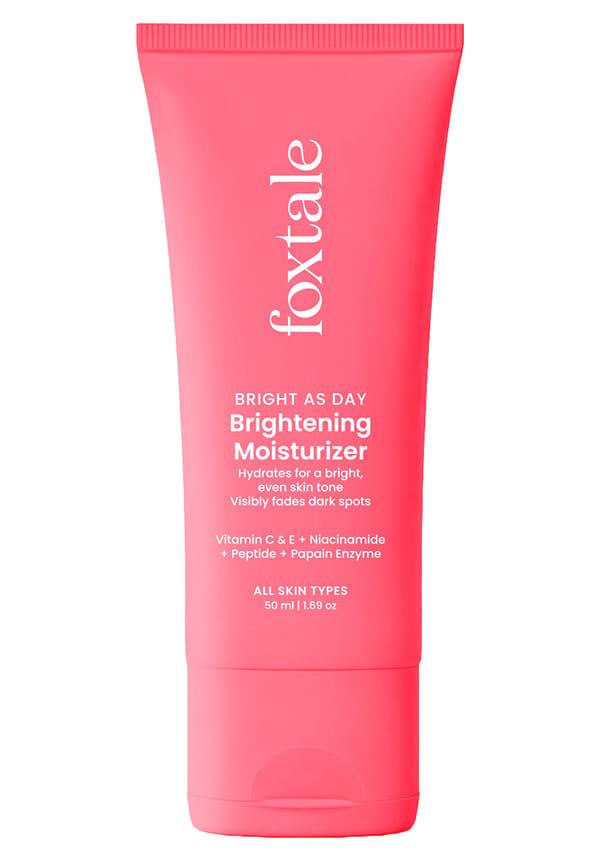
Brightening Moisturiser with Vitamin C & Niacinamide
Good and Soft, Must Buy
 5
5“it feels good n soft...must buy”
Smooth, gentle, no white cast
4“smooth texture no white cast gentle”
Amazing Product
5“Amazing product i like it very much”
Real talk: if you've ever stood in your bathroom at 10 PM, holding a retinol serum in one hand and a moisturiser in the other, wondering which goes first, you're not alone. The correct order to layer retinol and moisturiser can make or break your skincare routine—and honestly, it's one of those things that even seasoned skincare enthusiasts get wrong. Whether you're dealing with stubborn fine lines, post-acne marks, or just want to future-proof your skin, getting this layering order right is crucial for seeing real results without the dreaded irritation. The good news? Once you understand the science behind why order matters, you'll never second-guess your nighttime routine again. And if you're still figuring out which retinol works for your skin type, platforms like Smytten make it easier to trial different formulations before committing to full-size products—because nobody wants to invest in a retinol that doesn't play well with their skin.
TL;DR
Standard rule: Apply retinol before moisturiser for maximum penetration and effectiveness.
Sensitive skin exception: Use the sandwich method (moisturiser-retinol-moisturiser) to buffer irritation.
Wait time matters: Allow 15-30 minutes between retinol and moisturiser application.
Start slowly: Follow the 1/2/3 rule—use retinol once weekly for the first month, twice weekly for the second, then three times for the third.
Listen to your skin: Adjust the order and frequency based on how your skin responds.
Understanding the correct order to layer retinol and moisturiser starts with knowing how these ingredients actually work on your skin. Retinol molecules are relatively small and need direct contact with your skin cells to penetrate effectively and stimulate cellular turnover. When you apply moisturiser first, you're essentially creating a barrier that can prevent retinol from reaching the deeper layers where it does its magic.
The molecular weight principle is key here—lighter, more active ingredients should always go on first, followed by heavier, occlusive products. Retinol serums typically have a lighter consistency and lower pH than moisturisers, making them ideal for first application. Most moisturisers contain emollients and occlusives that form a protective film on your skin, which is brilliant for locking in hydration but can block active ingredients from penetrating properly.
pH levels also play a crucial role in this layering game. Retinol works best in a slightly acidic environment (around pH 5.5-6), whilst many moisturisers have a more neutral pH. Applying retinol first ensures it can work in its optimal pH environment before you layer on other products. Getting this wrong doesn't just reduce effectiveness—it can also lead to increased irritation as the retinol sits on top of your skin rather than absorbing properly.
For most skin types, the golden rule is retinol before moisturiser, and there's solid science backing this approach. This method allows retinol to penetrate deeply into your skin where it can effectively boost collagen production and accelerate cell turnover. Here's exactly how to nail this technique for maximum results.
Start with freshly cleansed, completely dry skin—any residual water can dilute your retinol and reduce its potency. Apply a pea-sized amount of retinol serum or cream to your entire face, avoiding the delicate eye area unless you're using a specific eye retinol. Gently pat and press the product into your skin rather than rubbing, which can cause unnecessary irritation.
This is where patience pays off. Allow your retinol to fully absorb for 15-30 minutes before applying moisturiser. This waiting period ensures the retinol has time to penetrate your skin barrier and start working at the cellular level. Use this time to brush your teeth, do your evening meditation, or catch up on that book you've been meaning to finish.
If you have normal to oily skin, this standard method typically works beautifully. Your skin can usually handle the direct application of retinol without excessive dryness or irritation. Look for lightweight, gel-based moisturisers that won't feel heavy after your retinol application. Ingredients like hyaluronic acid and niacinamide in your moisturiser can actually complement retinol's effects.
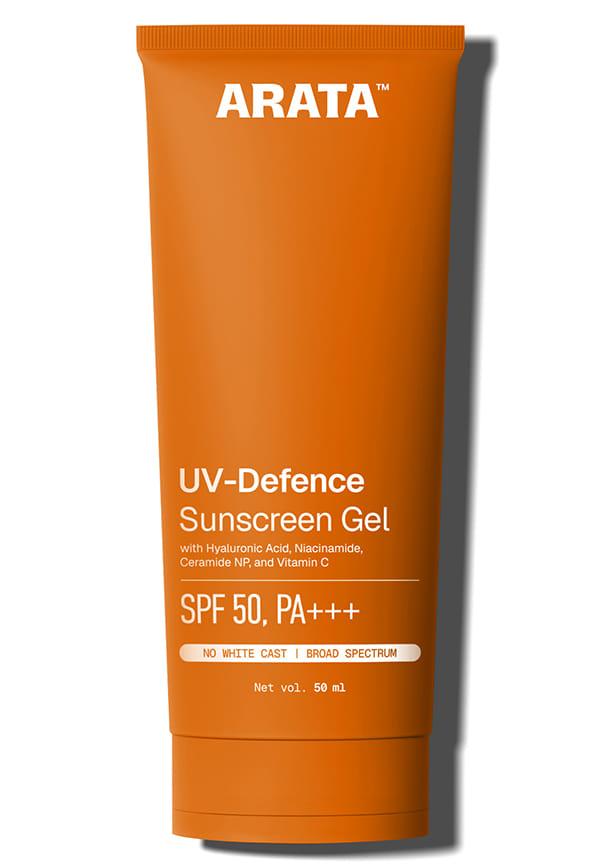
Sunscreen Gel with Niacinamide & Ceramide
If you have sensitive skin or you're new to retinol, the sandwich method might be your best friend. This dermatologist-recommended technique involves applying a thin layer of moisturiser before your retinol, then sealing it with another layer of moisturiser afterwards. It's like creating a protective cushion that allows you to reap retinol's benefits whilst minimising irritation.
This buffering technique works because the first layer of moisturiser slows down retinol absorption, making it gentler on reactive skin. You're essentially controlling the delivery speed of the active ingredient, which can prevent the redness, peeling, and stinging that sometimes comes with retinol use.
Apply a thin layer of a gentle, fragrance-free moisturiser to clean skin. Wait about 5 minutes for it to absorb, then apply your retinol product over this base layer. Finally, wait another 15-20 minutes before applying your final moisturiser layer. This method is particularly brilliant for retinol beginners or anyone dealing with compromised skin barriers.
Once you've mastered the basic retinol and moisturiser routine, you might wonder how other products fit into the mix. The key is understanding which ingredients play well with retinol and which ones should be kept for your morning routine or alternate nights.
Your complete nighttime skincare layering order should follow the thin-to-thick rule: cleanser, toner (if using), retinol serum, moisturiser, and finally face oil if needed. If you're using multiple serums, apply them in order of molecular weight—smallest molecules first.
Good news: both niacinamide and hyaluronic acid are excellent companions for retinol. Niacinamide can actually help reduce retinol-induced irritation whilst providing additional pore-refining benefits. Apply it before your retinol if it's in serum form, or look for moisturisers that contain niacinamide to apply after your retinol.
Avoid using retinol with vitamin C, AHAs, or BHAs on the same night, as this combination can lead to excessive irritation and potentially compromise your skin barrier. Save these ingredients for your morning routine or alternate nights. Benzoyl peroxide is another ingredient that doesn't play well with retinol—it can actually deactivate the retinol, making your expensive serum essentially useless.
The 1/2/3 rule is a game-changer for retinol beginners and anyone looking to increase their retinol tolerance safely. This gradual introduction method helps your skin adapt to retinol without the dramatic purging and irritation that can occur when you dive in too quickly.
Start with once weekly application for the first month, then increase to twice weekly for the second month, and finally three times weekly for the third month. After three months, you can assess whether your skin can handle more frequent use or if three times weekly is your sweet spot.
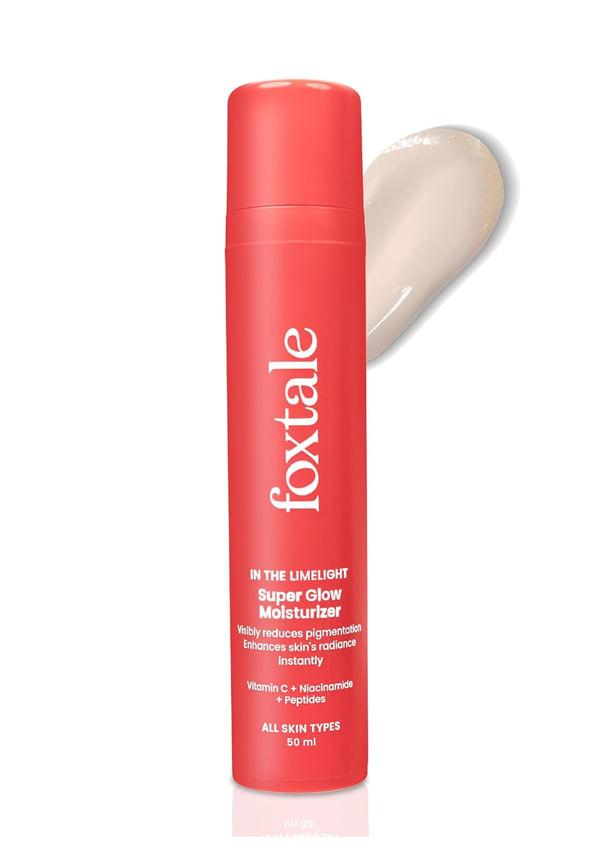
Vitamin C Super Glow Moisturizer with Niacinamide
Product is super fast
5“i love the product. it is super fast”
Awesome Super Glow with Smooth Texture
5“Awesome and super glow with smooth texture”
Awesome Super Glow with Smooth Texture
5“Awesome and super glow with smooth texture”
Week 1-4: Use retinol once per week, preferably on the same night each week. Week 5-8: Increase to twice weekly, spacing applications at least two days apart. Week 9-12: Move to three times weekly if your skin is tolerating it well. This slow approach allows your skin to build tolerance whilst minimising the risk of retinol dermatitis.
Your skin will tell you if you're moving too fast. Signs that you need to slow down include persistent redness, excessive peeling, burning sensations, or increased sensitivity. If you experience these symptoms, take a break for a few days and restart at a lower frequency. Remember, retinol is a marathon, not a sprint—consistent, gentle use will always beat aggressive application that damages your skin barrier.
Even with perfect technique, you might encounter some bumps along your retinol journey. The most common issues include dryness, peeling, and irritation—all of which can usually be managed with simple adjustments to your routine.
If you're experiencing excessive dryness, try switching to the sandwich method or using a more occlusive moisturiser after your retinol. Look for ingredients like ceramides, squalane, or shea butter that can help repair and strengthen your skin barrier whilst you're adjusting to retinol.
If your retinol isn't working after several months of consistent use, you might be applying it in the wrong order. Signs include lack of improvement in skin texture, persistent breakouts, or feeling like your expensive retinol serum is just sitting on top of your skin. Try switching to the standard retinol-first method if you've been buffering, or vice versa.
Your skin's needs change with the seasons, and your retinol routine should adapt accordingly. During winter months, you might need to use the sandwich method more often or switch to a richer moisturiser. In summer, lighter formulations and more frequent moisturiser application can help combat increased sensitivity from heat and humidity.
Product | Skin Type | Key Ingredients | Price Range | Best For |
|---|---|---|---|---|
Dot & Key Night Reset Retinol + Ceramide Cream | Mature, Dry | Retinol, Ceramides, Hibiscus | Premium | Anti-ageing with barrier protection |
DERM EASE Retinol Night Cream | Mature, Sensitive | Retinol, Hyaluronic Acid, Ceramides | Mid-range | Gentle retinol introduction |
Minimalist Ceramides 0.3% Night Cream | Dry, Sensitive | Ceramides, Madecassoside | Mid-range | Barrier repair and soothing |
The Derma Co. 5% Nia-Ceramide Cream | Dry, Mature | Niacinamide, Ceramides, Urea | Premium | Intensive overnight hydration |
Bioderma Sensibio Defensive Rich Cream | Sensitive, Reactive | Defensive Technology, Soothing Complex | Premium | Calming chronic sensitivity |
For most skin types, apply retinol first on clean, dry skin, wait 15-30 minutes, then follow with moisturiser. This allows retinol to penetrate effectively whilst the moisturiser seals in hydration and reduces potential irritation. When should I apply retinol? Generally, apply retinol in the evening as part of your nighttime routine.
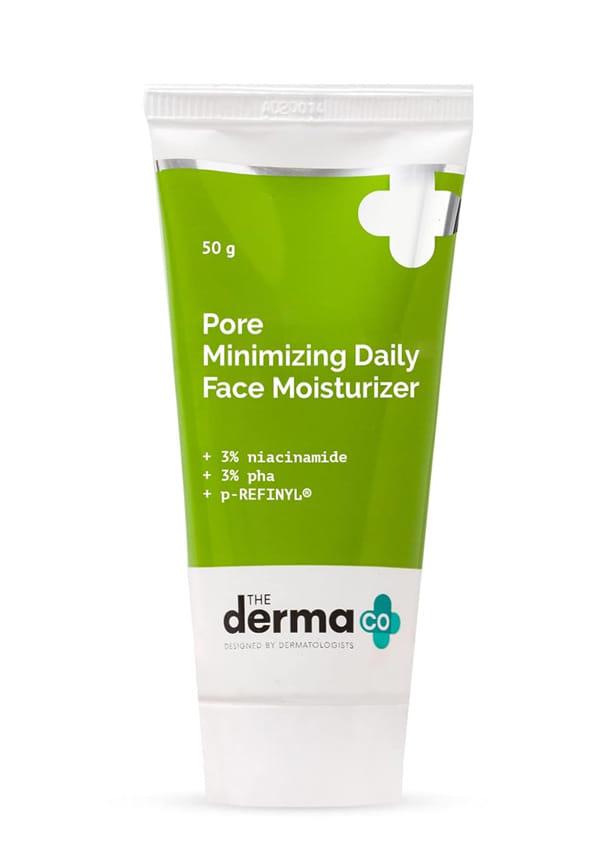
Pore Minimizing Daily Face Moisturizer with 3% Niacinamide 3% PHA and p-REFINYL
Good for Dry Skin
5“good for dry skin.... overall worth it”
Good for Dry Skin
5“good for dry skin.... overall worth it”
Good for Dry Skin
5“good for dry skin.... overall worth it”
The 1/2/3 rule is a gradual introduction method: use retinol once weekly for the first month, twice weekly for the second month, and three times weekly for the third month. This helps your skin build tolerance whilst minimising irritation.
Wait 15-30 minutes between applying retinol and moisturiser. This allows the retinol to fully absorb and start working at the cellular level before you create an occlusive barrier with your moisturiser.
Whilst mixing retinol with moisturiser can reduce irritation, it also dilutes the retinol's potency and may affect its stability. If you have sensitive skin, try the sandwich method instead—applying moisturiser before and after retinol for a gentler approach.
Generally, use retinol first for maximum effectiveness. However, if you have very sensitive skin or are new to retinol, you can apply a thin layer of moisturiser first to buffer the retinol, then follow with another layer of moisturiser.
Avoid applying vitamin C, AHAs, BHAs, or benzoyl peroxide over retinol on the same night. These combinations can cause excessive irritation or deactivate the retinol. Stick to gentle, hydrating ingredients like hyaluronic acid and ceramides when layering over retinol.
Mastering the correct order to layer retinol and moisturiser is fundamental to achieving the glowing, youthful skin you're after. The standard approach—retinol first, followed by moisturiser after a 15-30 minute wait—works brilliantly for most skin types and ensures maximum penetration and effectiveness. However, don't be afraid to adapt this method to suit your skin's unique needs.
If you have sensitive skin or you're just starting your retinol journey, the sandwich method offers a gentler introduction whilst still delivering results. Remember that consistency trumps intensity every time—it's better to use retinol regularly at a lower frequency than to overdo it and damage your skin barrier.
The 1/2/3 rule provides a safe framework for building retinol tolerance, but always listen to your skin and adjust accordingly. Some people may need to stay at once or twice weekly indefinitely, and that's perfectly fine. Your skin's response should guide your routine, not arbitrary rules or pressure to use retinol daily.
Finding the perfect retinol and moisturiser combination for your skin doesn't have to involve expensive trial and error. Smytten is India's largest product discovery and trial platform, connecting consumers with top lifestyle, beauty, wellness, and grooming brands through curated trial packs from over 2,400 trusted brands including Dot & Key, DERM EASE, Minimalist, and Bioderma. Each mini is linked with Trial Points, and users can get up to 10 Trial Points for just ₹279, making it incredibly affordable to test different retinol formulations and moisturisers before committing to full-size purchases. With 100% cashback on trial purchases redeemable in the shop section, you can confidently explore various retinol and moisturiser combinations to find what works best for your skin type. The platform's authentic, brand-verified minis ensure you're testing the real deal, and with PAN-India delivery covering 90% of pin codes, building your perfect retinol routine has never been more accessible. After all, why settle for 'maybe' when you can #TryItAll and discover the retinol and moisturiser duo that transforms your skin?
