Remedies for Pigmentation FAQ: Your Questions Answered


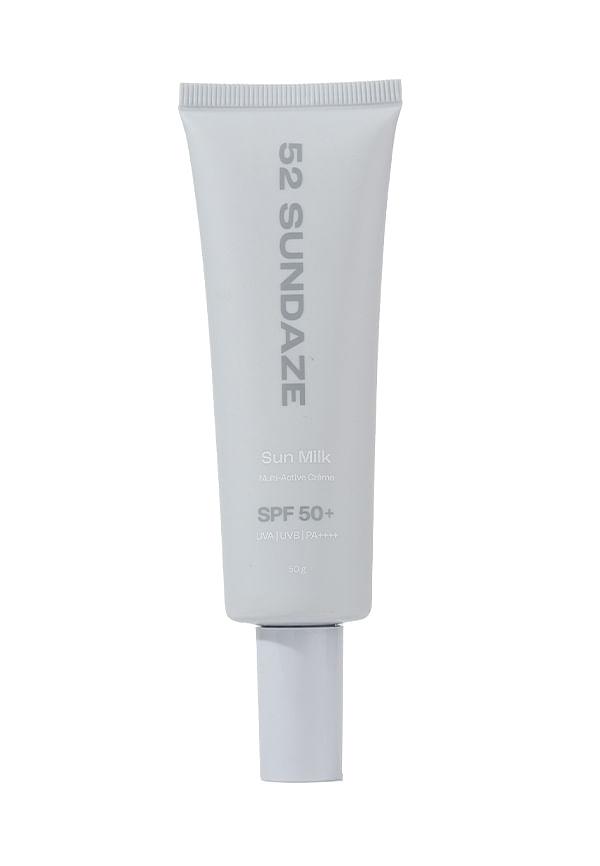
SPF 50 Sun Milk Multi Active Crème Sunscreen PA++++
Dealing with dark spots, uneven skin tone, or stubborn patches that just won't budge? You're definitely not alone in this struggle. Hyperpigmentation affects millions of people worldwide, showing up as everything from post-acne marks to melasma and age spots. The good news? There are loads of proven remedies for pigmentation that actually work—from professional treatments to natural solutions you can try at home. Let's dive into the most common questions about tackling skin discoloration and find the approach that might just become your new fave.
Before jumping into treatments, it's worth understanding why pigmentation happens in the first place. Your skin produces melanin as a protective response, but sometimes this process goes a bit haywire, leading to those frustrating dark patches.
This is the biggest culprit behind most pigmentation issues. UV rays trigger your skin to produce excess melanin, which can cluster together forming dark spots. Even brief sun exposure without proper protection can worsen existing discoloration.
Pregnancy, birth control, and hormonal fluctuations can trigger melasma—those symmetrical brown patches that often appear on the cheeks and forehead. This type of pigmentation is particularly stubborn and requires targeted melasma treatments.
When your skin heals from acne, cuts, or other injuries, it sometimes overproduces melanin in that area. This is why old breakout spots can leave behind dark marks that linger for months.
As we age, our skin's ability to regenerate slows down, and years of sun exposure catch up with us. Age spots typically appear on areas that get the most sun—hands, face, and shoulders.
When home remedies aren't cutting it, professional treatments can deliver faster and more dramatic results. These options target pigmentation at a deeper level and often provide the most effective dark spots removal.
These treatments use acids like glycolic or salicylic acid to remove the top layers of skin, revealing fresher, more even-toned skin underneath. Results typically show after 2-3 sessions.
Laser treatments target melanin directly, breaking up pigmented cells so your body can naturally eliminate them. This is particularly effective for stubborn age spots and sun damage.
This treatment creates tiny punctures in the skin, stimulating collagen production and helping topical treatments penetrate deeper. It's brilliant for improving overall skin texture alongside pigmentation.
Intense Pulsed Light therapy uses broad-spectrum light to target pigmented areas. It's gentler than laser treatments but may require more sessions for optimal results.
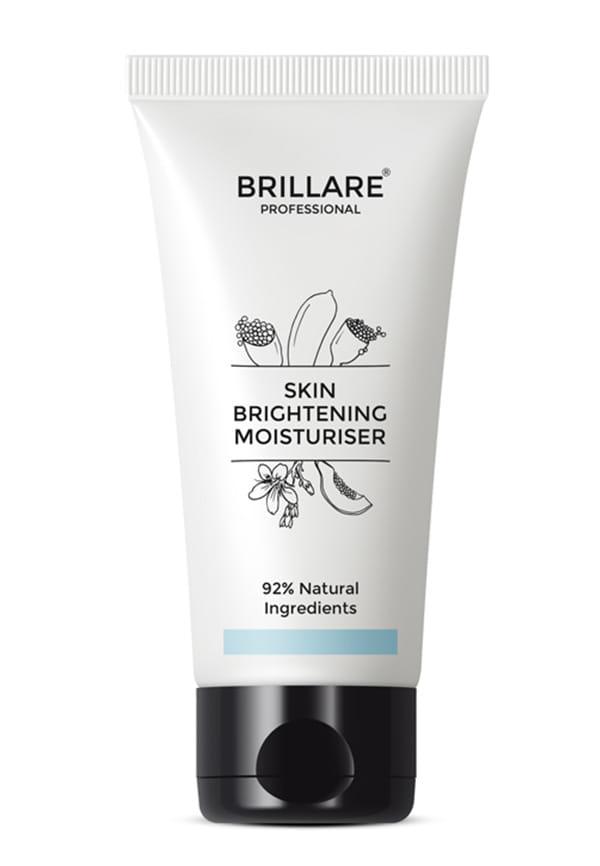
Skin Brightening Moisturiser For Reducing Pigmentation
The right pigmentation creams and serums can make a real difference when used consistently. These ingredients have solid research backing their effectiveness for treating various types of skin discoloration.
Vitamin C for skin is a powerhouse ingredient that inhibits melanin production whilst providing antioxidant protection. Look for stable forms like magnesium ascorbyl phosphate or sodium ascorbyl phosphate in concentrations between 10-20%.
Derived from fungi, kojic acid is a gentle yet effective melanin inhibitor. It works particularly well for age spots and sun damage when used in 1-2% concentrations.
Also known as Vitamin B3, niacinamide reduces melanin transfer to skin cells and helps fade existing dark spots. It's suitable for sensitive skin and works well with other active ingredients.
This gentle depigmenting agent works by slowly releasing hydroquinone, making it effective yet less irritating than its stronger counterpart. It's particularly good for beginners to pigmentation treatments.
Retinol and prescription retinoids speed up skin cell renewal, helping pigmented cells shed faster whilst preventing new dark spots from forming. Start slowly to build tolerance.
If you prefer gentler approaches or want to complement professional treatments, several natural remedies for pigmentation have shown promising results in studies. These skin brightening methods are worth exploring, especially for mild pigmentation.
Fresh aloe vera gel contains compounds that can inhibit melanin production whilst soothing irritated skin. Apply pure gel twice daily for best results.
Curcumin in turmeric has natural skin-brightening properties. Mix turmeric powder with yoghurt or honey for a gentle weekly mask, but be careful as it can temporarily stain skin yellow.
Potatoes contain vitamin C and enzymes that may help lighten dark spots. Slice a potato and rub the cut surface on pigmented areas, or apply fresh potato juice with a cotton pad.
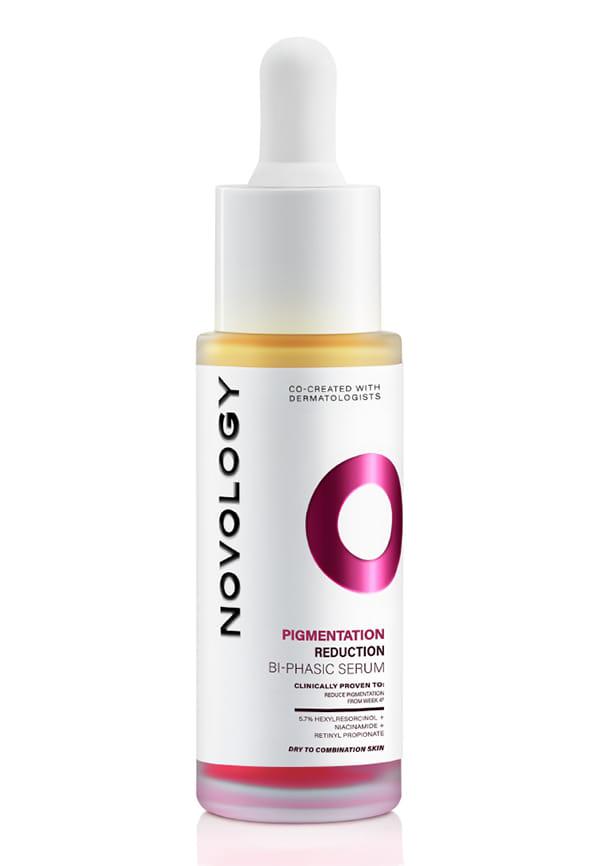
Pigmentation Serum, Bi-Phasic Face Serum for Hyperpigmentation & Dark Spots
Rich in antioxidants, green tea can help protect against further pigmentation whilst providing mild lightening effects. Use cooled green tea as a toner or look for products containing green tea extract.
Glabridin in licorice root has been shown to inhibit melanin production. It's particularly effective for melasma and post-inflammatory hyperpigmentation.
Prevention is honestly the most effective approach to managing pigmentation long-term. The best skincare for pigmentation focuses on protecting your skin from further damage whilst treating existing issues.
This is non-negotiable. Use broad-spectrum SPF 30 or higher every single day, even indoors. UV rays can penetrate windows and worsen existing pigmentation.
Consistency beats intensity when it comes to pigmentation treatment. Stick to your routine for at least 8-12 weeks to see meaningful results.
Well-hydrated skin responds better to treatments. Include antioxidant-rich foods in your diet to support skin health from within.
Manage stress levels, get adequate sleep, and avoid picking at your skin. These factors all influence how your skin heals and responds to treatments.
Finding the right combination of treatments for your specific pigmentation type is key to success. Here's how to build an effective approach that delivers real results.
Different types of pigmentation respond better to specific treatments. Post-inflammatory hyperpigmentation often responds well to gentle acids, whilst melasma may need stronger interventions.
Begin with one active ingredient and gradually introduce others. This helps you identify what works whilst minimising irritation risk.
Take photos in consistent lighting to monitor improvements. Pigmentation fades gradually, so progress photos help you stay motivated.
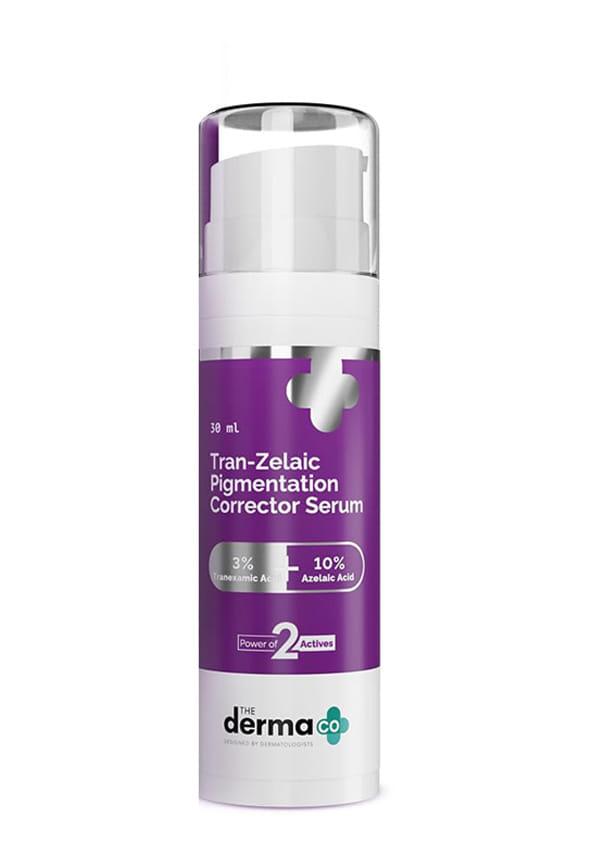
Tran-Zelaic Pigmentation Corrector Serum with Tranexamic Acid & Azelaic Acid
If home treatments aren't showing results after 3-4 months, or if pigmentation is severe, consult a dermatologist for stronger treatment options.
When exploring different uneven skin tone solutions, platforms like Smytten make it easier to try various products without the commitment of full-size purchases. With curated trial packs from trusted skincare brands, you can discover what works for your specific pigmentation concerns before investing in full-size products.
Professional treatments like chemical peels or laser therapy typically show the fastest results, with improvements visible in 2-4 weeks. However, at-home treatments with consistent use can show results in 6-8 weeks. The key is managing expectations—true pigmentation fading takes time, and 'overnight' solutions often don't exist.
Whilst natural remedies can significantly fade pigmentation, 'permanent' removal is challenging with home treatments alone. Consistent use of vitamin C serums, gentle exfoliation with natural acids, and diligent sun protection can provide substantial improvement. Combine ingredients like aloe vera, turmeric, and potato juice for best results, but expect gradual progress over 3-6 months.
Real talk—significant pigmentation improvement in just one week is unrealistic with safe methods. Whilst you might notice slight brightening from gentle exfoliation or vitamin C use, meaningful pigmentation fading requires consistent treatment over weeks or months. Be wary of products promising dramatic results in days, as they often contain harsh ingredients that can damage your skin.
The 'best' treatment depends on your pigmentation type and severity. For mild dark spots, vitamin C serums and gentle acids work brilliantly. Stubborn melasma often requires professional treatments like chemical peels or prescription retinoids. Many people find success with combination therapy—professional treatments paired with consistent at-home care.
Many traditional Indian remedies have scientific backing. Turmeric contains curcumin, which has proven skin-brightening properties. Neem has anti-inflammatory benefits that can prevent post-acne pigmentation. Sandalwood and rose water provide gentle exfoliation and hydration. However, use these remedies carefully and patch-test first, as natural doesn't always mean gentle.
Vitamin C is the star player for pigmentation treatment, inhibiting melanin production whilst providing antioxidant protection. Vitamin E works synergistically with vitamin C for enhanced results. Vitamin A (retinoids) accelerates cell turnover, helping pigmented cells shed faster. For best results, look for products combining these vitamins or use them in sequence.
Antioxidant-rich foods support skin health from within. Include citrus fruits (vitamin C), leafy greens (folate and vitamin K), berries (antioxidants), and fatty fish (omega-3s) in your diet. Green tea, tomatoes, and sweet potatoes also contain compounds that may help protect against UV damage and support skin repair.
Some types of pigmentation, particularly post-inflammatory hyperpigmentation, can fade naturally over 6-24 months as your skin renews itself. However, sun damage and age spots typically persist without intervention. Melasma may fluctuate with hormonal changes but rarely disappears completely without treatment.
Tackling pigmentation successfully requires patience, consistency, and often a combination of approaches. Whether you opt for professional treatments, proven active ingredients, or natural remedies, the key is finding what works for your specific skin type and pigmentation concerns. Remember that prevention through daily sun protection is just as important as treatment.
Smytten's platform offers an excellent way to explore different pigmentation treatments without the financial risk of full-size purchases. With trial packs from over 1,500 trusted brands and the ability to get up to 8 minis for just ₹249, you can discover your perfect pigmentation-fighting routine. Plus, with 100% cashback on trial purchases redeemable for future orders, finding your ideal remedies for pigmentation becomes both affordable and rewarding. After all, why settle for 'maybe' when you can Try It All?
