Pregnancy-Safe Skincare India FAQ: What to Use & Avoid


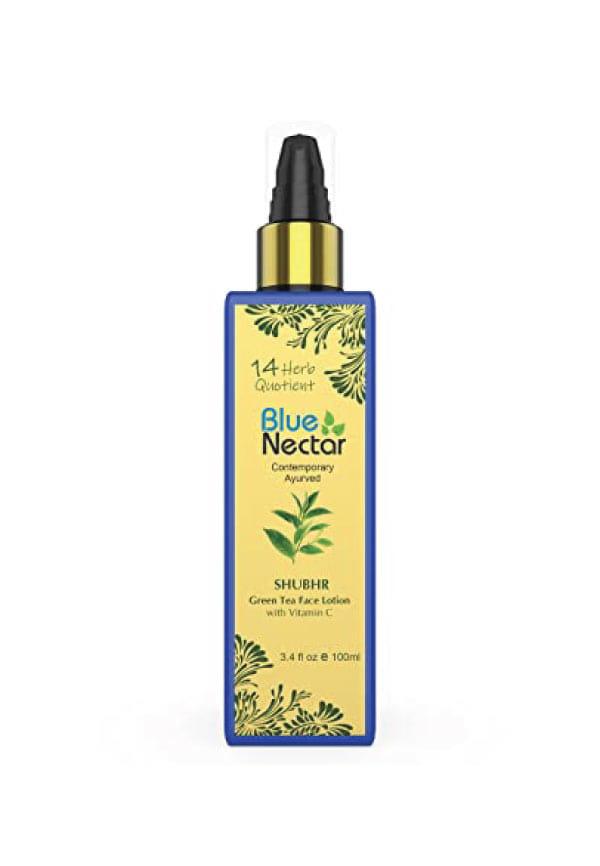
Shubhr Green Tea Face Moisturizer with Vitamin C for Glowing Skin
When you discover you're expecting, suddenly everything feels different – including your skincare routine. That gentle retinol serum you've been using religiously? The brightening cream with hydroquinone? Your dermatologist-prescribed acne treatment? All of these might need a second look. Pregnancy brings incredible changes to your body, and your skin is no exception. Between hormonal fluctuations and the need to protect your growing baby, navigating skincare during pregnancy can feel overwhelming. But here's the thing – you don't have to sacrifice healthy, glowing skin for nine months. You just need to know what's safe, what to avoid, and how to adapt your routine for this special time.
Pregnancy-safe skincare refers to products and ingredients that pose minimal risk to both mother and developing baby. During pregnancy, your skin barrier can become more permeable, and certain ingredients may be absorbed into your bloodstream and potentially reach your baby through the placental barrier. This is why ingredients that were perfectly fine before pregnancy might now be off-limits. The Indian climate adds another layer of complexity to pregnancy skincare. High humidity, intense UV exposure, and pollution can exacerbate common pregnancy skin concerns like melasma (the "pregnancy mask"), increased sensitivity, and breakouts. Your skin might become oilier in the T-zone whilst feeling tight and dry on your cheeks – a combination that requires careful product selection. Hormonal changes during pregnancy increase melanin production, making you more prone to hyperpigmentation. This is particularly relevant in India, where sun exposure is intense year-round. Additionally, increased blood flow can make your skin more reactive to ingredients that previously caused no issues.
Traditional Indian skincare practices often emphasise natural ingredients like turmeric, sandalwood, and rose water – many of which are actually excellent pregnancy-safe options. However, some traditional remedies may contain herbs or essential oils that aren't recommended during pregnancy. The key is understanding which time-tested ingredients align with modern safety guidelines. In India's hot, humid climate, pregnant women often experience increased sweating and oil production, making lightweight, non-comedogenic formulations essential. The monsoon season brings additional challenges with increased humidity and potential fungal concerns, whilst winter months in northern India can cause unexpected dryness.
Understanding which ingredients to avoid is crucial for maintaining a safe skincare routine during pregnancy. Some ingredients have clear research showing potential risks, whilst others are avoided as a precautionary measure due to limited safety data.
Retinoids top the list of ingredients to avoid completely. This includes prescription tretinoin, over-the-counter retinol, retinyl palmitate, and adapalene. These vitamin A derivatives can potentially cause birth defects and should be discontinued immediately upon discovering pregnancy. Hydroquinone, commonly found in skin-lightening products popular in India, should be avoided due to high skin absorption rates. Whilst topical use hasn't shown definitive harm, the significant absorption makes it a precautionary avoid. High-dose salicylic acid (concentrations above 2%) should be avoided, though low concentrations in cleansers are generally considered safe. Tetracyclines and other topical antibiotics can affect bone and tooth development in the foetus.
Certain chemical sunscreens like oxybenzone and avobenzone may have hormonal effects, making mineral sunscreens the safer choice. Many essential oils should be avoided, particularly rosemary, sage, and high concentrations of tea tree oil. High-concentration AHAs and BHAs should be used cautiously. Whilst low concentrations are generally safe, high-strength peels and treatments are best avoided during pregnancy.
Indian skincare products may list ingredients under different names or use traditional terminology. Look for "vitamin A" derivatives under various names, and be particularly cautious with Ayurvedic formulations that don't list complete ingredient lists. When in doubt, research the INCI (International Nomenclature of Cosmetic Ingredients) name rather than relying on marketing terms.
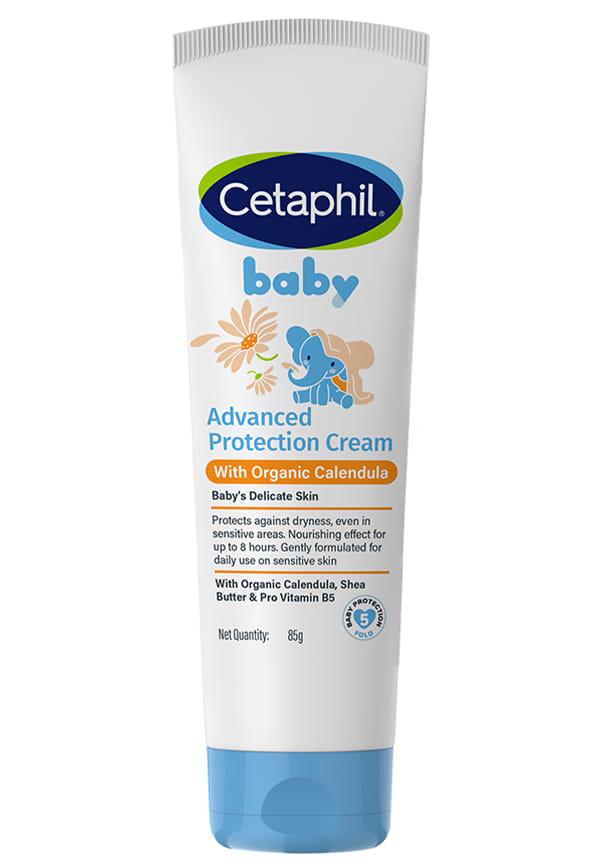
Baby Advanced Protection Cream With Organic Calendula
Fortunately, many effective skincare ingredients are perfectly safe during pregnancy, allowing you to maintain healthy, glowing skin throughout your pregnancy journey.
Niacinamide (vitamin B3) is a pregnancy skincare hero. It helps control oil production, reduces inflammation, and can help prevent melasma – all common pregnancy concerns. It's particularly beneficial in India's humid climate as it helps regulate sebum without over-drying. Vitamin C in forms like L-ascorbic acid or magnesium ascorbyl phosphate provides antioxidant protection and helps prevent hyperpigmentation. This is especially important during pregnancy when melanin production increases. Hyaluronic acid offers intense hydration without heaviness, perfect for pregnancy skin that may fluctuate between oily and dry. Glycerin and ceramides help maintain the skin barrier, which can become compromised during pregnancy.
Turmeric (curcumin) is a traditional Indian ingredient that's safe during pregnancy and offers anti-inflammatory benefits. However, use it sparingly to avoid staining. Aloe vera provides soothing relief for pregnancy-related skin sensitivity. Rose water offers gentle hydration and can help calm irritated skin. Coconut oil and other carrier oils like jojoba and sweet almond oil are safe moisturising options.
Mineral sunscreens containing zinc oxide or titanium dioxide are the safest options during pregnancy. These physical blockers sit on the skin's surface rather than being absorbed, making them ideal for pregnancy use. Look for broad-spectrum protection with at least SPF 30.
Creating an effective pregnancy-safe routine doesn't mean compromising on results. The key is choosing gentle, effective ingredients that work harmoniously with your changing skin.
Start with a gentle, pH-balanced cleanser that won't strip your skin's natural oils. Follow with a hydrating toner or essence to prep your skin for active ingredients. Apply a vitamin C serum to provide antioxidant protection against pollution and UV damage – particularly important in Indian cities. Layer a lightweight moisturiser suitable for your skin type, then finish with a mineral sunscreen of at least SPF 30.
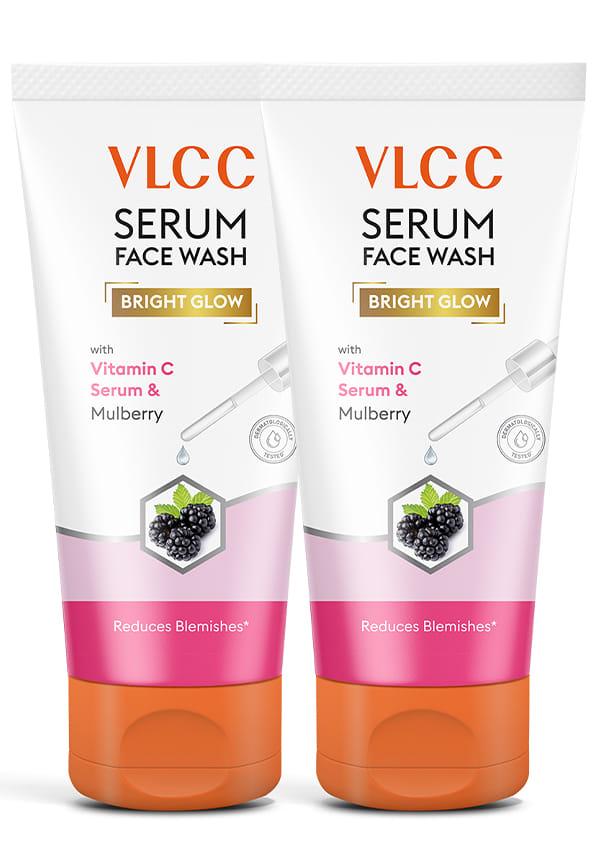
Bright Glow Serum Face Wash with Vitamin C Serum & Mulberry
Evening routines can be slightly more intensive. Start with double cleansing if you wear makeup or sunscreen – use an oil-based cleanser followed by your gentle morning cleanser. Apply a niacinamide serum to address pregnancy-related concerns like increased oil production or sensitivity. Follow with hydrating serums containing hyaluronic acid, then seal everything with a nourishing night moisturiser.
During monsoon season, focus on lightweight, quick-absorbing products to prevent fungal issues. Summer requires extra emphasis on sun protection and oil control, whilst winter months may need richer moisturisers, particularly in northern India.
Pregnancy brings unique skin challenges that require targeted, safe solutions. Understanding how to address these concerns without compromising safety is essential.
Bakuchiol, a plant-derived retinol alternative, offers similar benefits without the risks. Azelaic acid is another safe option that helps with both acne and hyperpigmentation. Gentle exfoliation with low-concentration lactic acid can help prevent clogged pores. For spot treatments, look for products containing tea tree oil in low concentrations or zinc oxide.
Vitamin C, niacinamide, and kojic acid (in low concentrations) can help prevent further darkening. However, the most crucial step is consistent sun protection. Melasma often worsens with sun exposure, making daily SPF non-negotiable. Traditional ingredients like licorice extract and mulberry extract offer gentle brightening effects. Remember, most melasma will fade naturally after pregnancy, so focus on prevention rather than aggressive treatment.
Whilst genetics play a major role in stretch mark development, keeping skin well-moisturised may help. Safe ingredients include shea butter, cocoa butter, and centella asiatica. Regular gentle massage with pregnancy-safe oils can improve circulation and skin elasticity. However, set realistic expectations – stretch marks are largely determined by genetics and rapid skin stretching.
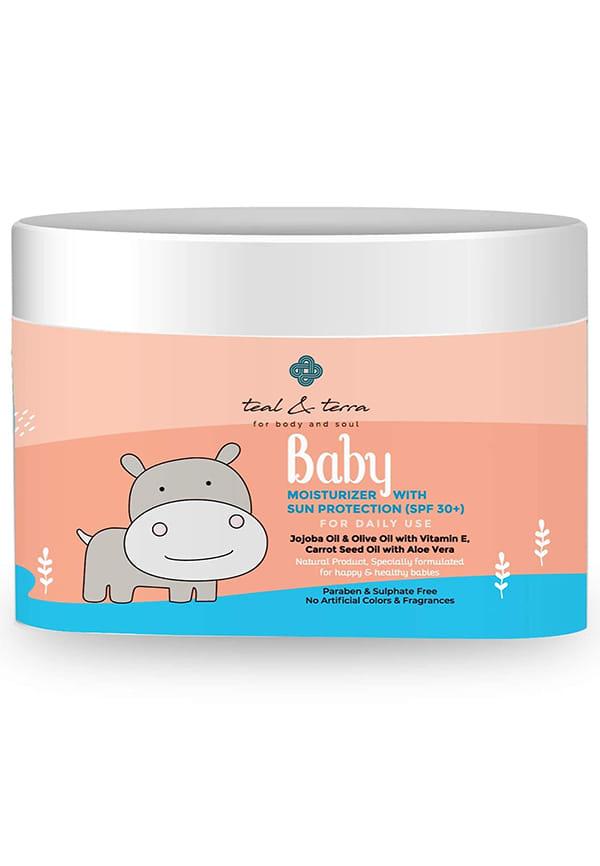
Baby Natural Moisturiser for Soft Baby Skin
Avoid retinoids (retinol, tretinoin, adapalene), hydroquinone, high-dose salicylic acid (above 2%), tetracyclines, formaldehyde, and certain chemical sunscreens like oxybenzone. Essential oils like rosemary and sage should also be avoided. Always check ingredient lists and consult your healthcare provider if unsure.
Focus on ingredient lists rather than specific brands. Look for products that avoid harmful ingredients and contain pregnancy-safe actives like niacinamide, vitamin C, and hyaluronic acid. Many Indian brands offer gentle, natural formulations, but always verify ingredients before use.
Yes, niacinamide is considered completely safe during pregnancy and breastfeeding. It's a form of vitamin B3 that helps control oil production, reduces inflammation, and can help prevent melasma – making it particularly beneficial for pregnancy skin concerns.
Safe alternatives include bakuchiol (a plant-based retinol alternative), vitamin C serums for antioxidant benefits, gentle AHAs like lactic acid in low concentrations, and niacinamide for skin renewal. These ingredients can help maintain skin health without the risks associated with retinoids.
Many natural ingredients are safe, but "natural" doesn't automatically mean pregnancy-safe. Some natural ingredients like certain essential oils and herbs should be avoided. Research each ingredient individually, and remember that traditional doesn't always mean safe for pregnancy.
Focus on gentle cleansing, adequate hydration, and diligent sun protection. Use mineral sunscreens, lightweight moisturisers that won't clog pores in humidity, and ingredients like niacinamide and vitamin C that work well in hot, humid conditions. Adjust your routine seasonally to account for monsoons and winter dryness.
Navigating skincare during pregnancy doesn't mean sacrificing healthy, glowing skin. By understanding which ingredients to avoid and embracing pregnancy-safe alternatives, you can maintain an effective routine that keeps both you and your baby safe. The key is making informed choices based on current safety guidelines whilst adapting to your skin's changing needs. Remember that pregnancy skin concerns like melasma and increased sensitivity are temporary for most women. Focus on gentle, consistent care rather than aggressive treatments. Your skin will thank you for the patience and care during this transformative time. For those looking to explore pregnancy-safe products without committing to full sizes, platforms like Smytten offer an excellent way to test formulations before investing in complete routines. With access to curated trial packs from trusted brands, you can discover what works best for your pregnancy skin safely and affordably. After all, finding the right products during pregnancy should be about confidence, not guesswork.
