Postpartum Skin Changes FAQ: Indian Women's Hormonal Effects Answered

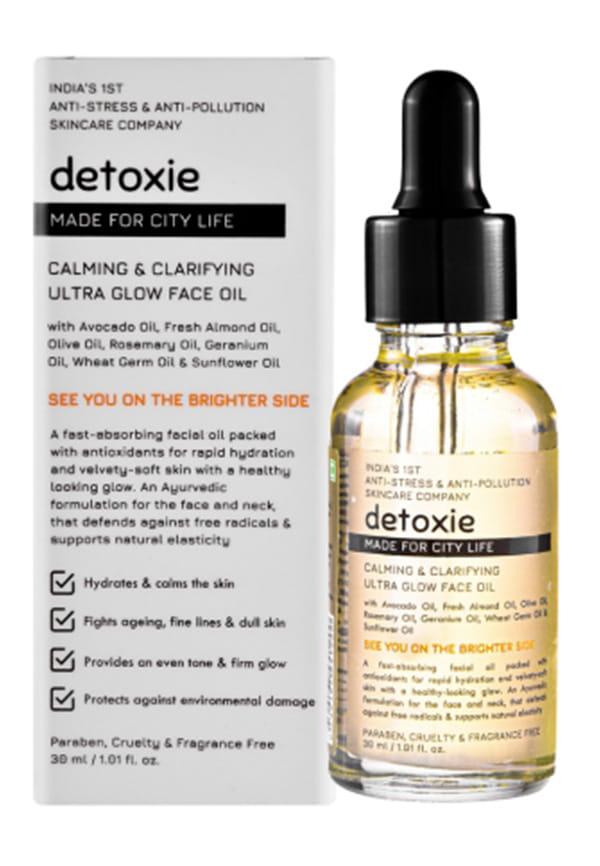
Calming & Clarifying Ultra Glow Face Oil
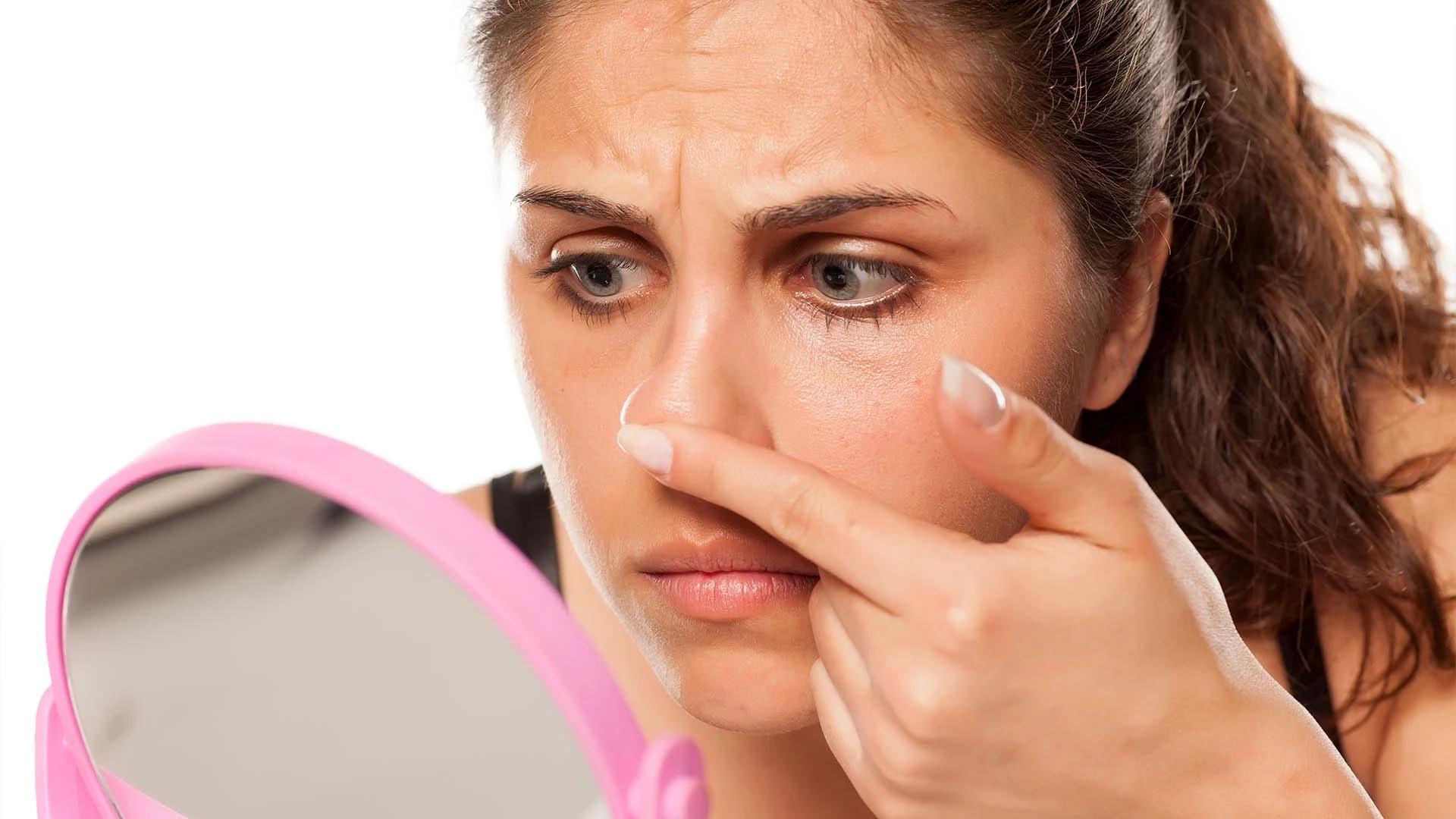
That first look in the mirror after bringing your baby home can feel overwhelming. Your skin might look different—perhaps more sensitive, darker in patches, or breaking out in ways it never did before. If you're wondering why your complexion seems to have a mind of its own postpartum, you're not alone. Hormonal changes after childbirth affect nearly every new mother, but Indian women often face unique challenges due to genetic predisposition to hyperpigmentation and our diverse climate conditions.
Your body goes through dramatic hormonal shifts after delivery that directly impact your skin's behaviour. During pregnancy, elevated oestrogen and progesterone levels often give you that coveted pregnancy glow. But once your baby arrives, these hormones plummet rapidly whilst prolactin (if you're breastfeeding) takes centre stage.
For Indian women, these hormonal fluctuations can be particularly challenging. Our genetic makeup often includes higher melanin production, which means we're more prone to postpartum skin pigmentation issues like melasma and dark spots. The combination of hormonal changes and our often intense sun exposure can create a perfect storm for skin concerns.
The timeline typically unfolds like this: immediate changes appear within days of delivery, peak around 3-6 months postpartum, and gradually stabilise over 6-12 months. However, if you're breastfeeding, this timeline extends significantly as your hormones remain in flux to support milk production.
Real talk—postpartum skin changes can feel frustrating, especially when you're already adjusting to life with a new baby. Understanding what's happening helps you respond appropriately rather than panic-buying products that might not suit your current skin needs.
Hormonal acne postpartum typically appears along your jawline, chin, and lower cheeks—areas rich in hormone receptors. Unlike teenage acne, these breakouts tend to be deeper, more cystic, and stubbornly persistent. Many new mothers notice their skin actually gets worse around 3-6 months after delivery, just when they expected things to settle down.
Melasma after pregnancy affects up to 70% of Indian women due to our higher melanin content. Those brown patches that appeared during pregnancy—often called the "mask of pregnancy"—may persist or even darken postpartum. Sun exposure, even brief amounts, can trigger further pigmentation, making daily SPF non-negotiable.
Postpartum dry skin and sensitivity occur because hormonal changes affect your skin barrier function. Your skin may react to products you've used for years, feel tight after cleansing, or develop unexpected irritation. This heightened sensitivity often surprises new mothers who had relatively stable skin before pregnancy.
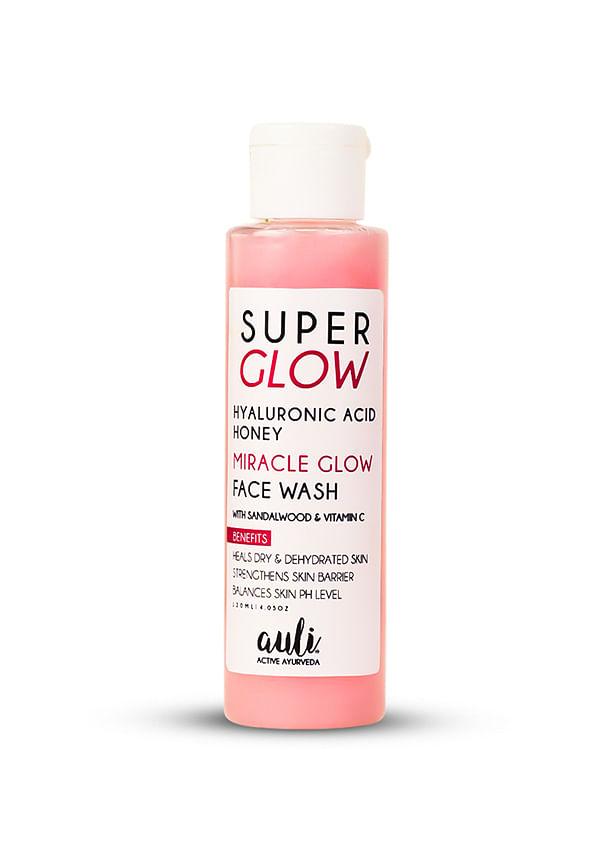
Hyaluronic Acid Nourishing Facewash - SUPER GLOW
Understanding the recovery timeline helps set realistic expectations for your pregnancy skin recovery journey. Every woman's experience differs, but here's what dermatologists typically observe:
0-3 months postpartum: This period brings the most dramatic changes as your hormones crash from pregnancy highs. Expect increased sensitivity, possible breakouts, and noticeable changes in skin texture. Your skin is essentially recalibrating.
3-6 months postpartum: Non-breastfeeding mothers often see gradual improvement as hormones begin stabilising. However, breastfeeding mothers may continue experiencing fluctuations tied to their milk production cycles.
6-12 months postpartum: Most skin concerns start resolving during this phase, though pigmentation issues may persist longer. Breastfeeding mothers typically see more significant improvements once they begin weaning.
12+ months postpartum: By this point, most hormonal skin changes have resolved. Persistent issues like deep melasma or ongoing acne may require professional intervention.
Creating an effective Indian women postpartum skincare routine requires balancing safety (especially if breastfeeding), efficacy, and practicality for your new lifestyle. The key is starting gentle and building up gradually.
Niacinamide emerges as a postpartum skincare hero—it's completely safe during breastfeeding whilst addressing multiple concerns including acne, pigmentation, and sensitivity. Vitamin C in stable forms like magnesium ascorbyl phosphate offers gentle brightening without irritation.
Gentle AHAs like lactic acid can help with texture issues, but start with low concentrations and observe how your skin responds. Avoid retinoids, hydroquinone, and high-strength acids whilst breastfeeding.
Indian weather demands specific considerations for postpartum skin. In humid climates like Mumbai or Chennai, lightweight, non-comedogenic formulations prevent clogged pores. Drier regions like Delhi require more intensive hydration, especially during winter months.
Your morning routine should prioritise SPF protection—choose broad-spectrum SPF 30 or higher with zinc oxide or titanium dioxide for sensitive postpartum skin. Evening routines can focus on gentle cleansing and barrier repair.
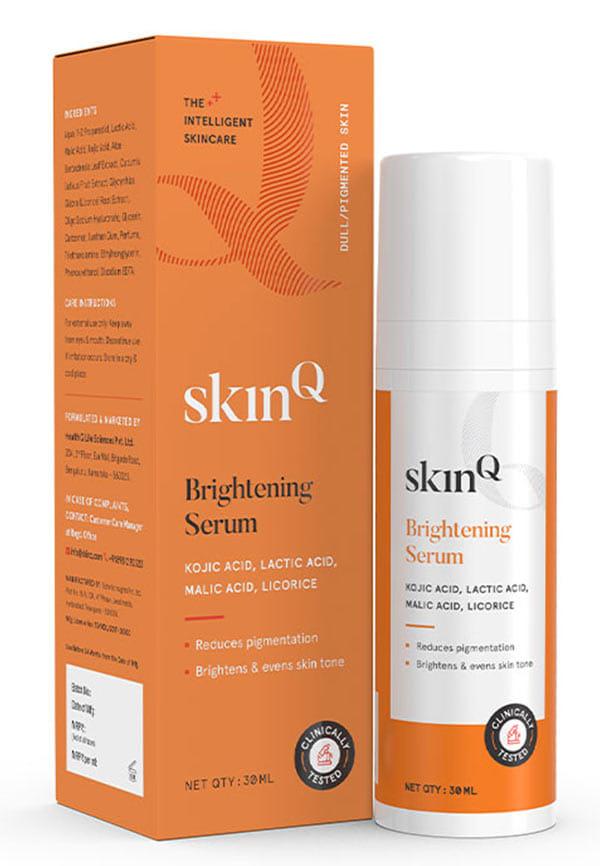
Brightening Serum for Glowing Skin
Targeted approaches work better than generic routines when dealing with specific hormone related skin problems postpartum. Here's how to address the most common concerns effectively.
Start with a gentle, non-stripping cleanser containing salicylic acid in low concentrations (0.5-1%). Follow with a niacinamide serum to control oil production and reduce inflammation. Spot treatments with benzoyl peroxide (2.5%) can target individual breakouts without over-drying your entire face.
Consistent sun protection forms the foundation of any pigmentation treatment. Layer a vitamin C serum under your SPF each morning, and consider gentle chemical exfoliation 2-3 times weekly with lactic acid. Kojic acid and arbutin offer additional brightening benefits suitable for Indian skin tones.
Compromised skin barriers need gentle rebuilding. Look for products containing ceramides, hyaluronic acid, and peptides. Apply hydrating toners on damp skin, follow with a barrier-repairing serum, and seal everything with an appropriate moisturiser for your skin type.
Many Indian families have traditional postpartum skincare practices passed down through generations. While some ingredients like turmeric and sandalwood offer genuine benefits, others may be too harsh for sensitive postpartum skin.
The 40-day confinement period often limits sun exposure, which actually benefits pigmentation recovery. However, completely avoiding skincare during this time isn't necessary—gentle cleansing and moisturising support your skin's recovery process.
Balance family advice with dermatological evidence. If relatives suggest harsh scrubs or strong home remedies, explain that your skin needs gentleness during this transitional period.
Most postpartum skin changes improve within 6-12 months as hormones stabilise. However, some changes like melasma may take longer to fade, especially in Indian women due to higher melanin production. Consistent skincare and sun protection significantly improve outcomes.
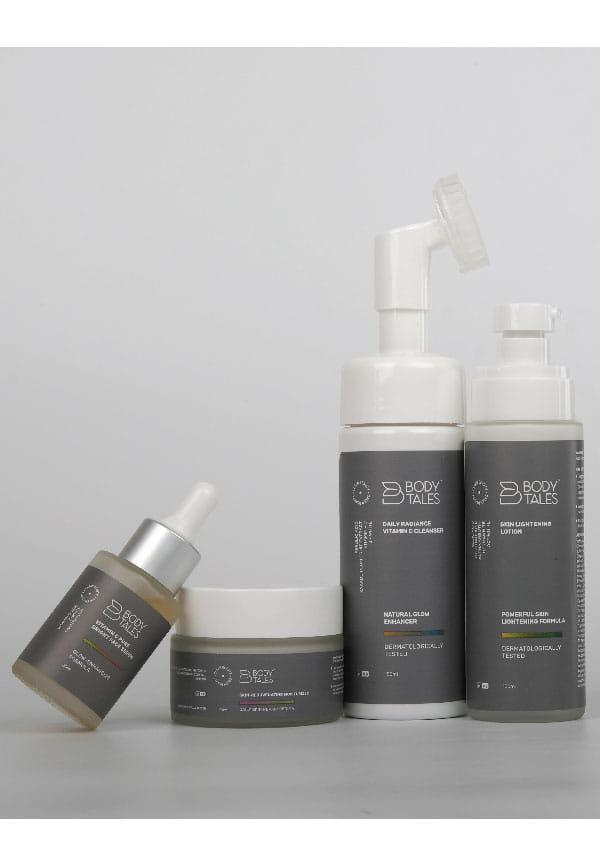
Vitamin C Pure Bright Serum & Daily Radiance Vitamin C Cleanser & Skin-Rejuvenating Moisturizer & Skin Lightening Lotion
Hormone levels typically stabilise within 3-6 months for non-breastfeeding mothers, but can take up to 12 months for breastfeeding mothers. Each feeding session triggers hormonal fluctuations, which explains why skin issues may persist longer whilst breastfeeding.
Hormonal fluctuations affect skin barrier function, making skin more reactive to products and environmental factors. Your skin's pH balance, oil production, and cellular turnover all shift postpartum, creating temporary sensitivity that usually resolves as hormones stabilise.
Consistent sun protection forms the most crucial prevention strategy. Use broad-spectrum SPF 30+ daily, seek shade during peak hours, and wear protective clothing. Gentle brightening ingredients like vitamin C and niacinamide can help prevent further pigmentation whilst being safe for breastfeeding.
Consult a dermatologist if acne becomes severe or cystic, pigmentation worsens despite sun protection, skin issues persist beyond 12 months postpartum, or you experience severe sensitivity that interferes with daily life. Early intervention often leads to better outcomes.
Topical retinoids aren't recommended during breastfeeding due to potential absorption into breast milk. Safe alternatives include bakuchiol, peptides, and gentle AHAs, which offer similar benefits without safety concerns for nursing mothers.
Pregnancy and postpartum hormonal changes can trigger acne even in women who never experienced breakouts. The dramatic shift in oestrogen, progesterone, and androgens affects sebum production and pore behaviour, creating new skin challenges that typically resolve as hormones stabilise.
Postpartum skin changes feel overwhelming when you're already adjusting to motherhood, but understanding the science behind these changes helps you respond appropriately. Your skin's current state isn't permanent—it's transitional, responding to the remarkable hormonal journey your body has undertaken.
The key lies in patience, gentle care, and realistic expectations. Focus on supporting your skin barrier, protecting against sun damage, and using safe, effective ingredients that address your specific concerns. Remember that every woman's recovery timeline differs, and what works for others may not suit your unique skin needs.
Building a sustainable routine matters more than using expensive products. Simple, consistent care often delivers better results than complicated regimens you can't maintain with a new baby. Smytten's curated selection includes gentle, effective options from trusted brands, making it easier to find products that work for your postpartum skin without the guesswork of full-size commitments.
