Post Inflammatory Hyperpigmentation FAQ: Causes & Fading

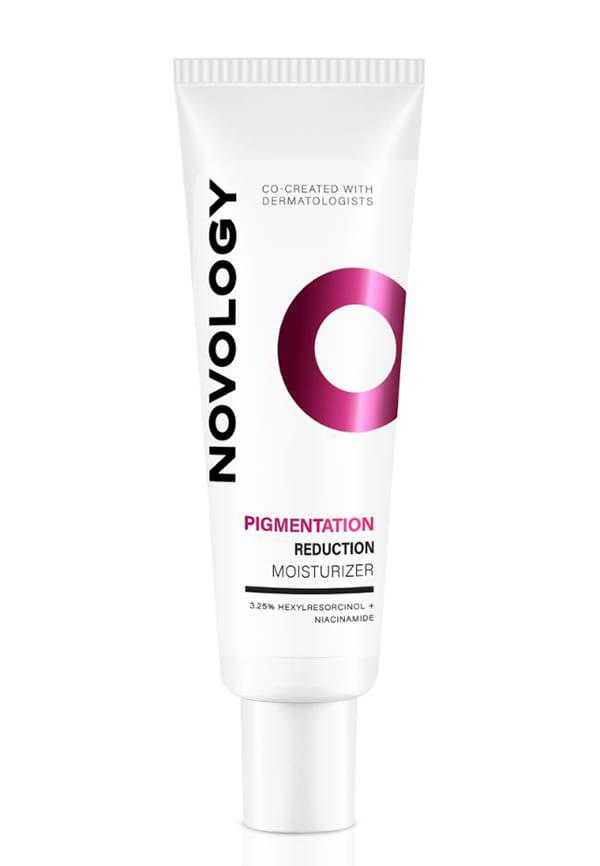
Pigmentation Moisturiser, Face Cream for Hyperpigmentation & Dark Spots
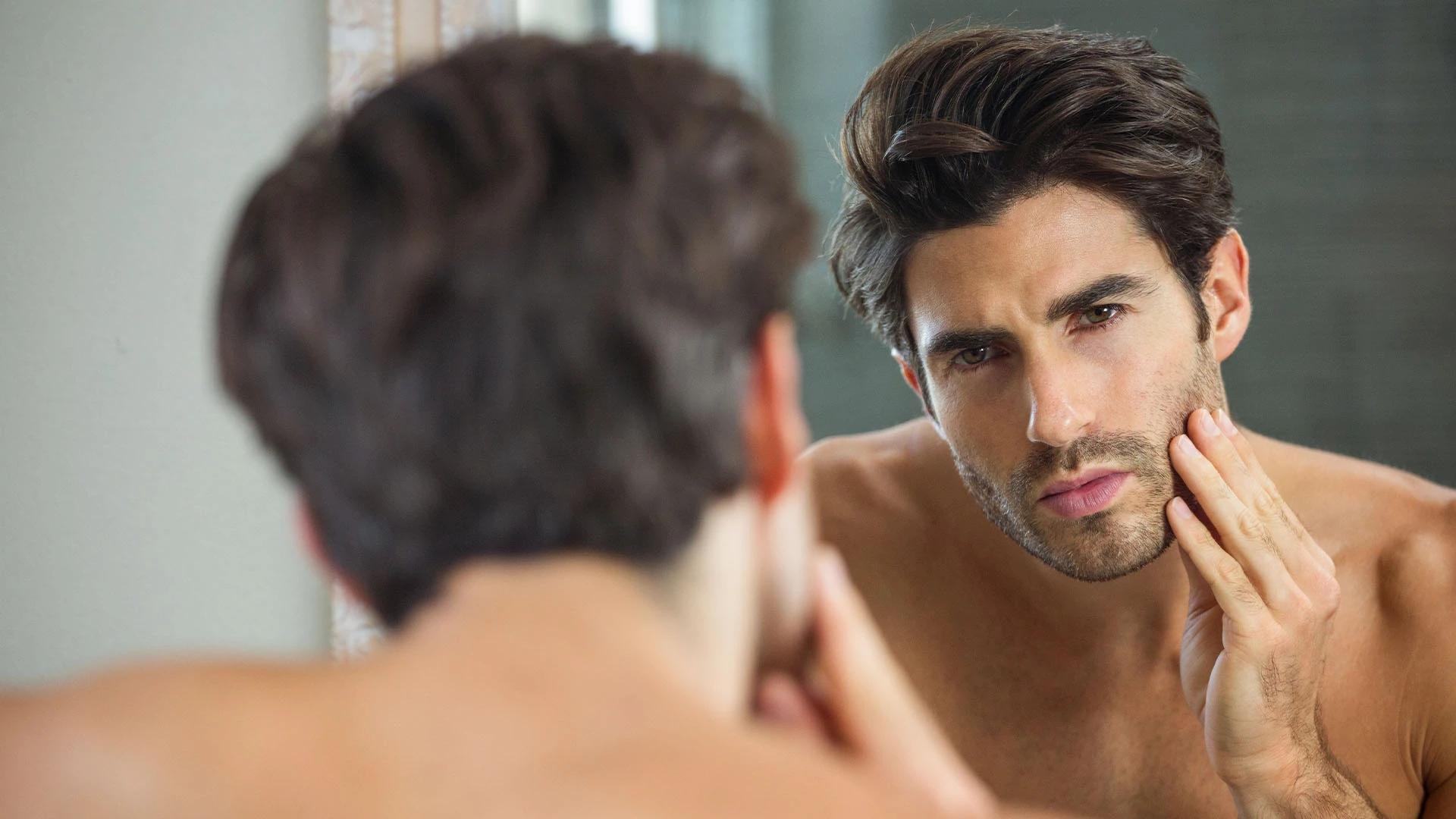
That stubborn dark spot where your last breakout was? The one that's been hanging around for months, refusing to budge despite your best skincare efforts? You're looking at post inflammatory hyperpigmentation, and you're definitely not alone. These persistent marks can feel more frustrating than the original blemish, especially when you're not sure if they'll ever properly fade. Understanding what's happening beneath your skin's surface is the first step to addressing these unwelcome reminders of past inflammation.
Post inflammatory hyperpigmentation occurs when your skin produces excess melanin in response to injury or inflammation. Think of it as your skin's overzealous healing response - whilst trying to repair damaged tissue, melanocyte cells go into overdrive, depositing extra pigment in the affected area. This creates those telltale dark patches that can range from light brown to deep black, depending on your natural skin tone and the severity of the original inflammation.
Unlike melasma, which is primarily hormone-driven, or age spots caused by cumulative sun damage, PIH is directly linked to a specific inflammatory event. The key difference lies in the trigger: whilst other forms of hyperpigmentation develop gradually over time, PIH appears exactly where inflammation occurred, creating a clear map of your skin's healing history.
The most common culprit behind PIH is acne, particularly inflammatory types like cystic breakouts or deep papules. However, any form of skin trauma can trigger this response. Eczema flare-ups, psoriasis patches, cuts from shaving, burns from hot styling tools, or even aggressive scrubbing can all lead to skin discoloration. Insect bites, allergic reactions, and contact dermatitis also frequently leave behind these persistent marks.
Your skin's inflammatory response doesn't discriminate - whether the trigger is a hormonal breakout before your period or an accidental scratch, the melanin production process remains the same. The intensity and duration of the inflammation typically correlate with how pronounced the resulting dark spots become.
Not all PIH is created equal, and understanding the depth of your pigmentation can help set realistic expectations for fading time. The location of excess melanin within your skin's layers determines both appearance and treatment response.
Epidermal PIH sits in the top layer of your skin and typically appears as brown or black spots with well-defined borders. These marks tend to be more responsive to topical treatments because the pigment is closer to the surface. Dermal PIH, on the other hand, involves pigment deposited deeper in the skin, often appearing blue-grey or ashy, particularly on darker skin tones.
You can sometimes distinguish between the two by observing how the marks look under different lighting conditions. Epidermal pigmentation becomes more pronounced under UV light, whilst dermal pigmentation may appear more prominent under regular indoor lighting.
Melanin-rich skin produces more dramatic PIH responses, making dark spots on skin particularly challenging for those with deeper skin tones. Fitzpatrick skin types IV-VI are at higher risk for developing pronounced PIH, and the marks often take longer to fade naturally. However, this doesn't mean lighter skin tones are immune - they simply tend to develop less intense pigmentation that may fade more quickly.
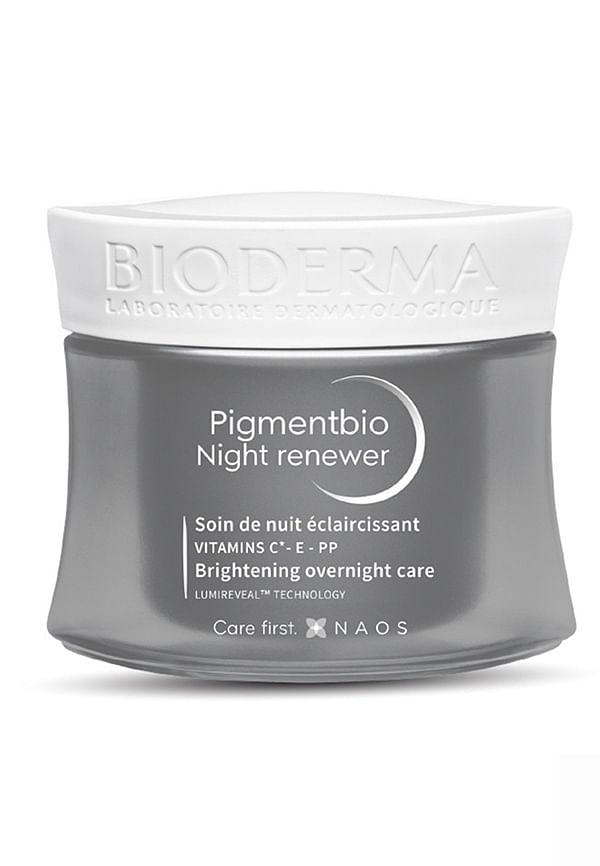
Pigmentbio Night Renewer Brightening Overnight Cream for Dark Spots, Sensitive Skin
The question everyone wants answered: how long will these marks actually take to disappear? The timeline varies dramatically based on several factors, but understanding the general progression can help manage expectations and treatment planning.
Epidermal PIH typically begins showing improvement within 6-12 months through natural skin cell turnover. Your skin naturally sheds and regenerates approximately every 28 days, gradually bringing pigmented cells to the surface where they're eventually sloughed off. However, this process slows with age, meaning PIH may linger longer as you get older.
Dermal PIH presents a more challenging timeline, often requiring 1-5 years to fade significantly, and some cases may never completely resolve without professional intervention. The deeper location of the pigment means it's less accessible to natural exfoliation processes and topical treatments.
Your skin's natural healing capacity plays a crucial role in PIH resolution. Younger skin with faster cell turnover typically sees quicker improvement, whilst mature skin may require more patience and targeted intervention. Sun exposure significantly slows the fading process - UV rays stimulate melanin production, essentially feeding the very pigmentation you're trying to eliminate.
The severity and duration of the original inflammation also impact fading time. A minor scratch might leave a mark that disappears within months, whilst a deep cystic breakout could create pigmentation that persists for years. Overall skin health, including hydration levels, barrier function, and inflammatory status, all influence how efficiently your skin can process and eliminate excess pigment.
Whilst patience is essential when dealing with PIH, targeted treatments can significantly accelerate the fading process and prevent new marks from forming. The key is choosing ingredients and methods appropriate for your skin type and pigmentation depth.
Vitamin C serums work as powerful antioxidants whilst inhibiting tyrosinase, the enzyme responsible for melanin production. Look for stable forms like magnesium ascorbyl phosphate or sodium ascorbyl phosphate, which are less likely to irritate sensitive skin. Niacinamide offers a gentler approach, reducing inflammation whilst gradually lightening existing pigmentation.
Retinoids accelerate cell turnover, bringing pigmented cells to the surface more quickly whilst preventing new pigmentation from forming. Start with lower concentrations to avoid irritation, which could potentially worsen PIH. Alpha hydroxy acids like glycolic and lactic acid provide chemical exfoliation, helping to remove pigmented surface cells whilst improving overall skin texture.
Hydroquinone remains the gold standard for pigmentation treatment, though it requires careful use and professional guidance. Kojic acid and arbutin offer natural alternatives with similar melanin-inhibiting properties but gentler profiles suitable for long-term use.
Chemical peels can dramatically accelerate PIH fading by removing multiple layers of pigmented skin in controlled sessions. Glycolic, lactic, and TCA peels are commonly used, with depth and frequency adjusted based on skin type and pigmentation severity. Laser treatments like IPL and fractional lasers target pigment directly whilst stimulating collagen production for overall skin improvement.
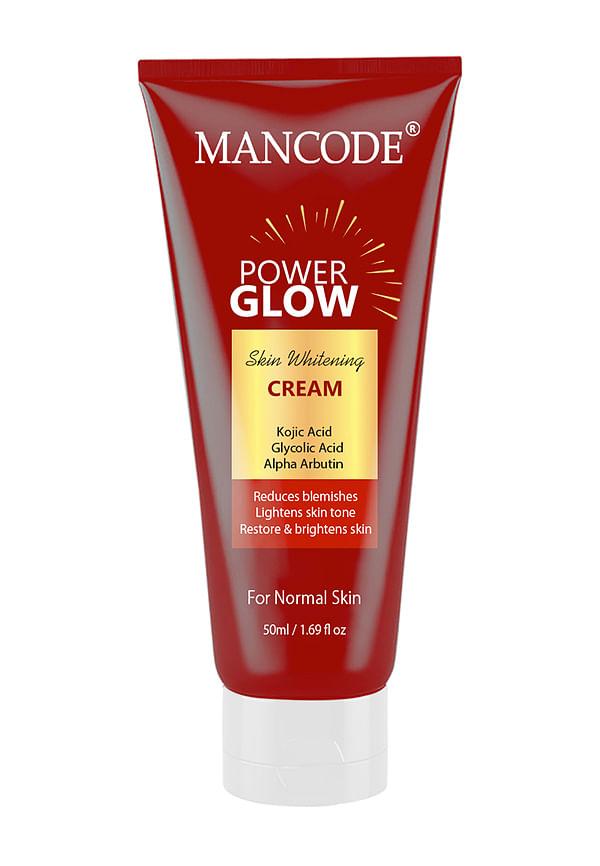
Power Glow Skin Whitening Cream Reduces Dark Spots
Microneedling creates controlled micro-injuries that stimulate healing responses whilst improving product penetration. When combined with pigment-targeting serums, this treatment can significantly enhance results compared to topical treatments alone.
Preventing PIH is infinitely easier than treating existing pigmentation. The foundation of prevention lies in protecting your skin from inflammation and supporting its natural healing processes.
Daily SPF application is crucial, even on cloudy days or when staying indoors near windows. UV exposure not only slows existing PIH fading but can also darken current marks and trigger new pigmentation. Choose broad-spectrum protection with at least SPF 30, and reapply every two hours during extended sun exposure.
Physical sunscreens containing zinc oxide or titanium dioxide are often better tolerated by sensitive or inflamed skin compared to chemical formulations. Consider tinted options that provide additional coverage for existing dark spots whilst protecting against further damage.
Resist the urge to pick, squeeze, or aggressively treat active breakouts. These actions increase inflammation and virtually guarantee PIH development. Instead, focus on gentle, anti-inflammatory skincare that supports healing without causing additional trauma.
Ingredients like centella asiatica, green tea extract, and ceramides help calm inflammation whilst supporting barrier repair. When dealing with active acne, opt for spot treatments rather than harsh, all-over applications that might irritate healthy skin.
Managing expectations is crucial for successful PIH treatment. Understanding the typical progression helps prevent frustration and treatment abandonment during the slower phases of improvement.
Initial treatment response varies, but most people begin noticing subtle changes around the 6-8 week mark. Marks may appear slightly lighter or less defined around the edges. Some treatments can cause temporary darkening before improvement begins - this is normal and typically resolves within 4-6 weeks.
Consistency is key during this phase. Skipping treatments or switching products too frequently can reset progress and delay results. Document your skin with regular photos in consistent lighting to track subtle changes that might not be immediately obvious.
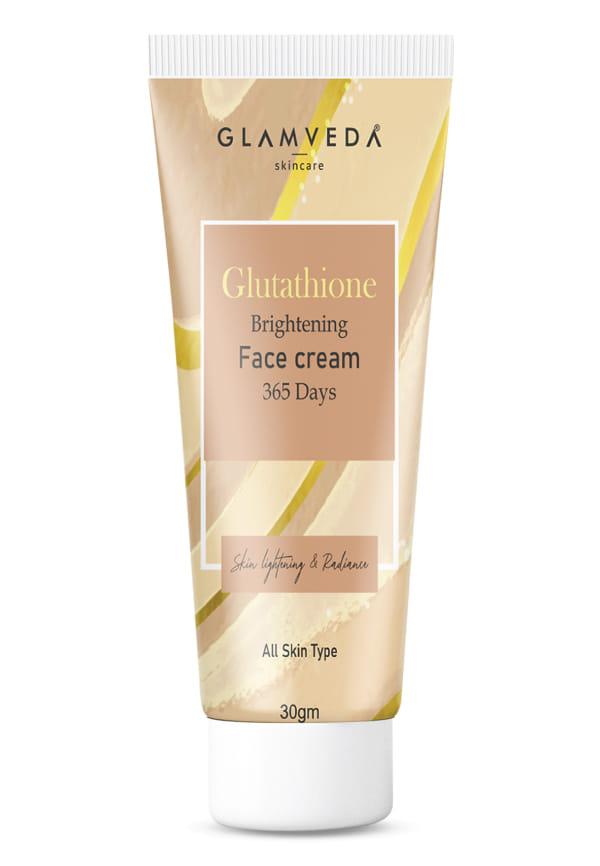
Glutathione Brightening Face Cream Reduce Dark spots & Age spots with Vitamin C
Significant improvement typically becomes apparent between 6-12 months of consistent treatment. Epidermal PIH may fade by 70-90% during this timeframe, whilst dermal pigmentation might show 30-50% improvement. Complete resolution isn't always possible, particularly for deeper pigmentation, but substantial improvement is achievable for most people.
Maintenance treatments help prevent new PIH formation whilst supporting continued improvement of existing marks. This might involve ongoing use of gentle exfoliating acids, regular vitamin C application, and consistent sun protection.
Epidermal PIH is rarely permanent and typically responds well to treatment within 6-18 months. Dermal PIH can be more persistent, with some cases requiring professional intervention or showing only partial improvement. However, even stubborn pigmentation usually lightens significantly with appropriate treatment, though complete resolution may not always be achievable.
Combining multiple treatment approaches often yields faster results than single-ingredient treatments. Professional procedures like chemical peels or laser treatments can accelerate fading, but should be performed by qualified practitioners to avoid worsening pigmentation. Consistent daily care with proven ingredients like vitamin C, retinoids, and AHAs provides the foundation for optimal results.
Successfully treated PIH doesn't typically return unless new inflammation occurs in the same area. However, ongoing sun protection and gentle skincare practices are essential to prevent new PIH formation. People prone to inflammatory skin conditions may develop new marks over time, making prevention strategies particularly important.
Many PIH treatments are safe for all skin tones when used appropriately, but darker skin requires extra caution to avoid treatment-induced hyperpigmentation. Lower concentrations, gradual introduction, and professional guidance are recommended. Certain treatments like aggressive chemical peels or high-intensity lasers may carry higher risks for darker skin and should only be performed by experienced practitioners.
Understanding post inflammatory hyperpigmentation empowers you to make informed decisions about treatment and set realistic expectations for improvement. Whilst PIH can be frustrating, particularly when it lingers for months or years, effective treatments exist for virtually every skin type and pigmentation depth.
The key to successful PIH management lies in patience, consistency, and choosing appropriate treatments for your specific situation. Whether you opt for gentle at-home care or professional interventions, remember that improvement takes time, and protecting your skin from further inflammation remains your most powerful tool for prevention.
For those exploring new skincare ingredients and treatments, Smytten's curated selection includes products from trusted brands that many users have found helpful for addressing uneven skin tone and skin discoloration. The platform's trial-sized options let you test different approaches before committing to full-size products, which can be particularly valuable when building a PIH treatment routine that works for your unique skin needs.
