Post-Inflammatory Erythema vs Hyperpigmentation FAQ


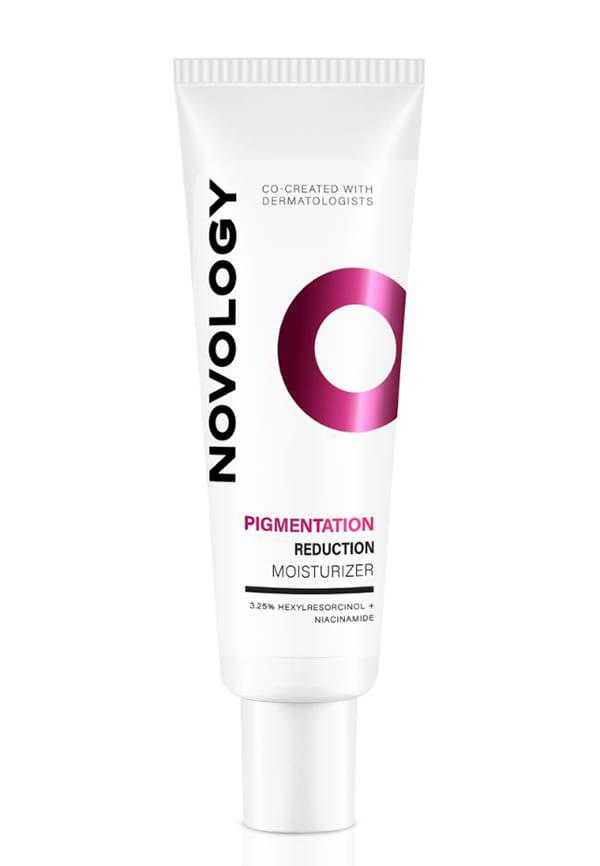
Pigmentation Moisturiser, Face Cream for Hyperpigmentation & Dark Spots
You've noticed those stubborn marks left behind after a breakout finally clears, but you're not quite sure what you're dealing with. Are they red and angry-looking, or more brown and shadowy? The truth is, not all post-acne marks are created equal, and understanding the difference between post-inflammatory erythema and post-inflammatory hyperpigmentation is the first step to treating them properly. These two conditions might look similar at first glance, but they have completely different causes and require different approaches to fade effectively.
When your skin experiences inflammation from acne, picking, burns, or even aggressive skincare treatments, it doesn't just heal and forget. Your skin has a memory, and that memory often shows up as skin discoloration that can linger for months or even years after the original inflammation has settled. The process starts deep within your skin's layers. When inflammation occurs, your body launches a complex healing response that can sometimes go a bit overboard. Think of it like your skin's alarm system getting stuck in the 'on' position even after the danger has passed. This overactive response can affect either your blood vessels or your melanin-producing cells, leading to two distinct types of marks. Post-inflammatory erythema happens when tiny blood vessels near the skin's surface become damaged or dilated during the healing process. Meanwhile, post-inflammatory hyperpigmentation occurs when your melanocytes (the cells that produce skin pigment) go into overdrive, pumping out excess melanin in response to inflammation. Both are completely normal responses to skin trauma, but they require different treatment strategies to fade effectively.
If you're dealing with red marks on skin that seem to glow pink or purple under certain lighting, you're likely looking at post-inflammatory erythema. These marks are essentially tiny damaged blood vessels sitting close to your skin's surface, which is why they appear red or pink rather than brown.
PIE develops when inflammation damages the delicate capillaries in your skin's upper layers. During a breakout, the inflammatory response can cause these tiny blood vessels to dilate, break, or become permanently enlarged. Unlike active inflammation, which comes with heat, swelling, and tenderness, PIE marks are simply the aftermath - damaged vascular tissue that hasn't quite figured out how to repair itself properly. This type of skin discoloration is particularly common after cystic acne or any deep, inflamed breakouts. The more severe the original inflammation, the more likely you are to develop PIE. It's also worth noting that picking or squeezing spots significantly increases your risk of developing these persistent red marks.
PIE marks have some telltale characteristics that make them relatively easy to identify. They appear as flat, red, pink, or sometimes purple marks that don't raise above the skin's surface. You'll typically find them on areas prone to acne - your face, chest, and back - and they're often more noticeable on lighter skin tones, though they can affect anyone. One of the most reliable ways to identify PIE is the glass test. Simply press a clear piece of glass or plastic against the mark. If it disappears or significantly fades under pressure, you're dealing with PIE. This happens because you're temporarily compressing the damaged blood vessels, cutting off their visibility. The mark will return as soon as you remove the pressure.
Dark spots on skin that range from light brown to deep grey or black are typically signs of post-inflammatory hyperpigmentation. Unlike PIE, these marks are caused by excess melanin production rather than vascular damage, which is why they appear as pigmented spots rather than red marks.
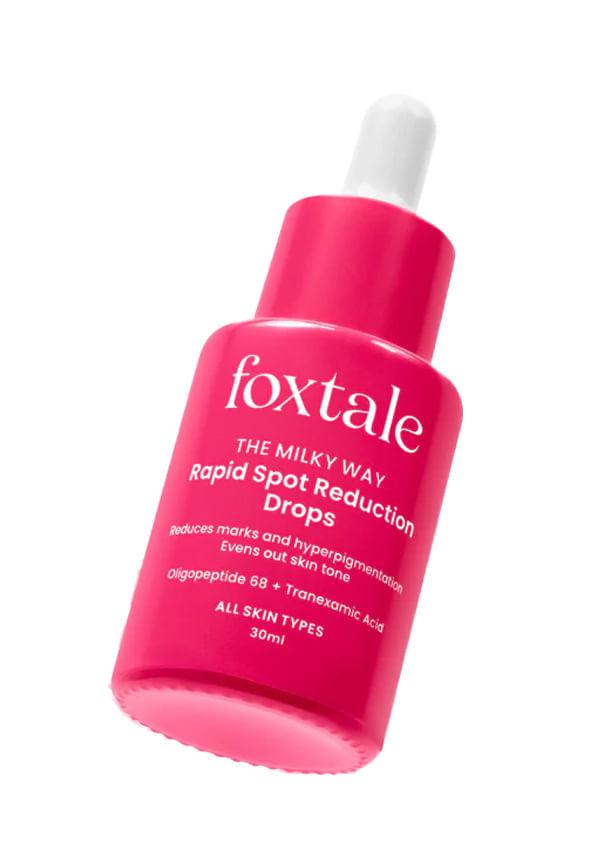
3% Tranexamic Acid & Peptide Serum for Hyperpigmentation, Reduces Marks
When your skin experiences inflammation, it triggers a cascade of cellular responses designed to protect and heal the area. Unfortunately, this process can sometimes signal your melanocytes to produce extra melanin as a protective measure. Think of it as your skin trying to create its own natural sunscreen in response to trauma. This excess melanin gets deposited in the skin layers, creating the brown or grey patches we recognise as hyperpigmentation. The deeper the original inflammation penetrated into your skin, the more melanin tends to be produced, and the darker and more persistent the resulting PIH becomes.
PIH appears as flat, brown, grey, or sometimes almost black marks that can vary significantly in size and shape. Unlike PIE, these marks don't respond to the glass test - they remain fully visible under pressure because they're caused by actual pigment deposits rather than blood vessel issues. These dark spots on skin are more commonly seen in people with medium to darker skin tones, as these skin types naturally produce more melanin. However, anyone can develop PIH, and it's particularly common in areas that see frequent sun exposure, as UV light can worsen and darken existing hyperpigmentation.
Understanding whether you're dealing with PIE or PIH is crucial because the treatments that work brilliantly for one condition might be completely ineffective for the other. The good news is that there are several reliable ways to tell them apart.
The most obvious difference is colour. PIE presents as red, pink, or purple marks, while PIH appears brown, grey, or black. PIE is caused by damaged blood vessels, whilst PIH results from excess melanin production. PIE tends to be more visible on lighter skin tones, while PIH is more common and noticeable on medium to darker skin. The glass test is your best friend for diagnosis. PIE marks will blanch (disappear or fade significantly) when you press clear glass against them, while PIH marks remain unchanged. This simple test can save you months of using the wrong treatments.
While self-assessment can be quite accurate, a dermatologist can provide definitive diagnosis using specialised tools like dermoscopy or Wood's lamp examination. They can also identify cases where you might have both PIE and PIH simultaneously, which is more common than you might think. Photography can be incredibly helpful for tracking your progress over time. Take consistent photos in the same lighting conditions every few weeks to monitor how your marks are responding to treatment.
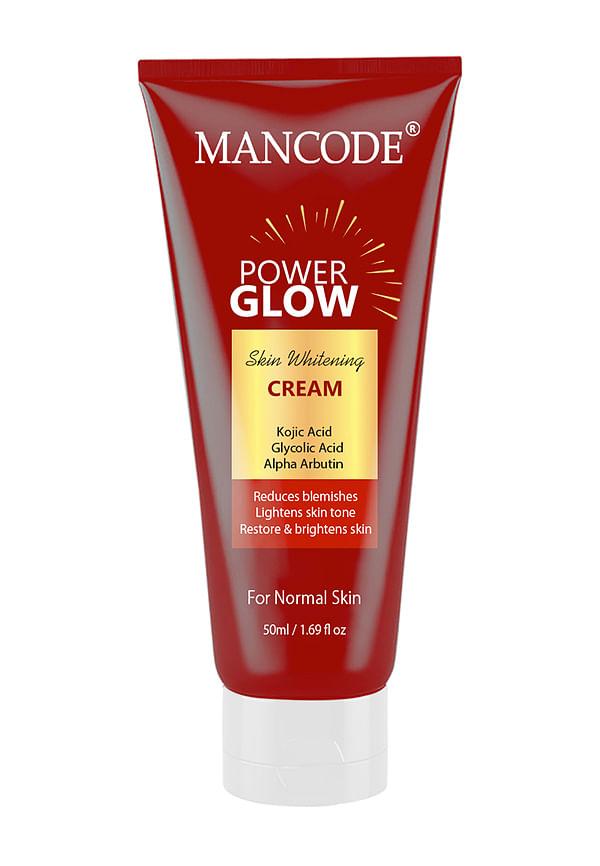
Power Glow Skin Whitening Cream Reduces Dark Spots
Once you've identified what type of marks you're dealing with, you can choose treatments that actually target the underlying cause. This is where understanding the difference becomes crucial - using PIH treatments on PIE (or vice versa) often leads to frustration and wasted time.
Erythema treatment focuses on encouraging proper blood vessel healing and reducing inflammation. Niacinamide is particularly effective for PIE, as it helps strengthen capillary walls and reduce redness. Look for serums containing 5-10% niacinamide for best results. Azelaic acid is another excellent option for PIE, offering both anti-inflammatory and gentle exfoliating properties. It's particularly good for sensitive skin that might react poorly to stronger treatments. Professional treatments like pulsed dye laser or intense pulsed light (IPL) can be highly effective for stubborn PIE, as they specifically target the damaged blood vessels. Microneedling can also help by encouraging proper healing and collagen production.
Hyperpigmentation treatment focuses on inhibiting melanin production and encouraging cellular turnover to fade existing pigment deposits. Vitamin C serums containing L-ascorbic acid or magnesium ascorbyl phosphate can help brighten PIH over time while providing antioxidant protection. Alpha arbutin is a gentle but effective melanin inhibitor that works well for sensitive skin. It's often combined with other brightening ingredients for enhanced results. Retinoids, whether over-the-counter retinol or prescription tretinoin, accelerate cellular turnover to help fade pigmentation more quickly. Chemical peels containing glycolic acid, lactic acid, or kojic acid can provide more dramatic results for stubborn PIH, though they should be introduced gradually to avoid irritation.
Regardless of whether you're treating PIE or PIH, daily SPF is absolutely non-negotiable. UV exposure can worsen both conditions and significantly slow healing. Choose a broad-spectrum SPF 30 or higher and reapply throughout the day, especially if you're using active ingredients that can increase photosensitivity.
Preventing post-inflammatory discoloration is always easier than treating it after the fact. The key is addressing inflammation quickly and gently, avoiding trauma to the skin, and maintaining a consistent routine that supports healthy healing. Treat active breakouts promptly with appropriate acne treatments, but avoid over-drying or irritating products that can worsen inflammation. Never pick, squeeze, or aggressively scrub inflamed skin, as this almost guarantees some form of post-inflammatory marking. Building an anti-inflammatory skincare routine with ingredients like niacinamide, ceramides, and gentle peptides can help your skin heal more effectively and reduce the likelihood of persistent marks.
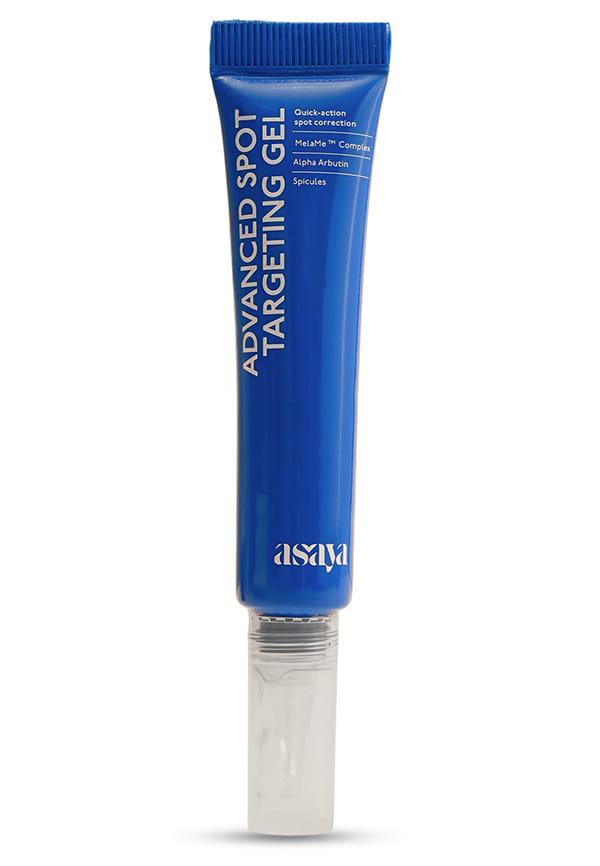
Advanced Dark Spot Targeting Gel
PIE is not permanent, though it can take 6-12 months to fade naturally without treatment. The good news is that PIE generally responds well to targeted treatments and often fades more quickly than PIH. Factors like your age, overall skin health, and the severity of the original inflammation all affect how quickly PIE resolves.
If your PIE isn't improving after several months of consistent treatment, you might need to reassess your approach. Sometimes what appears to be stubborn PIE is actually a combination of PIE and PIH, requiring different treatment strategies. Continued sun exposure, ongoing inflammation, or using inappropriate treatments can also slow healing significantly.
Absolutely. It's quite common to have both vascular damage and excess pigmentation from the same inflammatory event. This mixed presentation requires a combination approach, often starting with treating the PIE component before focusing on the PIH, as active inflammation can worsen hyperpigmentation.
Yes, acne scars involve actual textural changes to the skin - either raised (hypertrophic) or depressed (atrophic) areas where the skin's structure has been permanently altered. PIE and PIH are purely colour changes without textural differences. However, you can certainly have both scarring and discoloration from the same breakout.
PIE typically shows improvement within 3-6 months of consistent treatment, while PIH can take 6-12 months or longer to fade significantly. The timeline depends on factors like your skin tone, the depth of the original inflammation, your treatment approach, and how well you protect your skin from further damage.
Understanding the difference between post-inflammatory erythema and hyperpigmentation empowers you to choose treatments that actually work for your specific skin concerns. Remember that patience is key - both conditions take time to improve, and consistency with your chosen treatments is more important than constantly switching products. If you're curious about trying different treatments but hesitant to commit to full-size products, platforms like Smytten offer an excellent way to test various serums and treatments from trusted brands before making larger investments. With over 28 million users discovering products through trial sizes, it's become a popular way to find what truly works for your skin without the guesswork. Your skin's healing journey is unique, and what works brilliantly for one person might not be the right fit for you. Whether you're dealing with stubborn red marks, persistent dark spots, or a combination of both, the right approach combined with patience and consistency will help you achieve the clearer, more even-toned skin you're working towards.
