Pimple Marks Removal Cream: Your Complete Guide

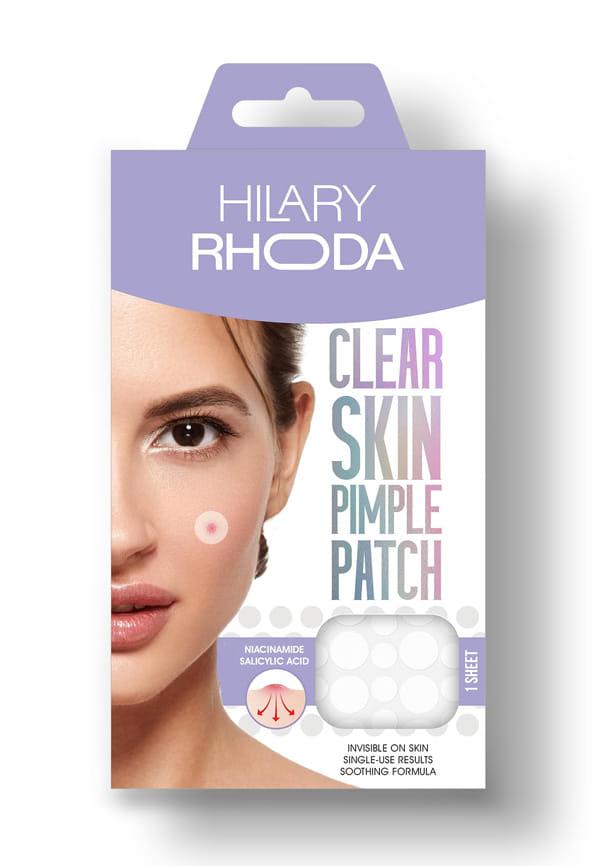
Clear Skin Pimple Patch
Expensive, Low Quantity
 5
5“so expensive price k according quantity km h.”
Dealing with pimple marks can feel like a never-ending battle, especially when you've finally conquered the breakouts but are left with stubborn reminders. Whether you're staring at dark spots, red marks, or textured patches, finding the right pimple marks removal cream can make all the difference. Let's be real—those marks have overstayed their welcome, and it's time to show them the door. The good news? With the right approach and ingredients, you can fade these pesky reminders and get back to feeling confident in your skin. This guide breaks down everything you need to know about choosing and using treatments that actually work.
Before diving into treatments, it's worth knowing what you're actually dealing with. Not all post-acne marks are created equal, and understanding the difference can save you time, money, and frustration when choosing the right pimple marks removal cream.
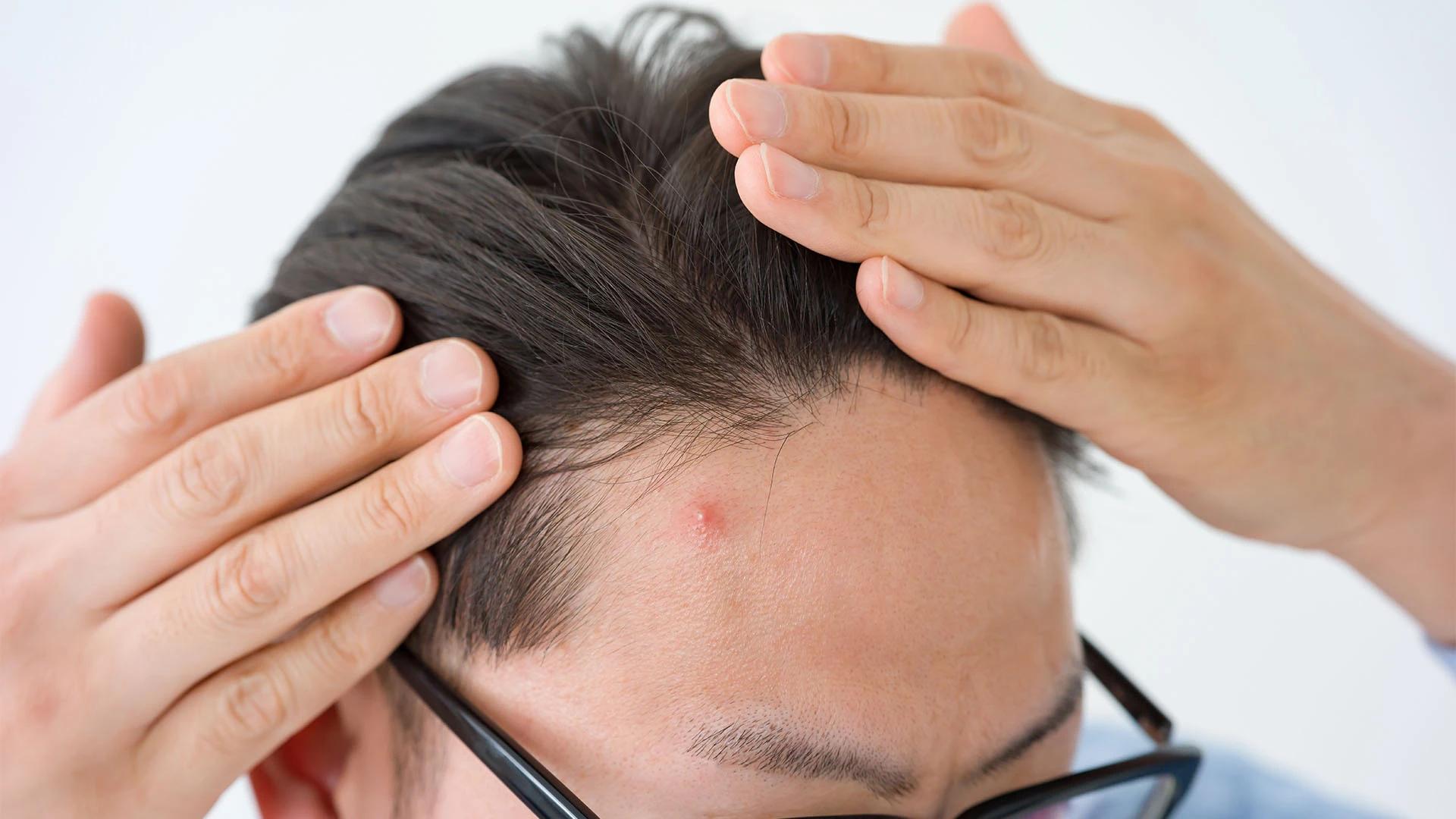
Post-inflammatory hyperpigmentation (PIH) shows up as dark brown or black spots, especially on deeper skin tones. These are flat marks that occur when your skin produces excess melanin during the healing process. Post-inflammatory erythema (PIE) appears as red or pink marks, more common on lighter skin tones, caused by dilated capillaries beneath the skin's surface.
True acne scars are different beasts altogether. These create actual changes in skin texture—think ice pick scars, rolling scars, or boxcar scars. While acne scar treatment creams can help improve their appearance, deeper scars often need professional intervention for significant results.
The timeline for natural fading varies dramatically. PIH marks might fade on their own over 6-12 months, whilst PIE can take even longer. True textural scars rarely improve without targeted treatment. That's where the right cream comes in—speeding up the process and delivering more dramatic results than time alone.
Understanding how these treatments work helps you choose better and set realistic expectations. Most effective skin repair creams work through one or more mechanisms: accelerating cell turnover, inhibiting melanin production, or promoting collagen synthesis.
Retinoids are the gold standard for speeding up cell turnover. They push newer, unmarked skin cells to the surface whilst encouraging the shedding of pigmented cells. This process typically takes 4-6 weeks to show visible results, with continued improvement over months.
Retinol and adapalene are your best mates for cell renewal. Start slow—every other night initially—to build tolerance. These ingredients can cause initial dryness and peeling, but that's often a sign they're working.
Alpha hydroxy acids (AHAs) like glycolic and lactic acid gently exfoliate the skin's surface. They're particularly effective for PIH marks and can be gentler than retinoids for sensitive skin types.
Vitamin C serves double duty as a dark spot corrector and collagen booster. Look for stable forms like magnesium ascorbyl phosphate or sodium ascorbyl phosphate, especially if you have sensitive skin.
Niacinamide reduces inflammation and helps regulate melanin production. It's well-tolerated by most skin types and plays nicely with other active ingredients.
For those seeking alternatives to hydroquinone, kojic acid, arbutin, and liquorice root extract offer gentler hyperpigmentation cream options with fewer side effects.
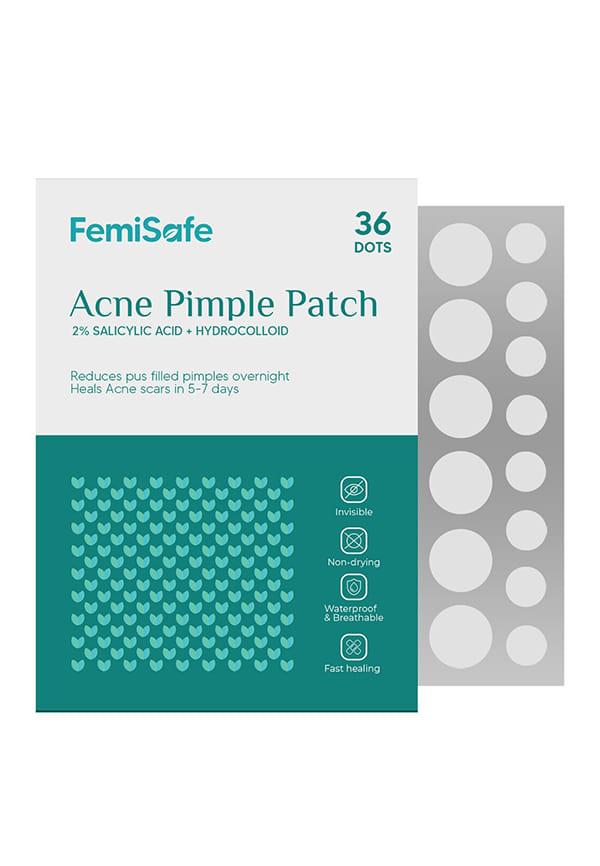
Acne Pimple Patch
Your skin type significantly influences which face scar cream will work best. Getting this match right can mean the difference between clear skin and additional irritation.
Oily skin types can typically handle stronger actives and should look for non-comedogenic formulations. Gel-based or lightweight lotion textures work best. You can often start with higher concentrations of retinoids or AHAs without as much irritation.
Dry skin needs extra hydration during treatment. Look for creams that combine actives with hyaluronic acid, ceramides, or peptides. Start with lower concentrations and gradually increase as your skin adapts.
Sensitive skin requires a gentler approach. Niacinamide-based formulations or low-concentration vitamin C serums are often better starting points than retinoids or strong acids.
Combination skin might benefit from targeted application—using stronger treatments on oily areas and gentler formulations on drier zones.
Skin tone also matters when choosing treatments. Deeper skin tones are more prone to PIH and should be extra cautious with aggressive treatments that might cause additional pigmentation. Always patch test new products and introduce them slowly.
When it comes to effective acne mark fading, clinical evidence matters more than marketing claims. Over-the-counter options can be surprisingly effective when used consistently and correctly.
Retinol-based treatments consistently rank highest in dermatologist recommendations. They address multiple concerns simultaneously—texture, pigmentation, and prevention of future breakouts. The key is finding the right concentration for your skin's tolerance level.
Vitamin C serums with concentrations between 10-20% show significant results in clinical studies. They're particularly effective for PIH marks and work well in morning routines when paired with proper sun protection.
Multi-step systems that combine different actives often deliver superior results to single-ingredient products. However, they require more commitment and careful introduction to avoid irritation.
Professional treatments like chemical peels, microneedling, or laser therapy can deliver faster, more dramatic results than any skin brightening cream. However, they're not always necessary, especially for newer or lighter marks.
At-home treatments excel in maintenance and gradual improvement. They're more budget-friendly and allow you to control the intensity and frequency of treatment. The trade-off is patience—results take longer but are often more sustainable.
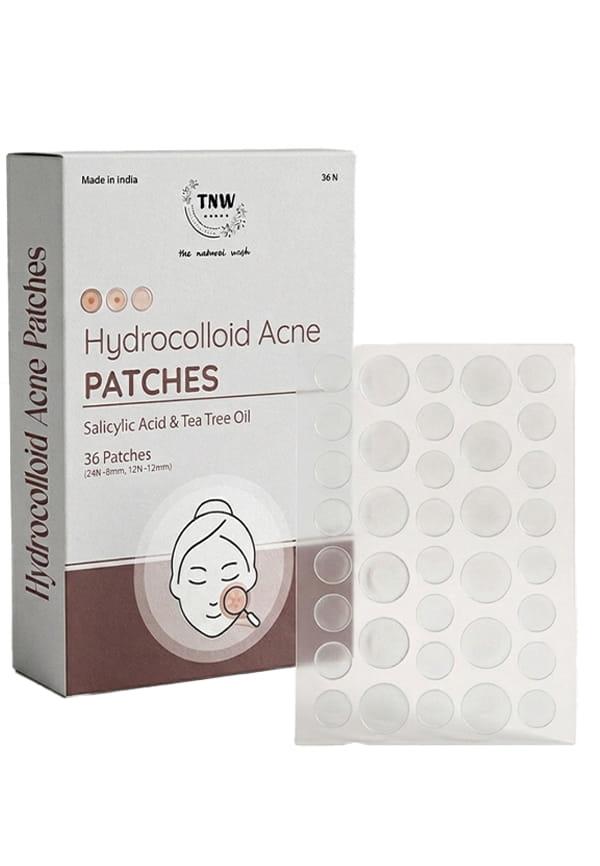
Pimple Patches
Excellent Product, Highly Recommended
5“I really liked this product. The quality is amazing, it looks beautiful, feels premium, and works perfectly. Definitely a great purchase and worth the money. Highly recommended!”
Combining professional treatments with consistent at-home care typically delivers the best long-term results. Professional treatments can jumpstart the process, whilst daily creams maintain and continue the improvement.
Proper application can make or break your results with any blemish removal cream. Start by cleansing your skin thoroughly, then apply treatments to completely dry skin unless otherwise specified.
For retinoid-based products, use a pea-sized amount for your entire face. Apply 20-30 minutes after cleansing to reduce irritation risk. Always follow with a moisturiser to maintain your skin barrier.
Vitamin C products work best in the morning, applied to clean skin before moisturiser and sunscreen. AHAs and BHAs are typically better for evening use due to increased photosensitivity.
Realistic timeline expectations are crucial for success. Most people see initial improvements around 4-6 weeks, with significant results appearing after 8-12 weeks of consistent use. Document your progress with photos taken in consistent lighting—changes happen gradually and can be easy to miss day-to-day.
Layer products from thinnest to thickest consistency. Serums go first, followed by treatments, then moisturisers. Always finish morning routines with broad-spectrum SPF 30 or higher.
The biggest mistake people make with acne scar treatment is going too hard, too fast. Starting with daily application of strong actives often leads to irritation, redness, and sometimes additional pigmentation—the opposite of what you want.
Sun protection isn't optional when using active ingredients. Many treatments increase photosensitivity, making your skin more prone to damage and additional pigmentation. Skipping sunscreen can actually worsen existing marks and create new ones.
Mixing incompatible ingredients can neutralise effectiveness or cause irritation. Avoid combining retinoids with vitamin C in the same routine, and be cautious about layering multiple acids.
Understanding the difference between purging and adverse reactions is crucial. Purging typically occurs in areas where you normally break out and should improve within 4-6 weeks. Reactions can happen anywhere and often worsen over time.
Discontinue use if you experience severe burning, persistent redness, or worsening pigmentation. Sometimes less is more, and scaling back intensity can still deliver results without the drama.
Discovering the right treatment for your skin doesn't have to involve expensive full-size commitments. Platforms like Smytten make it possible to try different formulations through curated trial packs from trusted brands, helping you find what works before investing in full sizes.
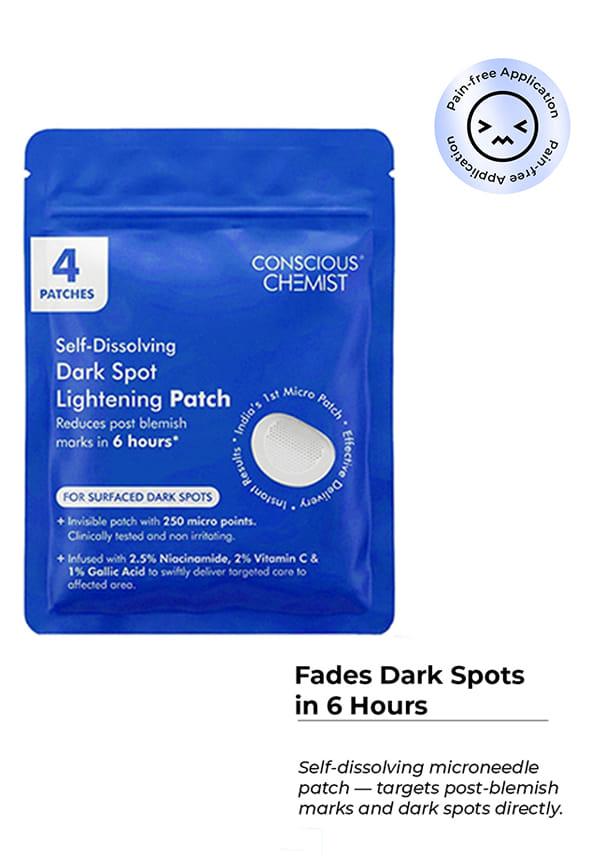
Self-Dissolving dark Spot Lightening Patch
Look for creams containing retinol, vitamin C, niacinamide, or AHAs like glycolic acid. Retinol-based treatments are often most effective for both texture and pigmentation issues. Start with lower concentrations and gradually increase as your skin adapts. Always choose non-comedogenic formulations to avoid clogging pores.
Consistency is key—use your chosen treatment daily as directed, protect your skin with SPF during the day, and be patient. Most effective approaches combine active ingredients with proper skincare basics. Results typically appear after 4-6 weeks of consistent use, with continued improvement over months.
Creams can significantly improve the appearance of pigmentation marks and mild textural changes, but deep acne scars often require professional treatments like chemical peels or laser therapy. Realistic expectations are important—most people see 50-80% improvement with consistent topical treatment.
At-home creams offer gradual, sustainable improvement at a lower cost but require patience and consistency. Professional treatments deliver faster, more dramatic results but cost more and may require downtime. Many people find combining both approaches gives the best long-term results.
Initial improvements typically appear after 4-6 weeks of consistent use, with significant results visible after 8-12 weeks. Newer marks often fade faster than older ones. PIE marks may take longer to improve than PIH marks. Patience and consistency are crucial for success.
Common side effects include initial dryness, peeling, and mild irritation, especially with retinoid-based products. These usually improve as your skin adapts. More serious reactions like severe burning or worsening pigmentation require discontinuing use and potentially consulting a dermatologist.
Finding the right pimple marks removal cream is often a journey of trial and discovery. What works brilliantly for your mate might not suit your skin, and that's completely normal. The key is understanding your skin type, starting slowly with proven ingredients, and maintaining realistic expectations about timelines.
Remember that consistency trumps intensity every time. A gentle routine used daily will deliver better results than aggressive treatments used sporadically. Sun protection isn't negotiable—it's the foundation that makes everything else work better.
With over 1,500 trusted skincare brands available through platforms like Smytten, you can explore different formulations through trial-sized products before committing to full sizes. This approach lets you discover what truly works for your skin without the financial risk of purchasing products that might not suit you. After all, why settle for maybe when you can try it all and find your perfect match?
