Pigmentation Under Armpits FAQ: Causes & Solutions

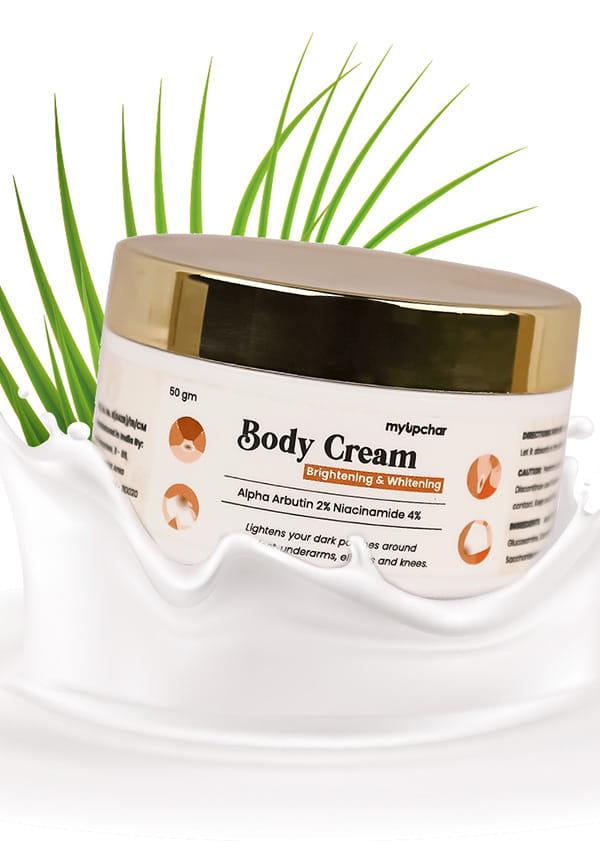
Brightening & Whitening Body Cream | For Dark Patches on Elbows, Neck, Underarms, Knees
Let's be real—pigmentation under armpits is way more common than you think. If you've noticed darker patches under your arms and wondered what's going on, you're definitely not alone. This kind of underarm discoloration affects loads of people, and honestly, it's nothing to stress about. Whether it's from friction, hormones, or just your skin doing its own thing, there are plenty of ways to understand and tackle dark armpits. Ready to get some proper answers?
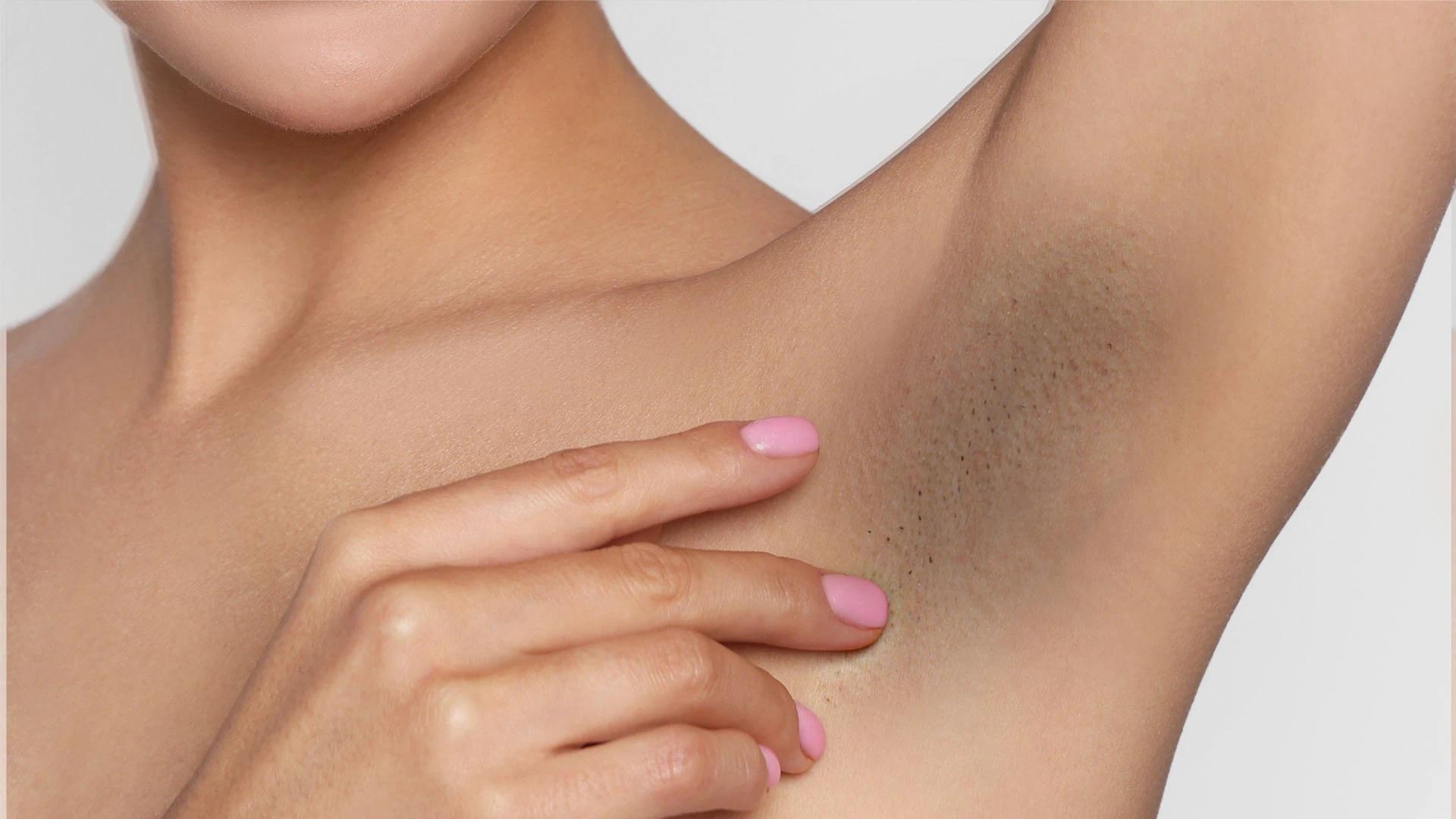
Underarm pigmentation is basically when the skin under your arms becomes darker than the surrounding areas. It's not a disease or anything scary—just a change in your skin's colour that can happen for loads of different reasons.
This type of armpit skin darkening usually shows up as brown, grey, or black patches. Sometimes it's patchy, other times it covers the whole area evenly. The texture might feel a bit thicker or velvety compared to your normal skin.
Most people who experience this are totally healthy. It's super common in people with darker skin tones, but it can happen to anyone. The good news? It's usually harmless and often treatable. The key is figuring out what's causing it in the first place.
Understanding what's behind your hyperpigmentation armpits is the first step to sorting it out. Here are the most common culprits that might be causing your underarm discoloration.
Your daily routine might be the biggest factor here. Tight clothes, especially synthetic fabrics, create constant friction against your underarm skin. Over time, this rubbing triggers your skin to produce more melanin as a protective response.
Shaving and waxing can also contribute to this. The repeated trauma from razors or harsh hair removal methods can lead to post-inflammatory hyperpigmentation. Even your workout gear might be part of the problem if it's too tight or made from rough materials.
This sounds fancy, but it's basically a skin condition that causes dark, velvety patches. It's often linked to insulin resistance, which can happen with diabetes or PCOS. If you've got hormonal imbalances or metabolic issues, this might be what's going on.
Weight can play a role too. Higher body weight sometimes correlates with insulin resistance, which can trigger this type of pigmentation. It's not about blame—it's just how some bodies respond to certain conditions.
Your deodorant or antiperspirant might be the culprit. Aluminium-based products can sometimes cause irritation, especially if you have sensitive skin. Fragrances and other harsh chemicals in these products can also trigger darkening over time.
If you've recently switched products and noticed changes, that's probably your answer. Even products you've used for ages can suddenly start causing problems as your skin changes.
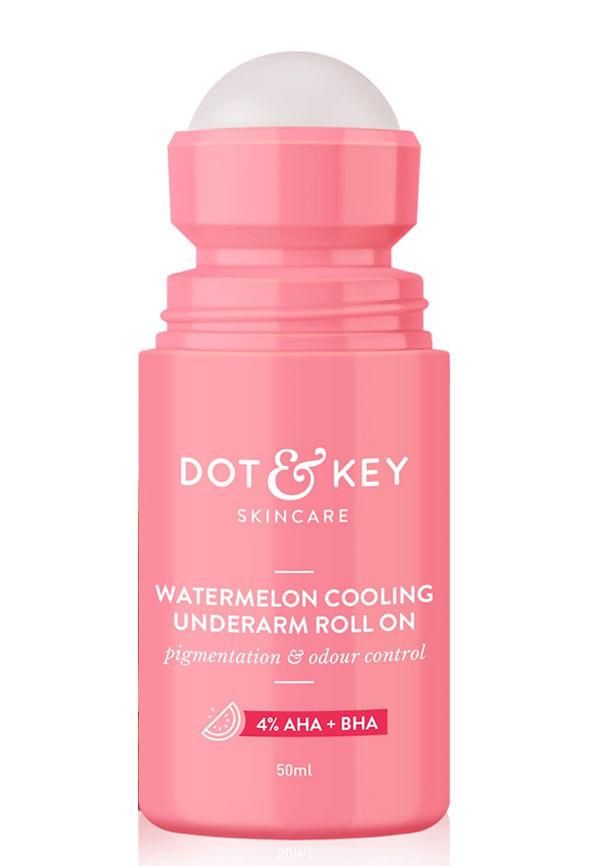
Watermelon Cooling Underarm Roll On
Sometimes it's as simple as not exfoliating enough. Dead skin cells can accumulate in the underarm area, making it look darker than it actually is. This is especially common if you have naturally dry skin or don't include your underarms in your skincare routine.
Now for the good stuff—what you can actually do about it. There are loads of options for armpit whitening, from simple at-home tweaks to professional treatments.
Start with gentle exfoliation. Use a mild scrub or a chemical exfoliant with ingredients like glycolic acid or lactic acid. These help remove dead skin cells and encourage cell turnover without being too harsh.
Look for products with brightening ingredients like niacinamide, kojic acid, or vitamin C. These can help even out your skin tone over time. Apply them consistently—we're talking weeks or months, not days.
Switch up your hair removal method too. Try using an electric trimmer instead of shaving, or consider laser hair removal if it's in your budget. Less irritation means less chance of pigmentation getting worse.
If home remedies aren't cutting it, a dermatologist can offer stronger solutions. Chemical peels designed for hyperpigmentation can be really effective, though they'll cost anywhere from ₹2,000 to ₹8,000 per session.
Laser treatments are another option, especially for stubborn cases. These target the pigmented cells directly and can give faster results. Prescription creams with hydroquinone or tretinoin might also be recommended, depending on your specific situation.
If you're more into the DIY approach, there are some natural remedies for dark underarms that actually have some science behind them. Just remember—natural doesn't always mean gentle, so patch test everything first.
Aloe vera is brilliant for soothing irritated skin and has mild brightening properties. Apply fresh gel directly to clean underarms and leave it on for 15-20 minutes before rinsing.
Licorice root extract contains glabridin, which can help inhibit melanin production. You can find this in some natural skincare products or make a paste with licorice powder and water.
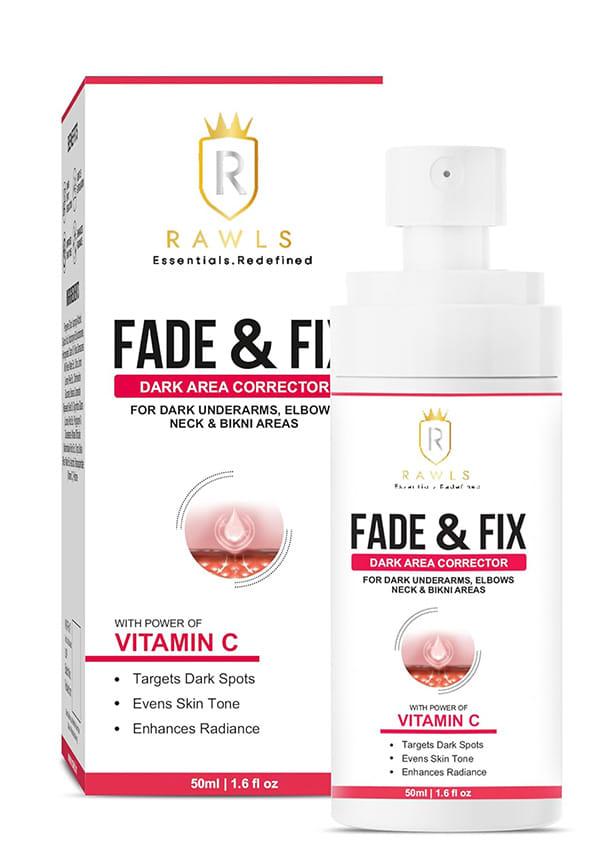
Fade & Fix - Vitamin C Dark Area Corrector and Removal for Dark Underarms & Knee
Green tea has antioxidants that can help with inflammation and potentially lighten pigmentation. Brew a strong cup, let it cool, and use it as a rinse or apply with a cotton pad.
Please skip the lemon juice and baking soda hacks you see online. Lemon can actually make pigmentation worse by causing photosensitivity, and baking soda is way too harsh for delicate underarm skin.
Other dodgy DIY treatments include using bleach, hydrogen peroxide, or any abrasive scrubs. These can damage your skin barrier and make the problem worse, not better.
The best treatment is prevention, right? Here's how to stop armpit skin darkening from happening in the first place or getting worse.
Choose loose-fitting clothes made from breathable fabrics like cotton. Synthetic materials and tight fits create more friction and trap moisture, which can worsen pigmentation.
Be gentle with your underarm area. Use a sharp, clean razor if you shave, and always use shaving cream or gel. Consider switching to an electric trimmer or exploring laser hair removal options.
Pick your products carefully. Look for aluminium-free deodorants if you suspect your current one is causing issues. Fragrance-free options are often gentler too.
Keep the area clean and dry, but don't over-wash. Once or twice a day with a gentle cleanser is plenty. Pat dry instead of rubbing with your towel.
Most underarm pigmentation is harmless, but there are times when you should definitely chat with a healthcare professional about what's going on.
If the darkening appeared suddenly or is spreading rapidly, that's worth checking out. Same goes if you're experiencing other symptoms like itching, pain, or unusual odours.
Since some types of pigmentation can be linked to underlying health conditions like diabetes or hormonal imbalances, it's smart to mention it during your next check-up. Your doctor might want to run some tests just to rule things out.
If you've tried various treatments for several months without any improvement, a dermatologist can offer stronger options and make sure there's nothing else going on.
Finding the right products to address uneven skin tone armpits can feel overwhelming with so many options available. That's where platforms like Smytten come in handy—you can try mini versions of different brightening serums, gentle exfoliants, and soothing treatments before committing to full sizes. With over 1,500 trusted brands including skincare favourites like Cetaphil and Dot & Key, you can explore what works for your specific skin needs without the guesswork.
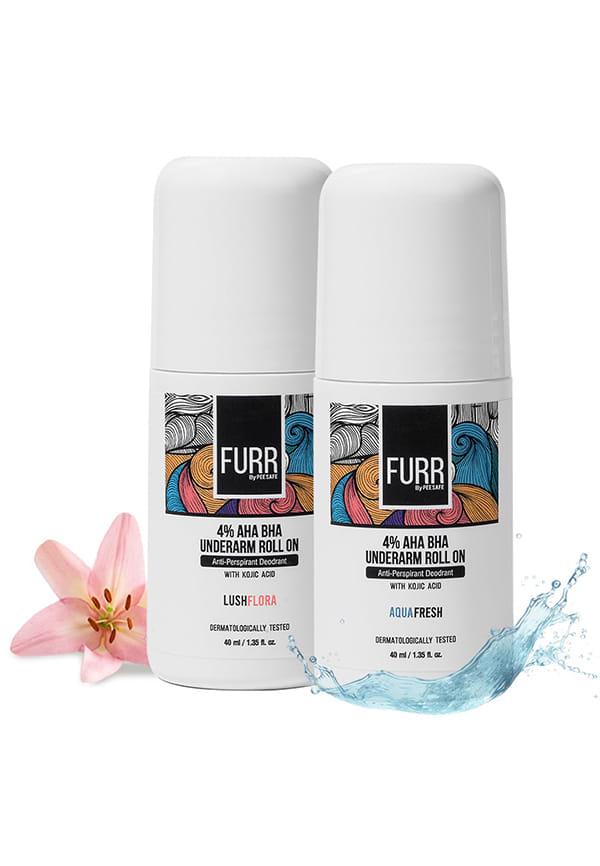
4% AHA BHA Underarm Roll On with Kojic Acid - Flora & Aqua
Not usually! Most cases of pigmentation under armpits can be improved with the right approach. It might take several months of consistent treatment, but many people see significant lightening over time. The key is patience and finding what works for your specific situation.
Dark armpits can sometimes be linked to insulin resistance, which is associated with diabetes, but they don't automatically mean you have diabetes. Loads of other factors can cause underarm darkening. If you're concerned, it's worth mentioning to your doctor during a routine check-up.
Yes, PCOS can contribute to underarm darkening through hormonal imbalances and insulin resistance. Many people with PCOS experience this type of hyperpigmentation. Managing PCOS symptoms often helps improve the pigmentation too.
Most people start seeing some improvement after 6-8 weeks of consistent treatment, but significant results usually take 3-6 months. Professional treatments might work faster, but even those require patience. Consistency is way more important than speed.
Mild irritation, redness, or dryness can happen, especially when you first start using active ingredients. Always patch test new products and introduce them gradually. If you experience severe irritation, burning, or allergic reactions, stop using the product immediately.
Absolutely! Once you've addressed the pigmentation, maintaining good habits usually prevents it from returning. This means wearing breathable fabrics, being gentle with hair removal, using suitable products, and addressing any underlying health issues.
It depends on the product. Gentle ingredients like niacinamide or aloe vera are usually fine for daily use. Stronger actives like glycolic acid or hydroquinone might need to be used less frequently. Always follow product instructions and listen to your skin.
Dealing with pigmentation under armpits doesn't have to be stressful or complicated. Most cases are totally manageable with the right approach and a bit of patience. Whether you go for gentle home remedies or professional treatments, the key is consistency and being kind to your skin.
Remember, your skin is unique, so what works for someone else might not work for you—and that's completely normal. Don't be afraid to try different approaches until you find your perfect routine. With Smytten's trial packs, you can explore various skincare solutions from trusted brands without committing to full-size products, making it easier to find what actually works for your skin. After all, why settle for 'maybe' when you can try it all and find exactly what your skin needs?
