Pigmentation Removal FAQ: Your Questions Answered


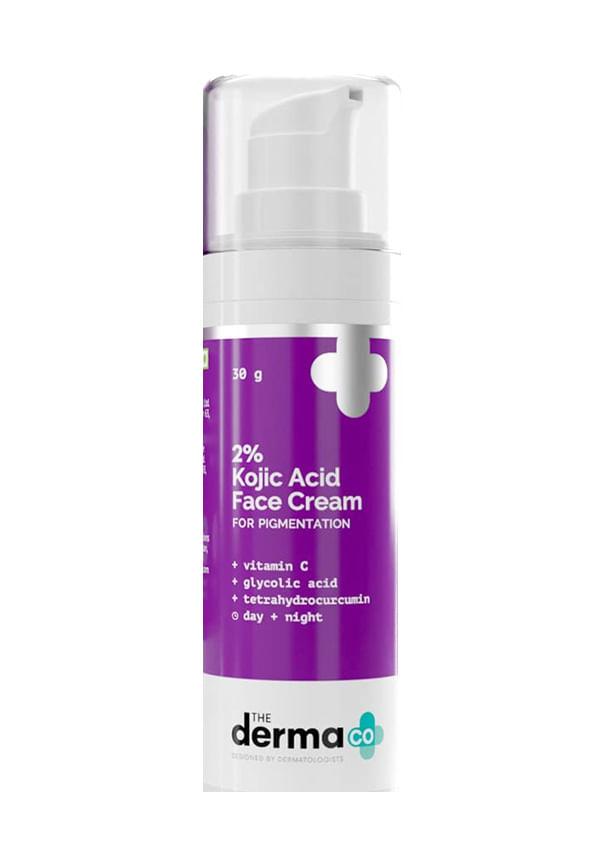
2% Kojic Acid Cream for Pigmentation
Very Good Product
 5
5“Very good product must try good”
Good for dry skin
5“really a good cream to use for dry skin”
Not for sensitive skin, but liked it
5“I highly recommend you that if you have sensitive skin don't use it ... well i liked it”
Dark spots, uneven patches, and stubborn marks on your face can feel like unwelcome guests that just won't leave. Whether it's melasma from hormonal changes, age spots from sun damage, or post-acne marks that seem to stick around forever, dealing with facial pigmentation is one of those skincare challenges that leaves many of us searching for answers. The good news? You don't always need expensive treatments or dermatologist visits to see real results. With the right approach, natural ingredients, and a bit of patience, you can tackle hyperpigmentation from the comfort of your home. Let's dive into everything you need to know about removing pigmentation naturally and safely.
Real talk—permanent pigmentation removal at home requires a strategic approach and realistic expectations. While you can significantly fade dark spots and achieve clearer skin, true permanence often means consistent maintenance rather than a one-time fix.
Vitamin C is your skin's best friend when it comes to fading dark spots. Fresh lemon juice (diluted with equal parts water) or vitamin C-rich foods like oranges can help, but be gentle—citrus can be harsh on sensitive skin.
Kojic acid alternatives from natural sources include rice water and fermented rice. Soak rice in water overnight, strain, and use the liquid as a toner twice daily.
Alpha hydroxy acids from natural sources like yoghurt and milk can gently exfoliate and reveal brighter skin underneath.
Morning: Cleanse with honey and oatmeal, apply diluted lemon juice or rice water toner, follow with aloe vera gel, and never skip sun protection.
Evening: Gentle cleansing, turmeric and yoghurt mask (2-3 times weekly), overnight treatment with potato juice or cucumber pulp.
1 week: Skin feels smoother, slight brightness improvement
1 month: Noticeable fading of lighter spots, overall tone improvement
3 months: Significant reduction in most pigmentation, clearer complexion
6+ months: Maximum results achievable with natural methods
When you need to see some improvement quickly, these remedies can help fade dark spots and brighten your complexion within a week. Remember, dramatic overnight changes aren't realistic or safe, but these methods can kickstart your pigmentation removal journey.
Mix 1 teaspoon turmeric powder with 2 tablespoons plain yoghurt. Apply for 15-20 minutes, then rinse with lukewarm water. The lactic acid in yoghurt gently exfoliates while turmeric reduces inflammation and brightens skin.
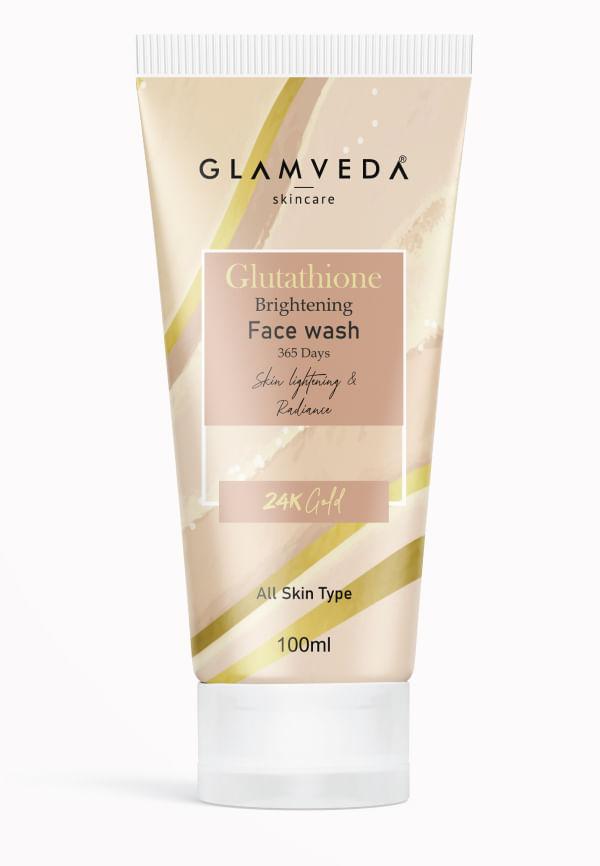
Glutathione 24 k Gold Face Wash Reduce Dark spots & Pigmentation, Lightens skin Complexion
Good Face Wash, Must Buy
4“good face wash must buy very nice”
Mixed Review: Good Texture, Not for My Skin
4“good texture , quality and quantity but it's not good for my skin”
Anticipating results
4“Glutathione 24 k Gold Face Wash, waiting for result”
Blend fresh tomato pulp with raw honey in equal parts. Apply directly to dark spots for 20 minutes. Tomatoes contain lycopene and natural acids that help fade pigmentation, while honey moisturises and heals.
Extract fresh aloe vera gel and apply a thin layer to affected areas before bed. Leave overnight and rinse in the morning. Aloe vera contains aloin, which naturally lightens skin and reduces inflammation.
Your kitchen is basically a treasure trove of pigmentation-fighting ingredients. These time-tested remedies have been helping people achieve clearer skin for generations, and the best part is they're gentle enough for regular use.
Potato juice: Grate a potato, extract the juice, and apply with a cotton pad. Potatoes contain vitamin C and mild bleaching agents that gradually lighten dark spots.
Apple cider vinegar toner: Mix equal parts ACV and water. Use as a toner after cleansing, but start with once every other day to test your skin's tolerance.
Rice water brightening treatment: Soak rice for 30 minutes, strain the water, and use as a face wash or toner. Rice water contains kojic acid and vitamin B, which naturally brighten skin.
Red lentil face mask: Grind soaked red lentils into a paste, add a pinch of turmeric, and apply for 15 minutes. This gentle exfoliant removes dead skin cells and promotes cell turnover.
Papaya enzyme treatment: Mash ripe papaya and apply as a mask. The natural enzymes help break down pigmented skin cells and reveal brighter skin underneath.
What you put into your body matters just as much as what you apply on your skin. Supporting your skin from the inside out can accelerate pigmentation removal and prevent new dark spots from forming.
Load up on berries, green leafy vegetables, and citrus fruits. These foods are packed with vitamin C, which inhibits melanin production and supports collagen synthesis.
Include foods rich in vitamin E like almonds, sunflower seeds, and avocados. Vitamin E works synergistically with vitamin C to protect skin from oxidative damage.
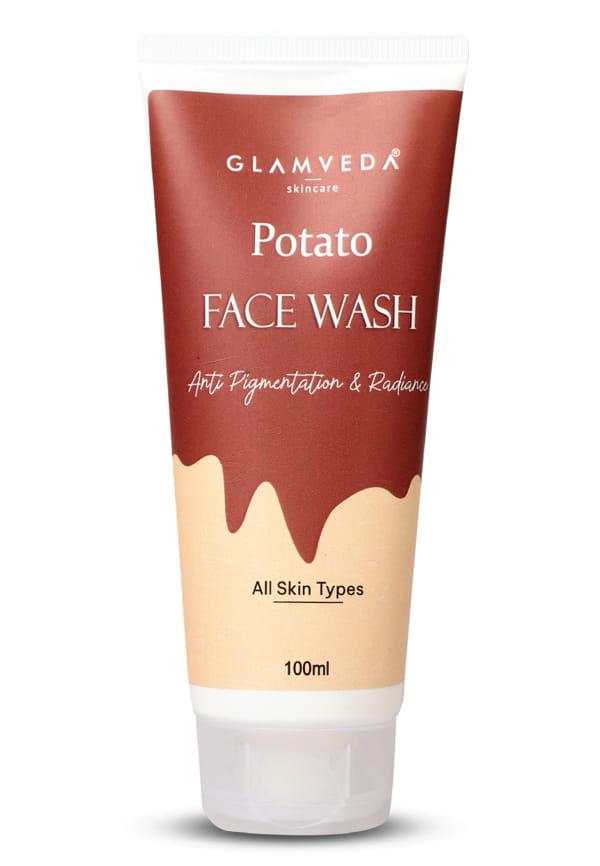
Potato Anti Pigmentation Face wash
Good face wash
4“Potato Anti pigmentation face wash remove dirt smell also good”
Useful Product
4“i like the product this product very useful”
Excellent for Pigmented Skin
5“very good for pigmented skin & for daily use I loved that product”
Green tea isn't just a trendy drink—it's loaded with antioxidants that fight free radicals and reduce inflammation. Aim for 2-3 cups daily.
Lemon water first thing in the morning helps detoxify your system and provides vitamin C from within. Add a pinch of turmeric for extra anti-inflammatory benefits.
Limit processed foods high in sugar and refined carbs, as these can trigger inflammation and worsen pigmentation. Also, be mindful of foods that make your skin more photosensitive, like excessive citrus if you're spending time in the sun.
Consistency is everything when it comes to treating pigmentation at home. A well-structured routine ensures you're addressing the issue from multiple angles while keeping your skin healthy and protected.
Start with a gentle cleanser—honey mixed with a bit of water works beautifully. Follow with your chosen natural brightening treatment (rice water, diluted lemon juice, or aloe vera). Always finish with sun protection, even if you're staying indoors.
Double cleanse to remove the day's buildup, apply your intensive treatment (potato juice, turmeric mask, or papaya enzyme treatment), and seal with a nourishing oil like rosehip or jojoba.
Incorporate gentle exfoliation 2-3 times weekly using oatmeal or rice flour scrubs. This helps remove dead skin cells and allows your brightening treatments to penetrate better.
Different types of pigmentation respond better to specific approaches. Understanding what you're dealing with helps you choose the most effective natural treatments for your particular concern.
For hormone-related pigmentation, focus on gentle, consistent treatments. Liquorice root extract (available as powder to mix with water) and green tea compresses can help without irritating sensitive, hormonally-affected skin.
These respond well to vitamin C treatments and gentle acids. Fresh pineapple juice contains natural alpha hydroxy acids that can help fade sun spots over time.
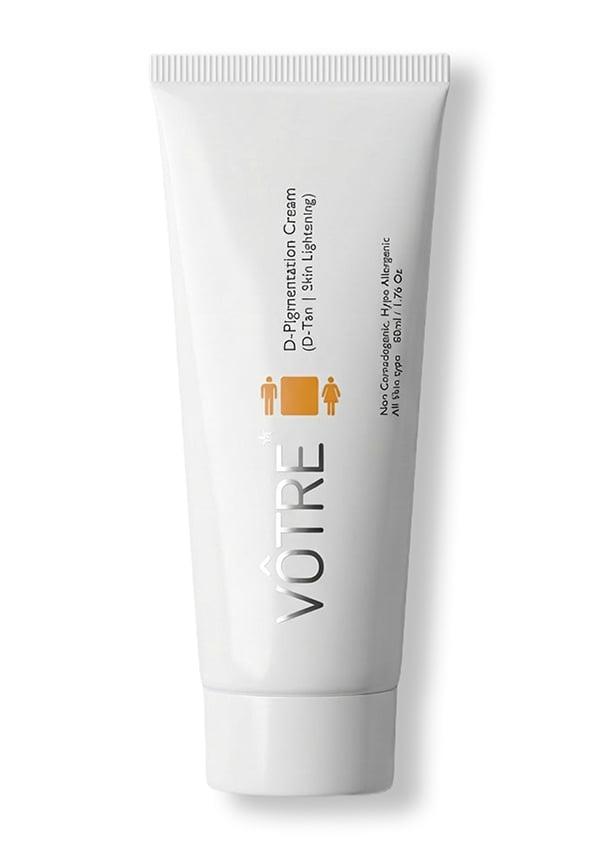
Pigmentation Cream | Alpha Arbutin, Licorice & Silk Cotton Extract | For Pigmentation Correction, Skin Tone Evenness & Spot Reduction Support | For M
Excellent Product
5“best product received this product is best”
Focus on healing and gentle brightening. Aloe vera, honey, and turmeric are your best friends here. Avoid harsh treatments that might cause more inflammation.
When exploring skincare solutions, platforms like Smytten make it easier to discover products that might complement your natural routine. With trial packs from trusted brands, you can test gentle, pigmentation-fighting products without committing to full sizes, ensuring you find what works best for your skin type.
While dramatic results in 3 days aren't realistic, you can start seeing subtle improvements with intensive natural treatments. Try the turmeric-yoghurt mask daily, apply fresh aloe vera gel twice daily, and use rice water as a toner. Remember, safe and lasting results take time—be patient with your skin.
Home remedies can significantly fade pigmentation and prevent new spots from forming, but "permanent" removal often requires ongoing maintenance. Natural methods work best for surface-level pigmentation and can achieve impressive results with consistent use over 3-6 months.
Focus on antioxidant-rich foods like berries, leafy greens, citrus fruits, and nuts. Include foods high in vitamin C (oranges, bell peppers), vitamin E (almonds, sunflower seeds), and beta-carotene (carrots, sweet potatoes). These nutrients support skin repair and protect against further damage.
Green tea is excellent for its antioxidants, lemon water helps with vitamin C and detoxification, and plenty of plain water keeps your skin hydrated and supports cell turnover. Avoid excessive caffeine and alcohol, which can dehydrate your skin.
Potato juice and rice water tend to show the quickest results, often within 1-2 weeks of consistent use. However, the "fastest" remedy varies by skin type and pigmentation depth. Always patch test first and be consistent with your chosen method.
Sun protection is non-negotiable—wear SPF daily, seek shade, and wear protective clothing. Maintain a consistent skincare routine, avoid picking at your skin, and address hormonal imbalances if they're contributing to pigmentation.
Most natural remedies are gentler than chemical treatments, but everyone's skin is different. Always patch test new ingredients, start slowly, and discontinue use if you experience irritation. Those with very sensitive skin should dilute acidic ingredients like lemon juice.
Expect to see initial improvements in 2-4 weeks, with significant results after 2-3 months of consistent use. Surface-level pigmentation responds faster than deeper, older spots. Patience and consistency are key to success with natural methods.
Removing facial pigmentation at home is absolutely possible with the right approach, realistic expectations, and consistent effort. Natural remedies like turmeric, rice water, potato juice, and aloe vera can significantly fade dark spots and improve overall skin tone when used regularly over several months. The key is understanding that true results take time—usually 2-3 months for noticeable improvement and up to 6 months for maximum benefits.
Remember that prevention is just as important as treatment. Daily sun protection, a gentle skincare routine, and a diet rich in antioxidants will help prevent new pigmentation while you work on fading existing spots. Most importantly, be patient with your skin and consistent with your routine. Your journey to clearer, more even-toned skin might take time, but with dedication and the right natural approach, you can achieve the results you're looking for without breaking the bank or exposing your skin to harsh chemicals.
