Pigmentation on Indian Skin FAQ: Causes & Treatments


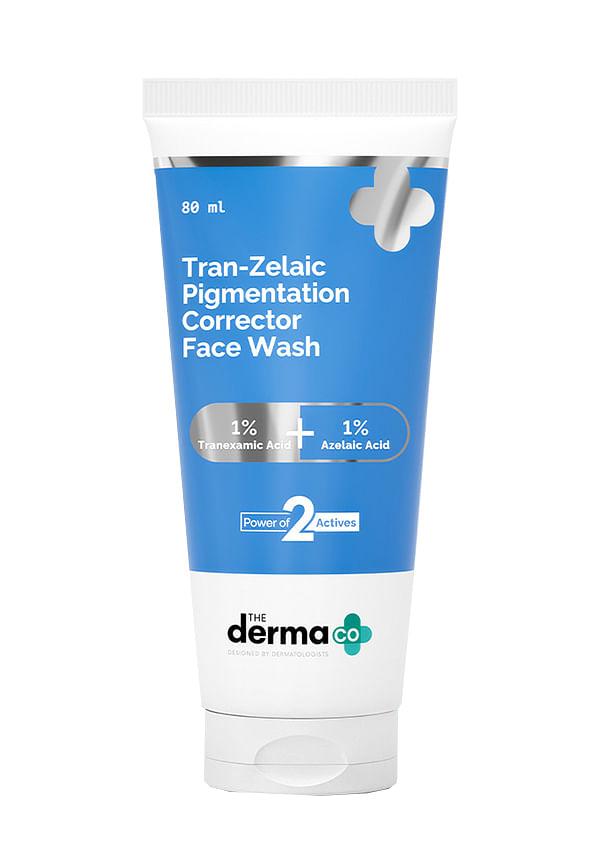
Tran-Zelaic Pigmentation Corrector Face Wash
Let's be real—dealing with pigmentation on Indian skin can feel like solving a puzzle that keeps changing its pieces. One day you're glowing, the next you're spotting new dark patches that seem to have appeared overnight. If you've been there, you're definitely not alone. Indian skin has its own unique relationship with melanin production, and understanding this can be your first step towards clearer, more even-toned skin. Whether it's those stubborn post-acne marks or melasma that showed up uninvited, we're here to break down everything you need to know about causes, treatments, and what actually works for our skin type.
Indian skin operates on a completely different level when it comes to melanin production and pigmentation patterns. Our skin tends to be more reactive to inflammation and environmental triggers, which means what works for other skin types might not always be your best bet.
Most Indian skin falls into Fitzpatrick skin types III, IV, and V, which means we naturally produce more melanin than lighter skin tones. This extra melanin acts as built-in sun protection, but it also makes our skin more prone to developing hyperpigmentation when triggered by inflammation, hormones, or UV exposure.
Our melanocytes (the cells that produce melanin) are hyperreactive, meaning they go into overdrive at the slightest provocation. Think of them as overly enthusiastic security guards—they mean well, but sometimes they overdo their job, leaving you with uneven skin tone and dark spots that take ages to fade.
Understanding what type of pigmentation you're dealing with helps you choose the right treatment approach.
Post-inflammatory hyperpigmentation (PIH): Those dark marks left behind after acne, cuts, or any skin injury
Melasma: Symmetrical brown patches, often triggered by hormones or pregnancy
Solar lentigines: Age spots from cumulative sun damage
Perioral hyperpigmentation: Darkening around the mouth area, common in Indian women
Knowing what triggers pigmentation in the first place can help you prevent new spots from forming whilst treating existing ones. Let's dive into the main culprits that affect Indian skin specifically.
Even though our melanin offers some natural protection, it's not enough to shield us from India's intense UV rays. The tropical and subtropical climate across most of India means year-round sun exposure, and cumulative UV damage is one of the biggest contributors to pigmentation.
UV rays trigger melanin production as a protective response, but in Indian skin, this response can be excessive, leading to dark spots and uneven skin tone. The key is understanding that even brief sun exposure without protection can undo months of pigmentation treatment.
Hormonal fluctuations are major triggers for pigmentation, especially in women. Pregnancy, oral contraceptives, and thyroid disorders can all kickstart melasma development.
This type of pigmentation often appears as symmetrical patches on the cheeks, forehead, and upper lip. It's particularly common during pregnancy (often called 'pregnancy mask') and can be stubborn to treat without addressing the underlying hormonal triggers.
Indian skin's inflammatory response tends to be more intense, which means even minor acne can leave behind significant dark marks. The habit of picking or touching blemishes makes this worse, as it increases inflammation and prolongs the healing process.
These post-inflammatory marks can take months or even years to fade naturally, which is why targeted treatment is often necessary for faster results.
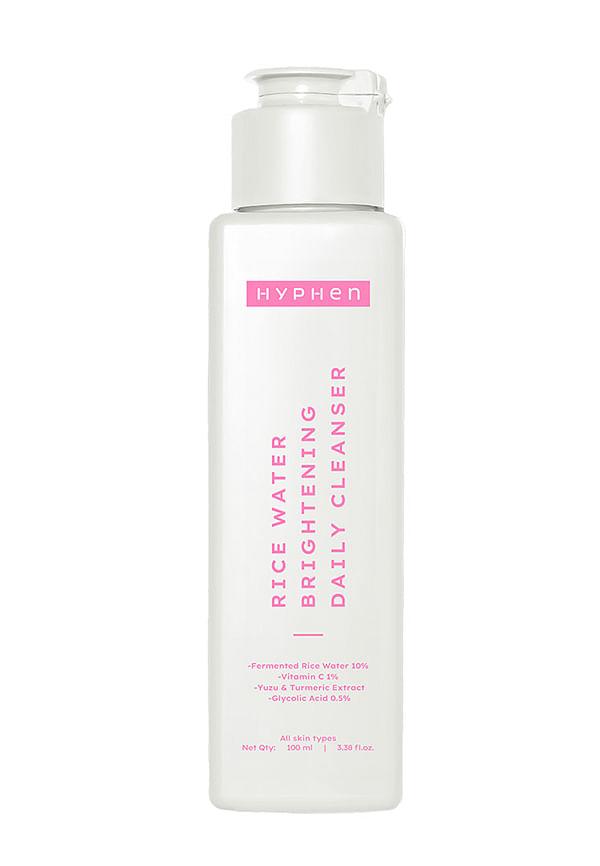
Rice Water Brightening Daily Cleanser | Brightens Skin, Reduces Dark Spots
Gentle, Refreshing, and Effective Cleanser
 5
5“This cleanser has a very gentle and pleasant formula. It feels refreshing on the skin and cleanses well without leaving my skin feeling too tight or dry. I especially like the lightweight texture and how soft my skin feels after washing. Overall, a nice daily cleanser and definitely worth trying”
Gentle, Refreshing, and Effective Cleanser
5“This cleanser has a very gentle and pleasant formula. It feels refreshing on the skin and cleanses well without leaving my skin feeling too tight or dry. I especially like the lightweight texture and how soft my skin feels after washing. Overall, a nice daily cleanser and definitely worth trying”
Instant Glow & Brightening Cleanser
5“the cleanser gives instant glow and brightens your face 10/10 product i love hyphen”
Family history plays a significant role in how your skin responds to triggers. If your parents or siblings deal with pigmentation issues, you're more likely to develop them too.
Regional genetic variations also matter—certain communities have higher predispositions to specific types of pigmentation, which is why personalised treatment approaches work best.
When over-the-counter products aren't cutting it, professional treatments can offer more dramatic results. However, Indian skin requires careful consideration when choosing treatments to avoid post-treatment pigmentation.
Prescription-strength topicals are often the first line of defence against stubborn pigmentation.
Hydroquinone: The gold standard for pigmentation, but requires careful monitoring in Indian skin
Tretinoin: Accelerates cell turnover and helps fade dark spots over time
Kojic acid and arbutin: Gentler alternatives that inhibit melanin production
Azelaic acid: Great for both acne and pigmentation, with anti-inflammatory benefits
Professional procedures can speed up results, but they need to be tailored for darker skin tones to avoid complications.
Chemical peels: Glycolic, lactic, or mandelic acid peels designed for Indian skin
Laser treatments: Q-switched lasers and fractional lasers, with careful parameter adjustments
Microneedling: Combined with growth factors or vitamin C for enhanced results
IPL therapy: Modified protocols to prevent post-treatment hyperpigmentation
The most effective treatments often combine multiple approaches—topicals, procedures, and lifestyle changes working together. Your dermatologist might recommend a multi-phase treatment plan that starts gentle and gradually intensifies based on your skin's response.
Realistic timelines are crucial here. Most combination therapies show initial results in 6-8 weeks, with significant improvement taking 3-6 months of consistent treatment.
Not everyone needs prescription treatments. Many effective skin brightening approaches can be incorporated into your daily routine safely and affordably.
Some traditional ingredients have solid scientific backing for pigmentation treatment.
Turmeric and curcumin: Anti-inflammatory properties that can help prevent new pigmentation
Vitamin C serums: Antioxidant protection plus gentle brightening effects
Niacinamide: Reduces melanin transfer and improves uneven skin tone
Alpha hydroxy acids (AHAs): Gentle exfoliation to speed up cell turnover
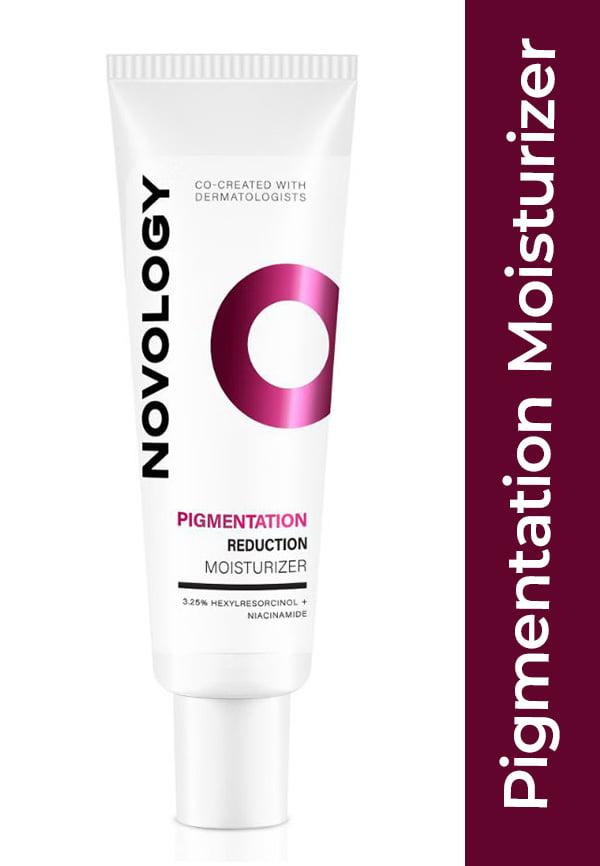
Pigmentation Moisturiser, Face Cream for Hyperpigmentation & Dark Spots
Amazing Product!
5“it really works. i tried it first time and m with love this product best brand I ever used”
Great Product, Will Buy Again
5“nice product richer base repurchase product”
Great for Oily Skin
5“Excellent product for oily skin.”
Your daily routine can make or break your pigmentation treatment results. Morning protection and evening treatment create the perfect environment for skin repair.
Layer products correctly—thinnest to thickest consistency, and always wait between applications to ensure proper absorption. Ingredient compatibility matters too—some combinations can irritate skin or reduce effectiveness.
What you eat, how you sleep, and how you manage stress all impact your skin's ability to heal and prevent new pigmentation. Anti-inflammatory foods, adequate sleep, and stress management support your skin's natural repair processes.
Regular exercise improves circulation, helping nutrients reach your skin cells more effectively and supporting the healing process.
Let's set realistic expectations about pigmentation removal timelines and what you can actually achieve with consistent treatment.
Patience is your best friend when treating pigmentation. Here's what to expect:
Mild pigmentation: 6-12 months with consistent treatment
Moderate discolouration: 12-18 months, possibly requiring professional intervention
Severe cases: 18+ months with combination therapy and professional monitoring
Take progress photos in consistent lighting conditions every 2-4 weeks. This helps you track subtle improvements that you might not notice day-to-day.
Professional assessments every 3-6 months can help adjust your treatment plan based on how your skin is responding and prevent treatment plateaus.
Over-exfoliation is probably the biggest mistake people make when treating pigmentation. More isn't always better—aggressive treatments can actually worsen pigmentation in Indian skin.
Skipping sun protection undoes all your hard work. Even the best pigmentation treatments won't work if you're not protecting your skin from further UV damage.
Prevention is always easier than treatment. Once you've achieved your desired results, maintaining them requires consistent protective measures and smart skincare choices.
SPF 30 or higher is non-negotiable for Indian skin, even on cloudy days. Reapplication every 2-3 hours is crucial, especially if you're spending time outdoors.
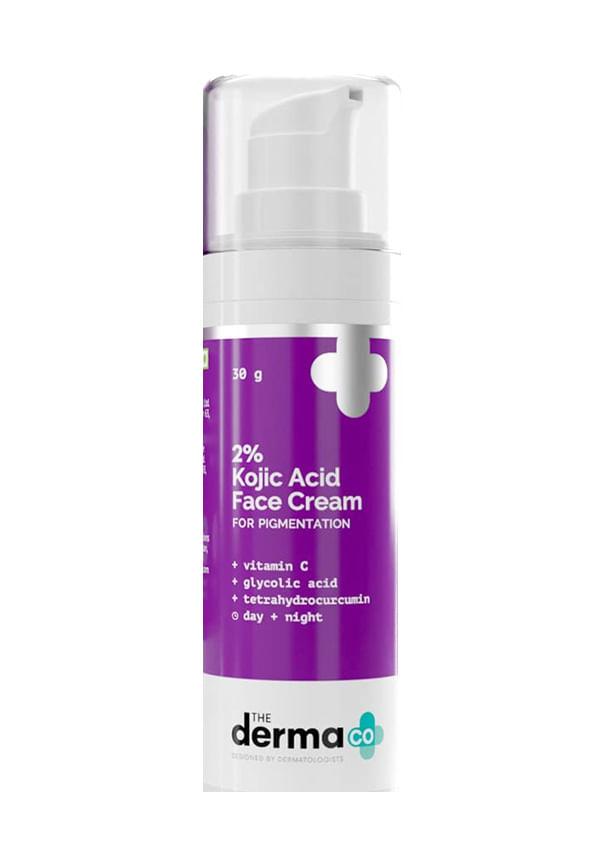
2% Kojic Acid Cream for Pigmentation
Very Good Product
5“Very good product must try good”
Good for dry skin
5“really a good cream to use for dry skin”
Not for sensitive skin, but liked it
5“I highly recommend you that if you have sensitive skin don't use it ... well i liked it”
Physical sunscreens with zinc oxide or titanium dioxide work well for sensitive skin, whilst chemical sunscreens offer more elegant formulations for daily wear.
Gentle cleansing maintains your skin barrier without triggering inflammation. Over-cleansing can actually stimulate melanin production, so stick to mild, pH-balanced cleansers.
Regular but gentle exfoliation (1-2 times per week) keeps dead skin cells from building up and helps your treatment products penetrate better.
Annual dermatologist check-ups help catch new pigmentation early and adjust your maintenance routine as needed. Seasonal treatment adjustments account for changes in humidity, sun exposure, and hormonal fluctuations.
Early intervention for new spots prevents them from becoming stubborn, long-term problems.
Start with gentle approaches like vitamin C serums and niacinamide, always use SPF 30+, and consider professional consultation for stubborn spots. Patch test new products and introduce them gradually to avoid irritation that could worsen pigmentation.
Absolutely not. Whilst melanin provides some natural protection, it's not sufficient against India's intense UV rays. Even dark skin can develop sun damage, premature ageing, and worsened pigmentation without proper protection.
Limit inflammatory foods like excessive sugar, processed foods, and dairy if you notice they trigger breakouts. Focus on antioxidant-rich foods like berries, leafy greens, and foods high in vitamin C and E to support skin healing.
Genetic predisposition, thinner under-eye skin, and increased melanin production in the orbital area contribute to this. Allergies, lack of sleep, and rubbing the eyes can worsen the appearance of dark circles.
Look for products containing niacinamide, vitamin C, kojic acid, or arbutin. Brands like Cetaphil, Dot & Key, and others offer formulations specifically tested for Indian skin. Always patch test and introduce products gradually.
Consult a professional if over-the-counter treatments haven't shown improvement after 3-6 months, if pigmentation is affecting your confidence significantly, or if you notice sudden changes in existing spots.
Dealing with pigmentation on Indian skin requires patience, consistency, and the right approach for your specific skin type. Remember that what works for your friend might not work for you—our skin is as individual as we are. The key is finding products and treatments that suit your skin's unique needs whilst being realistic about timelines and results.
This is where platforms like Smytten become incredibly valuable for your skincare journey. As India's largest product discovery platform, Smytten lets you try mini-sized products from over 1,500 trusted brands before committing to full-size purchases. When you're dealing with pigmentation, being able to test how your skin reacts to different ingredients and formulations can save you both money and potential skin reactions. With brands like Cetaphil and Dot & Key available in trial sizes, you can explore various pigmentation treatments safely. Plus, with 100% cashback on trial purchases redeemable for future orders, you can afford to experiment until you find your perfect pigmentation-fighting routine. After all, why settle for 'maybe' when you can Try It All and find what actually works for your skin?
