Pigmentation FAQ: Can It Be Cured Permanently?

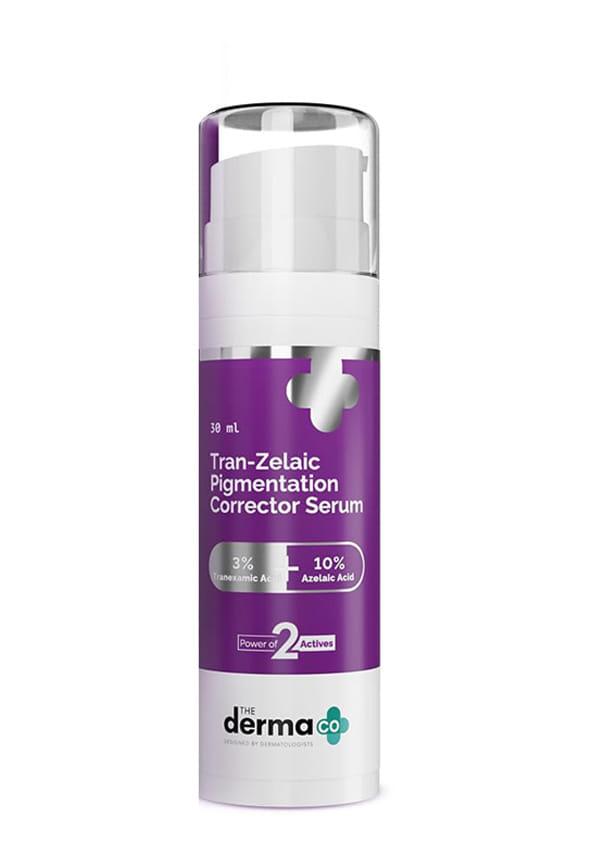
Tran-Zelaic Pigmentation Corrector Serum with Tranexamic Acid & Azelaic Acid
Light and Soothing on Skin
 5
5“no heaviness, very soothing on skin”
Light and Soothing on Skin
5“no heaviness, very soothing on skin”
Light and Soothing on Skin
5“no heaviness, very soothing on skin”
Let's be real—pigmentation is one of those skincare concerns that can feel like an uphill battle. Whether it's those stubborn dark spots from last summer's holiday or the melasma that appeared during pregnancy, you've probably wondered if there's a way to make them disappear for good. The question "can pigmentation be cured permanently" is something dermatologists hear daily, and the answer isn't as straightforward as we'd all like it to be. Think of pigmentation as your skin's way of protecting itself—sometimes it just gets a bit overzealous about the job.
Before diving into whether pigmentation can be permanently cured, it's worth understanding what we're actually dealing with. Pigmentation refers to patches of skin that become darker than surrounding areas due to excess melanin production—your skin's natural pigment. This process happens when melanocytes (the cells that produce melanin) go into overdrive, often triggered by sun exposure, hormonal changes, or inflammation.
The types of pigmentation vary significantly, and this matters because each responds differently to treatment. Some are surface-level and relatively easy to address, while others sit deeper in the skin layers, making them more stubborn. Age and skin type also play crucial roles—what works brilliantly for someone in their twenties might need tweaking for someone in their forties.
Skin discoloration causes range from the obvious (hello, sun damage) to the sneaky (certain medications, hormonal fluctuations, even that aggressive scrub you used last month). Understanding the root cause is half the battle won, because treating the symptom without addressing the trigger is like trying to fill a bucket with a hole in it.
Not all pigmentation is created equal, and this is where things get interesting. Some types respond beautifully to treatment, while others require ongoing management rather than a one-and-done cure.
Age spots and solar lentigines are actually the success stories of the pigmentation world. These surface-level spots respond well to professional treatments, with many people seeing significant improvement or complete removal. However, they're also the most likely to return if you're not religious about sun protection.
Melasma is the overachiever of pigmentation—it's persistent, often symmetrical, and loves to make a comeback just when you think you've got it sorted. This hormonal pigmentation typically requires ongoing management rather than a permanent cure, especially if you're still in your reproductive years or using hormonal contraceptives.
Post-inflammatory hyperpigmentation is your skin's response to injury or inflammation—think acne scars, eczema patches, or that mosquito bite you couldn't stop scratching. The good news? This type often responds well to treatment, especially when caught early. The timeline for improvement can range from a few months to over a year, depending on how deep the pigmentation sits.
Some pigmentation conditions are written into your DNA, making them manageable rather than curable. These require a different approach focused on maintenance and prevention of worsening rather than complete elimination.
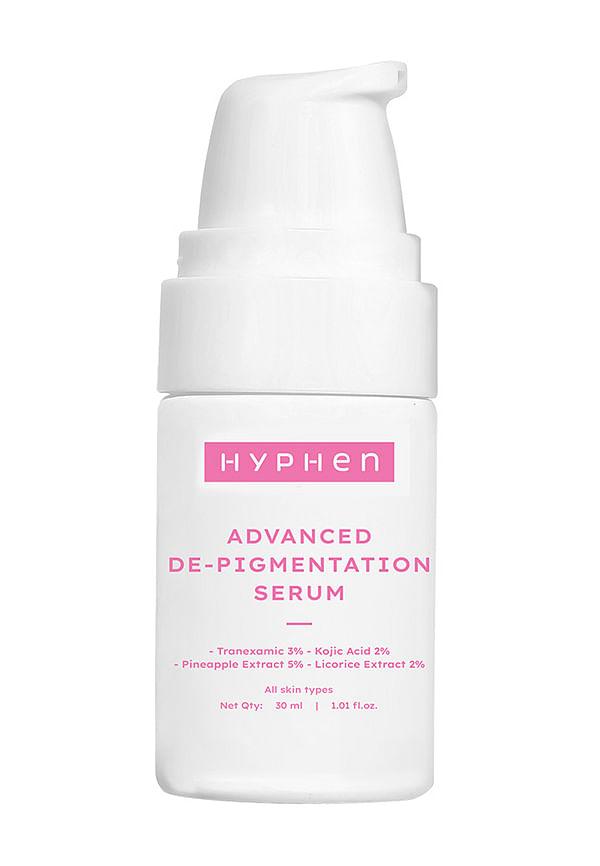
Advanced De-Pigmentation Serum For Hyperpigmentation, Melasma, Dark Spots & Scars
Effective Product, Fully Satisfied
5“Very effective product.. Fully satisfied”
Effective Product, Fully Satisfied
5“Very effective product.. Fully satisfied”
Effective Product, Fully Satisfied
5“Very effective product.. Fully satisfied”
Here's where we need to have an honest chat about what "permanent" actually means in the pigmentation world. While pigmentation can be significantly reduced or eliminated with the right treatment, true permanent cure requires understanding that your skin's tendency to produce excess melanin doesn't just disappear. Think of it like managing curly hair—you can straighten it beautifully, but without ongoing care, it'll return to its natural state.
The difference between removal and prevention of recurrence is crucial. Many hyperpigmentation treatments can successfully eliminate existing dark spots, but preventing new ones requires lifestyle changes and ongoing skincare maintenance. Success rates vary dramatically by pigmentation type—sun spots might have an 80-90% success rate with laser treatment, while melasma might see 60-70% improvement with combination therapy.
Realistic expectations are your best friend here. Marketing claims promising "permanent results" often overlook the fact that your skin is a living organ that continues to respond to environmental triggers. The most successful approach combines effective treatment with smart prevention strategies.
When it comes to serious pigmentation removal methods, professional treatments are where the magic happens. These aren't your typical over-the-counter solutions—they're the heavy hitters that dermatologists reach for when you need real results.
IPL (Intense Pulsed Light) is like the gentle giant of laser treatments—effective but with minimal downtime. Q-switched lasers target specific pigment colours, making them brilliant for stubborn spots. Fractional lasers work by creating controlled micro-injuries that encourage skin renewal and melanin reduction. Most people need 3-6 sessions spaced 4-6 weeks apart, with results becoming visible after the second treatment.
Chemical peels range from lunch-break-friendly superficial peels to deeper treatments that require proper downtime. The depth of peel needed depends on how deep your pigmentation sits. Superficial peels might need monthly sessions for several months, while deeper peels can show dramatic results in just one or two treatments.
Microneedling combined with targeted serums can boost product penetration and stimulate natural skin renewal. Cryotherapy literally freezes off pigmented lesions, while professional-grade topicals contain higher concentrations of active ingredients than anything you can buy over the counter.
While professional treatments offer the fastest results, there's definitely a place for at-home care in your pigmentation-fighting arsenal. The key is knowing what actually works and what's just wishful thinking.
Hydroquinone remains the gold standard for skin lightening solutions, though it requires careful use and isn't suitable for long-term application. Retinoids and tretinoin work by speeding up cell turnover, gradually pushing pigmented cells to the surface. Vitamin C serums act as antioxidants while inhibiting melanin production, and kojic acid offers a gentler alternative to hydroquinone.
Niacinamide deserves special mention for its ability to prevent melanin transfer to skin cells, making it brilliant for both treatment and prevention. Arbutin, derived from bearberry plants, offers natural melanin inhibition with minimal irritation risk.
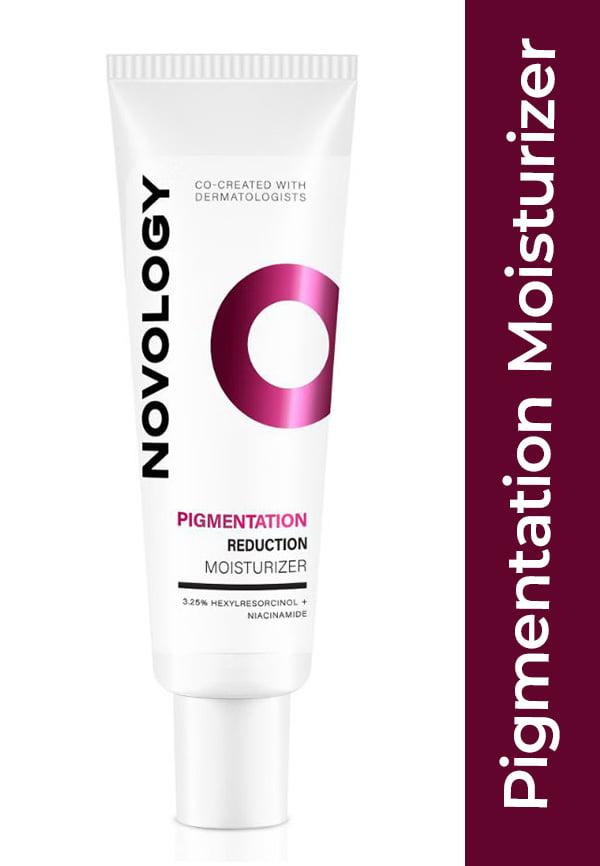
Pigmentation Moisturiser, Face Cream for Hyperpigmentation & Dark Spots
Amazing Product!
5“it really works. i tried it first time and m with love this product best brand I ever used”
Great Product, Will Buy Again
5“nice product richer base repurchase product”
Great for Oily Skin
5“Excellent product for oily skin.”
Natural remedies for pigmentation can be effective, but they require patience and realistic expectations. Vitamin C from natural sources like kakadu plum or camu camu can provide antioxidant benefits, while licorice extract contains glabridin, which inhibits melanin production. The timeline for natural methods typically spans 6-12 months for noticeable results, making them better suited for maintenance than initial treatment.
Here's the thing about pigmentation treatment—the real challenge isn't getting rid of existing spots, it's keeping them from coming back. Prevention is where the long-term game is won or lost, and it's honestly more important than the initial treatment.
SPF 30+ isn't just a suggestion—it's your pigmentation prevention insurance policy. Physical sunscreens containing zinc oxide or titanium dioxide offer broad-spectrum protection without the risk of chemical sensitivity. Reapplication every two hours isn't just for beach days; it's for every day you step outside, even for that quick coffee run.
Your morning routine should focus on protection (antioxidants and SPF), while evenings are for repair (retinoids and gentle exfoliation). Certain ingredient combinations can cause irritation or increased photosensitivity, so timing matters. For instance, using vitamin C in the morning and retinoids at night maximises benefits while minimising risks.
Hormonal fluctuations can trigger melasma flare-ups, making birth control choices and pregnancy planning relevant to your skincare strategy. Diet plays a role too—foods high in antioxidants support skin health, while inflammatory foods might worsen existing pigmentation. Stress management isn't just good for your mental health; chronic stress can trigger inflammatory responses that worsen pigmentation.
The most successful dermatologist pigmentation advice centres around combination therapy rather than relying on a single treatment. This approach recognises that pigmentation is complex and often requires multiple strategies working together.
Professional treatments provide the initial heavy lifting, while at-home maintenance keeps results stable long-term. Treatment sequencing matters—starting with gentle approaches and gradually increasing intensity often yields better results with fewer side effects. For example, beginning with topical treatments to prep the skin before laser therapy can improve outcomes and reduce complications.
Fitzpatrick skin types I-II (fair skin) typically respond well to most treatments but need careful sun protection. Types III-IV (medium skin) require balanced approaches to avoid post-inflammatory hyperpigmentation. Types V-VI (darker skin) need specialised protocols to prevent treatment-induced pigmentation, often favouring chemical peels and specific laser wavelengths over aggressive treatments.
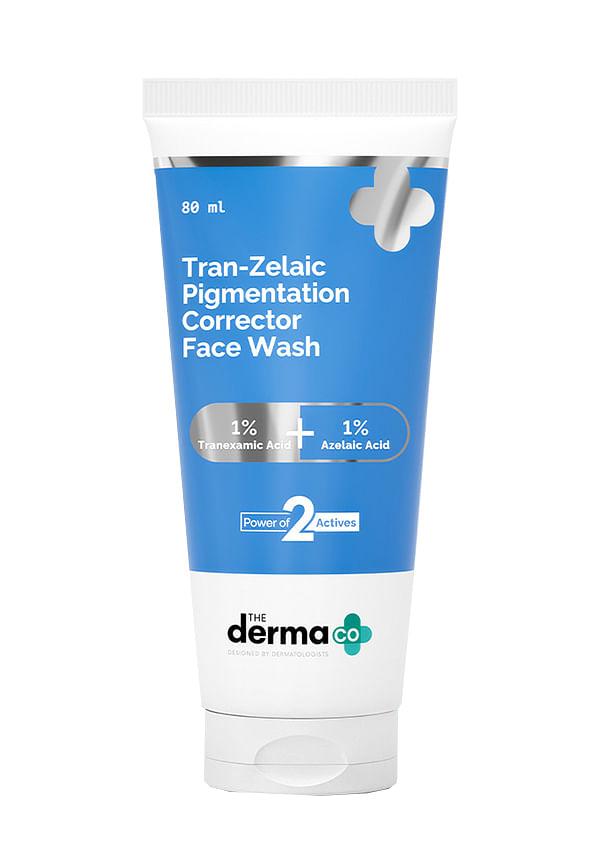
Tran-Zelaic Pigmentation Corrector Face Wash
This is where platforms like Smytten become invaluable for discovering the right products for your specific needs. With access to trial-sized versions of professional-grade skincare from trusted brands, you can test different approaches without committing to full-size products. The ability to try multiple uneven skin tone correction products helps you build a personalised routine that actually works for your skin type and pigmentation concerns.
While existing pigmentation can be significantly reduced or eliminated through professional treatments, true "permanent" cure requires ongoing maintenance. Your skin's tendency to produce excess melanin doesn't disappear, so sun protection and proper skincare remain essential to prevent recurrence.
Professional laser treatments, chemical peels, and prescription topicals can eliminate existing pigmentation effectively. However, ongoing sun protection and maintenance skincare are required to prevent new pigmentation from forming.
Most treatments show initial results in 4-6 weeks, with significant improvement typically visible in 3-6 months. The timeline depends on the treatment method, pigmentation type, and individual skin response.
Natural ingredients like vitamin C, licorice extract, and kojic acid can help fade mild pigmentation over 6-12 months. However, professional treatments offer faster and more dramatic results for stubborn or deep pigmentation.
Without proper sun protection and maintenance, UV exposure, hormonal changes, and inflammation can trigger new melanin production in previously treated areas. This is why prevention strategies are crucial for long-term success.
Treatment safety varies by skin type and pigmentation cause. Darker skin tones require specialised approaches to avoid post-inflammatory hyperpigmentation. Always consult a dermatologist familiar with your skin type before starting treatment.
Costs typically range from ₹3,000-15,000 per session depending on the treatment type and clinic location. Most conditions require 3-6 sessions for optimal results, making the total investment ₹15,000-60,000 for a complete treatment course.
The honest answer to "can pigmentation be cured permanently" is both yes and no. While we can successfully eliminate existing pigmentation with the right treatments, preventing recurrence requires ongoing commitment to sun protection and proper skincare. Think of it as managing rather than curing—with the right approach, you can achieve clear, even-toned skin and maintain those results long-term.
The key is finding the right combination of professional treatment and at-home maintenance that works for your specific skin type and lifestyle. Whether you're dealing with stubborn melasma or post-acne marks, success comes from understanding your pigmentation type, choosing appropriate treatments, and committing to prevention strategies. Remember, the journey to clearer skin isn't always linear, but with patience and the right approach, significant improvement is absolutely achievable.
