Pigmentation Around Mouth FAQ: Causes & Treatments Explained


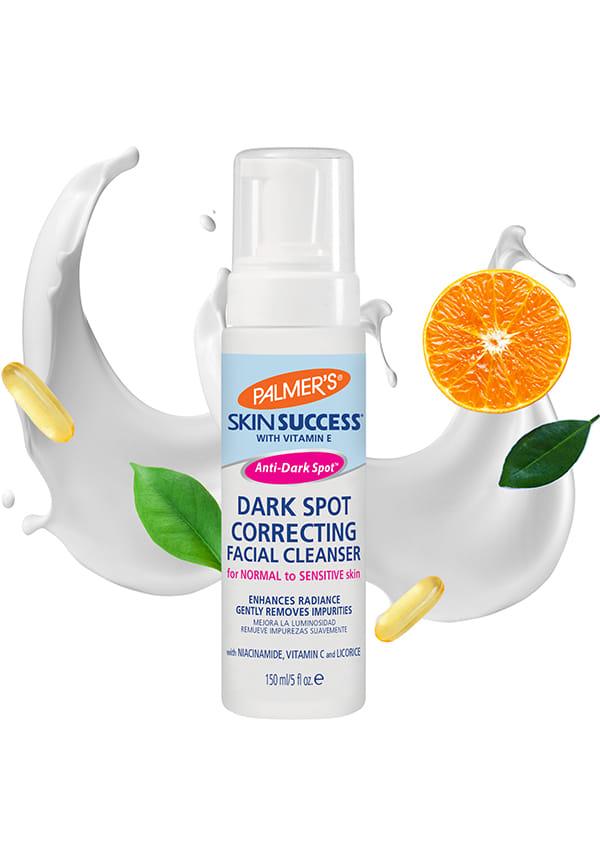
Skin Success Palmer’s Skin Success Dark Spot Correcting Facial Cleanser
Ever noticed those stubborn dark patches around your mouth that just won't budge? You're definitely not alone. Pigmentation around the mouth, also known as perioral hyperpigmentation, affects loads of people and can be pretty frustrating to deal with. Whether it's from sun damage, hormonal changes, or just genetics being a bit cheeky, that uneven skin tone around your mouth area can knock your confidence. The good news? There are proper solutions out there, and understanding what's causing it is half the battle won.
Perioral hyperpigmentation is basically when your skin produces too much melanin (the stuff that gives your skin its colour) around your mouth area. This creates those darker patches or spots that can make your skin look uneven. It's not just about a few freckles here and there—we're talking about noticeable dark skin around mouth areas that can range from light brown to much darker shades.
This type of mouth discoloration is super common, especially in people with medium to darker skin tones, though it can affect anyone really. The thing is, the skin around your mouth is quite delicate and gets exposed to loads of stuff daily—sun, food, makeup, you name it. Sometimes this pigmentation is temporary and fades on its own, but other times it sticks around and needs a bit more attention to sort out.
Right, let's get into the nitty-gritty of what's actually causing this uneven skin tone mouth situation. Understanding the root cause is crucial because it helps you pick the right treatment approach.
This one's probably the biggest culprit. Your upper lip area is particularly vulnerable because it's often missed during sunscreen application (hands up if you're guilty of this). UV rays trigger your skin to produce extra melanin as a defence mechanism, which can lead to those persistent dark spots around lips.
Melasma around mouth is super common during pregnancy (hello, pregnancy mask) or when you're on birth control pills. Hormonal fluctuations can make your skin more sensitive to sun exposure and trigger excess pigmentation. Even thyroid issues can mess with your skin's melanin production.
Had acne around your mouth? Eczema? Even something as simple as aggressive waxing can cause inflammation that leads to dark patches. Your skin basically overreacts to the trauma and produces extra pigment as it heals.
Sometimes your body's trying to tell you something. Vitamin B12 deficiency is particularly known for causing lip discoloration and darkening around the mouth. Iron and vitamin D deficiencies can also play a role in skin pigmentation issues.
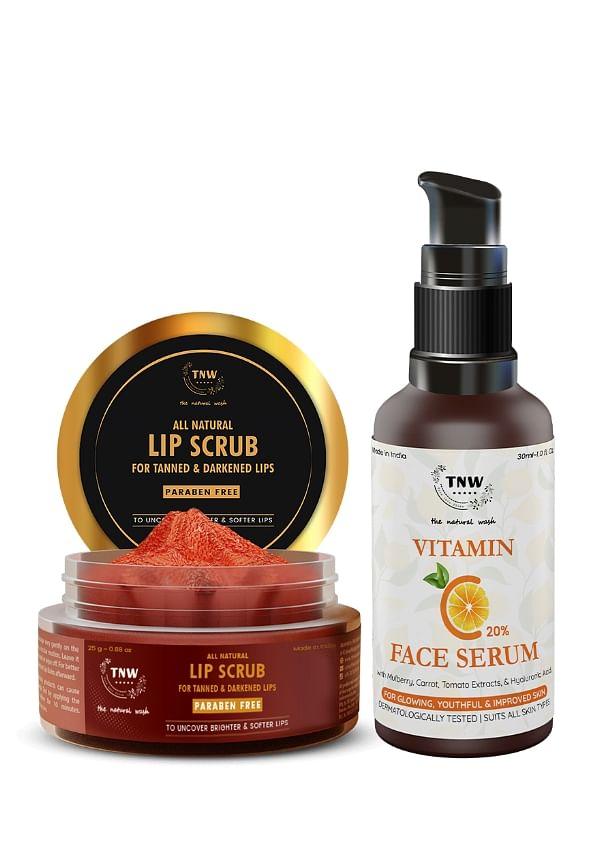
Vitamin C Face Serum and Lip Scrub | Skin Clearing Serum for Soft, Hydrated, Moisturized Skin and Lip Scrub for Tanned & Darkened Lips | For Men and
Smoking is a major one here—it restricts blood flow and can cause darkening around the mouth area. Chronic dehydration and poor skincare habits don't help either. Even constantly licking your lips can cause irritation and subsequent pigmentation.
Certain conditions like Addison's disease or insulin resistance can cause widespread hyperpigmentation, including around the mouth. Some medications can also trigger skin pigmentation causes as a side effect.
Sometimes it's just in your genes. If your family has a history of hyperpigmentation, you're more likely to develop it too. Your skin type and how it responds to various triggers is largely determined by genetics.
When home remedies aren't cutting it, it might be time to call in the professionals. Dermatologists have some pretty effective tools in their arsenal for tackling stubborn pigmentation.
Chemical peels are brilliant for removing the top layers of pigmented skin and encouraging fresh, even-toned skin to come through. Laser therapy can target specific pigmented areas with precision, whilst microdermabrasion gently buffs away surface pigmentation. IPL (Intense Pulsed Light) is another option that can break down excess melanin.
Hydroquinone is often considered the gold standard for hyperpigmentation treatment. It works by inhibiting melanin production, but it needs to be used under medical supervision. Tretinoin speeds up cell turnover, helping pigmented cells shed faster. Many dermatologists prefer combination treatments for better results.
Don't worry if professional treatments aren't in your budget right now. There are loads of effective ingredients you can try at home for skin brightening.
Vitamin C is a powerhouse antioxidant that can inhibit melanin production whilst protecting your skin from further damage. Look for serums with 10-20% vitamin C and apply them in the morning before sunscreen.
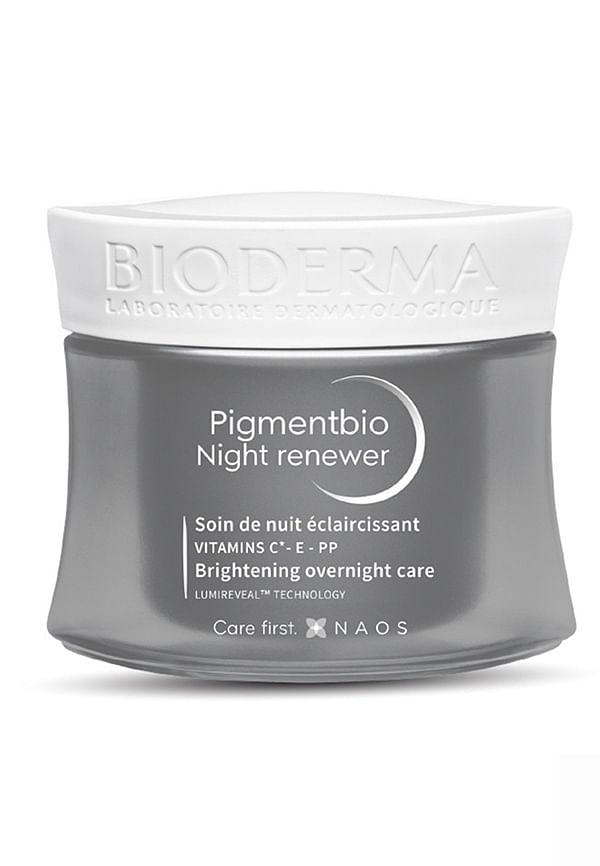
Pigmentbio Night Renewer Brightening Overnight Cream for Dark Spots, Sensitive Skin
This form of vitamin B3 is gentle but effective at reducing melanin transfer to skin cells. It's also anti-inflammatory, which makes it perfect for sensitive skin around the mouth area.
Kojic acid, derived from fungi, is excellent for lightening dark spots. Azelaic acid is another gentle option that works well for sensitive skin. Alpha arbutin is a natural derivative of hydroquinone that's much gentler but still effective.
Over-the-counter retinol products can help speed up skin renewal, gradually fading pigmentation. Start slowly to avoid irritation, especially around the delicate mouth area.
Prevention is always better than cure, right? Building a solid skincare routine can help prevent future pigmentation and maintain the results of any treatments you're doing.
This cannot be stressed enough—SPF 30+ broad-spectrum sunscreen is non-negotiable. Make sure you're covering the area around your mouth properly, and reapply every two hours. Physical sunscreens with zinc oxide or titanium dioxide are often gentler for sensitive areas.
Avoid harsh scrubbing or aggressive products around your mouth. Use gentle, pH-balanced cleansers and always follow up with a good moisturiser to maintain your skin barrier. The key is consistency rather than intensity.
Skincare is a marathon, not a sprint. Consistent daily care will give you better results than sporadic intensive treatments. Monitor your progress and adjust your routine seasonally—your skin's needs change throughout the year.
When you're ready to explore different skincare options, platforms like Smytten make it easier to try products before committing to full sizes. With trial packs from trusted brands like Cetaphil and Dot & Key, you can test what works for your specific skin concerns without the financial risk.
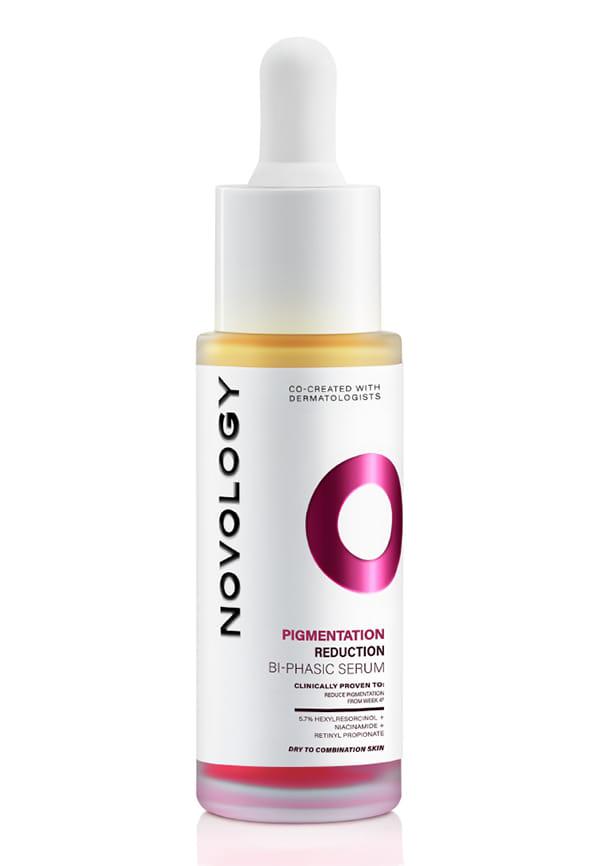
Pigmentation Serum, Bi-Phasic Face Serum for Hyperpigmentation & Dark Spots
Most people start seeing improvements within 4-6 weeks of consistent treatment, but significant results usually take 3-6 months. The timeline depends on how deep the pigmentation is, what treatment you're using, and how well your skin responds. Patience is key here—rushing the process often leads to irritation and setbacks.
Most pigmentation around the mouth can be improved significantly, though some cases might take longer to fade completely. Deep, long-standing pigmentation might not disappear entirely but can usually be lightened considerably. The key is early intervention and consistent treatment.
Look for creams containing vitamin C, niacinamide, kojic acid, or alpha arbutin. Prescription options with hydroquinone or tretinoin are often more effective but require medical supervision. The "best" cream really depends on your skin type and sensitivity level.
If the pigmentation appeared suddenly, is spreading rapidly, or isn't responding to over-the-counter treatments after 3 months, it's time to see a professional. Also, if you notice any changes in texture, raised areas, or asymmetrical patterns, get it checked out.
Common side effects include mild irritation, redness, or dryness, especially when starting new treatments. More aggressive treatments might cause temporary darkening before improvement. Always patch test new products and introduce them gradually.
Heavy makeup or products with irritating ingredients can potentially worsen pigmentation. Stick to non-comedogenic, fragrance-free products and always remove makeup thoroughly. Some makeup can actually help protect the area from UV damage when it contains SPF.
Dealing with pigmentation around the mouth can feel overwhelming, but remember that you've got options. Whether you go the professional route or start with gentler at-home treatments, consistency is what'll get you results. The most important thing is protecting your skin from further damage whilst you're treating existing pigmentation.
Finding the right products for your skin doesn't have to be a guessing game. With Smytten's trial packs from over 1,500 trusted brands, you can explore different skincare solutions without committing to full-size purchases. From vitamin C serums to gentle brightening treatments, you can discover what works for your specific needs. After all, why settle for 'maybe' when you can try it all and find your perfect match?
