Pigmentation Around Mouth FAQ: Causes & Home Remedies


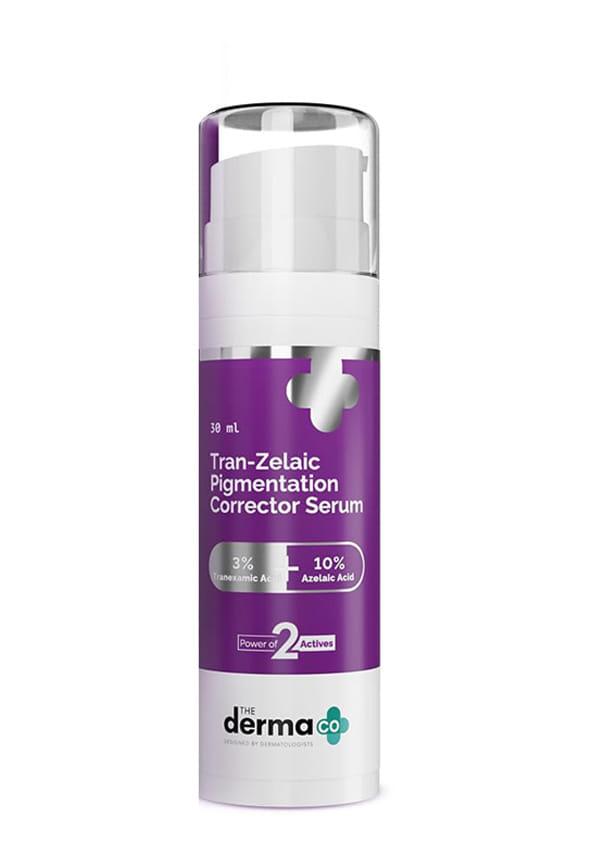
Tran-Zelaic Pigmentation Corrector Serum with Tranexamic Acid & Azelaic Acid
Light and Soothing on Skin
 5
5“no heaviness, very soothing on skin”
Light and Soothing on Skin
5“no heaviness, very soothing on skin”
Light and Soothing on Skin
5“no heaviness, very soothing on skin”
Let's be real—noticing dark patches around your mouth can be proper frustrating. That hyperpigmentation around mouth area seems to pop up out of nowhere, leaving you wondering what went wrong with your skincare routine. Whether it's uneven skin tone around mouth or those stubborn dark spots that just won't budge, you're definitely not alone in this struggle. The good news? There are loads of home remedies for pigmentation around mouth that actually work, and most of them are probably sitting in your kitchen right now.
This kind of skin discoloration around lips is more common than you'd think, especially among people with deeper skin tones. The area around your mouth is particularly vulnerable because it's constantly exposed to the elements, plus we're always touching, licking, and applying products to this zone. But before you start panicking about expensive treatments, let's dive into what's actually causing this and how you can tackle it naturally from home.
Understanding the darkness around mouth causes is your first step towards finding the right solution. Think of it like detective work—once you know what's triggering your pigmentation, you can target it properly. The truth is, there are several culprits that might be working alone or teaming up to create those unwanted dark patches.
Hormonal changes are massive players in this game. If you're pregnant, on birth control, or going through any hormonal shifts, your skin might be producing extra melanin around your mouth area. This type of hyperpigmentation is called melasma, and it loves to show up on your face, especially around the mouth and forehead.
Here's something that might surprise you—most people forget to apply SPF around their mouth area properly. We're great at slathering sunscreen on our cheeks and nose, but that delicate skin around your lips? Often gets overlooked. Years of UV damage can lead to uneven pigmentation that's particularly noticeable around the mouth.
Had a breakout around your mouth recently? Or maybe you've been a bit too aggressive with exfoliation? When your skin gets irritated or inflamed, it can respond by producing excess melanin as it heals. This is why you might notice dark spots appearing after acne clears up or after using harsh skincare products.
Sometimes the issue isn't just skin-deep. Deficiencies in vitamin B12 or iron can show up as pigmentation around your mouth. Plus, habits like smoking, constant lip licking, or even the way you remove your lipstick can contribute to skin discoloration around lips over time.
Right, let's get to the good stuff—how to remove pigmentation around mouth naturally without breaking the bank. These home treatments for hyperpigmentation have been tried and tested, and the best part is they're gentle enough for daily use. Just remember, consistency is key with natural remedies, so don't expect overnight miracles.
Before we dive in, here's your friendly reminder to always patch test any new ingredient on a small area first. Your skin around the mouth is quite sensitive, so it's better to be safe than sorry.
This classic duo is brilliant for lightening dark spots naturally. Lemon juice contains vitamin C and citric acid, which help break down melanin, while honey brings moisture and antibacterial properties to the party. Mix equal parts fresh lemon juice and raw honey, apply to the affected area, leave for 15 minutes, then rinse with cool water.
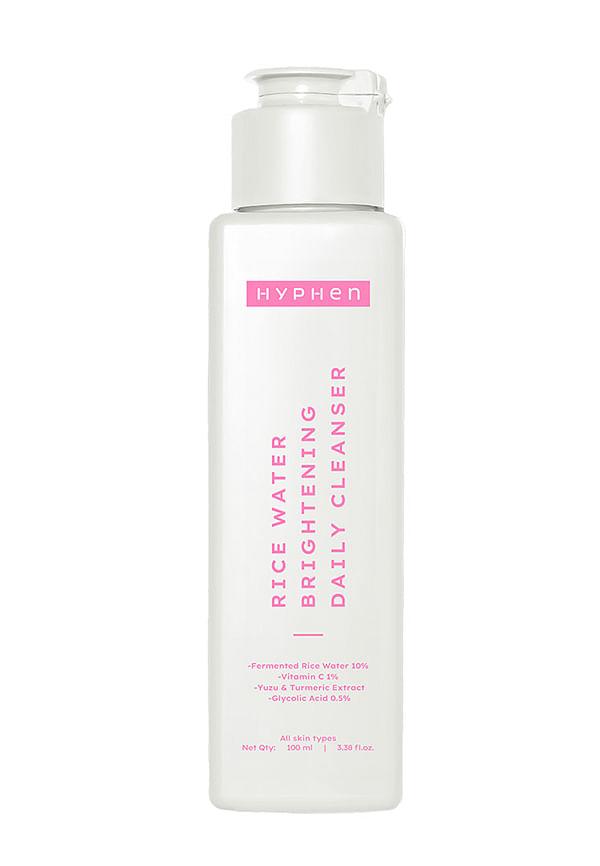
Rice Water Brightening Daily Cleanser | Brightens Skin, Reduces Dark Spots
Amazing Product
5“Good one nice love it amazing product ”
Positive Initial Impression
4“I really like it and i hope its work well on my skin”
Soft and Smooth Face
5“nice and pretty much face soft and smooth”
Don't laugh—potato juice is actually a game-changer for pigmentation! It contains enzymes and vitamin C that help fade dark spots gradually. Simply grate a fresh potato, squeeze out the juice, and dab it around your mouth area. Leave it on for 20 minutes before rinsing. The starch in potatoes also helps brighten the skin naturally.
This golden spice isn't just for your curry—it's brilliant for evening out skin tone. Mix a pinch of turmeric powder with a tablespoon of plain yoghurt to create a paste. The curcumin in turmeric helps reduce melanin production, while the lactic acid in yoghurt gently exfoliates dead skin cells.
Ready to level up your natural skincare game? These slightly more sophisticated home treatments combine multiple beneficial ingredients to tackle stubborn pigmentation. Think of these as your weekend pamper sessions that actually serve a purpose beyond relaxation.
The key with these natural remedies for dark spots is understanding that they work by gently encouraging cell turnover and inhibiting excess melanin production. Unlike harsh chemical treatments, these methods work with your skin's natural healing process.
Papaya is packed with vitamins A and C, plus natural enzymes that help dissolve dead skin cells. Mash a few pieces of ripe papaya and mix with rose water to create a smooth paste. This combination not only helps lighten pigmentation but also leaves your skin feeling incredibly soft and hydrated.
Fresh aloe vera gel contains aloesin, a compound that's been shown to help reduce melanin production. Mix it with a few drops of vitamin E oil for an extra nourishing treatment. This combo is particularly good if your pigmentation comes with dryness or irritation around the mouth area.
Brew some green tea, let it cool, then mix the liquid with finely ground oatmeal to create a gentle scrub. Green tea is loaded with antioxidants that help repair sun damage, while oatmeal provides the gentlest exfoliation possible. Use this twice a week to help speed up cell turnover without irritation.
Creating a consistent routine is absolutely crucial when you're trying to lighten dark skin around mouth naturally. Think of it like training for a marathon—you won't see results overnight, but with steady effort, you'll definitely get there. The trick is finding a routine that fits into your lifestyle without feeling like a massive chore.
Your morning routine should focus on protection, while evenings are perfect for treatment and repair. This approach ensures you're not just treating existing pigmentation but also preventing new dark spots from forming.
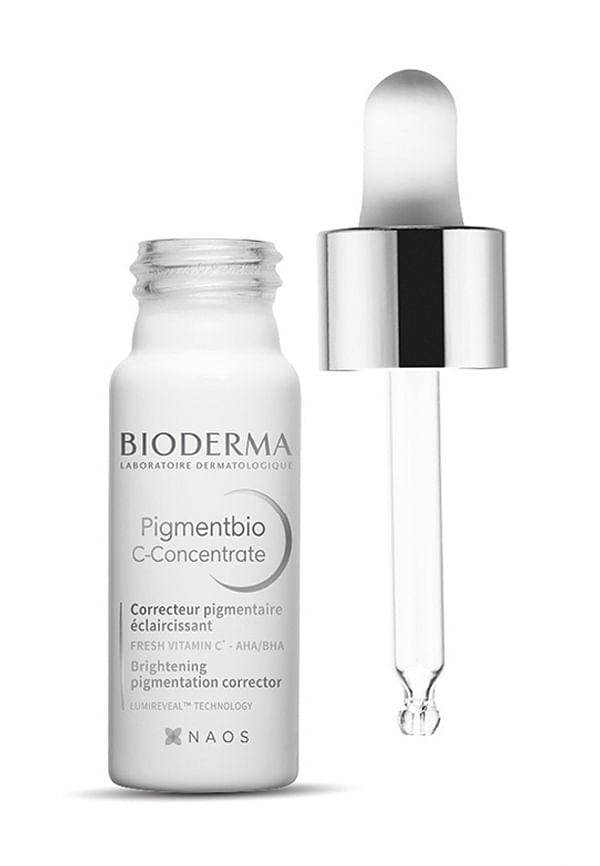
Pigmentbio C- Concentrate Brightening Cream Corrector Pigmentation Disorders
Start your day with a gentle cleanser that won't strip your skin. Follow up with a vitamin C serum if you have one, or apply some diluted lemon juice (mixed with water or aloe vera gel). The most crucial step? SPF 30 or higher, applied generously around your mouth area. Reapply every few hours, especially if you're outdoors.
Evenings are when the magic happens. After cleansing, apply your chosen natural treatment—whether it's potato juice, turmeric paste, or aloe vera gel. Give it time to work (usually 15-20 minutes) before rinsing and following up with a gentle moisturiser. Coconut oil mixed with a drop of vitamin E makes an excellent overnight treatment.
Once or twice a week, treat yourself to a more intensive session. This might be a longer papaya mask, a gentle oatmeal scrub, or a honey and lemon treatment. These sessions help accelerate the cell turnover process and can really boost your results.
Here's the thing about pigmentation treatment—prevention is honestly easier than cure. Once you've got your current dark spots under control, maintaining clear, even-toned skin around your mouth becomes much more manageable. It's all about building habits that protect your skin from future damage.
The most successful approach combines treating existing pigmentation while simultaneously preventing new spots from forming. This dual strategy means you're not constantly playing catch-up with your skincare.
Let's talk about SPF properly. You need broad-spectrum protection (UVA and UVB), minimum SPF 30, applied generously and reapplied every two hours. Don't forget your lips—use a lip balm with SPF. Physical barriers like wide-brimmed hats are your best friends, especially during peak sun hours between 10 AM and 4 PM.
Small changes can have massive impacts. Stop licking your lips (it causes irritation and dryness), remove makeup gently with oil-based cleansers, and be mindful of products that might be causing irritation. If you smoke, this is another excellent reason to quit—smoking restricts blood flow and can worsen pigmentation.
Your skin reflects what you eat, so load up on antioxidant-rich foods like berries, leafy greens, and citrus fruits. Vitamin C supports collagen production and helps fade dark spots from the inside out. If you suspect nutritional deficiencies, consider getting blood tests done—sometimes pigmentation is your body's way of signalling that something's off internally.
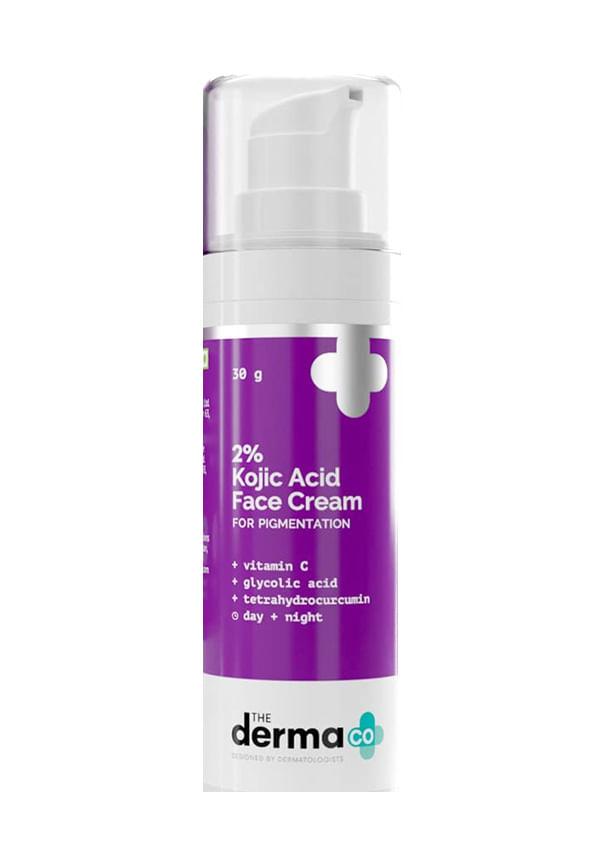
2% Kojic Acid Cream for Pigmentation
Very Good Product
5“Very good product must try good”
Good for dry skin
5“really a good cream to use for dry skin”
Not for sensitive skin, but liked it
5“I highly recommend you that if you have sensitive skin don't use it ... well i liked it”
Most people start noticing subtle improvements after 2-4 weeks of consistent use. Significant lightening typically takes 2-3 months, depending on how deep the pigmentation is and how religiously you stick to your routine. Remember, natural remedies work gradually—they're gentler but require patience.
Never use undiluted lemon juice, especially around the sensitive mouth area. Always mix it with honey, aloe vera gel, or water. Lemon juice can make your skin photosensitive, so only use it in the evening and always follow up with SPF the next morning. If you have very sensitive skin, try potato juice instead.
Dark circles around mouth usually refer to a bluish or greyish discolouration that might be related to blood circulation or genetics. Pigmentation is typically brown or black patches caused by excess melanin production. The treatment approaches can be similar, but it's worth identifying which one you're dealing with for the best results.
Avoid harsh scrubs, alcohol-based products, and anything with strong fragrances around your mouth area. Be cautious with essential oils—they can be irritating. If you're using retinoids or acids elsewhere on your face, introduce them very gradually around the mouth area as this skin is more sensitive.
Yes, but it might take longer and require more patience. Hormonal pigmentation (melasma) can be stubborn, but consistent use of natural brightening ingredients like vitamin C, turmeric, and gentle exfoliation can help. You might also want to address the hormonal aspect through diet, stress management, and possibly consulting with a healthcare provider.
If you've been consistent with natural treatments for 6 months without seeing improvement, or if the pigmentation is getting worse, it's time to see a dermatologist. Also, if you notice any changes in texture, size, or if the pigmentation appears suddenly, get it checked out professionally.
Dealing with pigmentation around your mouth doesn't have to be a nightmare. With the right combination of natural remedies, consistent care, and a bit of patience, you can definitely see improvements. The key is understanding what's causing your specific pigmentation and choosing treatments that address those root causes.
Remember, your skin is unique, so what works brilliantly for your friend might need tweaking for you. Start with gentler remedies like aloe vera or potato juice, and gradually introduce stronger treatments like lemon-based masks. Most importantly, never skip the SPF—it's your best defence against future pigmentation.
While you're working on your natural skincare routine, platforms like Smytten can be incredibly helpful for discovering new products that might complement your home treatments. With access to trial packs from trusted skincare brands, you can explore gentle, professional-grade products without committing to full sizes. Sometimes combining the best of natural remedies with carefully chosen skincare products gives you the most effective results. After all, why settle for 'maybe' when you can explore all your options and find what truly works for your skin?
