Perioral Hyperpigmentation on Indian Skin: FAQ

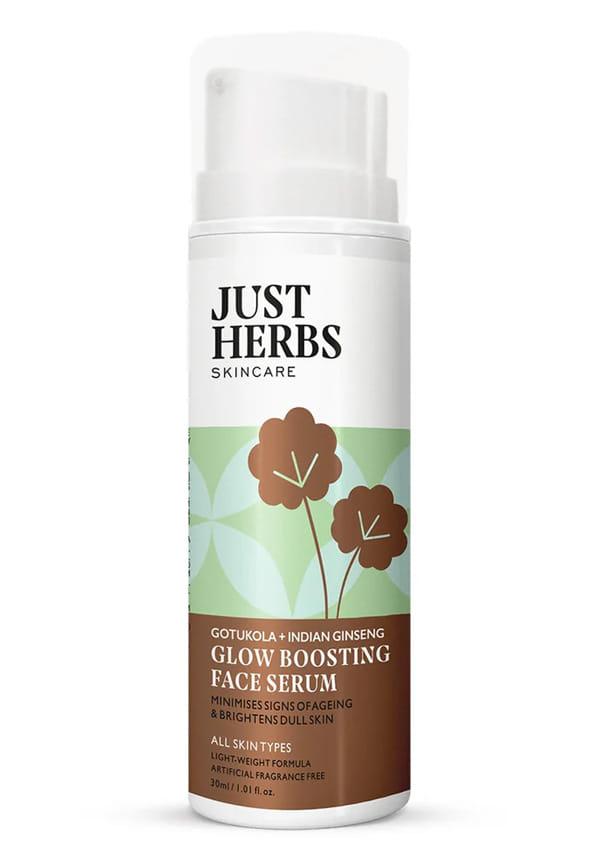
Gotukola Indian Ginseng Rejuvinating Beauty Elixir
Excellent Product Quality
 5
5“nice product and good quality excellent results”
Refreshing and Soothing
5“Soothes skin and feels refreshed”
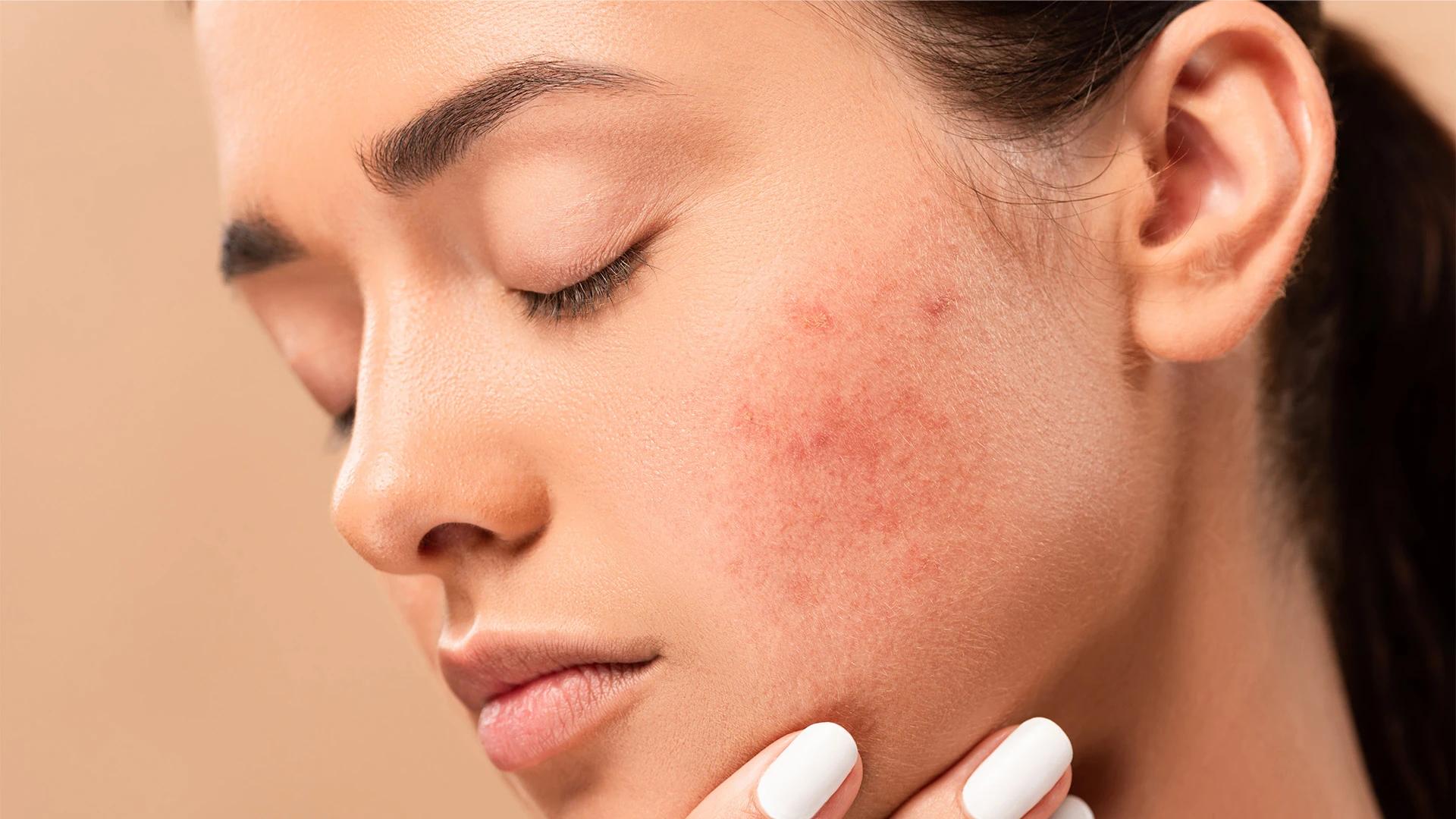
You've noticed it in the mirror during your morning routine - that subtle but persistent darkness around your mouth that seems to have appeared gradually. You're not alone in this concern. Perioral hyperpigmentation, or dark skin around the mouth, is incredibly common amongst Indian individuals, and there are specific reasons why our skin behaves this way. The good news? Understanding the causes is the first step towards effective treatment, and there are proven methods to address this concern.
Perioral hyperpigmentation refers to the darkening of skin specifically around the mouth area, including the upper lip, corners of the mouth, and sometimes extending to the chin. This occurs when melanocytes - the cells responsible for producing melanin - become overactive in response to various triggers. Indian skin naturally contains higher levels of melanin, which provides better protection against UV damage but also makes us more prone to pigmentation issues. Our skin's melanocytes are more reactive to inflammation, hormonal changes, and environmental stressors. This means that whilst we're less likely to experience sun damage like premature ageing, we're more susceptible to developing post-inflammatory hyperpigmentation and melasma. The perioral area is particularly vulnerable because the skin here is thinner and more sensitive than other parts of the face. It's constantly exposed to environmental factors like sun, pollution, and friction from eating, drinking, and skincare application. Additionally, this area often experiences more dryness, which can trigger melanin production as the skin attempts to protect itself.
Real talk - there isn't just one reason why darkness around mouth develops. Multiple factors often work together to create this concern, and identifying your specific triggers is crucial for effective treatment.
Even with our natural melanin protection, cumulative sun exposure remains a primary cause of perioral hyperpigmentation. The mouth area often gets missed during sunscreen application, or the product gets wiped away during eating and drinking. UV rays stimulate melanocyte activity, leading to increased melanin production in this delicate area. Many people don't realise that even brief sun exposure during commutes or outdoor activities can contribute to gradual darkening over time. The key is that this damage accumulates, so what seems like minimal exposure can result in noticeable pigmentation after months or years.
Hormonal fluctuations are significant triggers for pigmentation in Indian skin. Pregnancy, birth control pills, thyroid imbalances, and even stress-related hormonal changes can cause melasma to develop around the mouth area. This type of pigmentation often appears symmetrically and can be particularly stubborn to treat. Post-inflammatory hyperpigmentation from acne, razor burns, or skin irritation also falls under this category. When the skin experiences inflammation, it responds by producing excess melanin as a protective mechanism.
Severe facial dryness, especially common during winter months or in air-conditioned environments, can trigger melanin overproduction. When the skin barrier is compromised, it becomes more reactive and prone to pigmentation. Friction from face masks, clothing, aggressive skincare application, or even habitual touching can cause chronic low-level inflammation. Over time, this leads to darkening of the affected area. Nutritional deficiencies, particularly iron, vitamin B12, and folate deficiencies, can also contribute to skin discolouration.
Family history plays a significant role in pigmentation patterns. If your parents or siblings have experienced similar skin discoloration around mouth, you're more likely to develop it as well. This genetic predisposition affects how your melanocytes respond to triggers and how efficiently your skin can repair pigmentation damage.
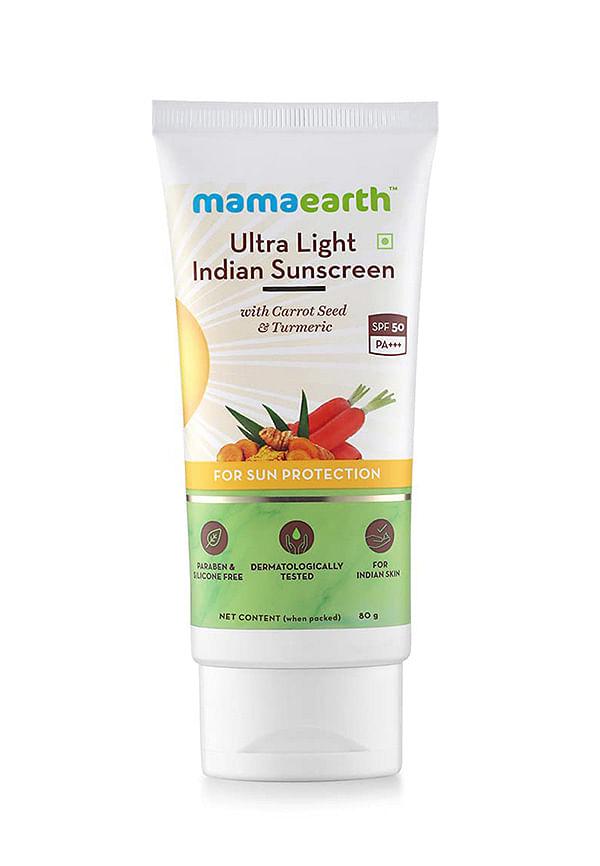
Ultra Light indian Sunscreen
When home remedies aren't providing the results you're looking for, professional treatments offer more targeted and faster solutions for pigmentation around mouth treatment.
Chemical peels using glycolic acid, lactic acid, or mandelic acid can effectively address superficial pigmentation. These treatments work by removing the top layers of pigmented skin and encouraging cell turnover. For Indian skin, gentler acids like mandelic acid are often preferred as they're less likely to cause post-inflammatory hyperpigmentation. Professional peels typically require 4-6 sessions spaced 2-3 weeks apart. The results are gradual but noticeable, with many people seeing improvement after the second session.
Laser treatments specifically designed for darker skin tones, such as Q-switched lasers, can target melanin deposits without damaging surrounding tissue. Microneedling combined with vitamin C or kojic acid serums can also improve uneven skin tone around the mouth area. These treatments require careful selection of practitioners experienced with Indian skin, as improper laser settings can worsen pigmentation rather than improve it.
Dermatologist-prescribed treatments often include hydroquinone, tretinoin, or combination creams containing kojic acid and arbutin. These ingredients work by inhibiting melanin production and increasing cell turnover. Vitamin C serums in concentrations of 15-20% can also help fade existing pigmentation whilst preventing new dark spots from forming. The key is consistent use and proper sun protection.
Whilst professional treatments offer faster results, natural remedies for perioral hyperpigmentation can be effective for mild cases and as maintenance therapy.
Regular but gentle exfoliation helps remove pigmented dead skin cells and encourages healthy cell turnover. A soft washcloth with a gentle cleanser, used 2-3 times per week, can gradually improve skin texture and tone. DIY chemical exfoliants using diluted apple cider vinegar or rice water can provide mild exfoliation without irritation. Always patch test first and start with once-weekly application.
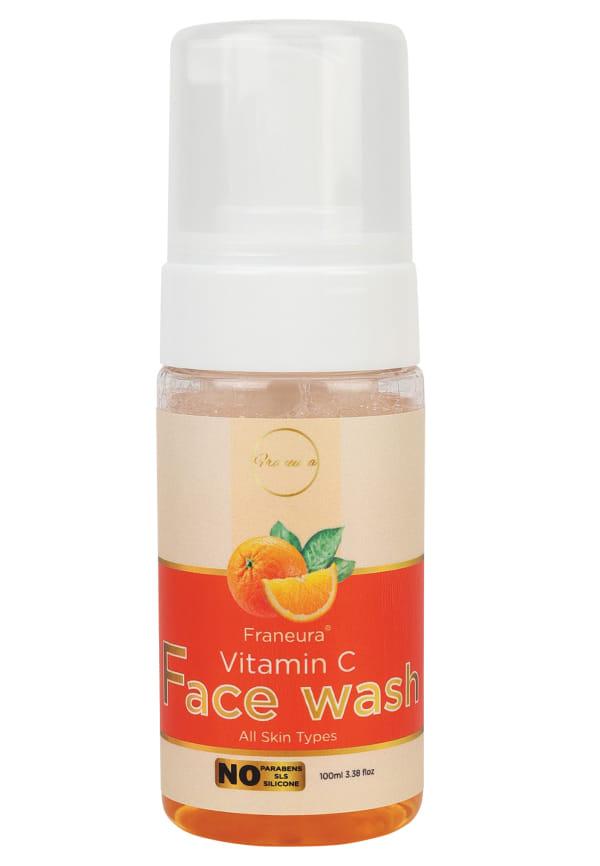
Vitamin C Foaming Face Wash - Brighten & Even Skin Tone
Great Face Wash
4“nice forming face wash with vitamin c extract”
Raw potato contains vitamin C and mild bleaching properties. Gently massaging thin potato slices on the affected area for 10-15 minutes daily can help lighten pigmentation over time. Turmeric and milk masks combine anti-inflammatory properties with gentle exfoliation. Mix a pinch of turmeric with milk to form a paste, apply for 15 minutes, then rinse thoroughly. Lemon juice should be used with extreme caution, as it can increase photosensitivity and potentially worsen pigmentation if followed by sun exposure.
Rosehip oil contains natural vitamin A and C, which can help fade pigmentation when used consistently. Apply a few drops to clean skin before moisturiser, focusing on the darkened areas. Jojoba oil closely mimics skin's natural sebum and can help repair the skin barrier whilst providing gentle nourishment to the delicate perioral area.
Preventing further darkening is just as important as treating existing pigmentation. Your skin will notice these protective measures, and they're worth adding to your routine.
Choose a broad-spectrum SPF 30 or higher specifically formulated for Indian skin tones. Reapply every 2-3 hours, paying special attention to the mouth area. Look for non-comedogenic formulas that won't clog pores or feel heavy on the skin.
Gentle cleansing with a pH-balanced cleanser prevents irritation that can trigger pigmentation. Follow with a niacinamide serum to regulate melanin production and a moisturiser to maintain skin barrier function. Avoid harsh scrubs or aggressive rubbing around the mouth area. Pat products gently and allow each layer to absorb before applying the next.
Staying hydrated helps maintain skin health and can prevent dryness-induced pigmentation. Include antioxidant-rich foods like berries, leafy greens, and citrus fruits in your diet to support skin repair from within. Managing stress through adequate sleep, exercise, and relaxation techniques can help balance hormones that contribute to pigmentation issues.
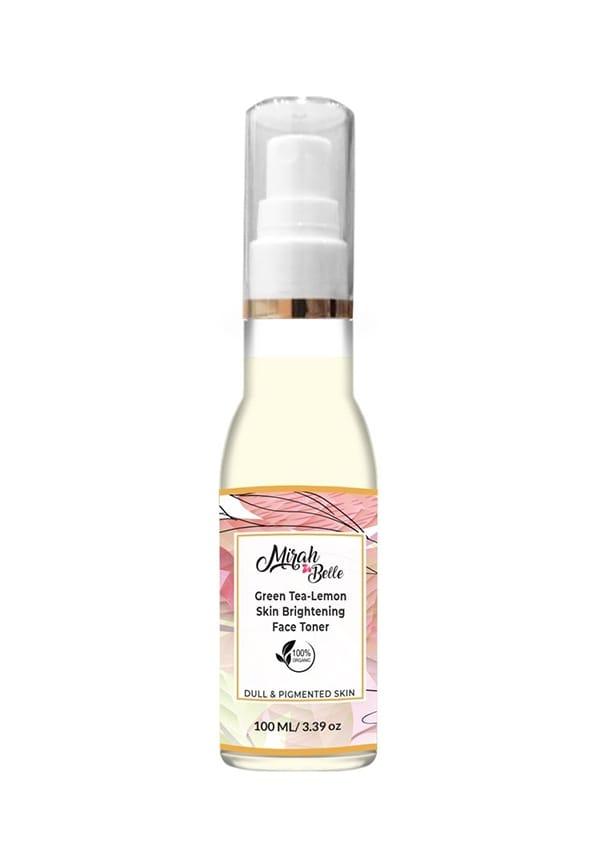
Green Tea & Lemon Skin Brightening Face Toner
With consistent treatment, you may notice initial improvement in 4-6 weeks, but significant results typically take 3-6 months. Professional treatments can accelerate this timeline, whilst natural remedies require more patience. The key is consistency and protecting your skin from further damage during treatment.
Home remedies can significantly lighten mild to moderate pigmentation, but severe or long-standing hyperpigmentation often requires professional intervention. Natural treatments work best as part of a comprehensive approach that includes proper skincare and sun protection.
Perioral hyperpigmentation is rarely permanent, though it can be persistent without proper treatment. With the right approach combining professional treatments, consistent skincare, and lifestyle modifications, most people see significant improvement. However, maintenance is crucial to prevent recurrence.
Avoid harsh scrubs, high-concentration acids without proper introduction, and products containing fragrances or essential oils that can cause irritation. Be cautious with lemon juice and other citrus extracts, as they can increase photosensitivity and potentially worsen pigmentation.
Consistent sun protection is crucial - use SPF daily and reapply frequently. Maintain a gentle skincare routine with ingredients like niacinamide and vitamin C. Address underlying causes like hormonal imbalances or nutritional deficiencies, and avoid habits that cause friction or irritation to the area.
Consult a dermatologist if the pigmentation is severe, rapidly worsening, or not responding to home treatments after 2-3 months. Professional evaluation can identify underlying causes and recommend targeted treatments that are safe for your specific skin type and condition.
Treating darkness around mouth Indian skin requires patience, consistency, and often a combination of approaches. Understanding that this is a common concern that affects many people with our skin type can help you feel less self-conscious whilst working towards improvement. The most effective approach typically combines professional guidance with consistent home care and lifestyle modifications. Your skin journey is unique, and what works for others may need adjustment for your specific needs and triggers. If you're curious about trying different skincare products to address pigmentation concerns, Smytten's curated selection includes many trusted brands that offer targeted solutions for Indian skin. With options to explore products through trial sizes before committing to full-size purchases, you can discover what works best for your skin without the guesswork. After all, finding the right products for your skin concerns shouldn't involve settling for 'maybe' when you can try them first.
