Period and Skin Changes Cycle FAQ: Common Questions Answered


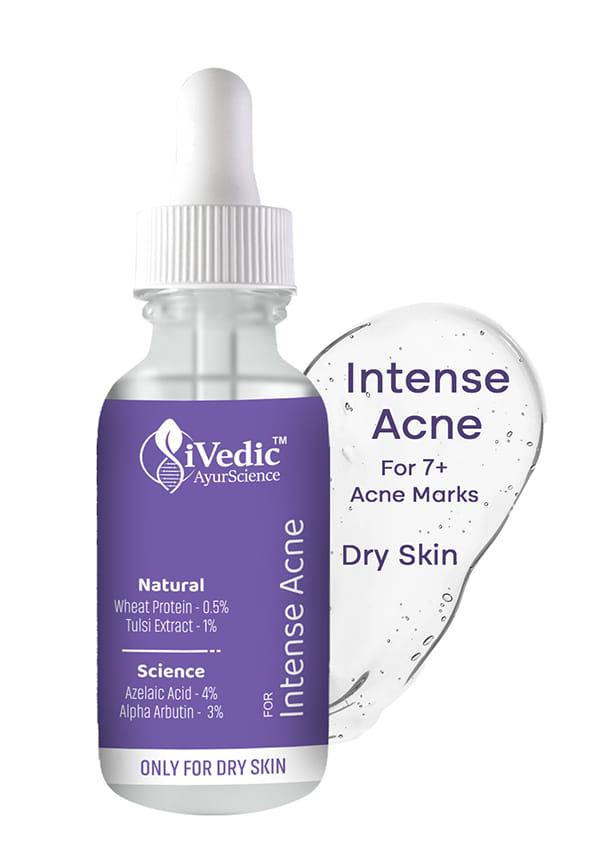
Acne End Face Serum | Only For Dry Skin with Intense Acne
If you've ever wondered why your skin seems to have a mind of its own throughout the month, you're not alone. The period and skin changes cycle affects millions of women, creating a predictable pattern of breakouts, dryness, and glow that follows your menstrual rhythm. One week you're dealing with hormonal acne during your period, the next you're enjoying clear, radiant skin during ovulation. Understanding these monthly skin fluctuations isn't just about predicting when breakouts will strike—it's about working with your body's natural rhythms to create a skincare routine that actually works. From the science behind estrogen levels and skin health to practical tips for managing luteal phase skin problems, navigating your cycle doesn't have to feel like a guessing game. With platforms like Smytten offering trial-sized skincare products, you can experiment with different approaches for each phase without committing to full-size purchases. Real talk: your skin's monthly transformation is completely normal, and once you understand the why behind these changes, you'll be better equipped to give your skin exactly what it needs, when it needs it.
Your menstrual cycle creates four distinct phases of skin changes, from period dryness to ovulation glow
Hormonal fluctuations in estrogen and progesterone directly impact oil production, collagen synthesis, and skin sensitivity
The luteal phase (days 17-28) typically brings the most challenging skin issues, including PMS breakouts and increased oiliness
Adapting your skincare routine to match each cycle phase can significantly improve your skin's overall health and appearance
Severe or unusual skin changes during your cycle may indicate underlying hormonal imbalances worth discussing with a healthcare provider
Your skin is essentially a hormone-responsive organ, reacting to the monthly ebb and flow of estrogen and progesterone like a barometer tracking atmospheric pressure. These hormonal fluctuations don't just affect your mood and energy levels—they fundamentally alter how your skin behaves, from oil production to cellular turnover rates.
Estrogen levels and skin health share an intimate relationship. When estrogen peaks around ovulation, it stimulates collagen production, improves skin thickness, and enhances your natural glow. This hormone also helps maintain skin hydration by supporting the production of hyaluronic acid and ceramides. Conversely, when estrogen drops during menstruation, your skin may appear duller, thinner, and more prone to sensitivity.
Progesterone effects on skin tell a different story entirely. This hormone, which rises during the luteal phase, increases sebum production and can make pores appear larger. It also raises your skin's temperature slightly, which may contribute to that pre-period flush many women experience. Understanding these monthly skin fluctuations helps explain why your usual skincare routine might work brilliantly one week and feel completely wrong the next.
Your menstrual cycle creates four distinct chapters in your skin's monthly story, each with its own characteristics and challenges. Recognising these patterns helps you anticipate and address skin changes before they become problematic.
During your period, both estrogen and progesterone plummet to their lowest levels, leaving your skin in a vulnerable state. This hormonal crash often manifests as increased dryness, sensitivity, and a general lack of radiance. Your skin barrier function may be compromised, making it more reactive to products and environmental stressors.
Period breakouts causes during this phase are typically related to inflammation rather than excess oil production. The skin may appear pale or sallow, and many women notice increased under-eye circles due to hormonal fatigue and potential iron deficiency from menstrual blood loss.
As your period ends and estrogen begins its gradual climb, your skin starts its recovery journey. This phase often brings noticeable improvements in skin texture, hydration, and overall appearance. Collagen production increases, helping to plump fine lines and improve skin elasticity.
Many women find this is when their skincare products work most effectively, as the skin barrier is strengthening and becoming more receptive to active ingredients like retinoids and vitamin C.
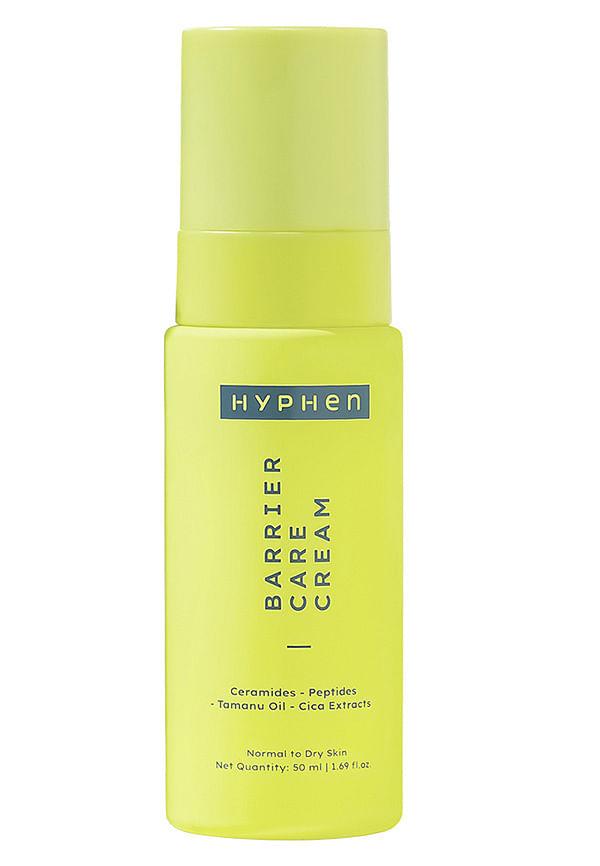
Barrier Care Cream - Normal To Dry Skin
When estrogen reaches its monthly peak around ovulation, your skin typically looks its absolute best. This is when you'll notice that coveted "ovulation glow"—skin appears plump, radiant, and virtually poreless. Increased blood flow and optimal hydration levels contribute to this natural luminosity.
This brief window represents your skin at its most resilient and balanced state. It's an excellent time to take progress photos or try new skincare treatments, as your skin is most likely to respond positively.
The luteal phase brings the most significant skin challenges for most women. As progesterone rises and estrogen begins to decline, oil production increases dramatically. Pores may appear larger, and the skin becomes more prone to congestion and breakouts.
PMS skin symptoms during this phase can include increased sensitivity, inflammation, and the dreaded pre-period breakouts that seem to appear overnight. This is when many women experience their worst skin days of the cycle, often accompanied by bloating and mood changes that make skincare feel like an uphill battle.
Understanding the specific skin challenges that arise during different cycle phases empowers you to address them proactively rather than reactively. Each phase brings its own set of concerns, but with the right approach, you can minimise their impact.
Hormonal acne during your period typically appears along the jawline, chin, and lower cheeks—areas rich in hormone receptors. Unlike regular acne, these breakouts follow a predictable monthly pattern and often present as deeper, more painful cysts rather than surface whiteheads.
The key to managing cyclical breakouts lies in understanding their timing. Starting targeted treatments a few days before you expect breakouts can significantly reduce their severity. Ingredients like salicylic acid, niacinamide, and benzoyl peroxide can be particularly effective when used strategically rather than continuously.
Dry skin before your period is incredibly common and often catches women off guard, especially those with typically oily complexions. This dryness stems from declining estrogen levels, which reduce the skin's ability to retain moisture and maintain its protective barrier.
During sensitive phases, gentle hydration becomes paramount. Look for products containing ceramides, hyaluronic acid, and squalane—ingredients that support barrier function without causing irritation. Avoid harsh exfoliants and strong actives when your skin feels particularly reactive.
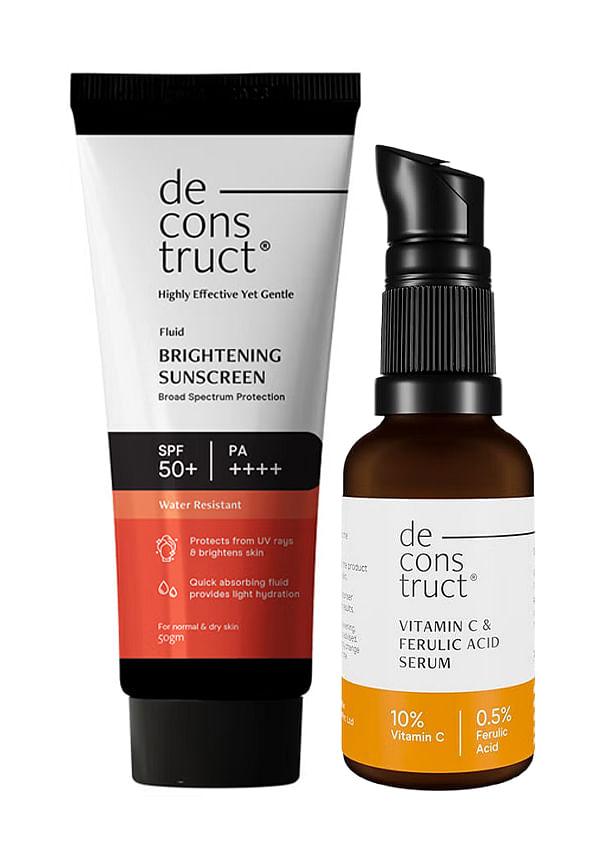
Ultimate Skin Protection & Glow Kit for Dry Skin
Creating a cycle-synced skincare routine doesn't mean completely overhauling your regimen every week—it's about making strategic adjustments that support your skin's changing needs. Think of it as fine-tuning rather than reinventing.
During menstruation, focus on gentle, nourishing products that support your compromised skin barrier. This isn't the time for aggressive treatments or new product introductions. Instead, prioritise hydrating toners, gentle cleansers, and rich moisturisers that help restore your skin's natural balance.
The follicular phase offers an excellent opportunity to introduce new products or treatments, as your skin is becoming more resilient. This is when vitamin C serums, gentle exfoliants, and hydrating masks tend to deliver their best results.
During ovulation, maintain your routine while perhaps scaling back on heavy treatments—your skin is already performing at its peak. The luteal phase calls for oil-control strategies and breakout prevention, making it an ideal time for salicylic acid treatments and clay masks.
Certain skincare ingredients work particularly well during specific cycle phases. Niacinamide, for instance, helps regulate oil production during the luteal phase while supporting barrier function during menstruation. Hyaluronic acid provides crucial hydration throughout the cycle but becomes especially important when estrogen levels drop.
Retinoids can be beneficial but may need timing adjustments—some women find their skin more sensitive to retinol during menstruation and prefer to use it during the follicular phase when tolerance is higher.
The 7-2-1 rule suggests changing menstrual products every 7 hours for pads, every 2 hours for tampons during heavy flow, and checking every 1 hour during your heaviest day. While this rule focuses on menstrual hygiene, it also relates to skin care—during heavy flow days, your skin may be more sensitive due to hormonal fluctuations and potential nutrient depletion, requiring gentler skincare approaches.
Your skin typically looks its best during the ovulation phase (around days 14-16), when estrogen peaks. This is when you'll notice the famous "ovulation glow"—skin appears plump, radiant, and clear due to optimal hormone levels, increased collagen production, and enhanced blood flow. Many women report this as their most photogenic time of the month.
The luteal phase (days 17-28) typically brings the most challenging skin days. During this time, rising progesterone increases oil production while declining estrogen reduces skin's natural glow. This combination often results in enlarged pores, increased breakouts, and overall congestion. The few days before your period usually represent the peak of these skin challenges.
Ultimate Skin Protection & Glow Kit for Dry Skin
Skin typically begins clearing up during the follicular phase (days 6-14) as estrogen starts rising again. You'll notice gradual improvements in texture, hydration, and overall appearance. The clearing process usually peaks during ovulation and may continue into the early luteal phase before declining again as your next period approaches.
Track your skin changes alongside your menstrual cycle for 2-3 months. Cycle-related changes follow predictable patterns—breakouts before periods, dryness during menstruation, and glow during ovulation. If your skin issues don't correlate with your cycle or seem unusually severe, consider consulting a dermatologist or healthcare provider.
Yes, hormonal birth control can significantly alter your natural skin cycle patterns. Some forms may reduce cyclical breakouts by stabilising hormone levels, while others might worsen skin issues. If you're on hormonal contraception and experiencing unexpected skin changes, discuss this with your healthcare provider. Platforms like Smytten allow you to trial different skincare products to find what works best with your current hormonal situation.
You don't need to completely overhaul your routine—small, strategic adjustments work best. Keep your core products (gentle cleanser, moisturiser, SPF) consistent, but modify treatments and actives based on your cycle phase. For example, use oil-controlling products during the luteal phase and focus on hydration during menstruation.
Hormonal fluctuations can override even the best skincare routines. If you're experiencing persistent cyclical breakouts despite consistent care, consider factors like stress, diet, sleep, and underlying hormonal imbalances. Sometimes, working with a healthcare provider to address internal factors proves more effective than topical treatments alone.
Understanding your period and skin changes cycle transforms skincare from a reactive to a proactive practice. Your skin's monthly fluctuations aren't random—they're predictable responses to hormonal changes that you can learn to anticipate and address. The key lies in recognising that what works during ovulation might not work during your luteal phase, and that's completely normal.
Rather than fighting against these natural rhythms, work with them. Embrace the simplicity of gentle care during menstruation, maximise the benefits of your follicular phase recovery, celebrate your ovulation glow, and prepare strategically for luteal phase challenges. Remember that severe or unusual skin changes warrant professional consultation, as they may indicate underlying health issues that extend beyond normal cyclical variations.
Most importantly, be patient with your skin and yourself. Monthly skin fluctuations are part of being a woman, and learning to navigate them skillfully takes time and observation. Track your patterns, adjust your routine thoughtfully, and remember that your skin's needs are as individual as you are.
Navigating the period and skin changes cycle becomes much easier when you have access to the right products for each phase of your monthly journey. Smytten, India's largest product discovery and trial platform, offers an ideal solution for women looking to experiment with cycle-specific skincare without the commitment of full-size purchases. With curated trial packs from over 2,400 trusted brands including Cetaphil, Dot & Key, WishCare, and Swiss Beauty, you can discover what works best for your skin during different hormonal phases. The platform's unique approach allows you to get up to 10 trial points for just ₹279, plus 100% cashback on trial purchases redeemable for future orders. Whether you're seeking gentle hydrating products for your menstrual phase or oil-control solutions for your luteal phase, Smytten's authentic brand-verified minis let you try before you buy across 90% pin code coverage. After all, why settle for maybe when you can #TryItAll and find the perfect products for every phase of your cycle?
