Peptides vs Retinol: Which Anti-Aging Skincare Ingredient Wins?
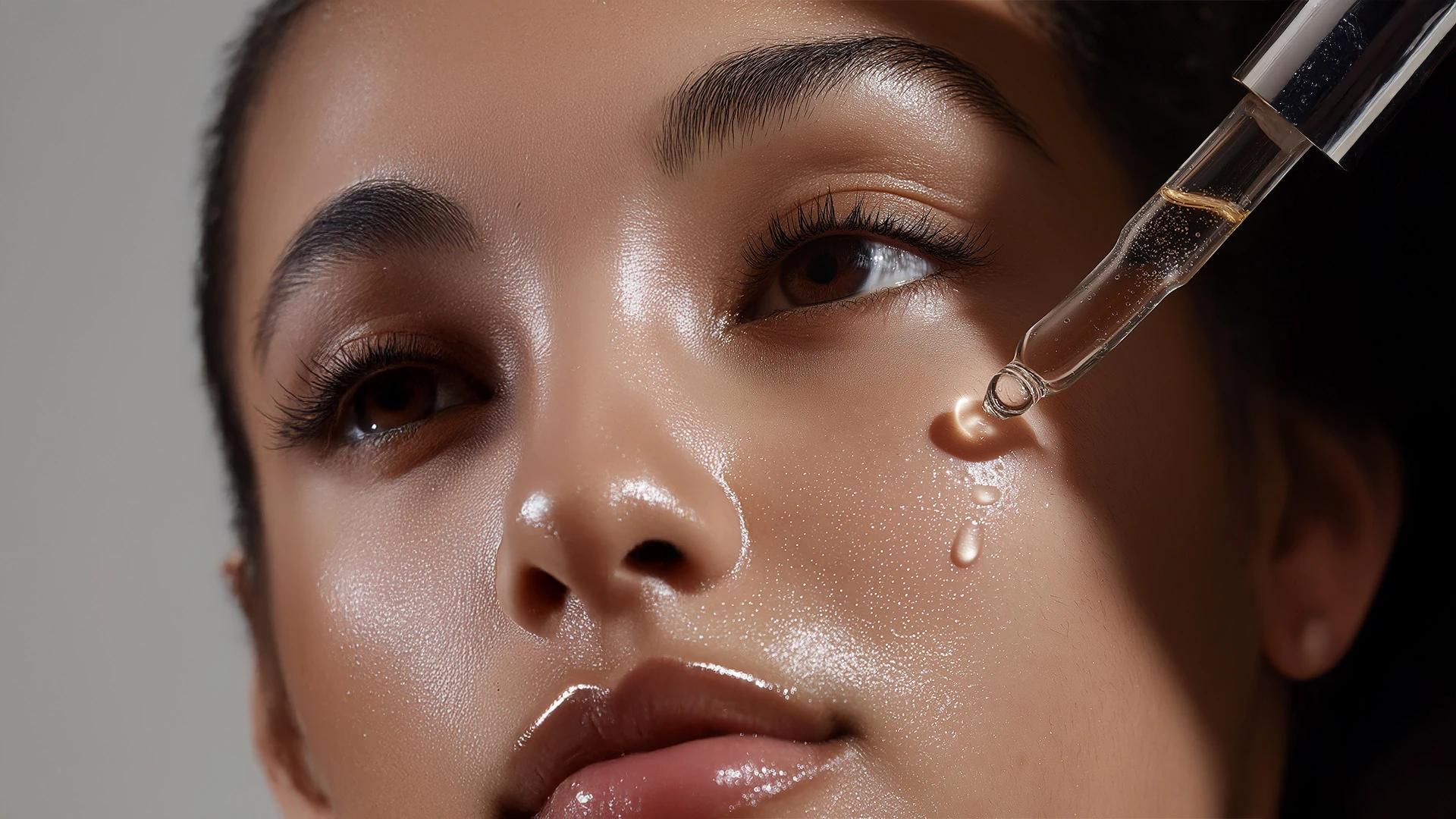

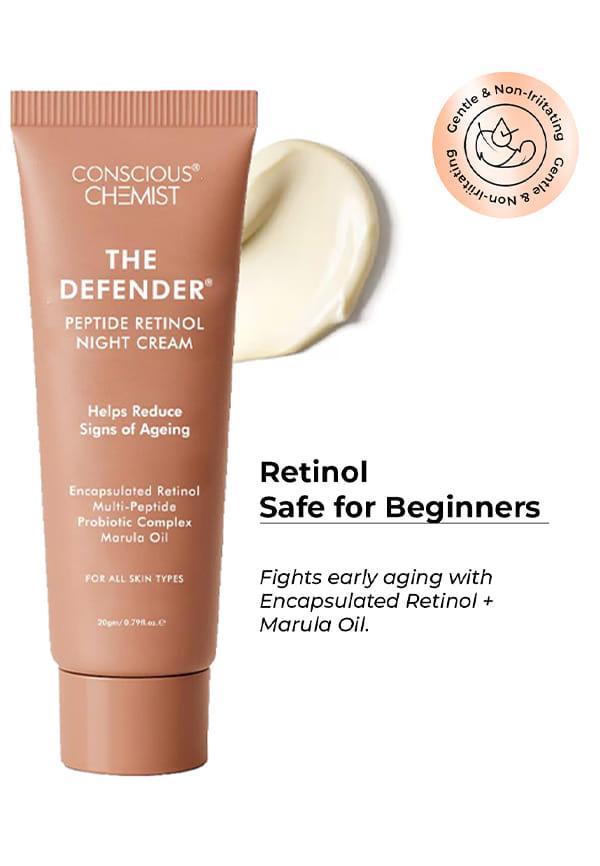
Multi Peptide Retinol Anti Aging Night Cream For Fine Lines & Sagging Skin
You're standing in the skincare aisle, holding two serums that promise to turn back time. One boasts peptides for gentle renewal, the other features retinol for proven results. Both claim to be the ultimate anti-aging solution, but which one actually deserves a spot in your routine? The peptides vs retinol debate has been brewing in skincare circles for years, and honestly, the answer isn't as straightforward as you might hope. Your skin's needs, tolerance, and goals all play a part in this decision. Let's break down the science, benefits, and real-world results of these two powerhouse ingredients so you can make the choice that's right for your skin.
Before diving into the comparison, it's worth understanding what these ingredients actually do beneath the surface of your skin. Both peptides for skin and retinol for skin work to combat signs of aging, but they take completely different approaches to get there.
Peptides are essentially short chains of amino acids that act as messengers, telling your skin cells what to do. Think of them as the polite friend who gently suggests you might want to produce more collagen, rather than demanding it. There are several types working in skincare: signal peptides that encourage collagen production, carrier peptides that deliver minerals to boost healing, and neurotransmitter peptides that help relax facial muscles to reduce expression lines.
What makes peptides particularly appealing is their gentle nature. They work with your skin's natural processes rather than forcing dramatic changes, making them suitable for daily use without the irritation that often comes with more aggressive anti-aging ingredients.
Retinol belongs to the retinoid family, a derivative of vitamin A that's been the gold standard in anti-aging skincare for decades. Unlike peptides, retinol works by speeding up cell turnover, essentially encouraging your skin to shed old, damaged cells and replace them with fresh ones. This process also stimulates collagen production deep in the dermis.
The retinoid family includes various forms: retinol (available over-the-counter), retinal (a more potent cousin), and retinoic acid (prescription-strength). Each varies in potency and how quickly your skin converts them into the active form that creates change.
When it comes to anti aging skincare, both ingredients bring impressive credentials to the table. However, their approaches and timelines differ significantly.
Peptides benefits centre around gentle, cumulative improvement. They stimulate collagen synthesis without causing irritation, making them perfect for those with sensitive skin or anyone who's struggled with retinol in the past. Peptides also improve your skin's barrier function, helping it retain moisture more effectively.
One of the most interesting aspects of peptides is their ability to reduce fine lines through muscle relaxation. Certain peptides work similarly to botox (though much more gently), helping to soften expression lines around the eyes and mouth. This makes them particularly effective for preventing new lines from forming.
Retinol benefits are well-documented and impressive. The accelerated cell turnover creates smoother skin texture, while the collagen stimulation helps plump existing wrinkles. Retinol also tackles hyperpigmentation effectively, evening out skin tone over time.
What sets retinol apart is its proven track record. Decades of research support its effectiveness for both preventing and treating signs of aging. It's particularly powerful for addressing sun damage, deeper wrinkles, and overall skin texture improvements.
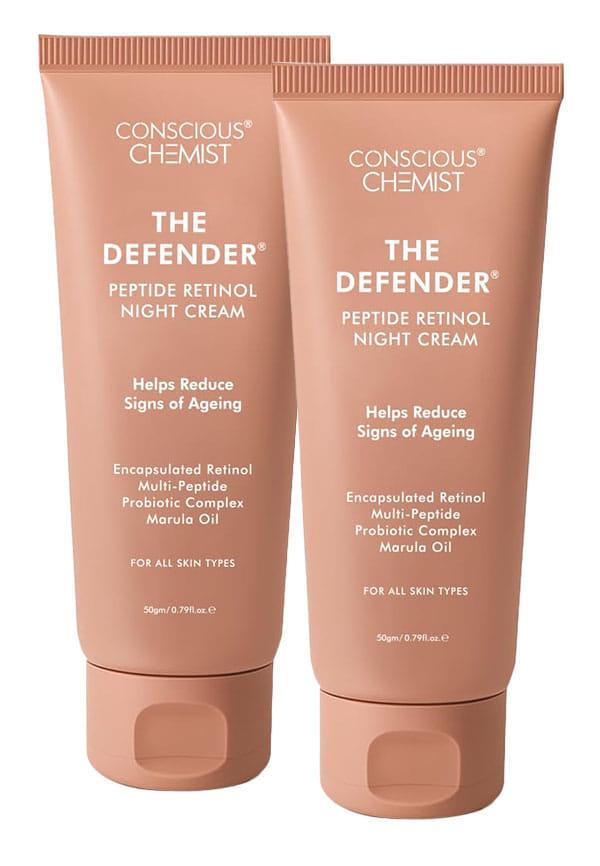
Multi Peptide Retinol Anti Aging Night Cream For Fine Lines & Sagging Skin
Here's where the two ingredients diverge significantly. Peptides work gradually, with subtle improvements appearing around 4-8 weeks and full benefits becoming apparent after 12 weeks of consistent use. Retinol often shows initial results within 2-4 weeks, though significant improvements still take the full 12-week mark.
The trade-off is tolerance versus speed. Retinol's faster results come with a higher likelihood of initial irritation, while peptides' gentle approach means you're less likely to experience any negative side effects during the adjustment period.
The choice between these aging skin solutions often comes down to your specific concerns and skin's tolerance level.
For deeper, established wrinkles, retinol typically takes the lead. Its ability to dramatically increase cell turnover and stimulate collagen production makes it more effective for treating existing damage. However, for fine lines and prevention, peptides offer excellent results with their plumping and smoothing effects.
If you're in your twenties or thirties and focusing on prevention, peptides might be the smarter long-term choice. For those dealing with more advanced signs of aging, retinol's proven efficacy makes it worth considering despite the potential for initial sensitivity.
This is where peptides truly shine. If you have reactive skin, rosacea, or have struggled with retinol sensitivity in the past, peptides offer anti-aging benefits without the drama. They're gentle enough for twice-daily use and rarely cause irritation.
Retinol sensitivity typically manifests as dryness, peeling, redness, or increased sensitivity to other products. While these effects often subside as your skin builds tolerance, some people never adjust comfortably to retinol use.
In your twenties and thirties, prevention is key. Peptides work beautifully for maintaining healthy collagen production and preventing premature aging. In your forties and fifties, you might benefit from retinol's more aggressive approach to treating existing damage. For those over sixty, peptides often provide effective results with greater comfort, though some may still tolerate and benefit from gentle retinol formulations.
The good news is that these ingredients can work beautifully together when introduced thoughtfully. Many skincare enthusiasts find that combining both gives them the best of both worlds.
The most common approach is using a peptide serum in the morning and retinol serum at night. This separation prevents any potential interaction while allowing both ingredients to work optimally. Morning peptides help protect and strengthen your skin for the day ahead, while evening retinol works on renewal overnight.
If you want to use both in the same routine, apply the peptide serum first, wait a few minutes, then follow with retinol. Some people find this buffering method reduces retinol irritation while maintaining effectiveness.
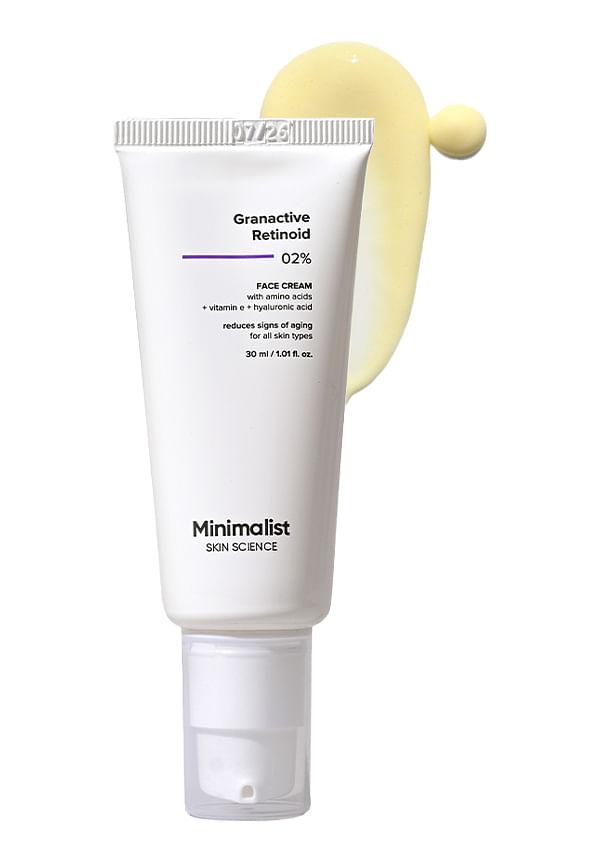
2% Retinoid Anti Ageing Night Cream For Wrinkles & Fine Lines
Another effective strategy is alternating nights: peptides one evening, retinol the next. This gives your skin regular exposure to both ingredients without overwhelming it. Start with this approach if you're new to either ingredient, then gradually increase frequency as your skin adapts.
Choosing the right formulation is just as important as choosing the right ingredient. Both peptide and retinol serums vary significantly in quality and effectiveness.
Effective peptide serums typically contain multiple types of peptides at concentrations between 3-10%. Look for formulations that include complementary ingredients like hyaluronic acid for hydration and niacinamide for additional anti-aging benefits.
Packaging matters with peptides too. While they're more stable than retinol, airless pumps or dark glass bottles help preserve their effectiveness. Avoid peptide products in clear containers or jars that expose the formula to light and air repeatedly.
For retinol serums, beginners should start with concentrations between 0.25-0.5%. More experienced users can work up to 1-2% formulations. Encapsulated retinol tends to be gentler and more stable than traditional formulations, making it a good choice for sensitive skin.
Look for retinol products in opaque, airtight packaging. Retinol degrades quickly when exposed to light and air, so proper packaging is essential for maintaining potency.
Generally, effective peptide serums tend to be more expensive than retinol products due to the cost of peptide synthesis. However, peptides can often be used twice daily, while retinol is typically used only at night, which affects the overall value proposition.
Consider the frequency of use and longevity when comparing prices. A slightly more expensive peptide serum used daily might offer better value than a cheaper retinol used only every other night.
Understanding the safety profile of each ingredient helps you make an informed decision based on your skin's needs and limitations.
Peptides have an excellent safety record with minimal side effects. They're generally safe during pregnancy and breastfeeding, though it's always wise to consult with your healthcare provider. Peptides play well with other skincare ingredients, including vitamin C, niacinamide, and hyaluronic acid.
The main consideration with peptides is ensuring you're not allergic to any specific peptide in the formulation, though reactions are rare.
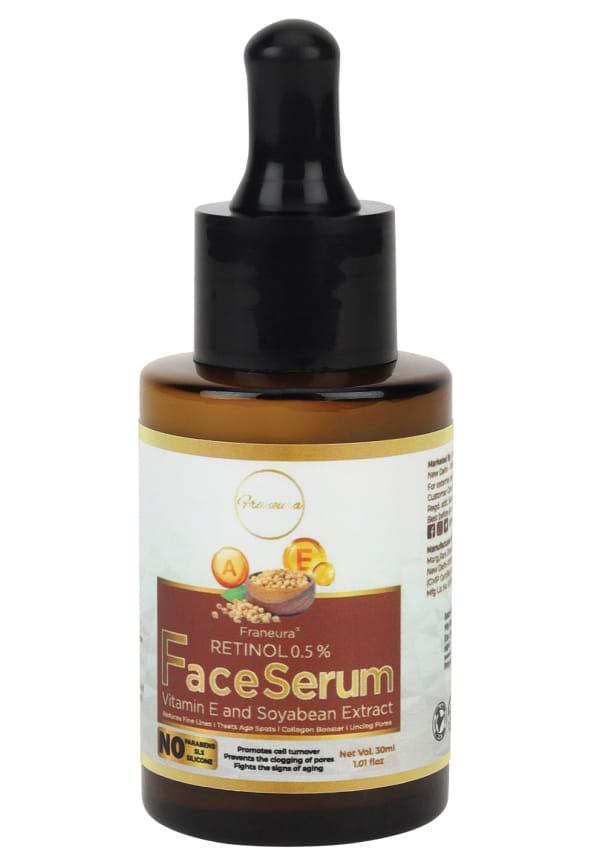
Retinol Anti-Aging Face Serum to Reduce Fine Lines & Wrinkles
Retinol requires more careful consideration. Common side effects include dryness, peeling, and increased sensitivity, especially during the first few weeks of use. Retinol also increases sun sensitivity, making daily SPF absolutely essential.
Pregnant and breastfeeding women should avoid retinol products. Those with very sensitive skin, active eczema, or certain skin conditions may find retinol too irritating even with gradual introduction.
While both ingredients are available for at-home use, consulting with a dermatologist can help you determine the best approach for your specific skin concerns. Professional-grade treatments may offer higher concentrations or combination therapies that aren't available over-the-counter.
For dramatic results and proven wrinkle reduction, retinol is superior. For gentle, gradual improvement and sensitive skin, peptides are better. Your choice depends on skin tolerance, age, and specific concerns.
Beginners should start with peptides first due to their gentleness, then gradually introduce low-concentration retinol after 4-6 weeks of peptide use.
Peptides excel at prevention and maintenance, while retinol is more effective for treating existing signs of aging like established wrinkles and sun damage.
Peptides show subtle improvements in 4-8 weeks with full benefits at 12 weeks. Retinol can show initial results in 2-4 weeks with significant improvement by 12 weeks.
Yes, peptides are generally considered safe during pregnancy and breastfeeding, while retinol should be avoided. Always consult your healthcare provider before starting new skincare ingredients during pregnancy.
The peptides vs retinol anti aging comparison doesn't have a universal winner because the best choice depends entirely on your skin's needs, tolerance, and goals. If you're seeking gentle, preventative care or have sensitive skin, peptides offer excellent results without the drama. If you're dealing with established signs of aging and can tolerate more active ingredients, retinol's proven efficacy makes it worth considering.
Many skincare enthusiasts find that the most effective approach combines both ingredients strategically. Start with peptides to build a strong foundation, then introduce retinol gradually if your skin can handle it. This hybrid approach gives you the preventative benefits of peptides alongside retinol's treatment capabilities.
Remember that consistency matters more than perfection with either ingredient. Whether you choose peptides, retinol, or both, stick with your routine for at least 12 weeks to see meaningful results. Your skin will notice the difference when you give these powerful ingredients time to work their magic. If you're curious about trying either ingredient but not ready to commit to full-size products, Smytten's curated selection includes minis from trusted skincare brands, letting you test these anti-aging powerhouses before making the investment.
