Peptides Myths vs. Evidence: What's True for Your Skin?

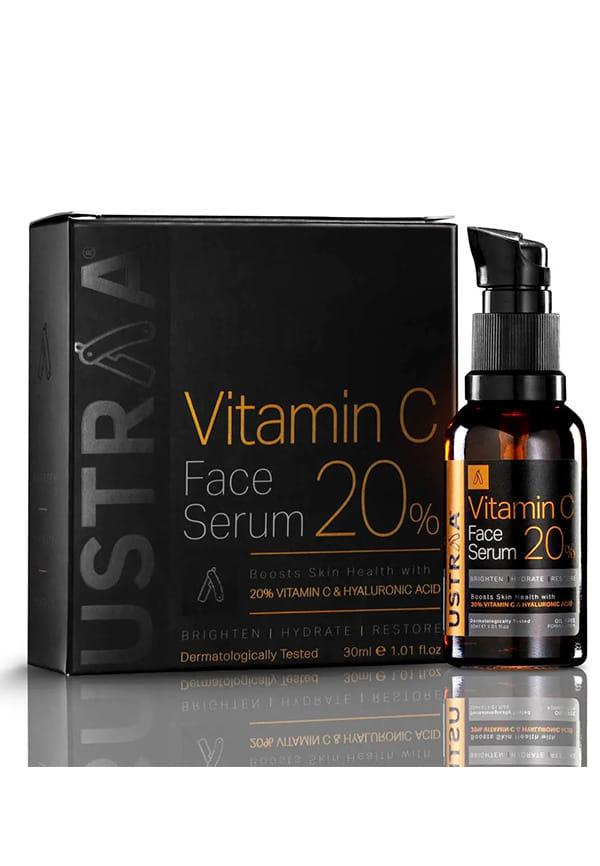
20% Vitamin C Face Serum with Hyaluronic Acid
You've probably seen peptides everywhere lately – from Instagram ads promising "Botox in a bottle" to skincare enthusiasts swearing by their anti-ageing powers. But with so much conflicting information floating around, it's hard to know what's actually true. Are peptides the miracle ingredient they're made out to be, or just another overhyped skincare trend? Let's dig into the science and separate the myths from the evidence-based facts about what peptides can (and can't) do for your skin.
Before we tackle the myths, let's get clear on what peptides for skin actually are. Think of peptides as tiny messengers made up of amino acid chains – the same building blocks that form proteins like collagen and elastin in your skin. When these amino acids link together in short chains (typically 2-50 amino acids), they become peptides.
Here's where it gets interesting: your skin naturally produces peptides as part of its repair and renewal process. When collagen breaks down (hello, ageing), it releases peptides that signal your skin to make more collagen. Clever skincare scientists figured out they could create synthetic versions of these peptides and apply them topically to potentially trigger similar responses.
The key word here is "potentially." Unlike your skin's natural peptides, which work from within, topical peptides face the challenge of penetrating your skin barrier. This is where the science gets a bit more complex – and where many myths begin.
Real talk: the peptide world is full of bold claims and wishful thinking. Let's examine what the research actually shows versus what marketing wants you to believe.
This couldn't be further from the truth. Types of peptides vary dramatically in their structure and function. Signal peptides like palmitoyl pentapeptide-4 work to stimulate collagen production, whilst carrier peptides such as copper peptides focus on delivering minerals to support skin repair. Neurotransmitter peptides like acetyl hexapeptide-8 aim to relax facial muscles, and enzyme inhibitor peptides work to prevent collagen breakdown.
Each type targets different skin concerns through distinct mechanisms. Lumping them all together is like saying all vitamins do the same thing – it simply doesn't make scientific sense.
Whilst some peptide claims are definitely overblown, dismissing them entirely ignores legitimate research. Clinical studies have shown that certain peptides can improve skin firmness, reduce fine lines, and support skin barrier function. A 2019 study published in the Journal of Cosmetic Dermatology found that palmitoyl pentapeptide-4 significantly improved skin elasticity and reduced wrinkle depth after 12 weeks of use.
The catch? Not all peptides have the same level of evidence backing them. Some have robust clinical data, whilst others rely more on theoretical benefits than proven results.
If you're expecting overnight transformation, you'll be disappointed. Peptide benefits develop gradually as your skin responds to the signals these ingredients provide. Most clinical studies show measurable improvements after 4-12 weeks of consistent use. This timeline makes sense when you consider that collagen production is a slow process – your skin needs time to build new proteins.
Think of peptides as a long-term investment in your skin's health, not a quick fix for immediate concerns.
Your skin has a limit to how much it can absorb and utilise. Research suggests that peptide concentrations typically plateau in effectiveness around 3-5%, depending on the specific peptide. Slathering on multiple peptide serums or choosing products with sky-high concentrations won't necessarily deliver better results – and might even cause irritation.
Quality and proper formulation matter more than quantity when it comes to peptide effectiveness.
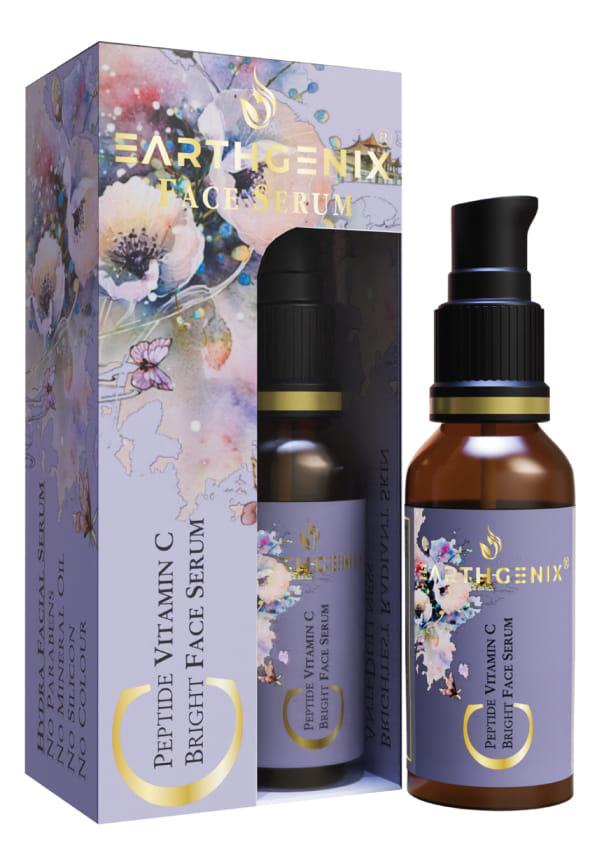
Peptide Vitamin C Bright Face Serum with Hyaluronic Acid
Now that we've cleared up some misconceptions, let's explore what different peptides can actually do for your skin, based on scientific evidence.
Palmitoyl pentapeptide-4 (also known as Matrixyl) is probably the most studied signal peptide. Clinical trials have shown it can increase collagen production by up to 117% and improve skin firmness by 20% after 12 weeks of use. These peptides work by mimicking the natural signals your skin sends when it needs to repair itself.
If you're dealing with fine lines and loss of firmness, signal peptides are worth considering as part of your routine.
Copper peptides have been around longer than most other peptides in skincare, and for good reason. Research shows they can improve wound healing, reduce inflammation, and provide antioxidant benefits. A 2012 study found that copper peptides increased skin thickness and improved elasticity in participants over 12 weeks.
These work particularly well for skin that needs repair support – think post-breakout marks or general inflammation.
Acetyl hexapeptide-8 (often called Argireline) is marketed as "Botox in a bottle," but let's be realistic about what it can do. Studies suggest it may reduce muscle contractions that contribute to expression lines, with one clinical trial showing a 17% reduction in wrinkle depth after 15 days.
Whilst it won't replace professional treatments for deep lines, it might help with early expression lines when used consistently.
These peptides work by inhibiting enzymes that break down collagen and elastin. Whilst the research is still emerging, early studies suggest they might help preserve existing collagen rather than building new collagen.
Think of these as your skin's bodyguards, protecting what you already have.
Getting the most from peptides skincare routine integration requires some strategic thinking. Here's what the evidence suggests about optimal usage.
Most peptide research involves twice-daily application, so morning and evening use appears optimal. Apply peptides to clean skin before heavier creams or oils – their molecular structure means they need direct contact with your skin to work effectively.
Start with once daily if you have sensitive skin, gradually increasing to twice daily as your skin adjusts. Consistency matters more than frequency when you're beginning.
Safe combinations include hyaluronic acid, niacinamide, and ceramides. These ingredients actually complement peptides by supporting skin barrier function and hydration. Many people successfully layer peptides with retinoids, though it's wise to introduce them separately first.
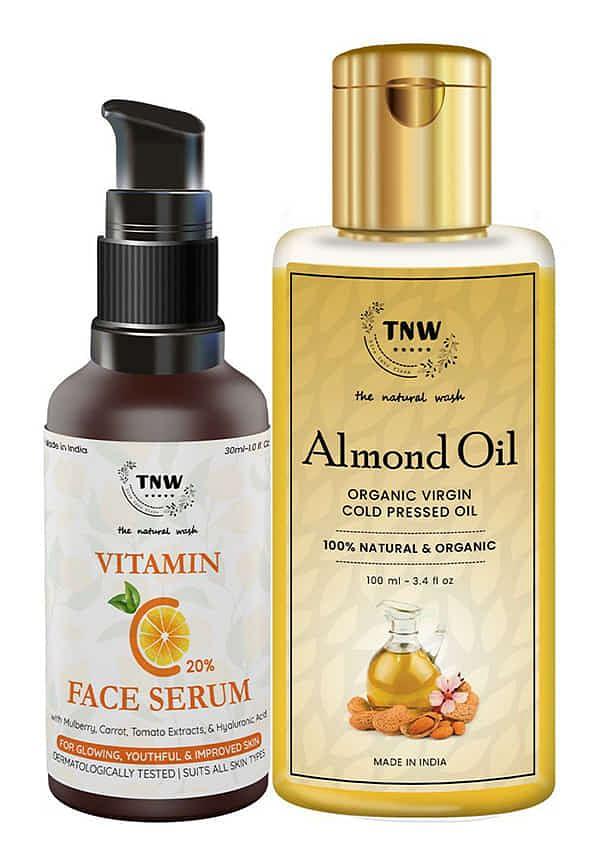
Vitamin C Skin Clearing Serum + Pure Almond Oil Rich in Vitamin E Cold pressed Virgin Badam Tail For Face Brightening, Skin Hair Nourishes the scalp
Timing considerations matter with vitamin C and AHAs/BHAs. Whilst they won't necessarily deactivate peptides, using them at different times (vitamin C in morning, peptides at night) can prevent potential pH conflicts.
Look for products that list specific peptide names rather than vague "peptide complex" descriptions. Effective concentrations typically range from 0.5-5%, depending on the peptide type. Packaging matters too – peptides can be unstable, so airless pumps or dark bottles help preserve their effectiveness.
Price isn't always an indicator of quality, but extremely cheap peptide products might not contain effective concentrations.
One area where peptides shine is safety. Clinical studies consistently show minimal side effects, making them suitable for most skin types.
Peptides side effects are rare and typically mild. The most common reaction is slight irritation during the first week of use, affecting less than 5% of users in clinical trials. Unlike some active ingredients, peptides don't increase sun sensitivity or cause significant dryness.
Long-term safety data is reassuring – studies following participants for up to two years show no concerning side effects with regular peptide use.
Pregnant and breastfeeding women should consult healthcare providers before starting any new skincare ingredients, though topical peptides are generally considered low-risk. People with very sensitive skin or rosacea might want to patch test first, as some peptide formulations contain other ingredients that could trigger reactions.
There are no known drug interactions with topical peptides, making them compatible with most medications.
Be wary of claims promising "instant results" or "better than Botox" effects. Legitimate peptide benefits develop gradually and work within your skin's natural processes. Products claiming to contain "pharmaceutical-grade" peptides for topical use are often overstating their potency.
After examining the evidence, here's the balanced truth about peptide effectiveness.
Are peptides effective? Yes, but with realistic expectations. Clinical studies support their ability to improve skin firmness, reduce fine lines, and support overall skin health over time. They work best as part of a comprehensive routine rather than standalone miracle workers.
The most compelling evidence exists for signal peptides and copper peptides, with newer peptide types showing promise but needing more research.
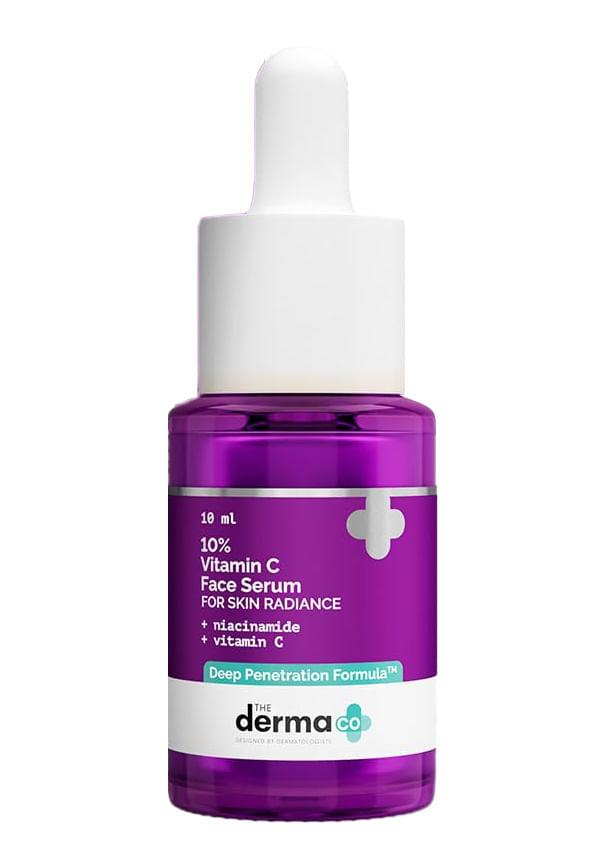
10% Vitamin C Face Serum with Vitamin C, 5% Niacinamide & Hyaluronic Acid
Peptides occupy a sweet spot in skincare – more proven than many trendy ingredients but less harsh than strong actives like retinoids. They're particularly valuable for people who can't tolerate other anti-ageing ingredients or want to add gentle support to their existing routine.
Budget-friendly options exist, though investing in well-formulated products typically yields better results than bargain alternatives.
Dermatologists increasingly recommend peptides for patients seeking gentle anti-ageing support. They're particularly useful for maintaining results from professional treatments or as a starting point for anti-ageing routines.
The key is setting appropriate expectations – peptides enhance your skin's natural processes rather than dramatically altering them.
Clinical studies show that certain peptides, particularly palmitoyl pentapeptide-4, can reduce fine lines and improve skin firmness over 8-12 weeks. They work best on early signs of ageing rather than deep wrinkles, which typically require professional treatments.
Yes, many people successfully combine peptides with retinoids. Start by using them at different times (peptides in morning, retinol at night) to assess tolerance, then you can layer them if your skin handles both well.
Most clinical studies show measurable improvements after 4-6 weeks of consistent use, with optimal results appearing around 12 weeks. Some people notice improved skin texture earlier, but significant anti-ageing benefits take time to develop.
Price doesn't always correlate with effectiveness. Look for products with specific peptide names, appropriate concentrations (0.5-5%), and stable packaging. Some affordable options perform as well as luxury alternatives in clinical comparisons.
No, topical peptides cannot replicate the dramatic results of injectable treatments. They may help maintain results from professional procedures or provide subtle improvements for early signs of ageing, but they work through entirely different mechanisms.
The truth about peptides lies somewhere between the marketing hype and the skeptical dismissal. They're not miracle workers, but they're not snake oil either. Using peptides correctly as part of a well-rounded routine can provide genuine benefits for skin firmness, fine lines, and overall skin health.
The key is approaching them with realistic expectations and choosing products based on evidence rather than marketing claims. Start with well-researched peptides like palmitoyl pentapeptide-4 or copper peptides, use them consistently, and give your skin time to respond.
Your skin will notice the difference, even if it's not the dramatic transformation some brands promise. For many people, that gentle, gradual improvement is exactly what they're looking for in their skincare journey. If you're curious about trying peptides but want to test before investing in full-size products, platforms like Smytten let you explore minis from trusted brands, making it easier to find what works for your unique skin needs.
